Critical thinking skills Worksheets for Ages 5-9 - Page 2
41 filtered results
-
From - To
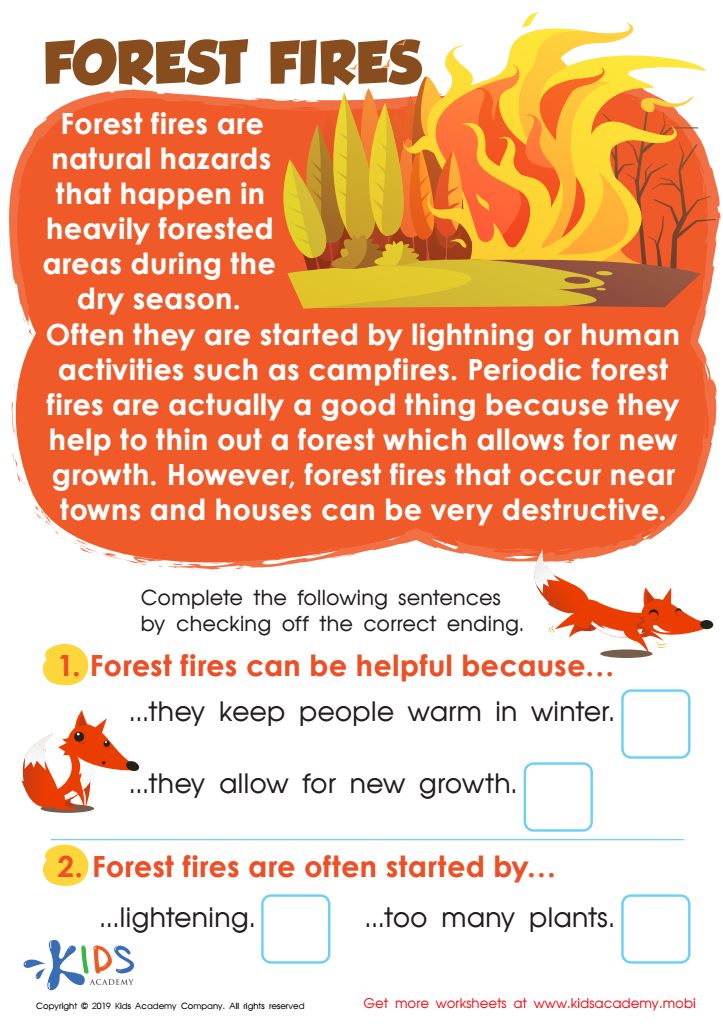
Forest Fires Worksheet
 Assign to My Students
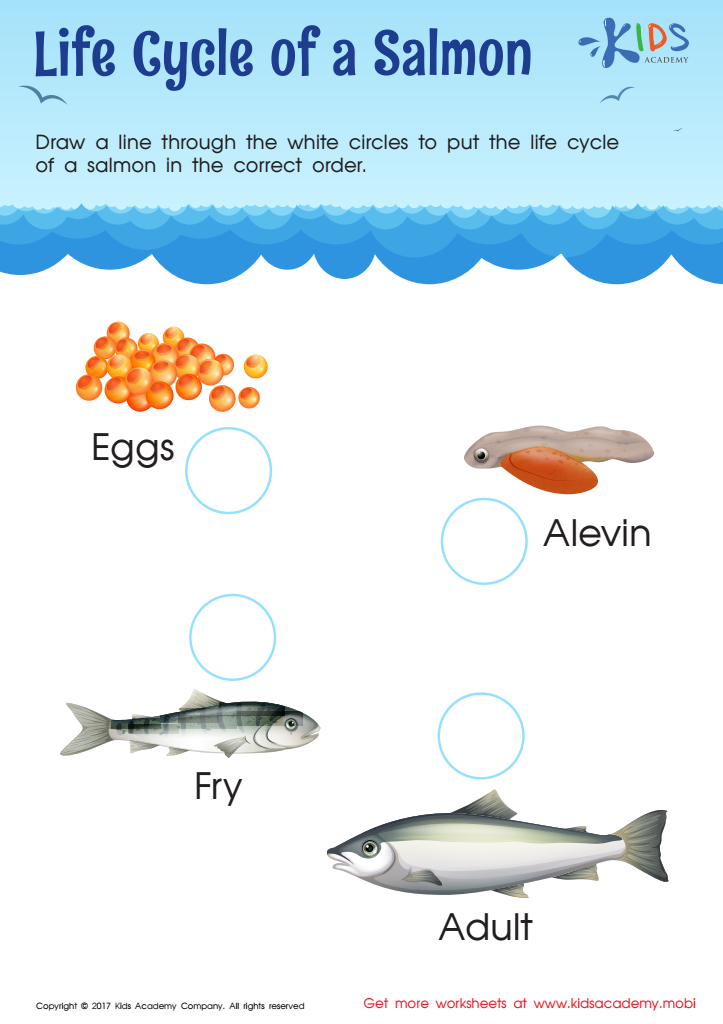
Cycle Of Salmon Worksheet
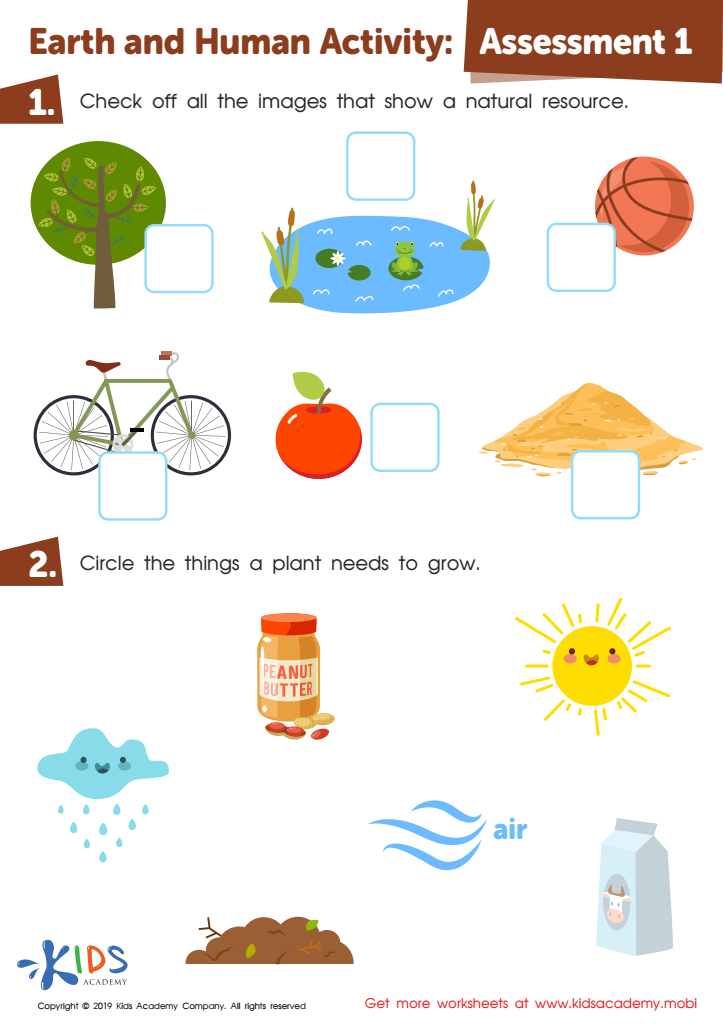
Earth and Human Activity: Assessment 1 Worksheet
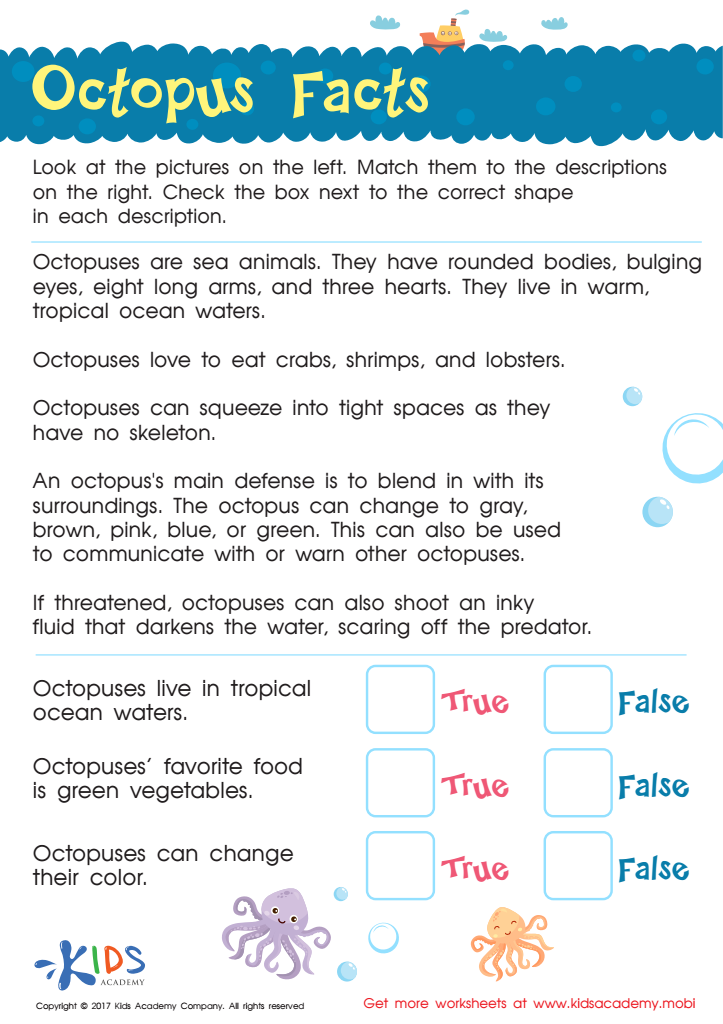
Octopus Facts Worksheet For Kids
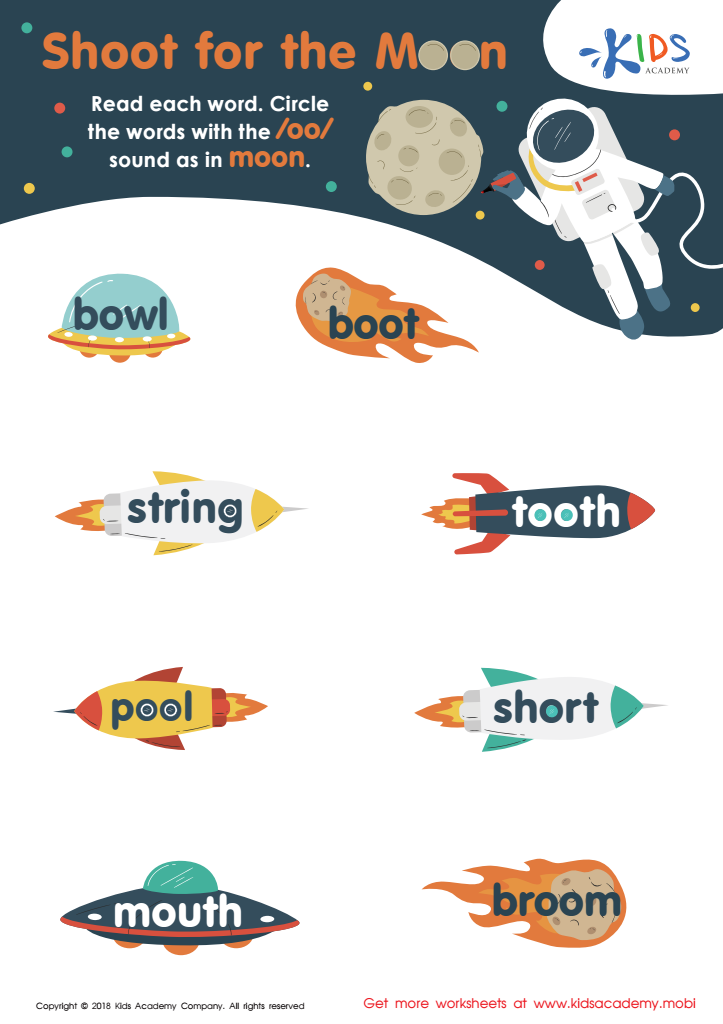
Reading: Shoot for the Moon Worksheet
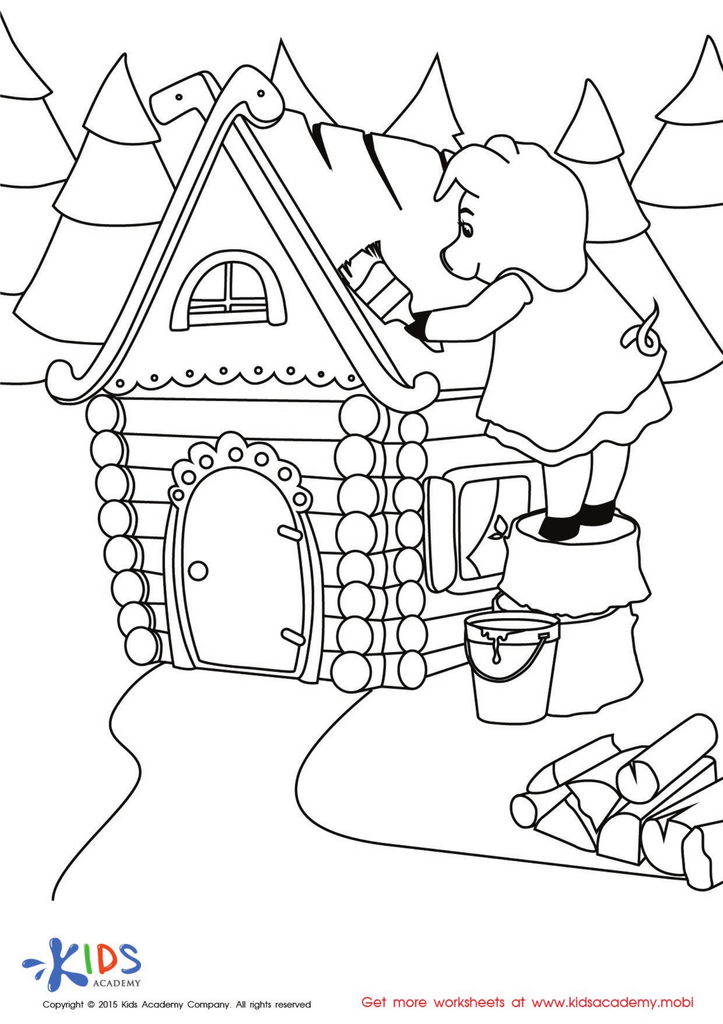
The Three Little Pigs Worksheet
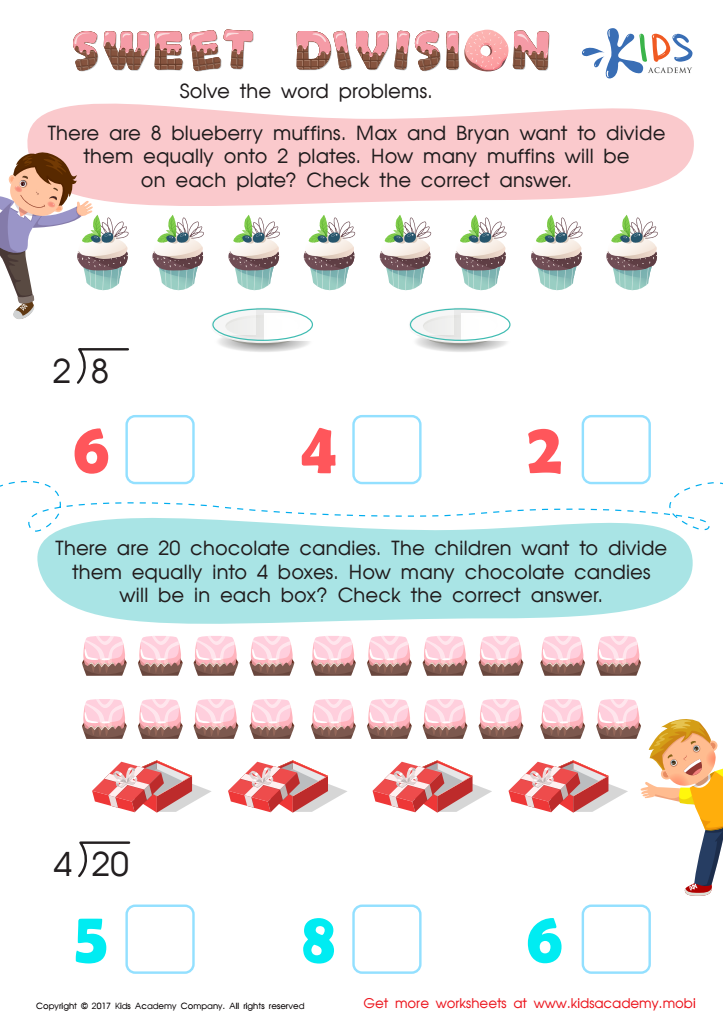
Division Word Problems Worksheet
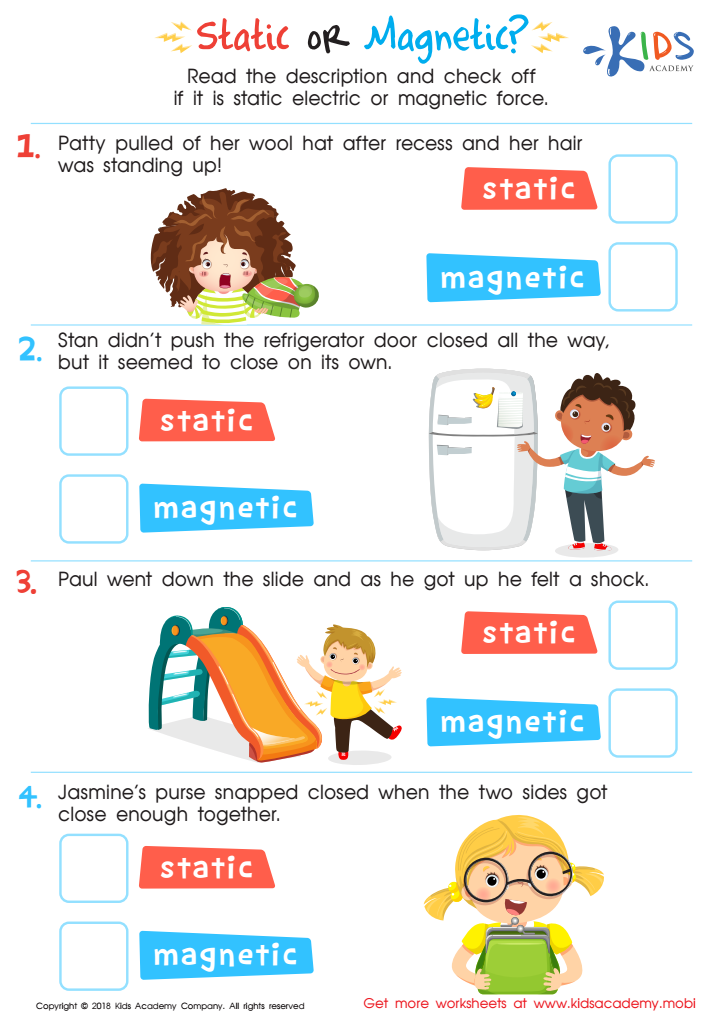
Static or Magnetic Printable Worksheet
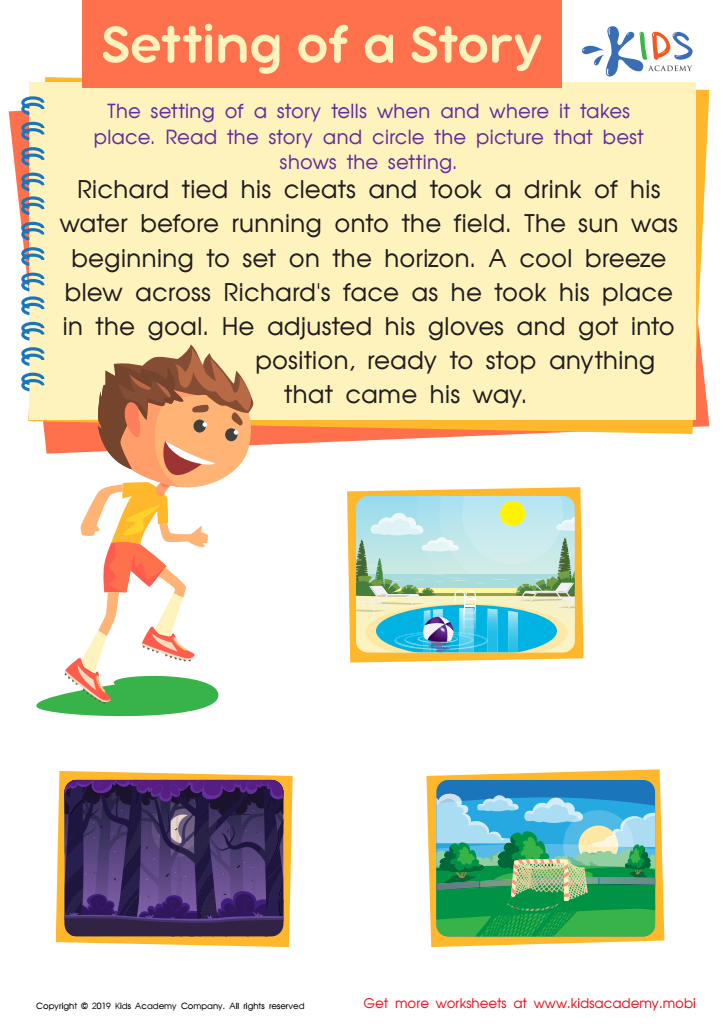
Setting of a Story Worksheet
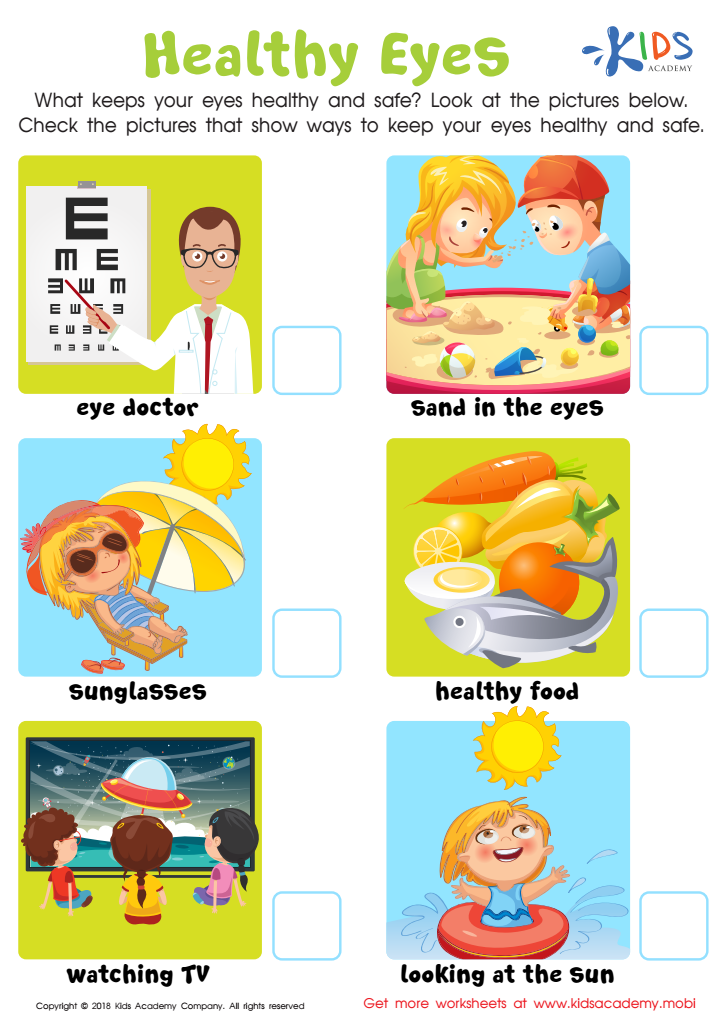
Healthy Eyes Worksheet
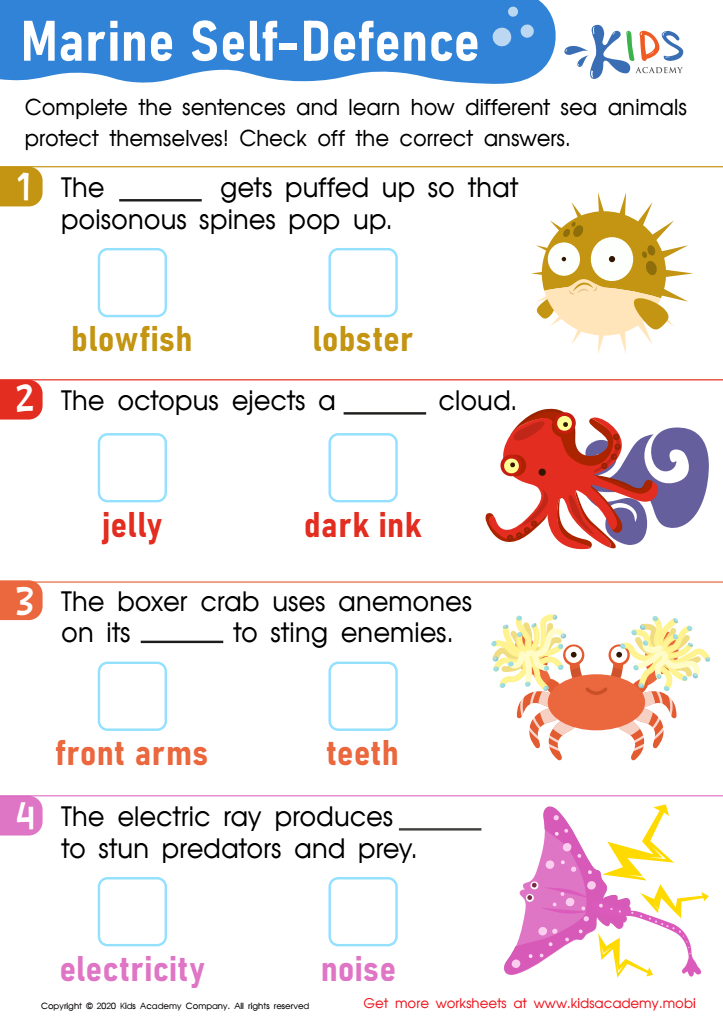
Marine Self-Defence Worksheet
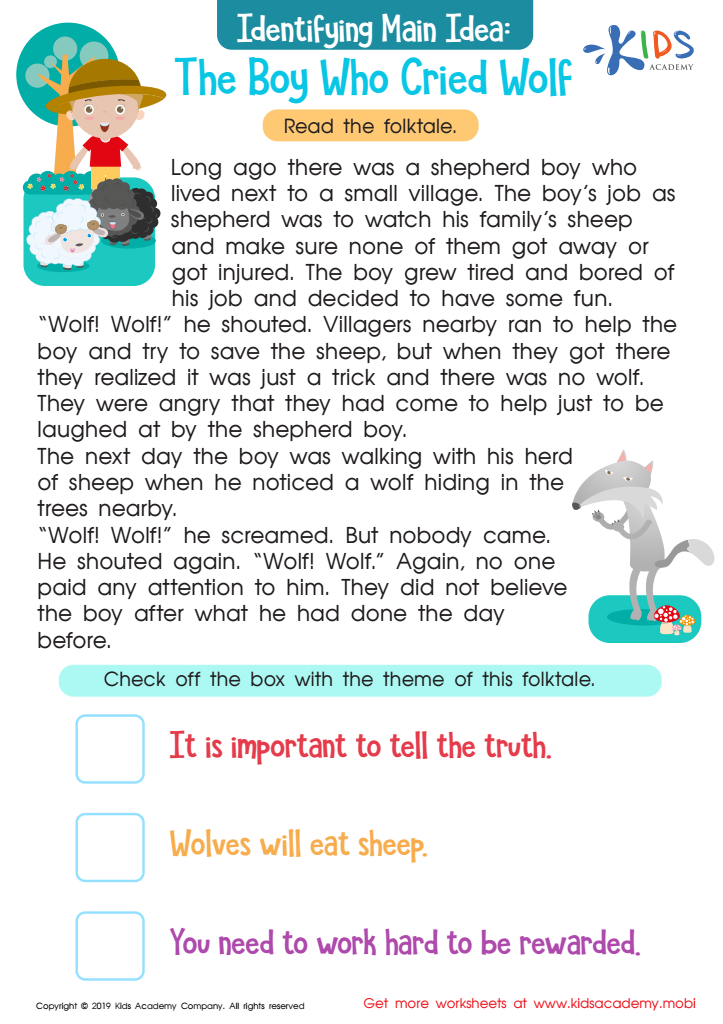
The Boy Who Cried Wolf Part 2 Worksheet
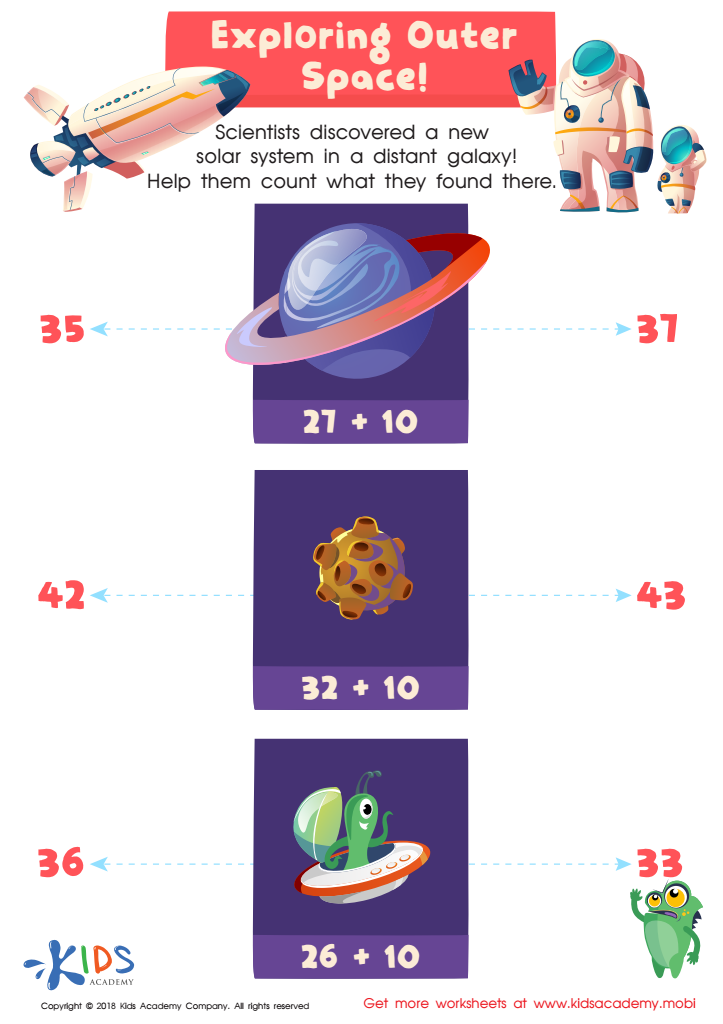
Exploring Outer Space Worksheet
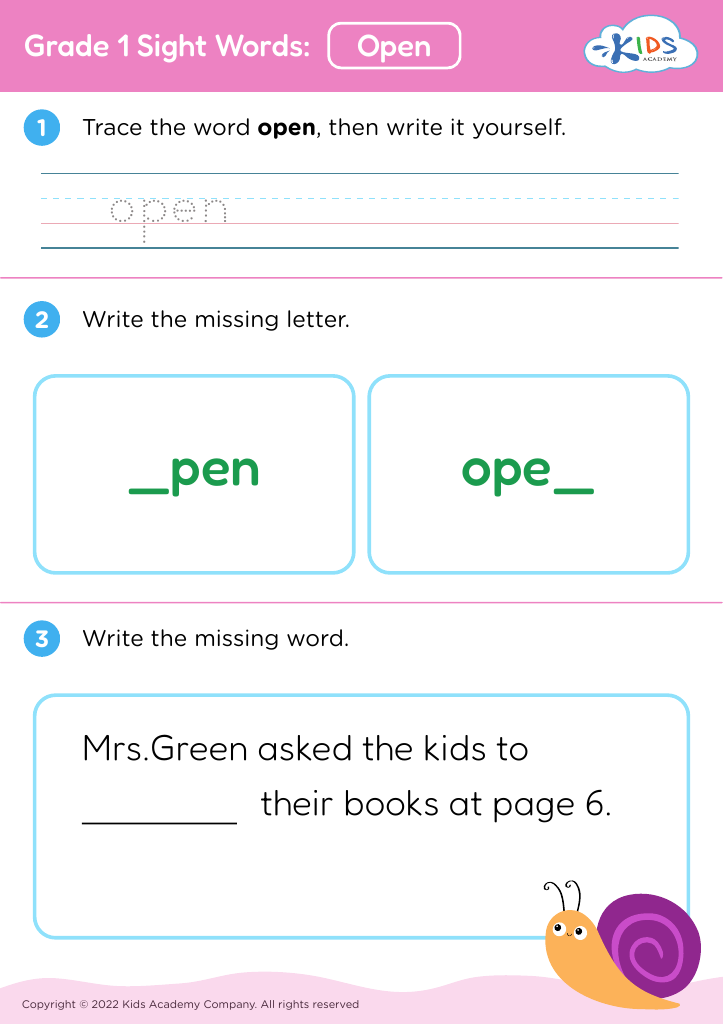
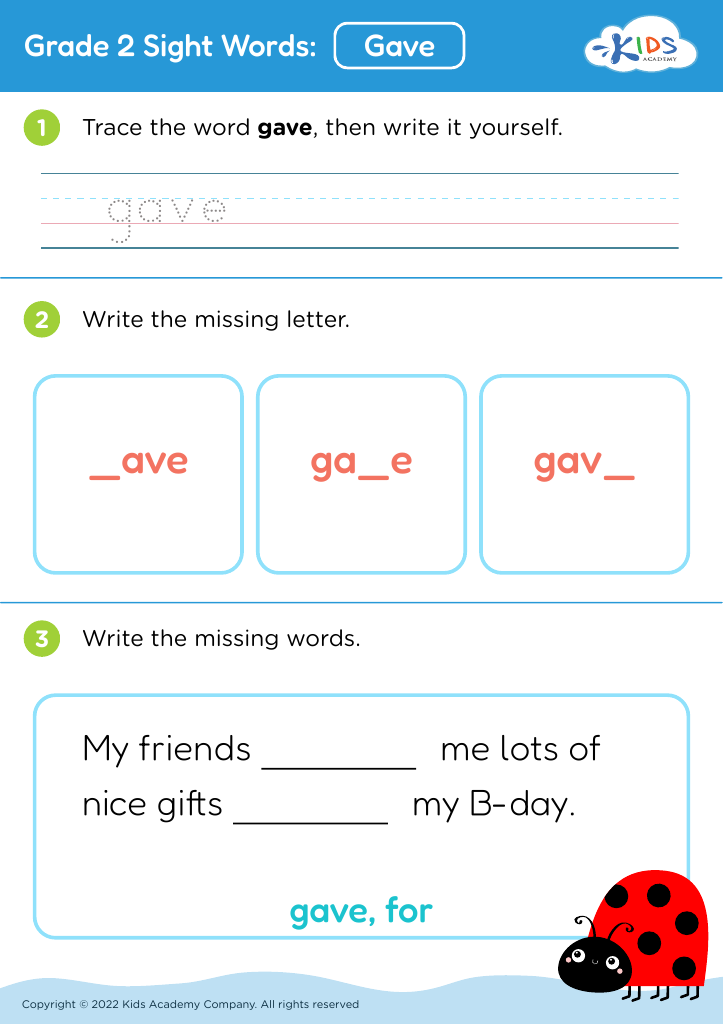



.jpg)
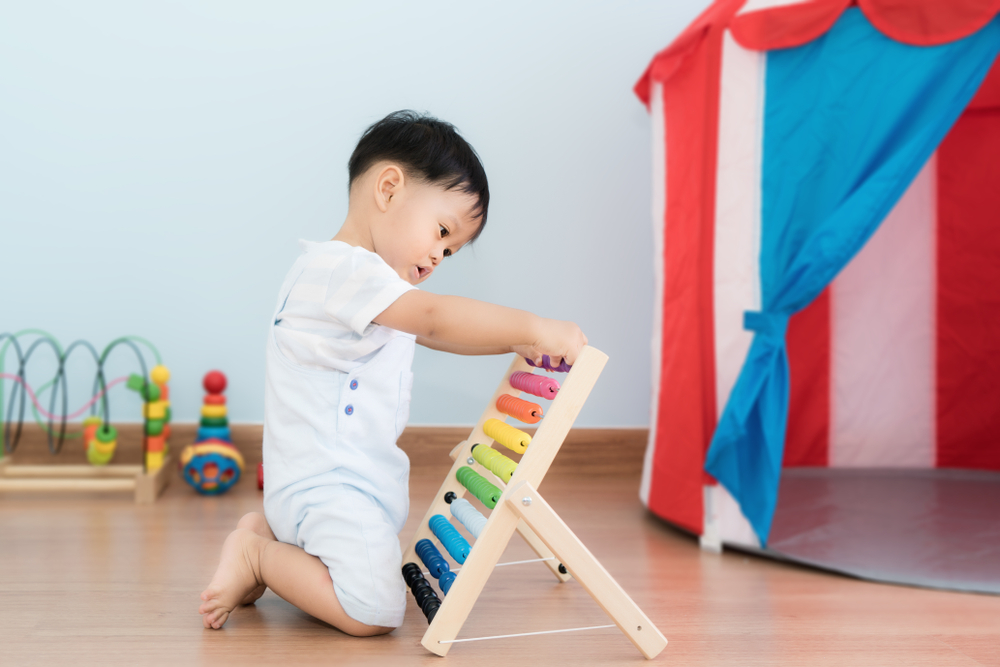


Critical thinking skills are essential for children aged 5-9, as they form the foundation for effective learning and problem-solving later in life. In this critical developmental stage, children are naturally curious, and fostering their critical thinking abilities can enhance their exploration and understanding of the world around them.
By encouraging critical thinking, parents and teachers help children develop the ability to analyze information, evaluate different perspectives, and make informed decisions. These skills enhance creativity and innovation, allowing children to approach challenges with flexibility and resourcefulness. As children learn to think critically, they gain confidence in articulating their thoughts and opinions, which fosters communication skills and active participation in discussions.
Moreover, early critical thinking experiences reduce dependency on others, empowering children to become independent learners and self-reliant problem solvers. In a world that demands adaptability and emotional intelligence, teaching critical thinking lays the groundwork for lifelong educational and personal success.
Ultimately, investing in critical thinking skills not only benefits children academically but also equips them with essential tools to navigate social dynamics and make ethical choices, ensuring they grow into thoughtful, engaged, and responsible citizens. Parents and teachers who prioritize these skills contribute significantly to a child's overall development and future opportunities.








