Critical Thinking Worksheets for Ages 5-9 - Page 7
162 filtered results
-
From - To
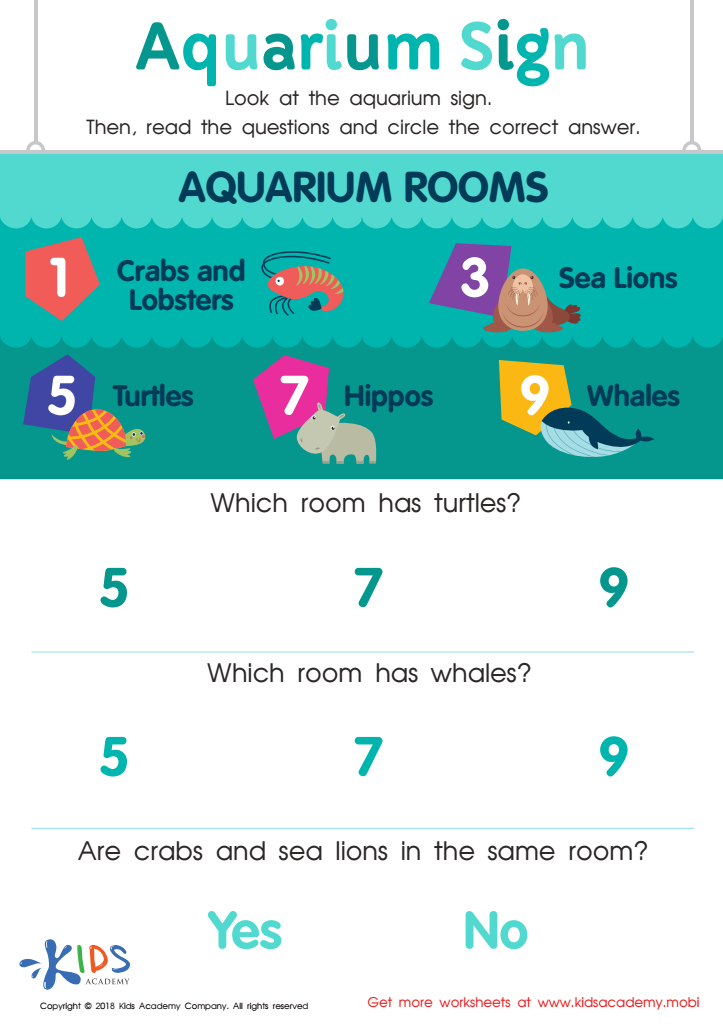
Assessment: Aquarium Sign Worksheet
 Assign to My Students
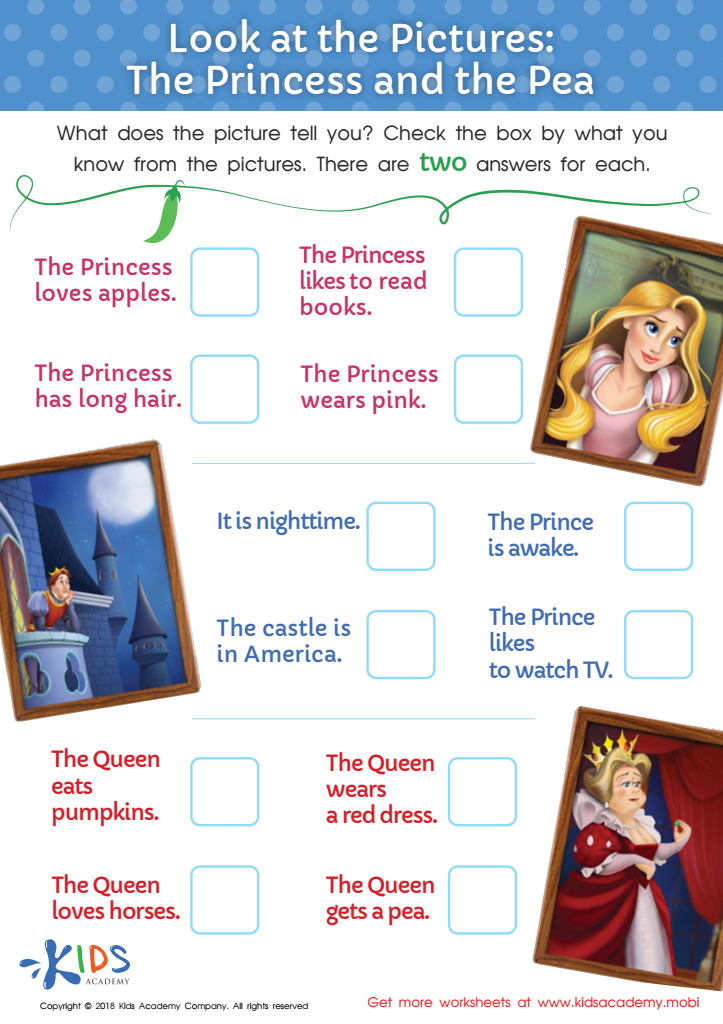
Look at the Pictures: The Princess and the Pea Worksheet
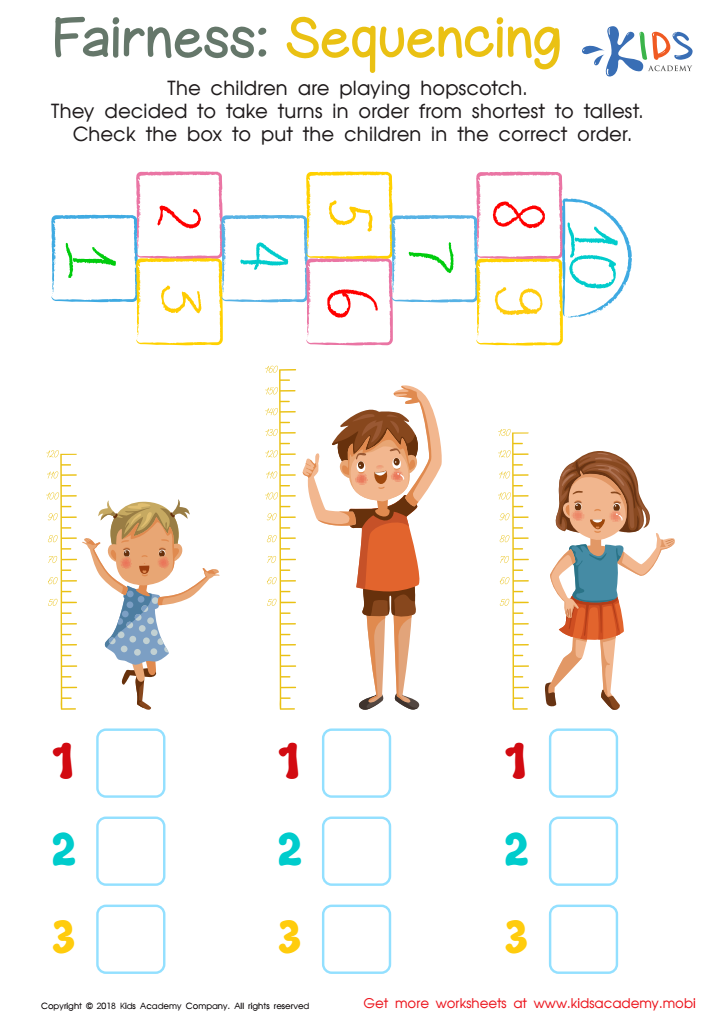
Fairness: Sequencing Worksheet
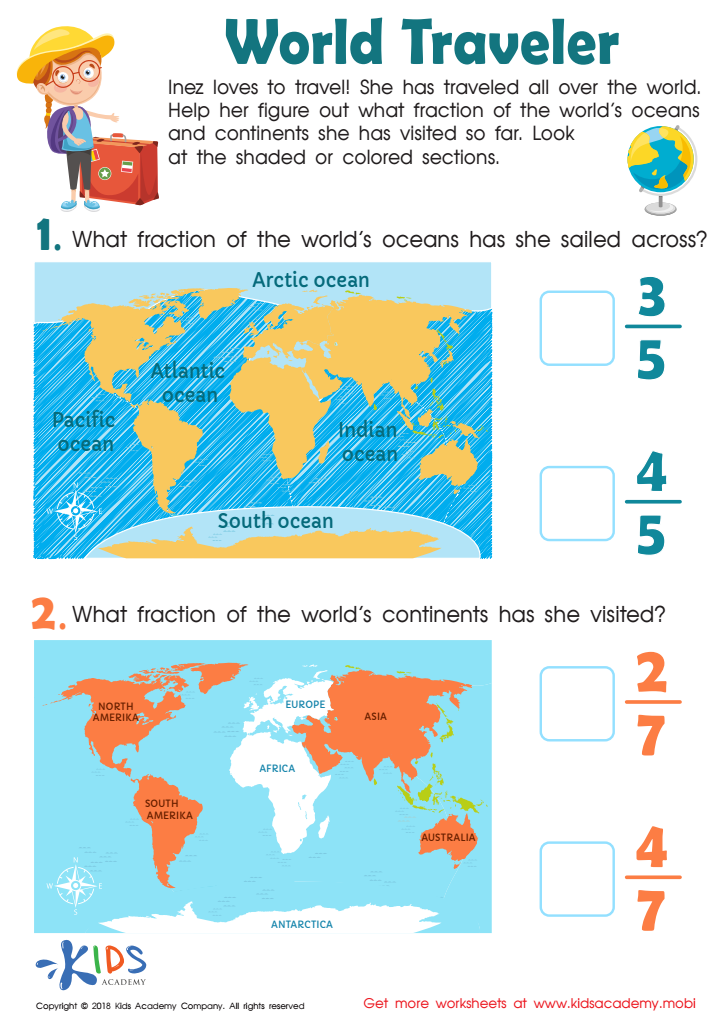
World Traveler Worksheet
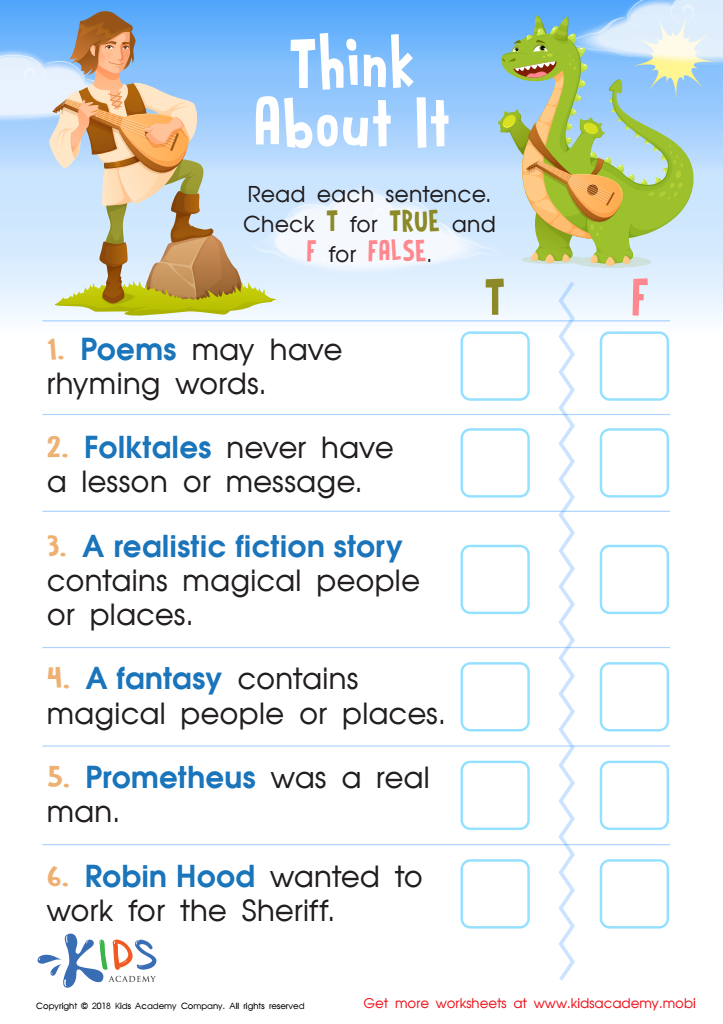
Think About It: Assessment Worksheet
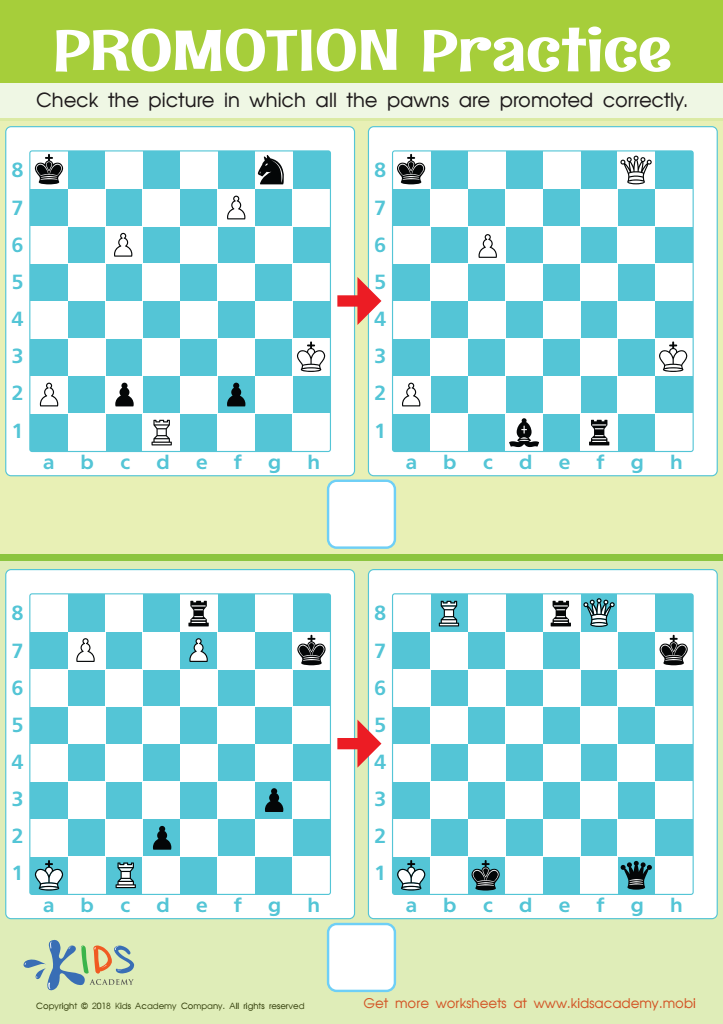
Promotion Practice Worksheet
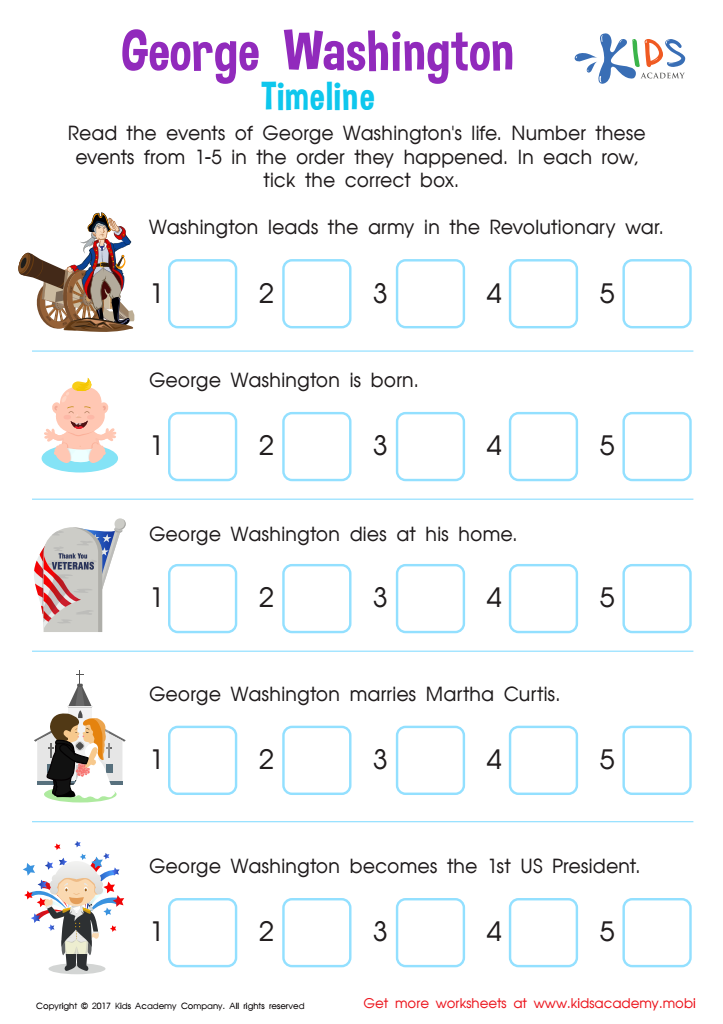
George Washington Timeline Worksheet
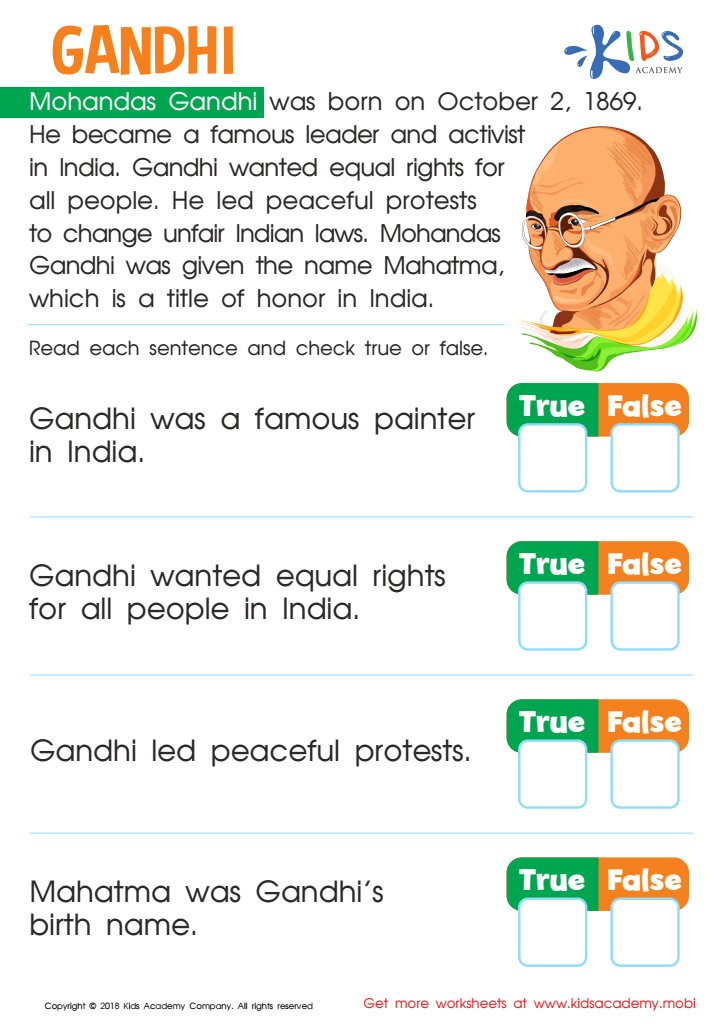
Gandhi Worksheet
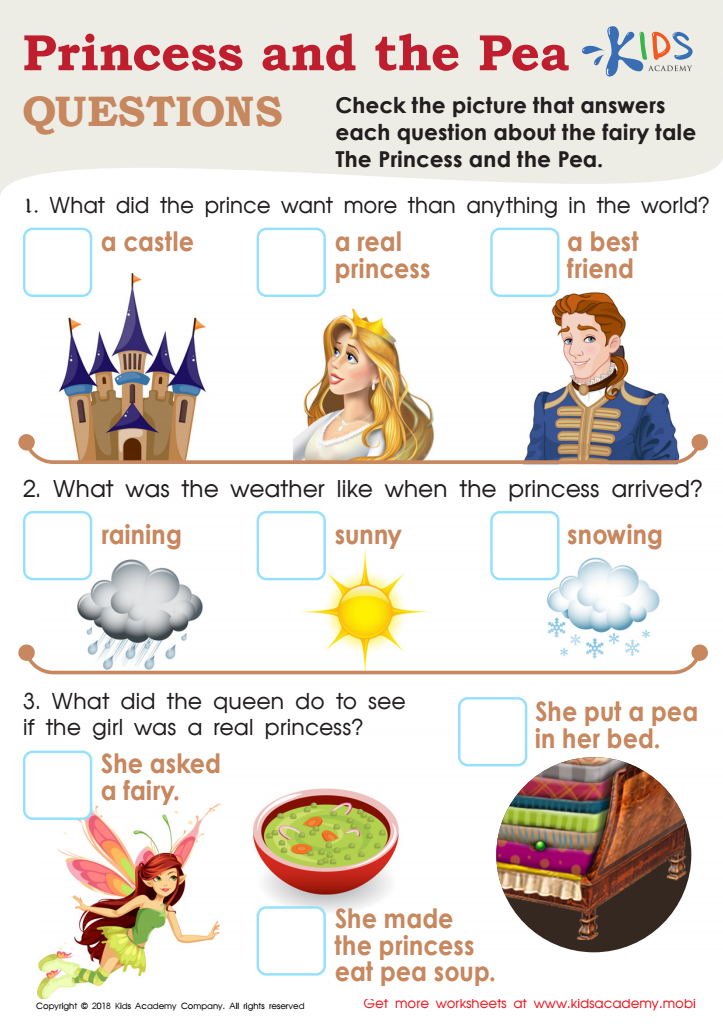
Princess and the Pea Questions Worksheet
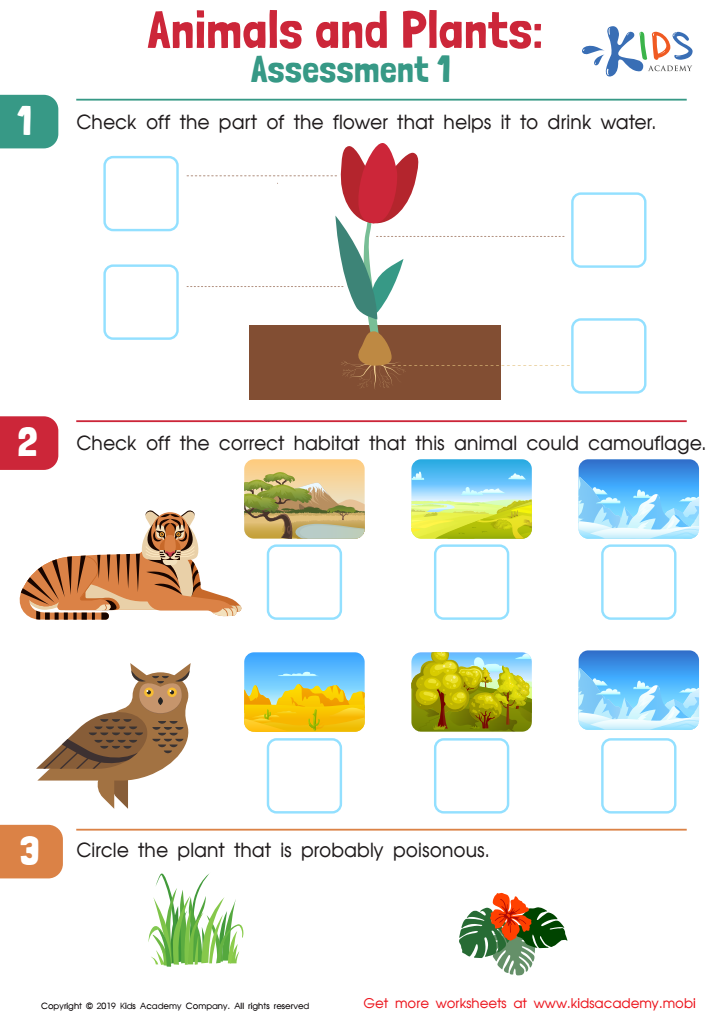
Animals and Plants: Assessment 1 Worksheet
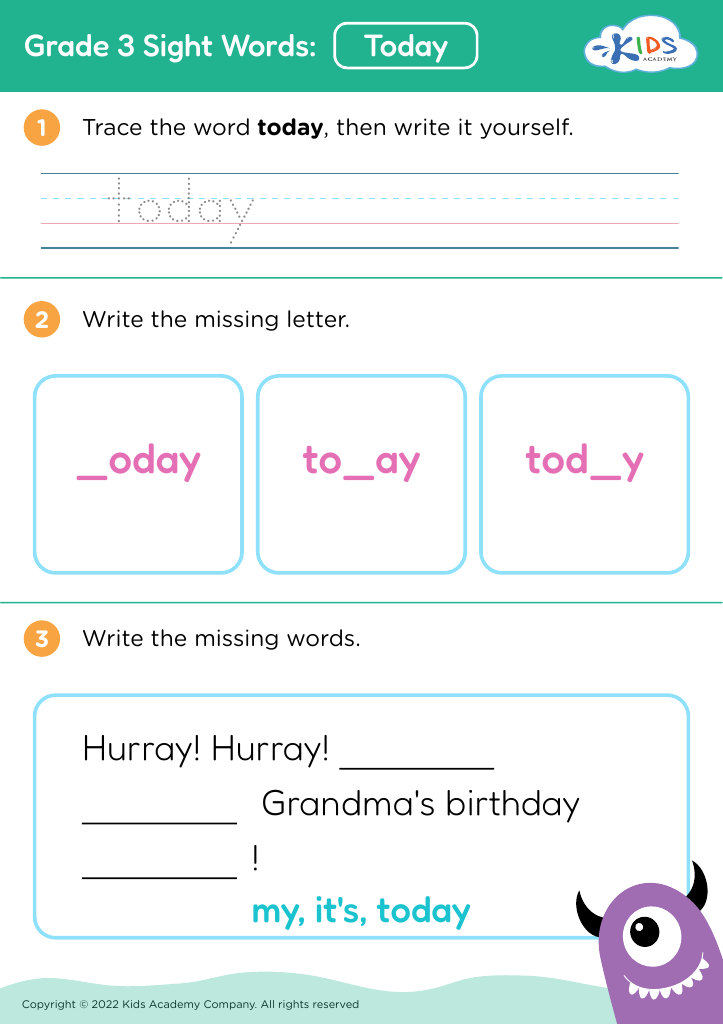
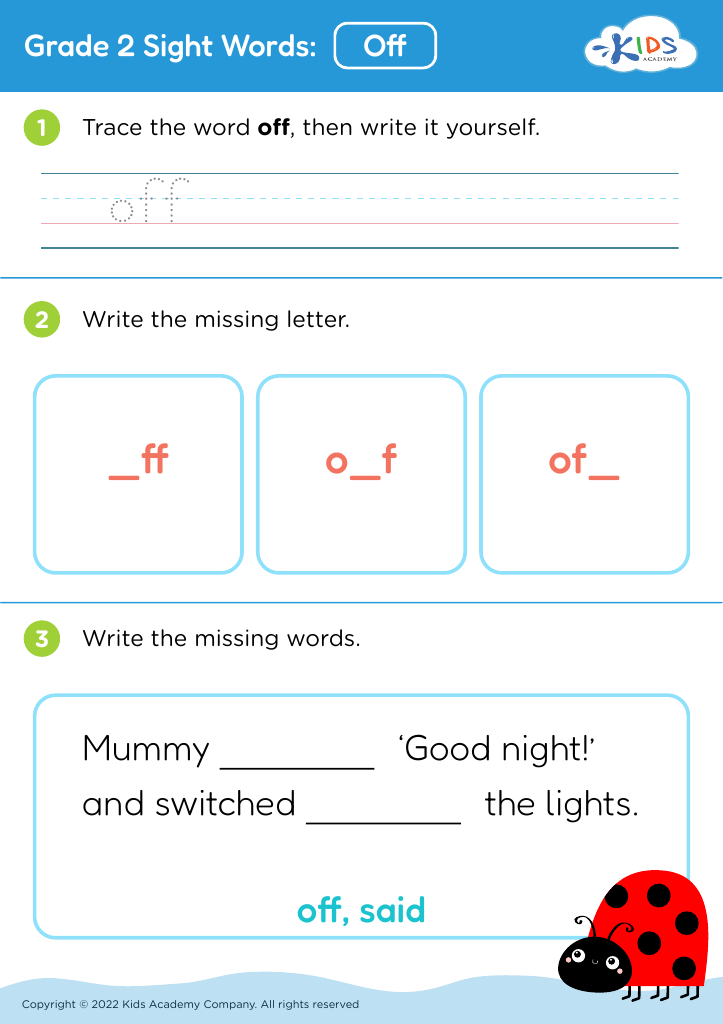
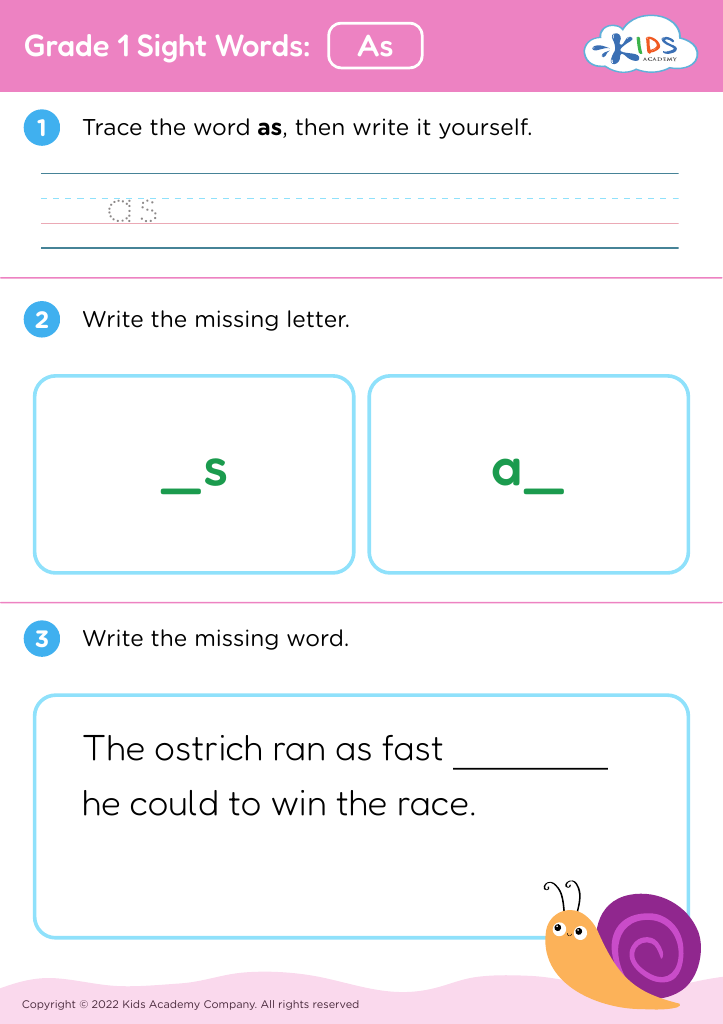
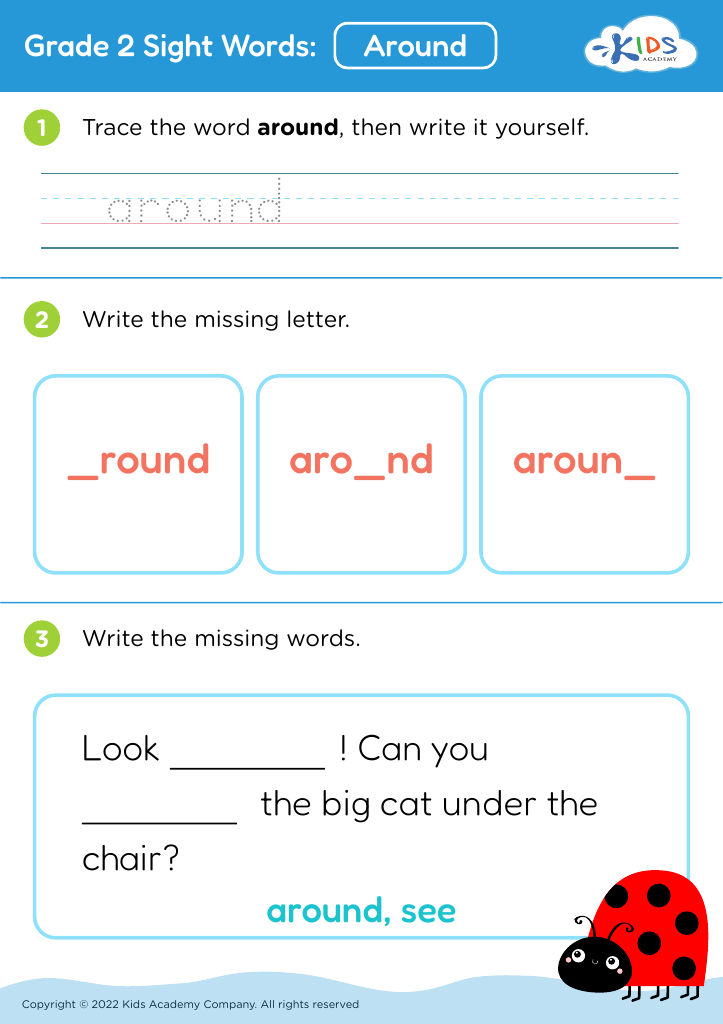
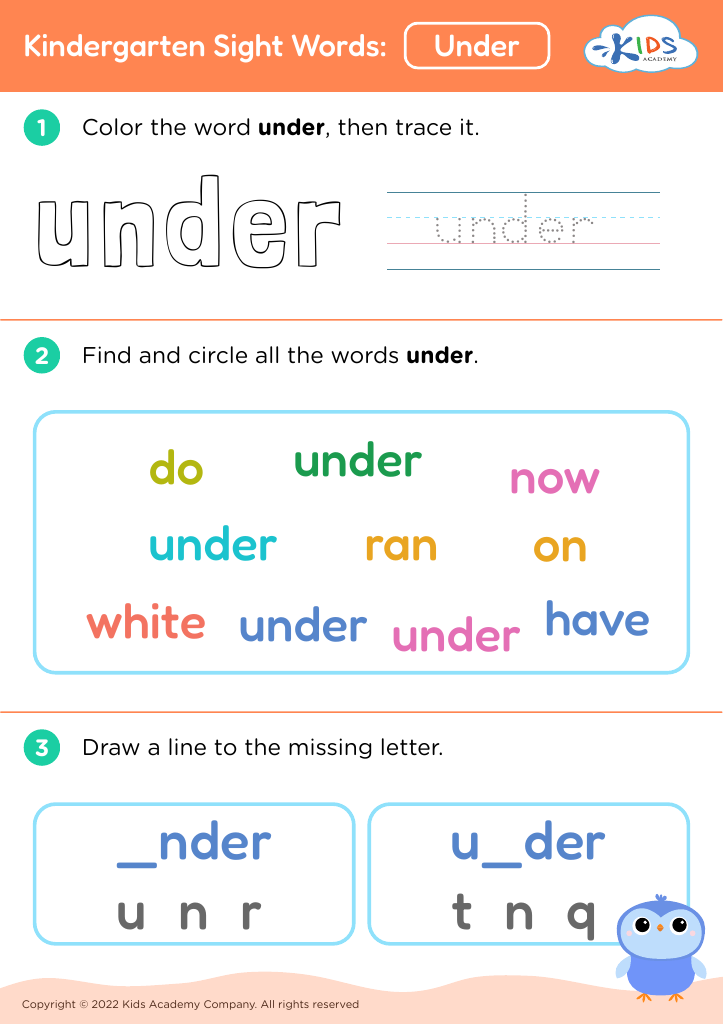









Critical thinking is essential for children aged 5-9 as it lays the foundation for lifelong learning and problem-solving skills. At this developmental stage, children are naturally curious and eager to explore the world around them. Encouraging critical thinking nurtures their ability to ask questions, analyze information, and think logically, which are crucial skills for academic success and personal development.
When parents and teachers promote critical thinking, they empower children to make informed decisions and foster a mindset of inquiry. By engaging children in discussions, providing opportunities for hands-on learning, and encouraging exploration, adults help instill confidence in young learners. This age group is particularly receptive, as they are beginning to form opinions and make sense of their experiences.
Additionally, critical thinking plays a vital role in emotional intelligence and social skills. As children learn to understand different perspectives and evaluate solutions, they enhance their ability to collaborate with peers and navigate social situations. Ultimately, cultivating critical thinking not only prepares children for school but also equips them with tools to face challenges, adapt to new environments, and contribute positively to society. Parents and teachers who emphasize these skills are investing in the development of thoughtful, capable individuals.








