
Develop logical thinking Worksheets for Ages 5-9
9 filtered results
Difficulty Level
Grade
Age
-
From - To
Subject
Activity
Standards
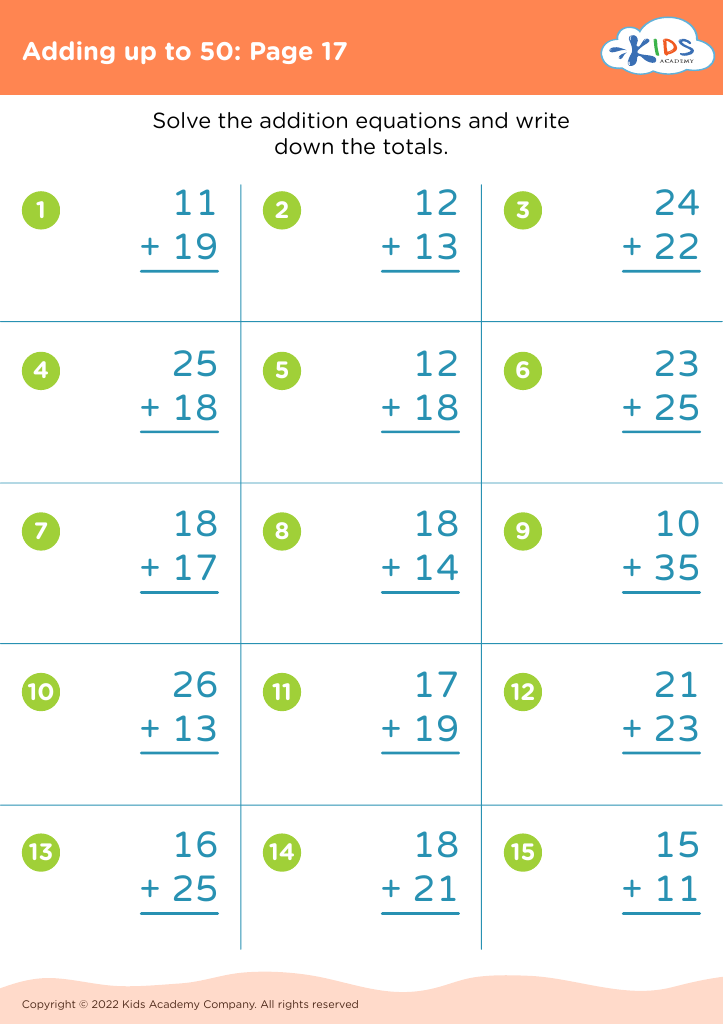
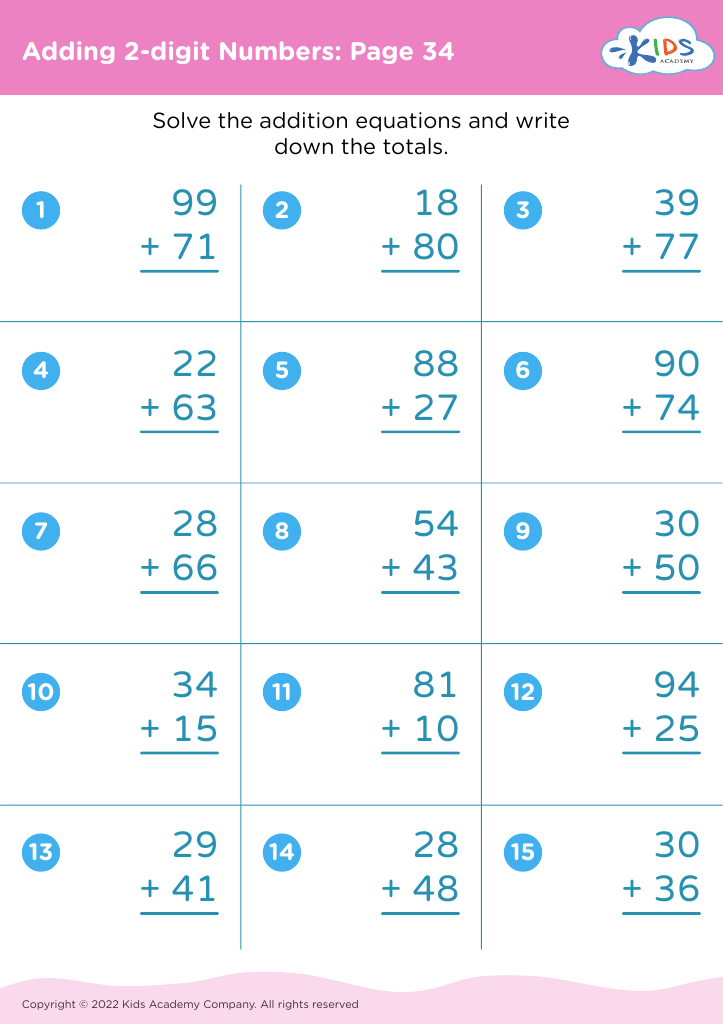
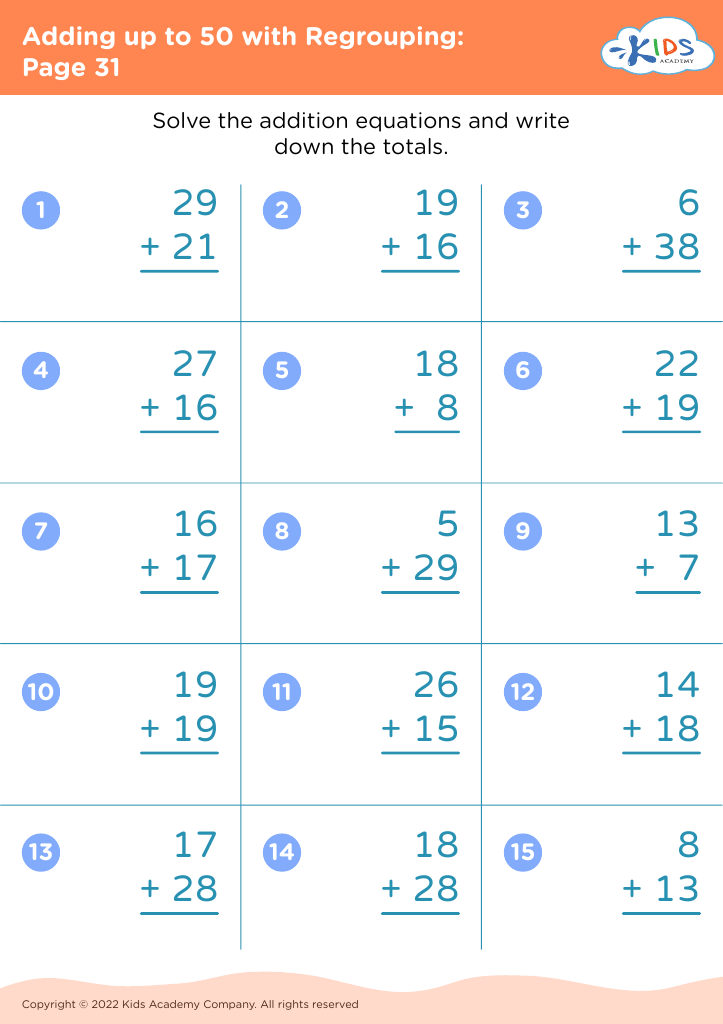
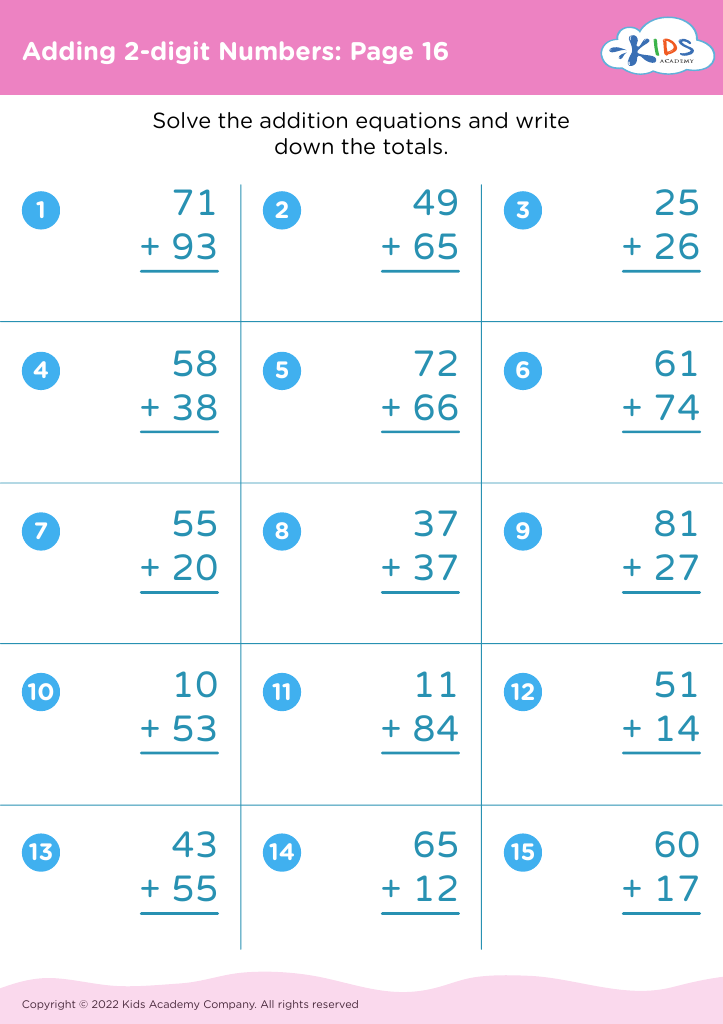
Unlock your child's potential with our engaging logical thinking worksheets designed specifically for ages 5-9. These interactive resources foster critical thinking and problem-solving skills through fun puzzles, sequences, and games tailored for young minds. Perfect for homeschooling, classrooms, or extra practice, our worksheets help children develop reasoning abilities and learn to make connections independently. Each activity promotes creativity while enhancing cognitive skills, ensuring a well-rounded educational experience. With printable formats, parents and teachers can easily incorporate these activities into daily learning routines. Inspire a love for learning and watch your child thrive in logical thinking with our curated collection!
Favorites
With answer key
Interactive
Join Kids Academy for Free
Who is primarily going to use this learning content?








Developing logical thinking in children aged 5 to 9 is vital for their cognitive growth and overall academic success. At this age, children are naturally curious and begin to form the foundations of critical reasoning skills. When parents and teachers encourage logical thinking, they help children learn to analyze situations, evaluate alternatives, and make sound decisions. This skill set is essential for problem-solving in various subjects, from math to reading comprehension.
Moreover, promoting logical thinking supports social development. Children learn to articulate their thoughts, consider different perspectives, and engage in constructive discussions. These interpersonal skills are crucial for building relationships and working collaboratively with peers.
By nurturing logical thinking, parents and teachers also foster a sense of independence. Children become more confident in exploring ideas and finding solutions, which boosts their self-esteem. Furthermore, logical thinking aligns with the demands of the modern world, where adaptability and analytical skills are increasingly important.
In essence, caring about developing logical thinking during these formative years lays a strong foundation for lifelong learning, helping children thrive both academically and socially. Investing in this cognitive skill is investing in a brighter future for the children.








