Fine motor skills (writing) Worksheets for Ages 5-9 - Page 2
46 filtered results
-
From - To

Thanksgiving Holiday Printable
 Assign to My Students
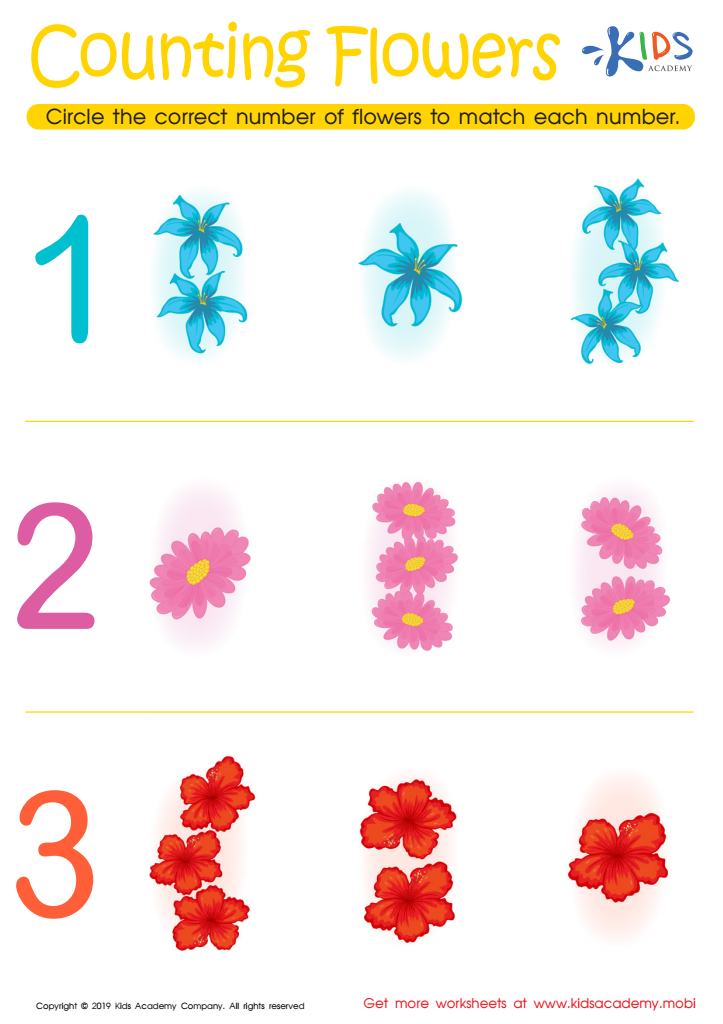
Counting Flowers Worksheet
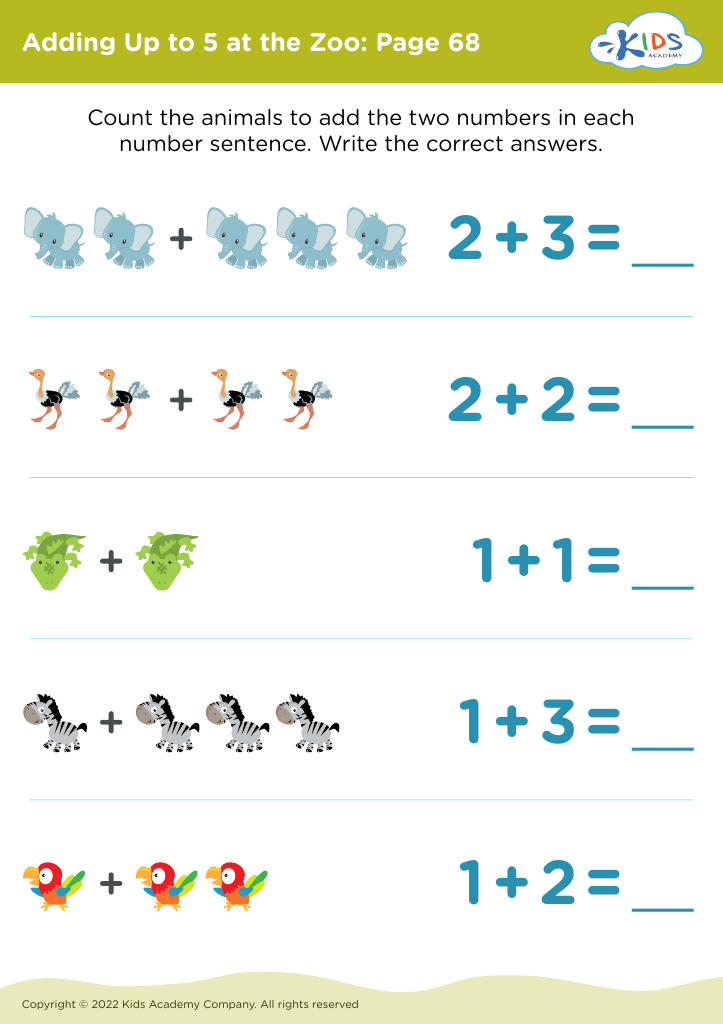
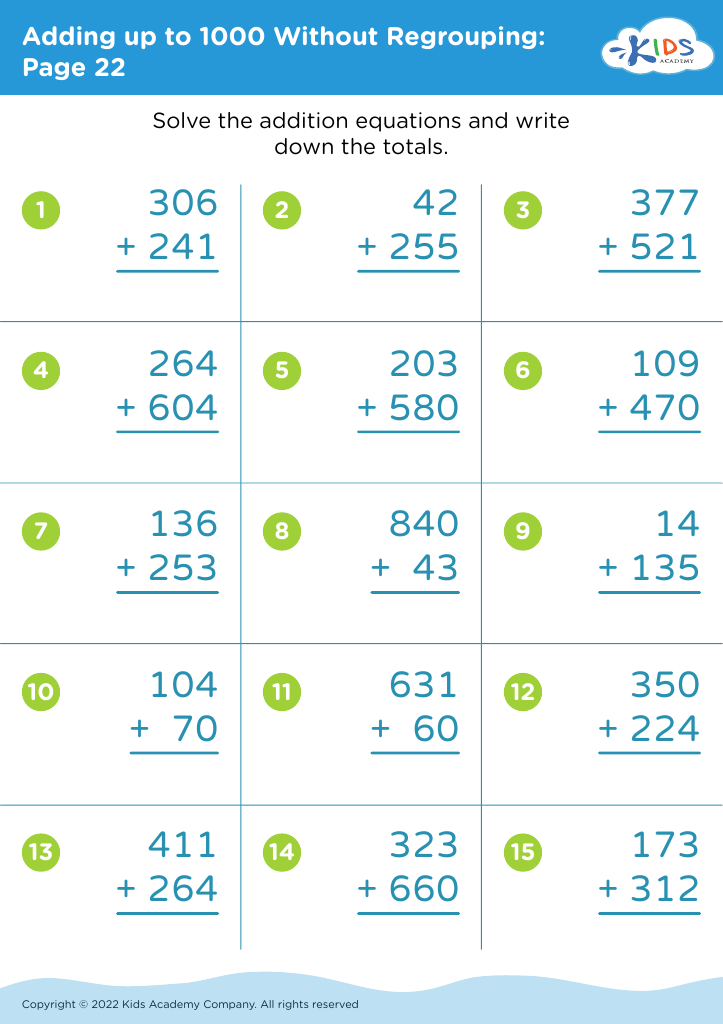
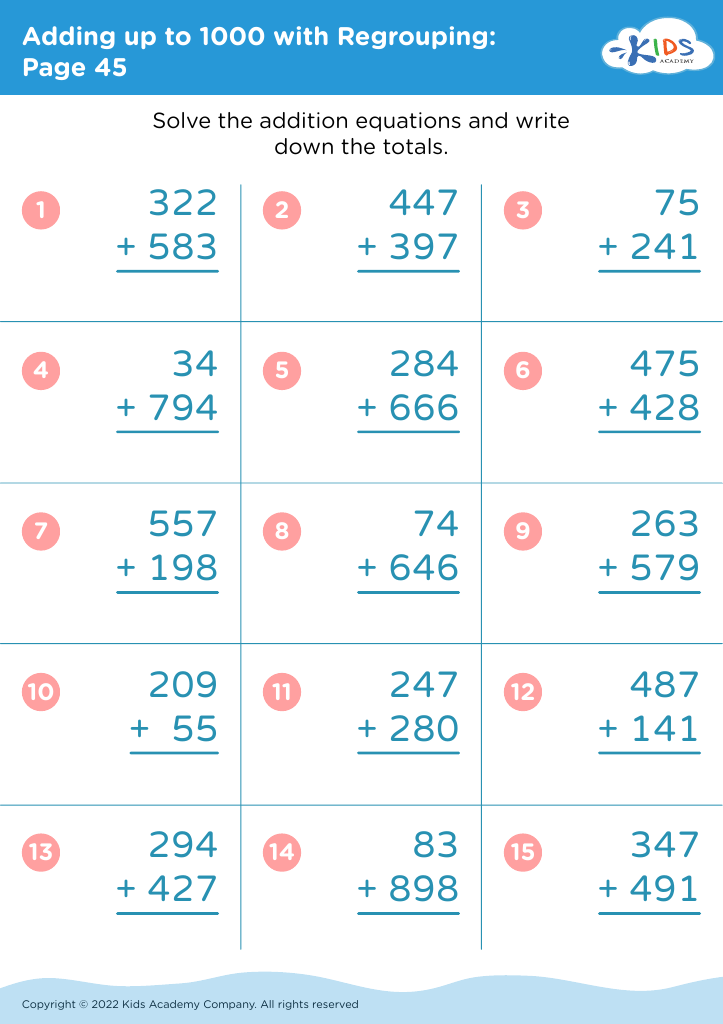
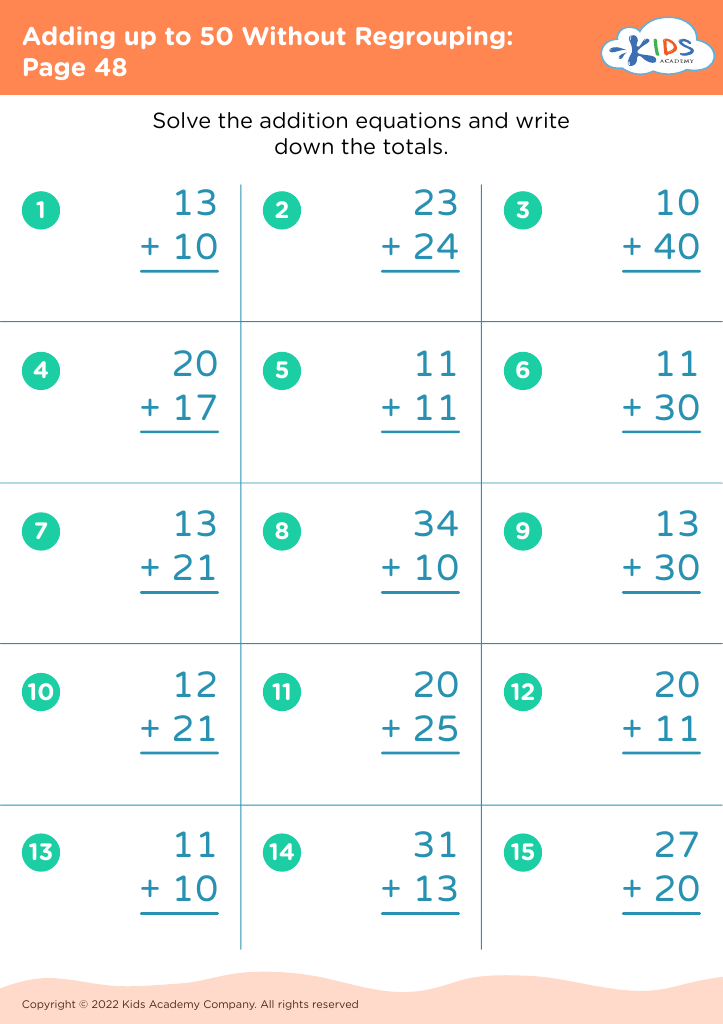
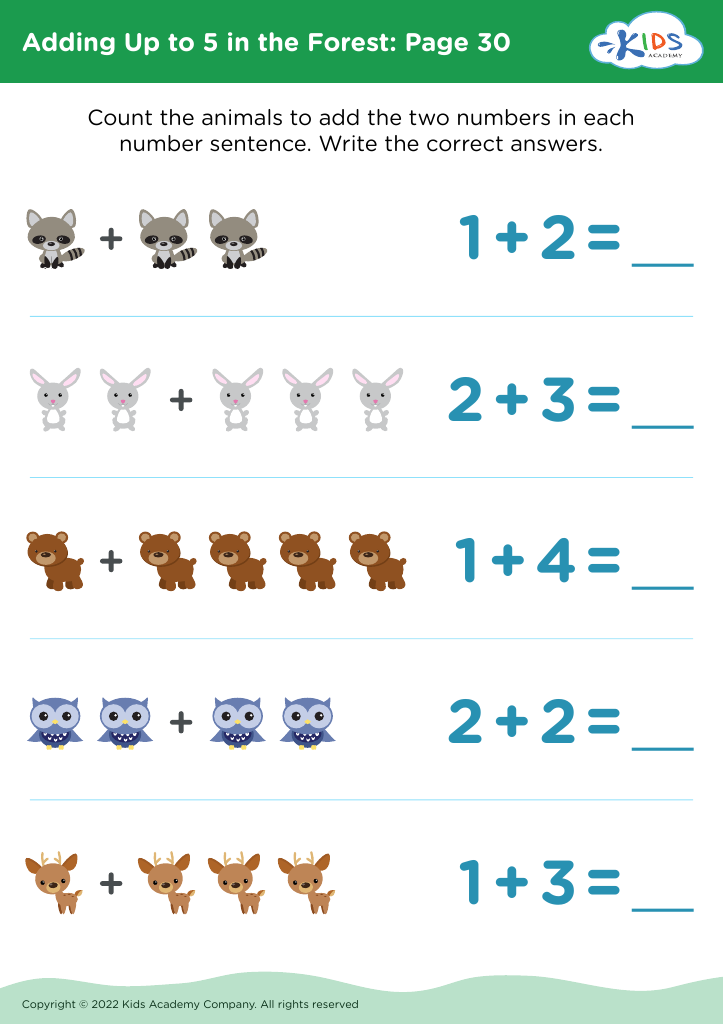
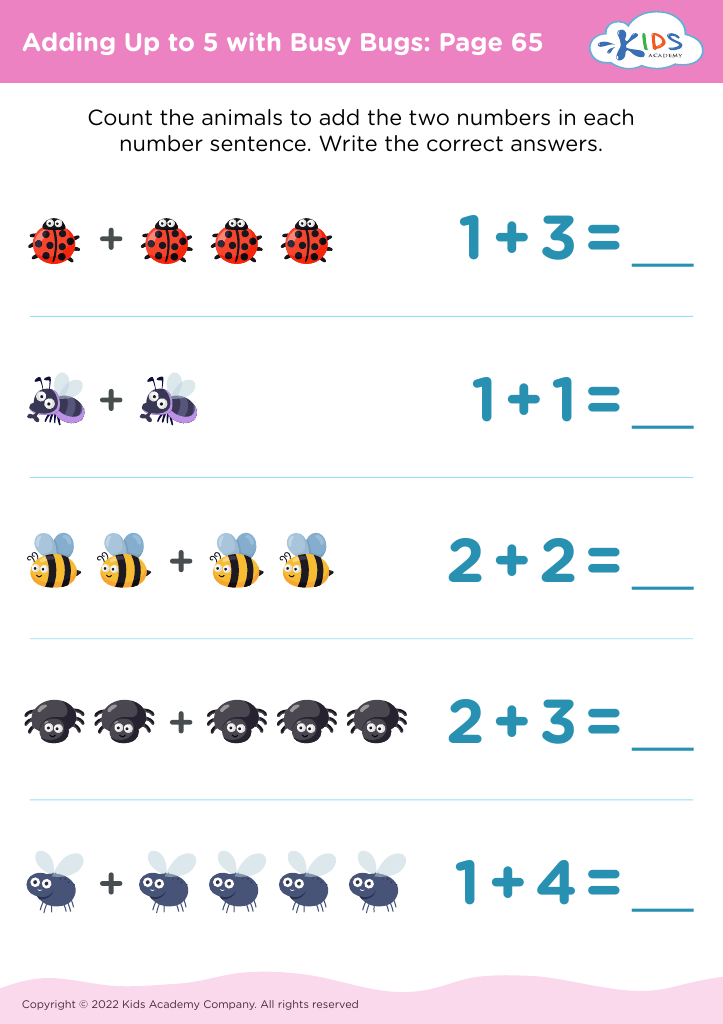
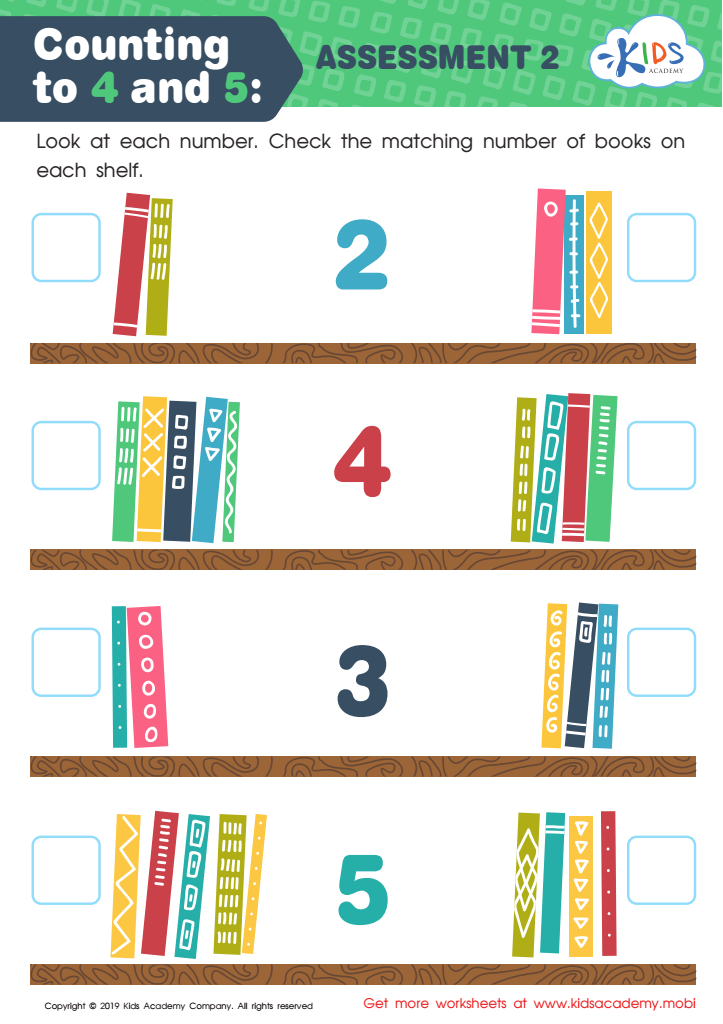
Counting to 4 and 5: Assessment 2 Worksheet
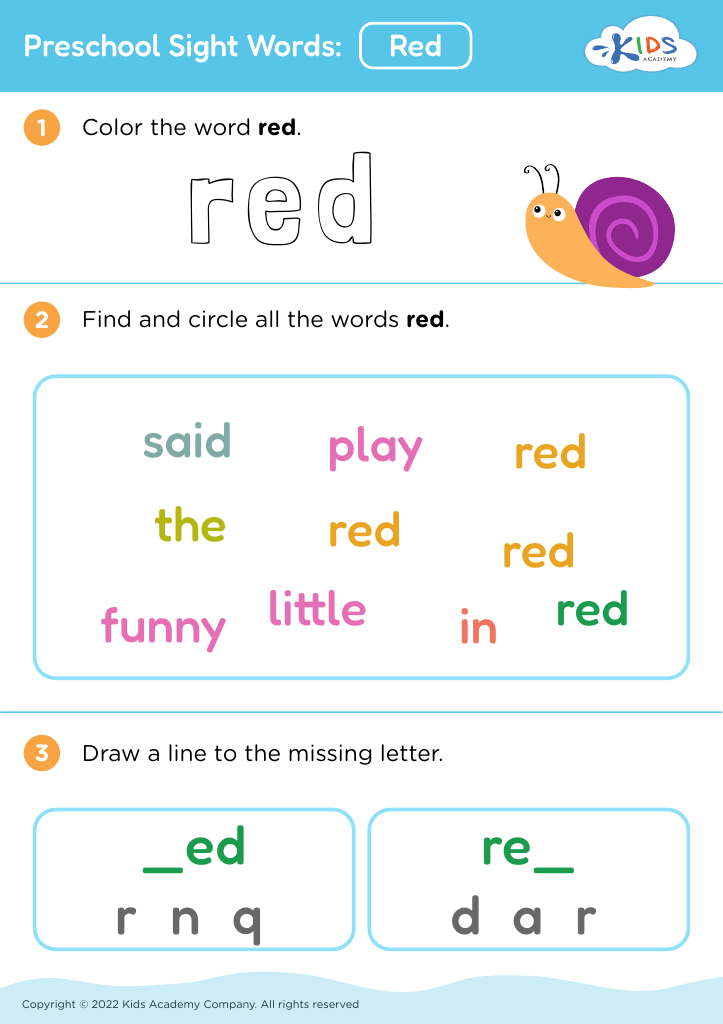








Fine motor skills, particularly writing, are crucial for children aged 5-9 as they serve as foundational abilities that influence academic success and everyday functions. During these formative years, developing fine motor skills enhances children's ability to perform essential tasks such as holding a pencil, forming letters, and achieving handwriting fluency, which are critical for effective communication and learning.
Firstly, proficient writing skills enable children to express their thoughts and ideas clearly, which is vital for their overall academic performance. Difficulty in writing can lead to frustration and demotivation, negatively impacting their self-esteem and enthusiasm for learning. Thus, fostering early fine motor skills can help children build confidence and create positive educational experiences.
Moreover, fine motor skill development extends beyond academics. It enhances children's capacity for self-care, like buttoning clothes, tying shoelaces, and using utensils, promoting their independence. Fine motor activities also stimulate cognitive development by improving hand-eye coordination and spatial awareness.
For parents and teachers, supporting fine motor skill development through engaging, age-appropriate activities such as drawing, cutting, and playdough manipulation can lay the groundwork for lifelong learning habits and essential daily competencies. Investing time and effort in enhancing these skills helps children navigate future academic and practical challenges more effectively and confidently.








