Geographic knowledge Worksheets for Ages 5-9
5 filtered results
-
From - To
Introduce your young learners to the world of geography with our engaging Geographic Knowledge Worksheets for ages 5-9! Designed to spark curiosity and foster a love for exploration, these worksheets cover essential skills such as map reading, identifying landforms, and understanding continents and oceans. Interactive activities encourage children to visualize concepts while enhancing their critical thinking abilities. Perfect for classrooms or home schooling, our worksheets support a fun, hands-on learning experience that aligns with early education standards. Encourage your child to explore the diverse world around them today! Download these printable resources and let the adventure begin!
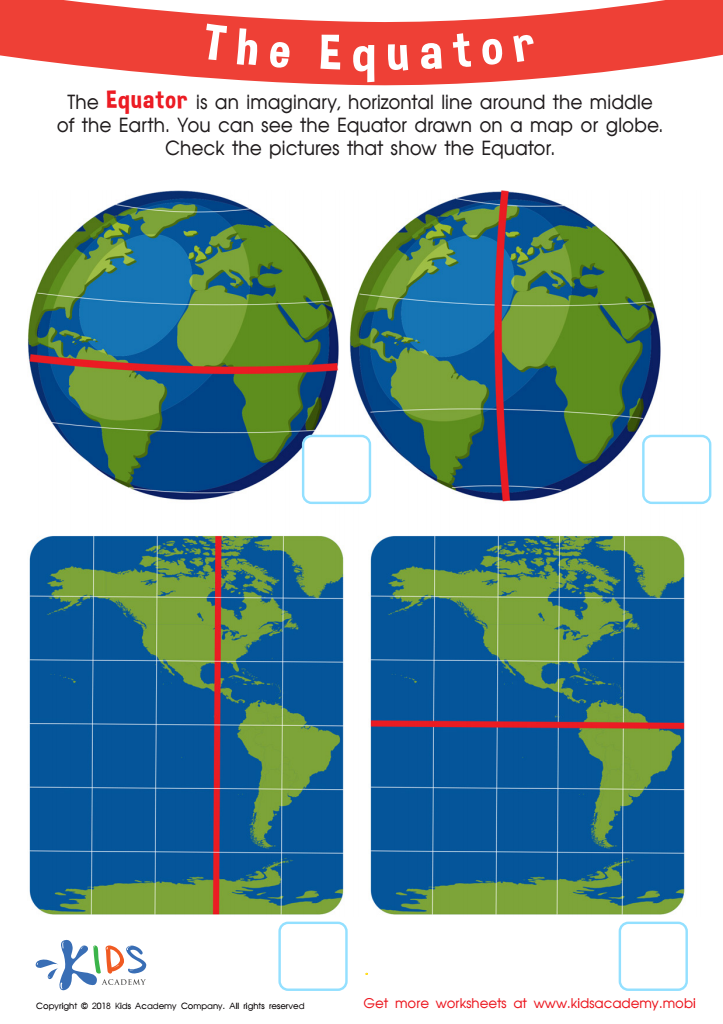
The Equator Worksheet
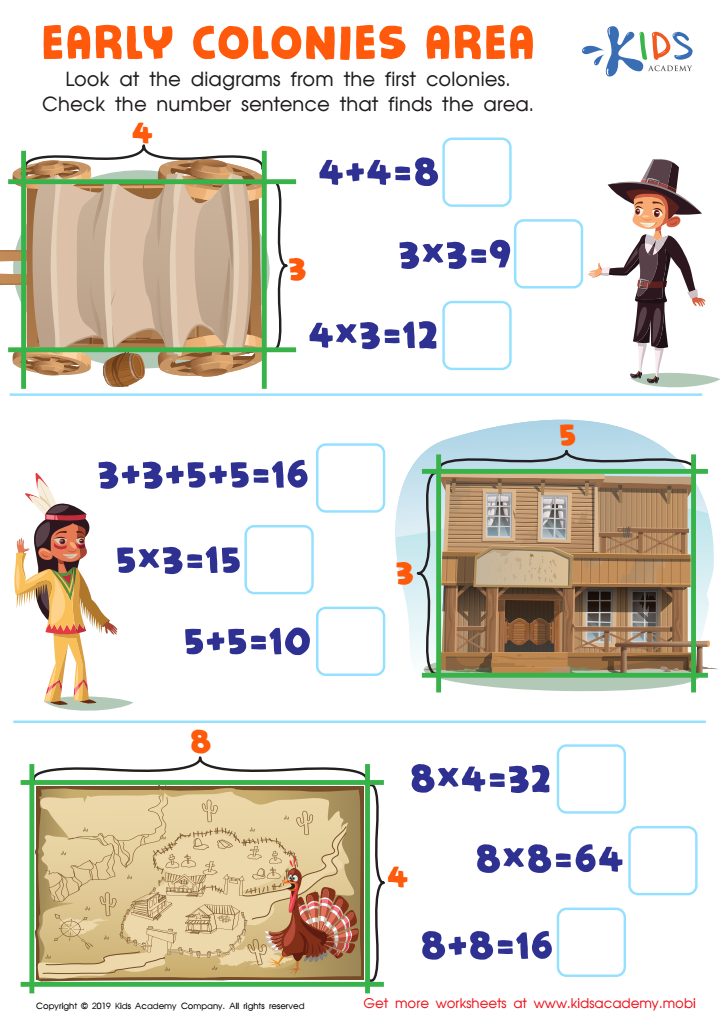
Early Colonies Area Worksheet
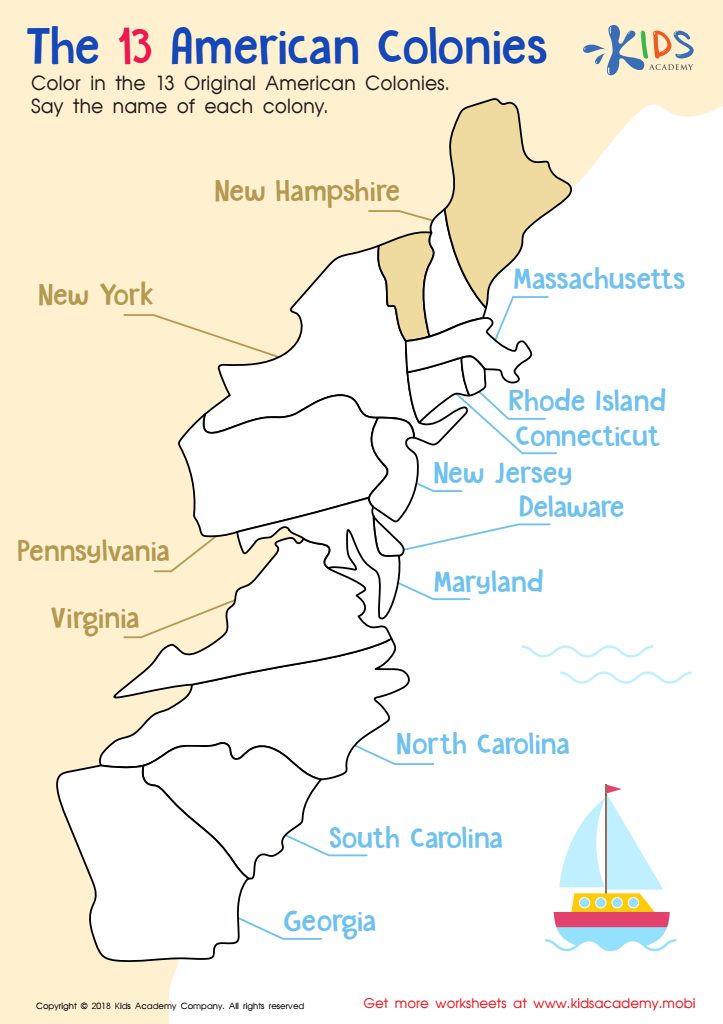
The 13 American Colonies Worksheet
 Assign to My Students
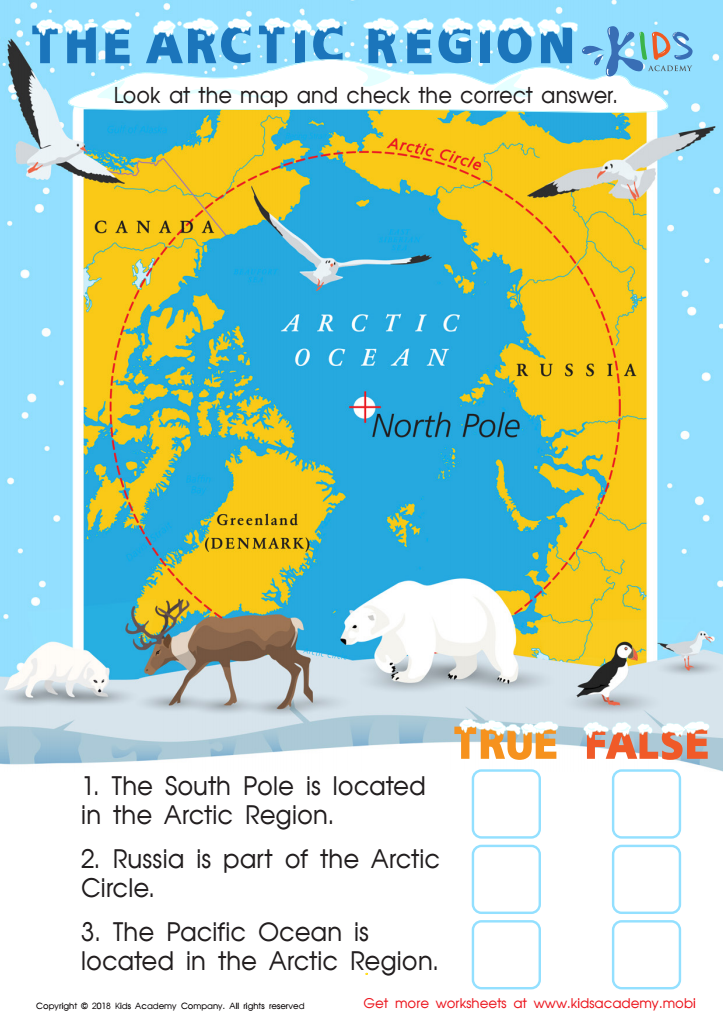
The Arctic Region Worksheet
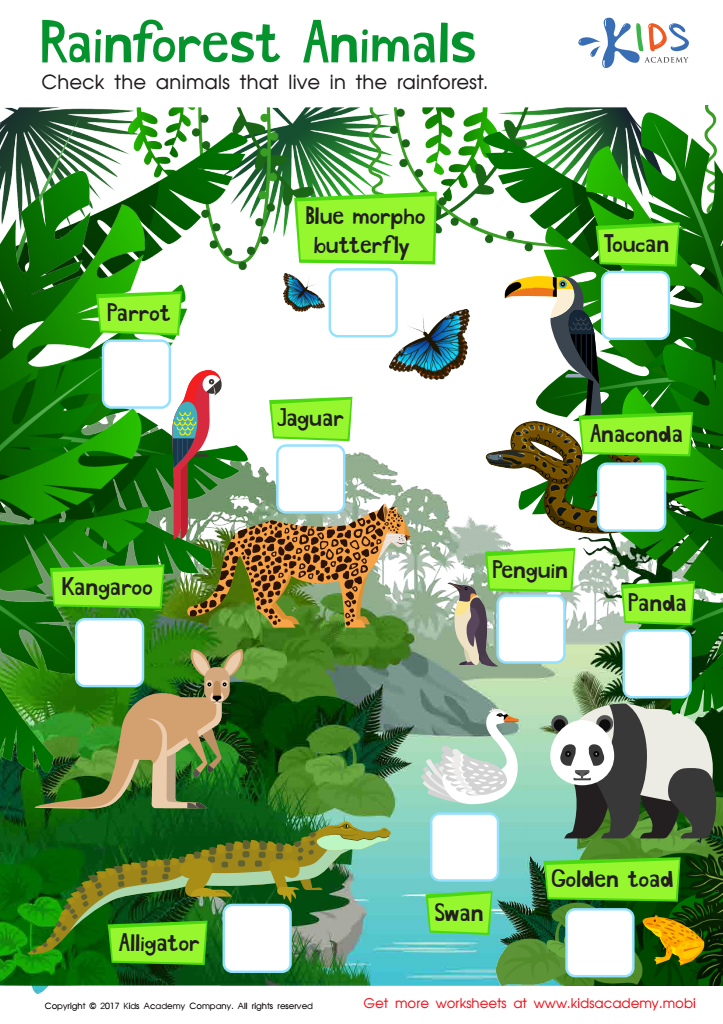
Rainforest Animals Worksheet






Understanding geographic knowledge is crucial for children ages 5-9 as it lays the foundation for their awareness of the world. At this age, children are naturally curious about their surroundings, and geographic education feeds this curiosity, helping them make sense of various places, cultures, and environments.
First, geographic knowledge promotes critical thinking skills. It encourages children to explore questions like “Where am I?” and “What makes this place unique?”, fostering their analytical abilities. Furthermore, it enhances spatial awareness—understanding maps, directions, and physical locations—which is essential in daily life.
Additionally, it instills a sense of global citizenship. When children learn about different countries, communities, and cultures, they develop empathy and respect for diversity, which are essential traits in today’s interconnected world. Children who grasp geographic concepts are better equipped to engage in conversations about global issues such as climate change and cultural differences.
Finally, early exposure to geography helps in the development of memory and literacy skills as they learn vocabulary related to places, landscapes, and human activities. Ultimately, by fostering geographic knowledge, parents and teachers are empowering children to navigate and thrive in an increasingly complex world. It’s an investment in their growth as informed and responsible individuals.








