Identifying Animals Worksheets for Ages 5-9
10 filtered results
-
From - To
Discover our engaging "Identifying Animals Worksheets for Ages 5-9," designed to enhance your child's learning experience through fun and interactive activities. These worksheets encourage young learners to explore various animal species, recognize their habitats, and understand their characteristics. With vibrant illustrations and age-appropriate content, students will develop essential skills while improving their critical thinking and observational abilities. Ideal for homeschooling or classroom use, each worksheet supports early grade educators' goals by focusing on key learning skills. Foster a love for wildlife and nature in your child as they embark on their journey of discovery and knowledge with our thoughtfully crafted materials!
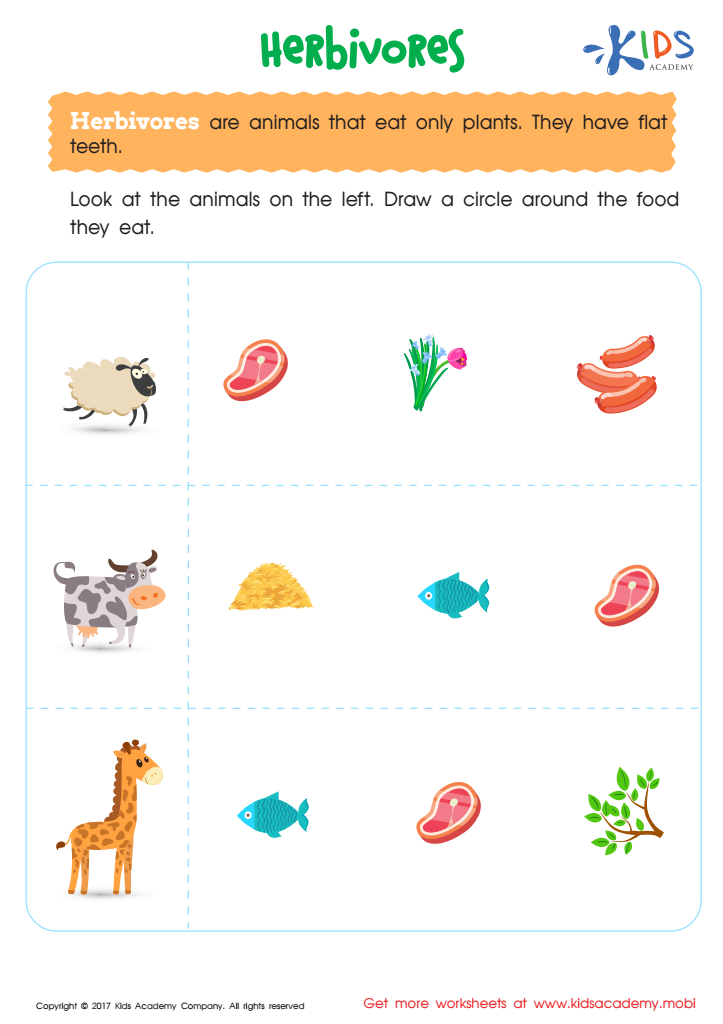
Herbivores Printable
 Assign to My Students
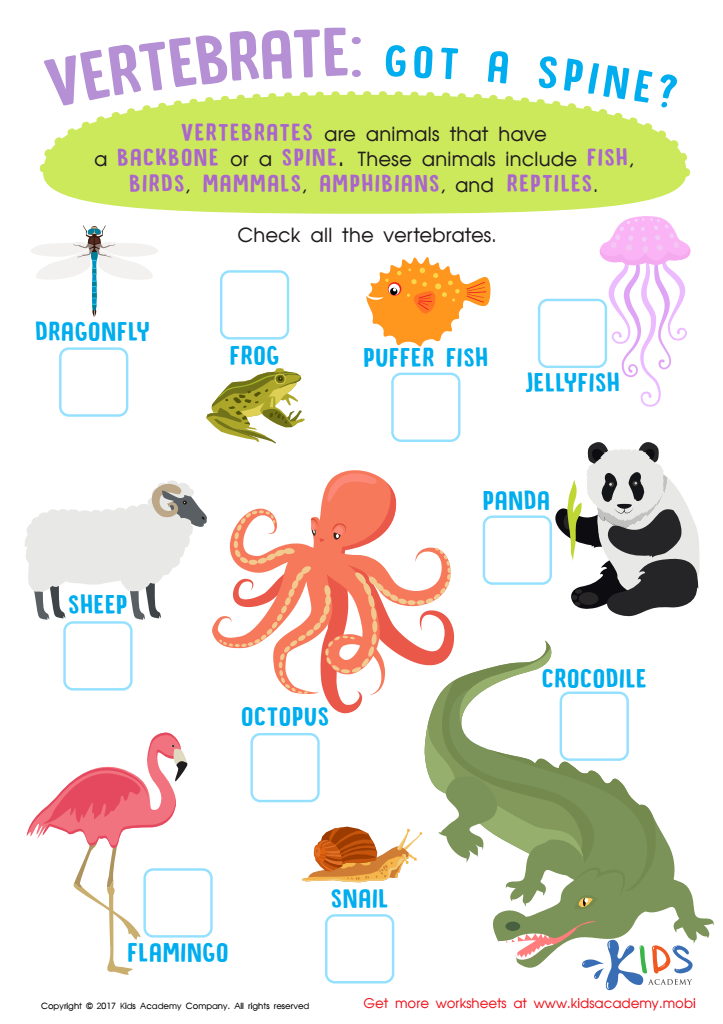
Vertebrates Animals Worksheet for 3rd Grade
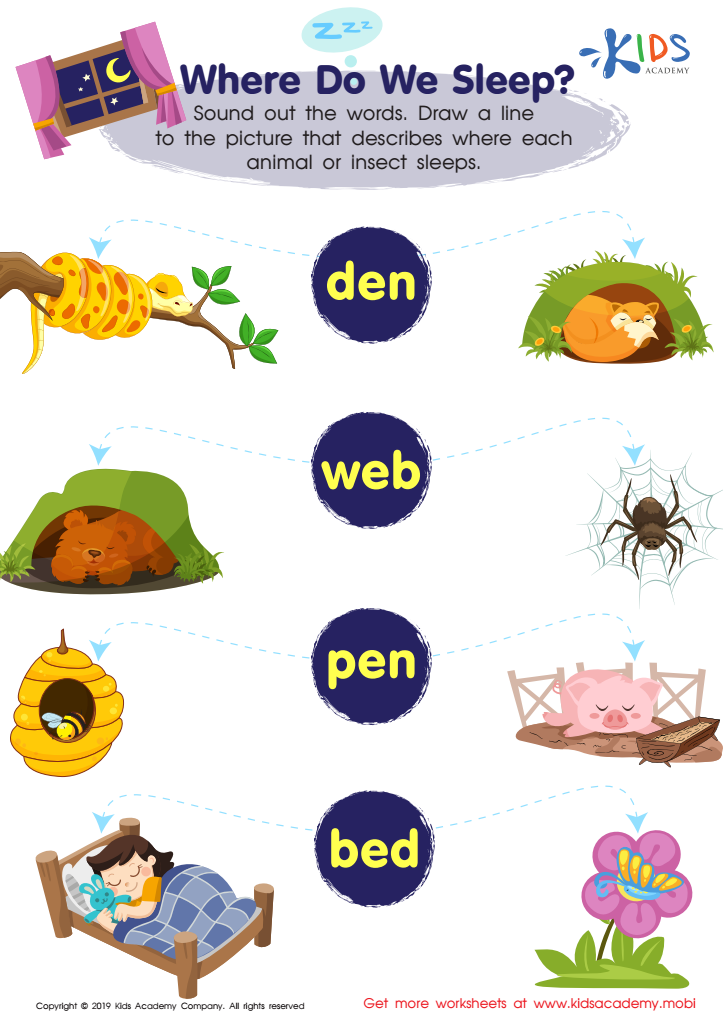
Where Do We Sleep Worksheet
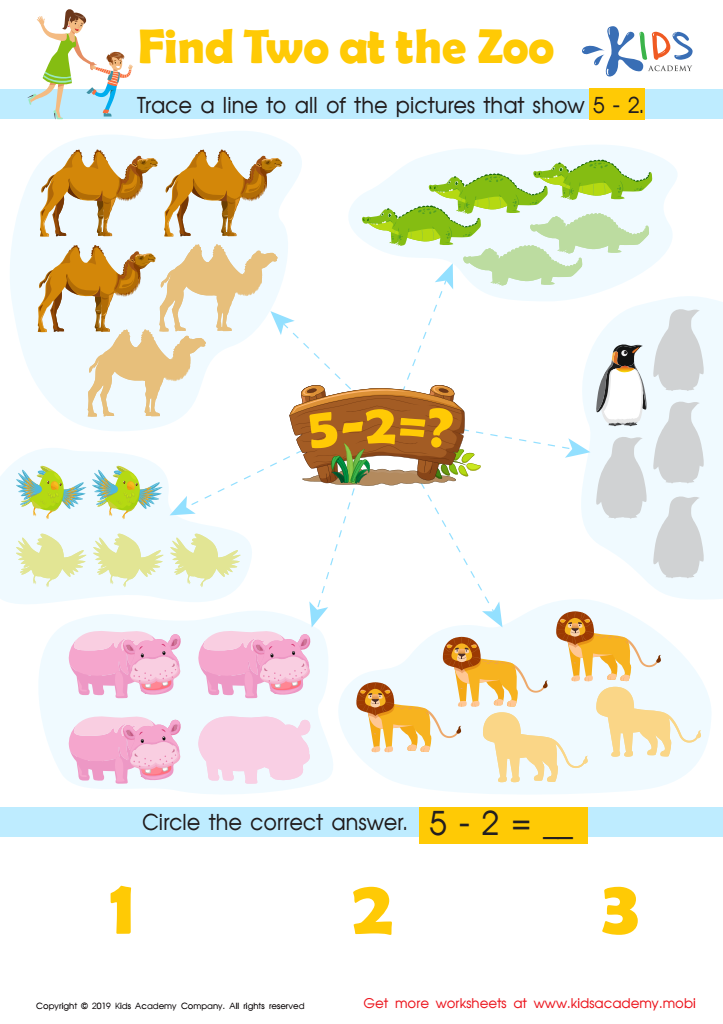
Find Two at the Zoo Worksheet
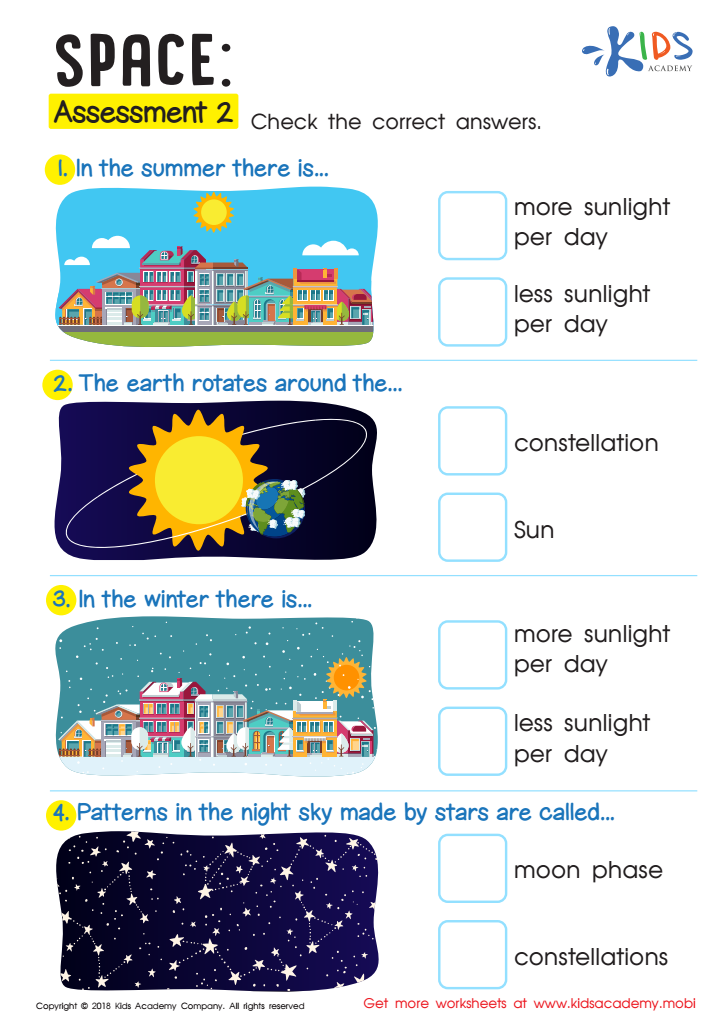
Space: Assessment 2 Worksheet
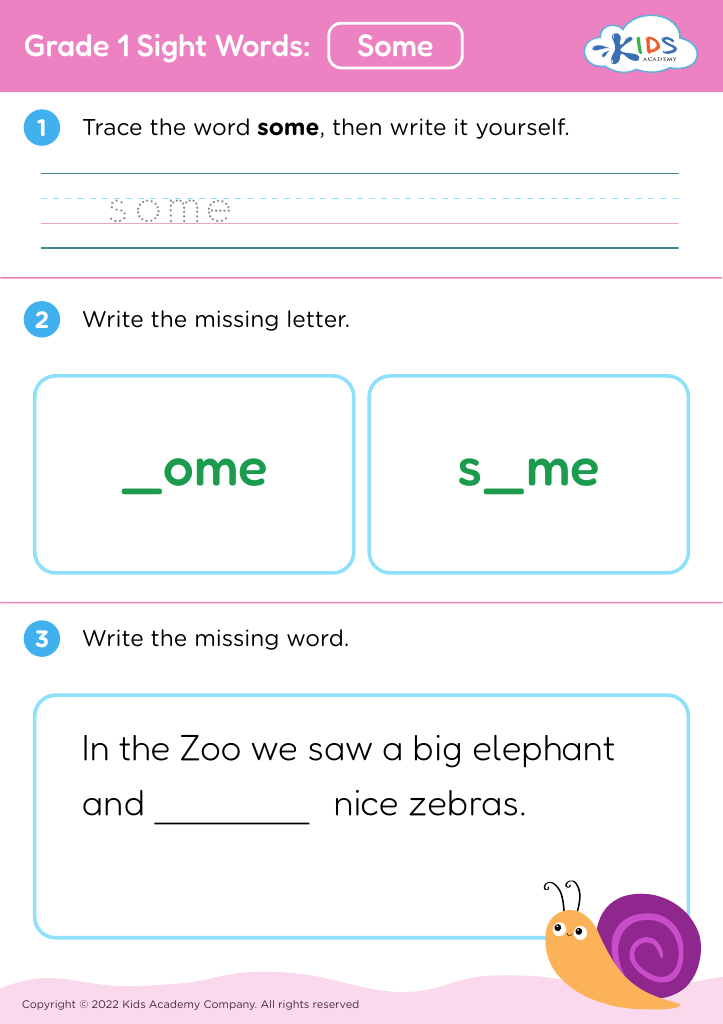








Identifying animals is a crucial aspect of early education for children aged 5-9, as it lays a foundation for their understanding of the natural world. Parents and teachers should care about this process because it fosters curiosity and encourages exploration. When children learn to identify animals, they engage in observational skills that are essential for scientific reasoning.
Moreover, recognizing different animals helps children develop vocabulary and language skills as they learn classification words and adjectives to describe various species. It also sparks critical thinking, as children start to contemplate the habitats, behaviors, and roles of animals in ecosystems.
Additionally, animal identification can promote empathy and environmental awareness. When children learn about various species and their threats, they become more conscientious stewards of the planet. This foundational knowledge cultivates a sense of responsibility for wildlife and habitats, exciting a lifelong interest.
Furthermore, including animal identification in education can make learning interactive and fun, involving activities like nature walks, art projects, and storytelling, thus catering to diverse learning styles. Ultimately, teaching children to identify animals enriches their educational experience and nurtures a well-rounded view of the world around them.








