Improve number recognition Worksheets for Ages 5-9
17 filtered results
-
From - To
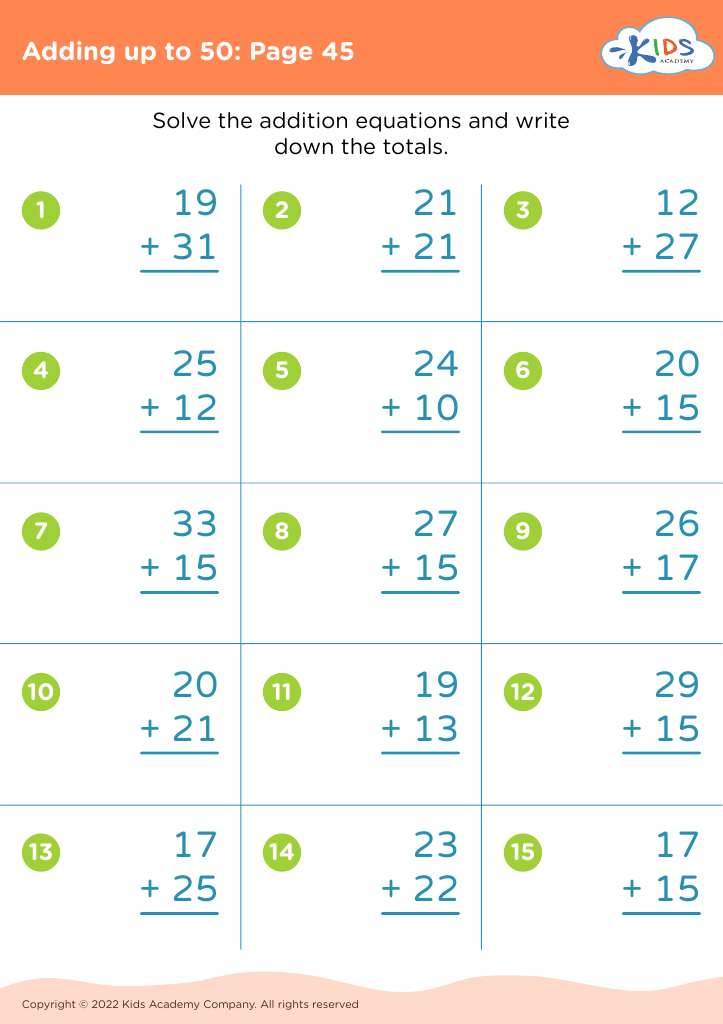
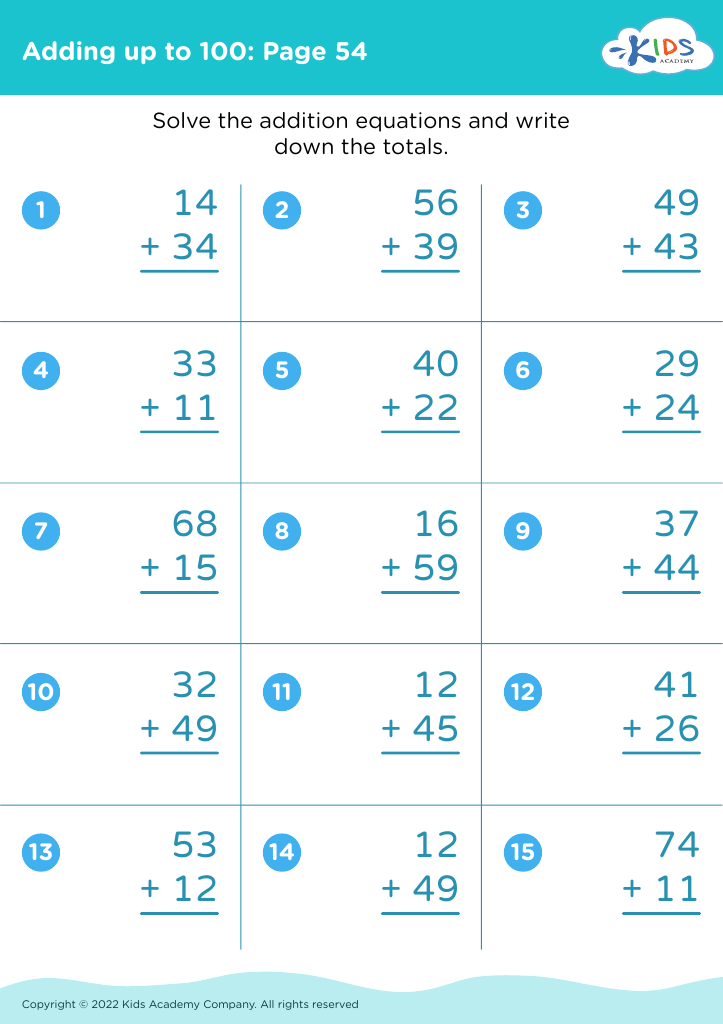
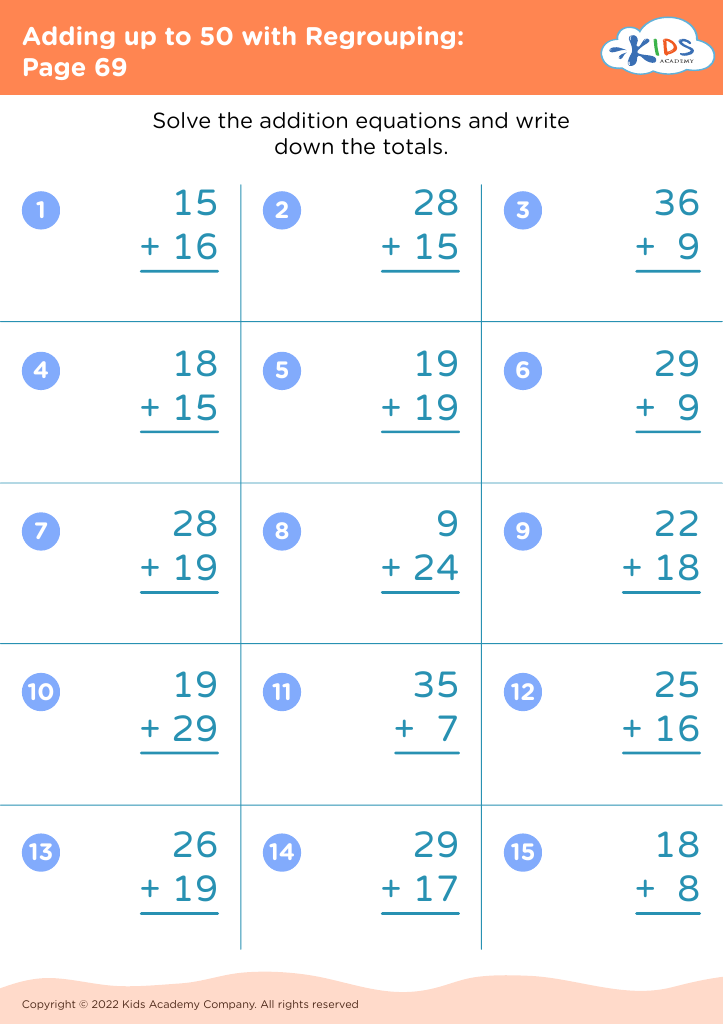
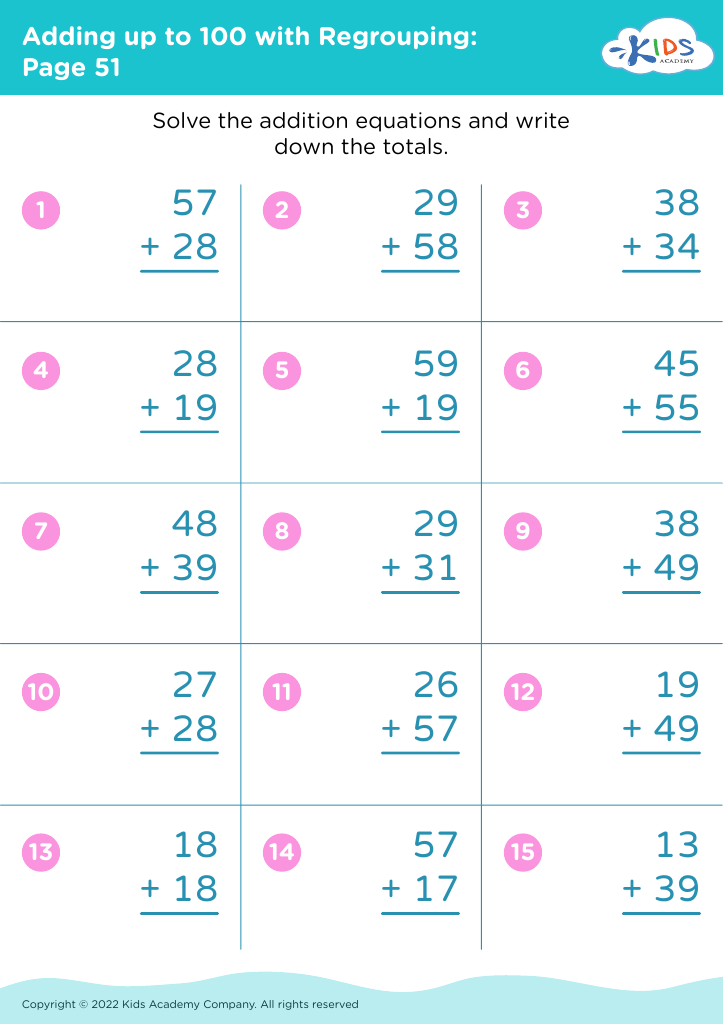
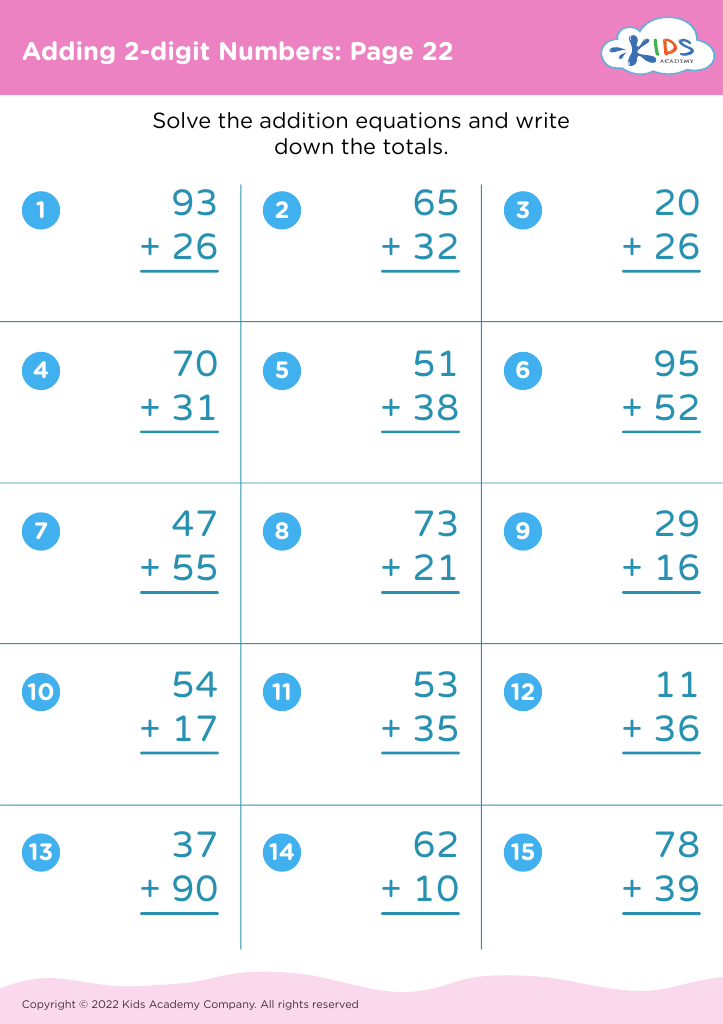
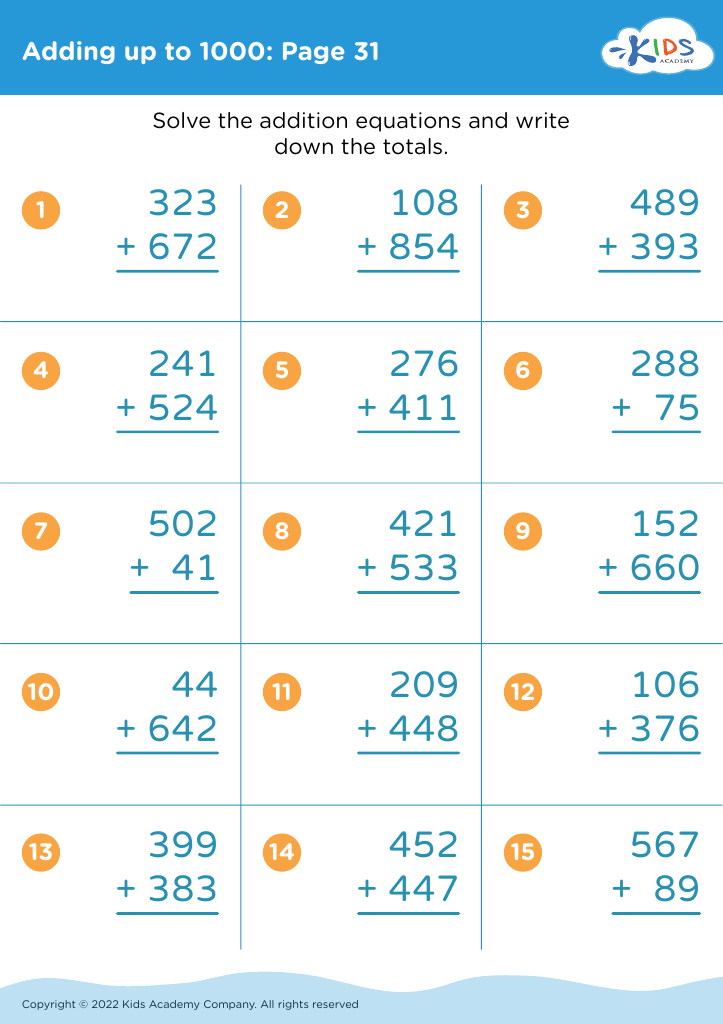
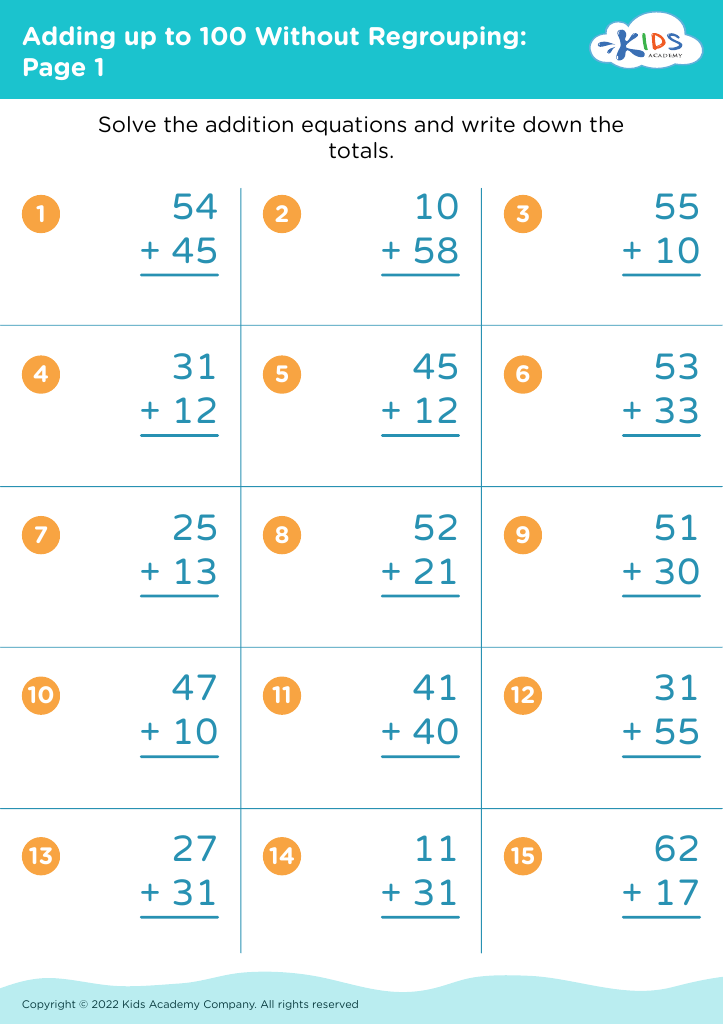
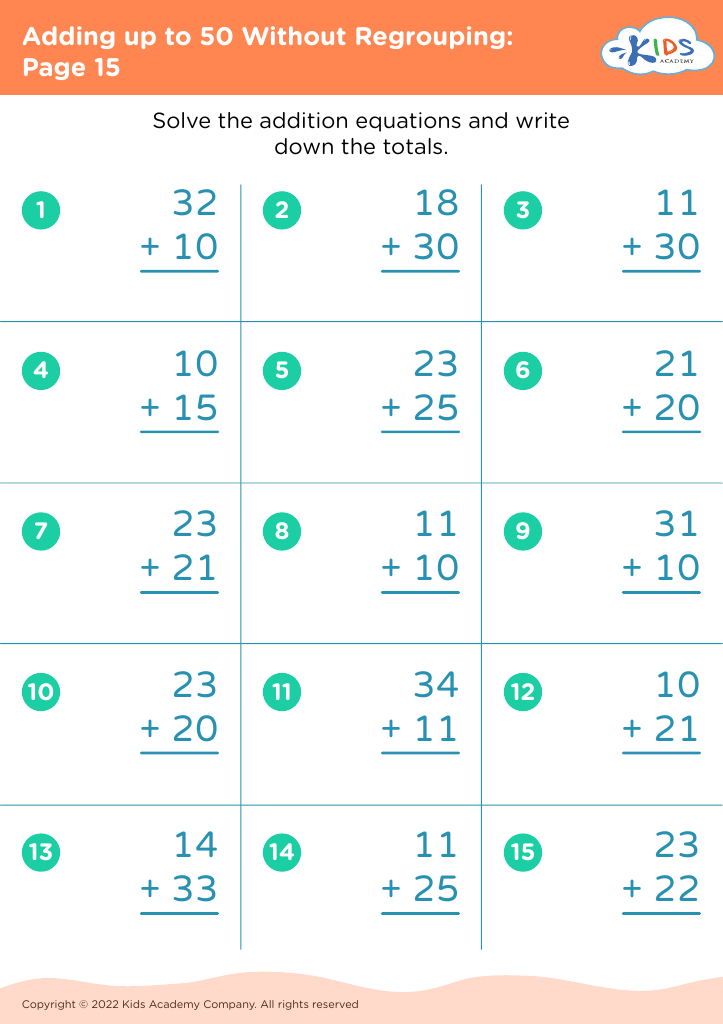
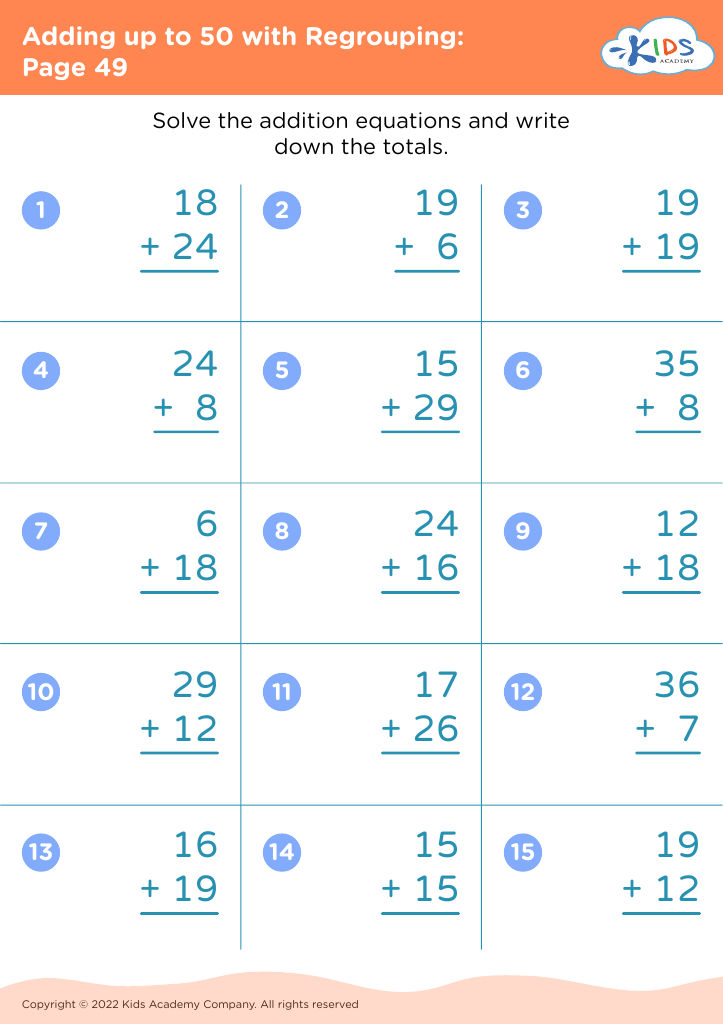
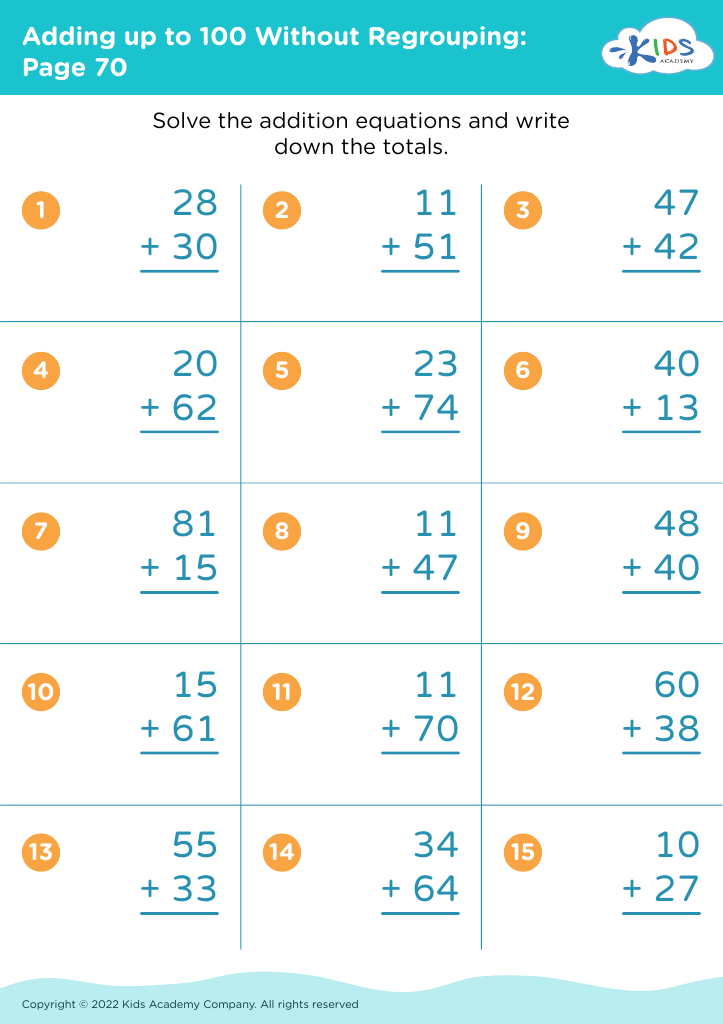
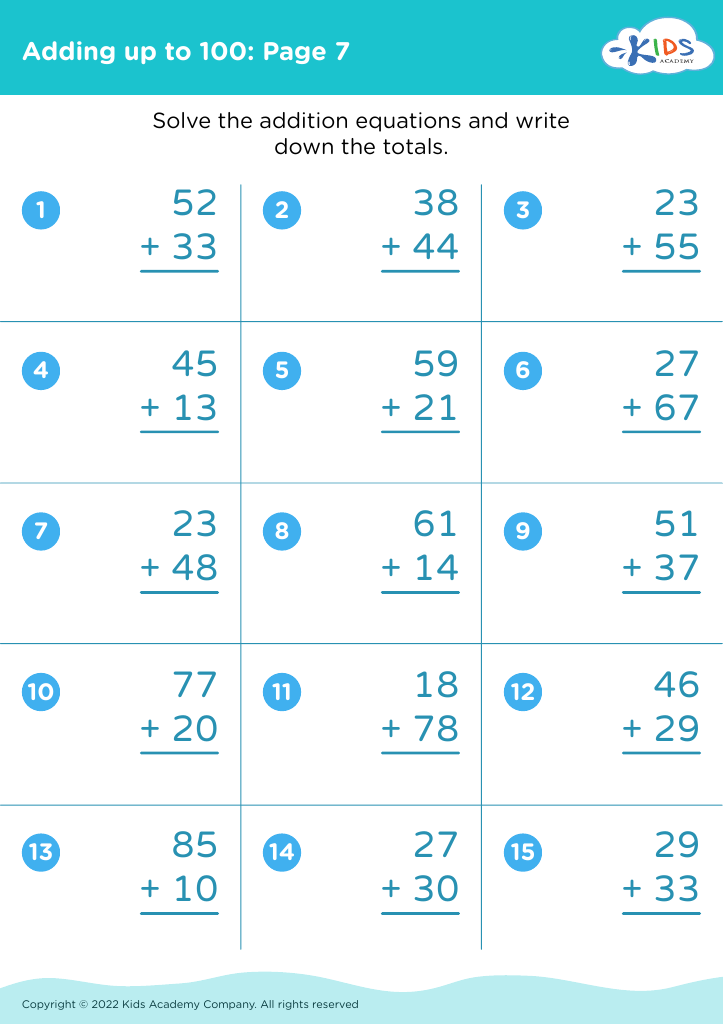
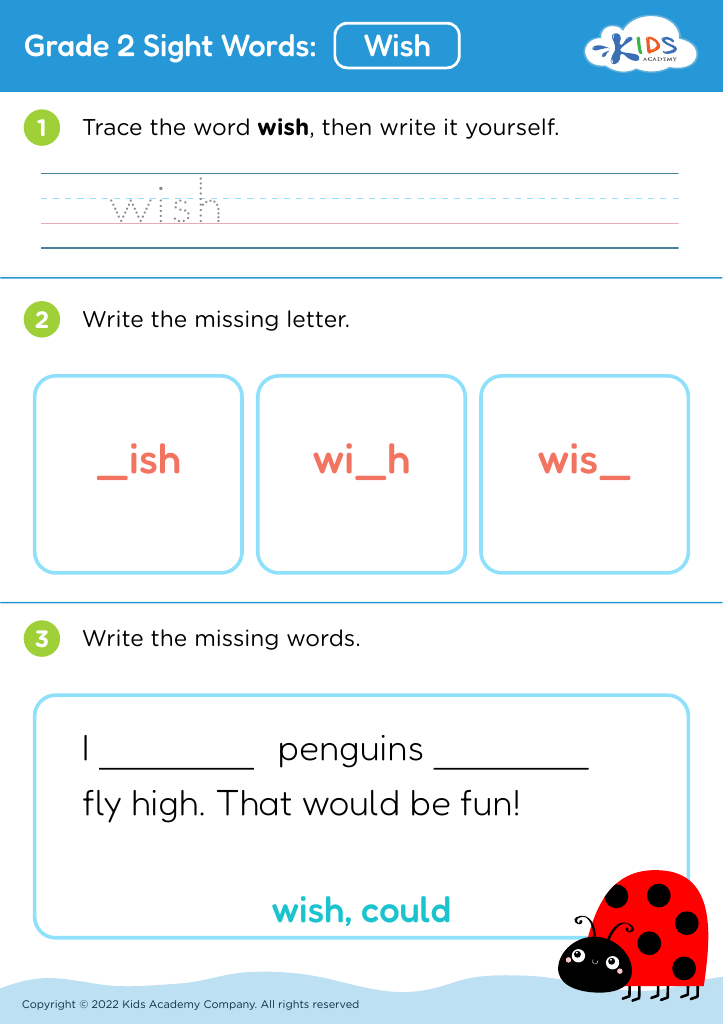
Boost your child's number recognition skills with our engaging worksheets designed for ages 5-9! Our printable resources are perfect for young learners, offering a variety of activities that make mastering numbers fun. Children will practice identifying, tracing, and writing numbers through colorful and interactive exercises that reinforce their understanding. These worksheets not only enhance mathematical skills but also promote fine motor development and cognitive growth. Parents and teachers can easily download and print these activities to complement classroom learning or enhance home education. Explore our number recognition worksheets today and watch your child's confidence in numbers soar!
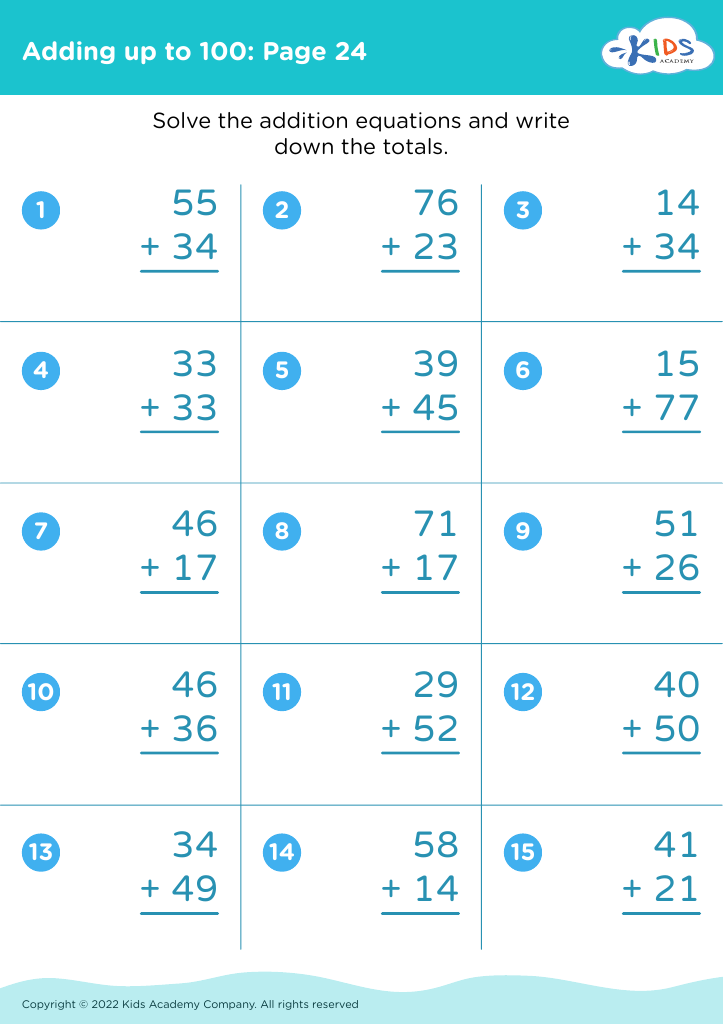
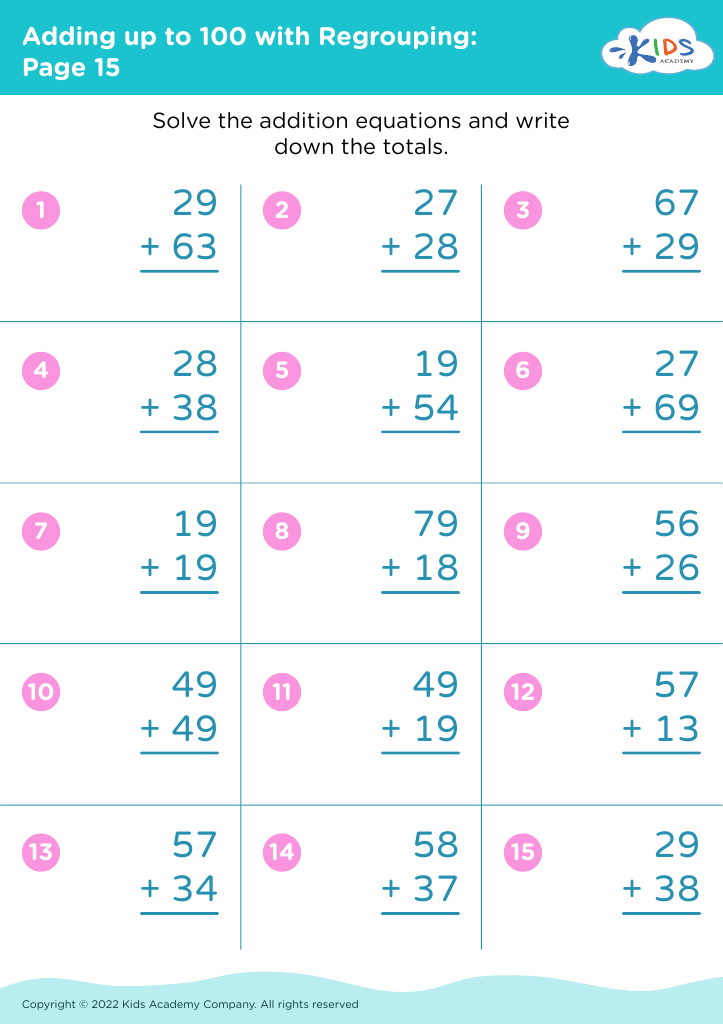
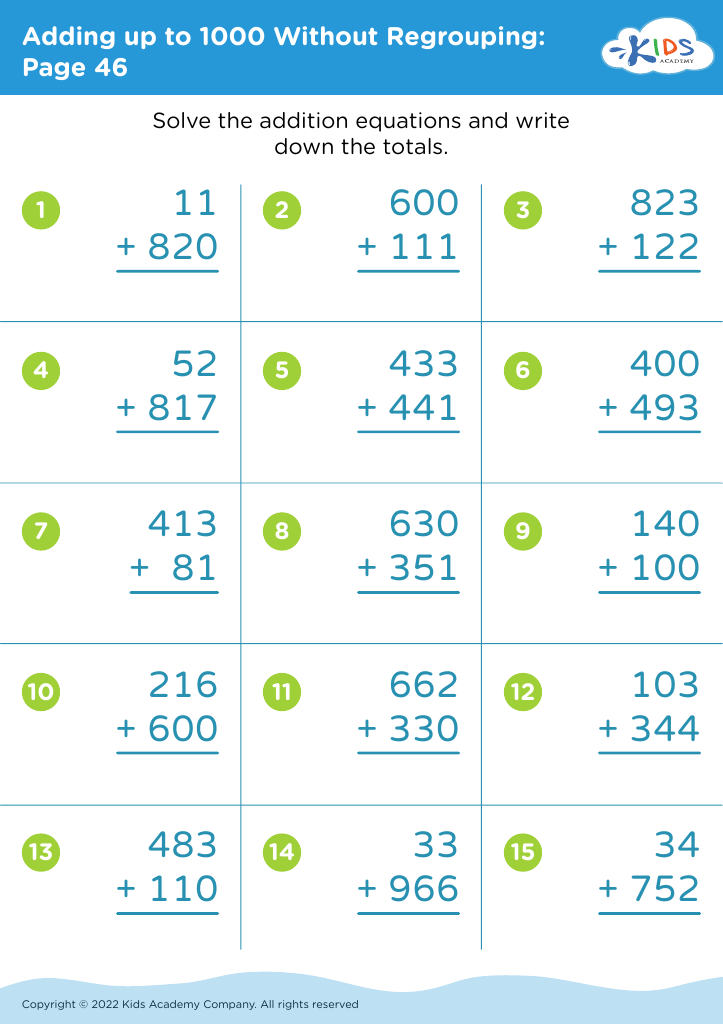
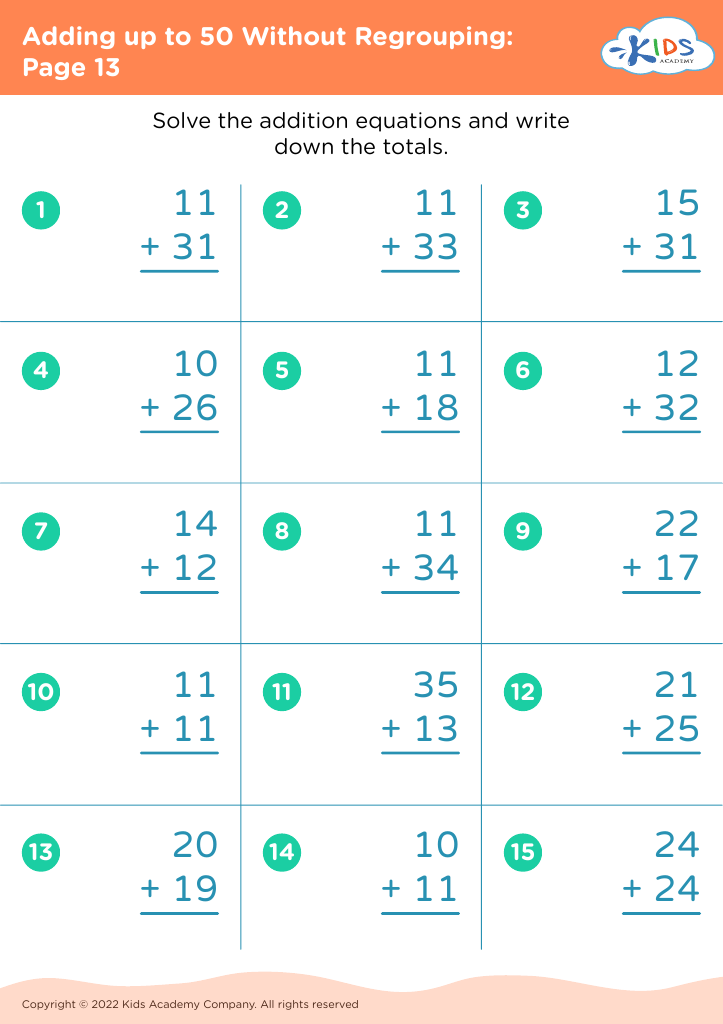
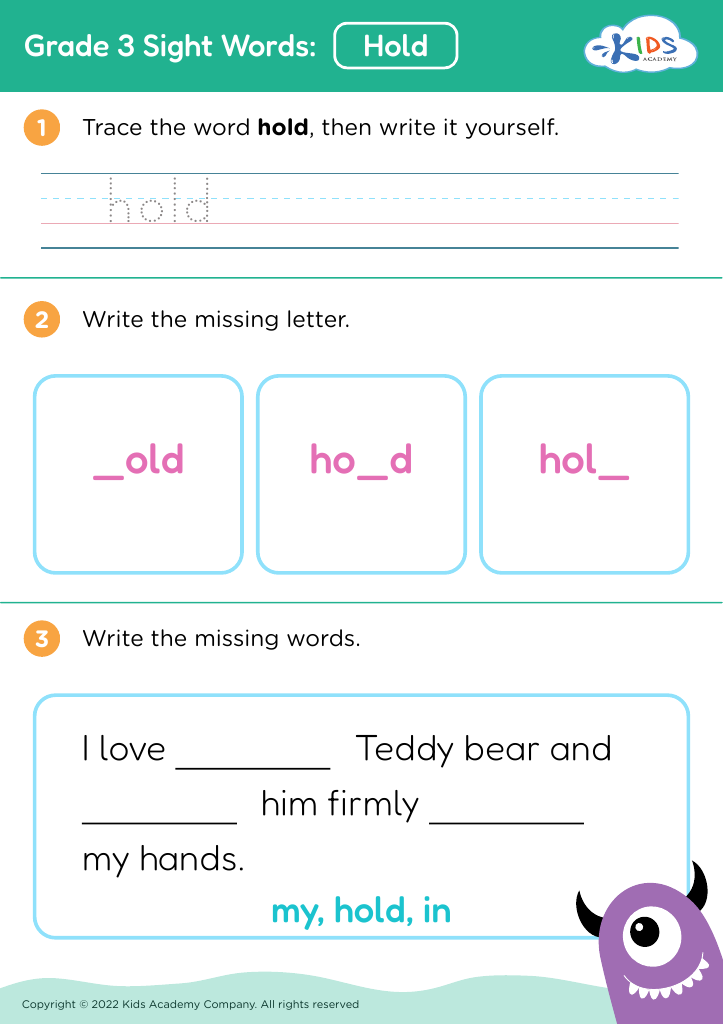








Number recognition is a foundational skill that significantly influences a child's success in mathematics and overall academic achievement. For parents and teachers of children aged 5 to 9, fostering number recognition is essential as it lays the groundwork for future learning. This skill helps children understand basic mathematical concepts, including counting, addition, and subtraction, directly impacting their problem-solving abilities.
When children are proficient in recognizing numbers, they gain confidence, enabling them to participate actively in classroom discussions and activities. Mastery of number recognition not only supports math skills but also sharpens cognitive abilities, promoting logical reasoning and critical thinking.
Moreover, early numeracy skills are indicative of later academic performance. Research shows that children with strong number recognition skills often excel in higher-level math concepts as they progress through their education.
Teachers and parents can work collaboratively to create engaging activities and experiences that reinforce number recognition at home and in the classroom. Incorporating fun games, counting exercises, and practical applications during daily routines helps make learning enjoyable and meaningful.
Ultimately, prioritizing number recognition not only benefits children in their immediate educational environment but also equips them with essential life skills for their future endeavors. Investing in this key area of development at an early stage is invaluable.








