Mathematics skills Worksheets for Ages 5-9
3 filtered results
-
From - To
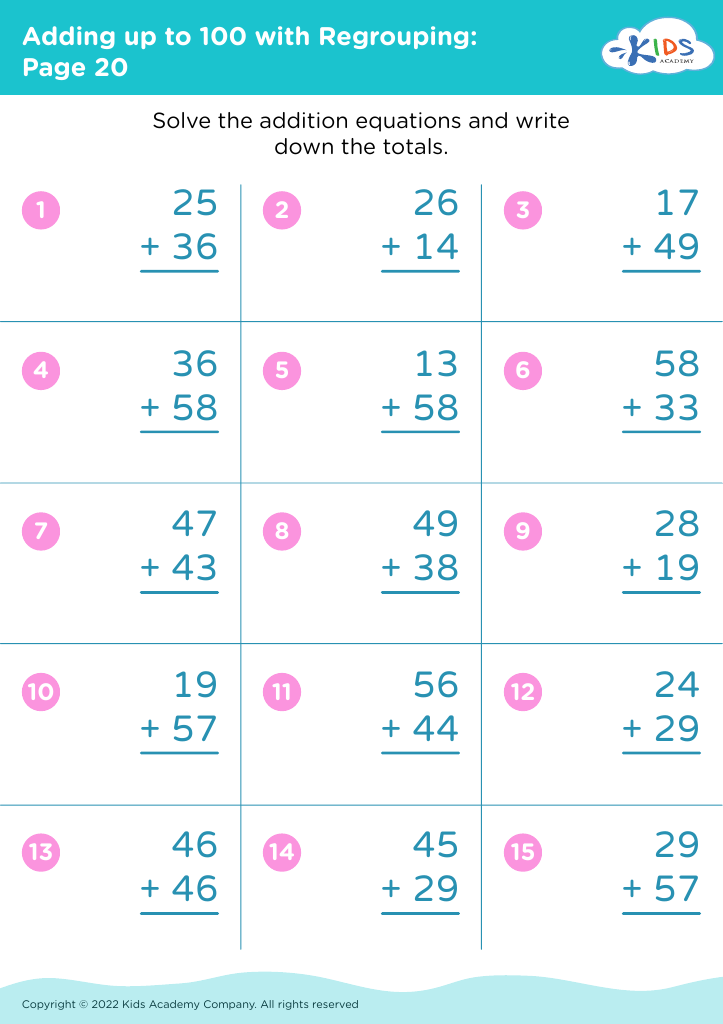
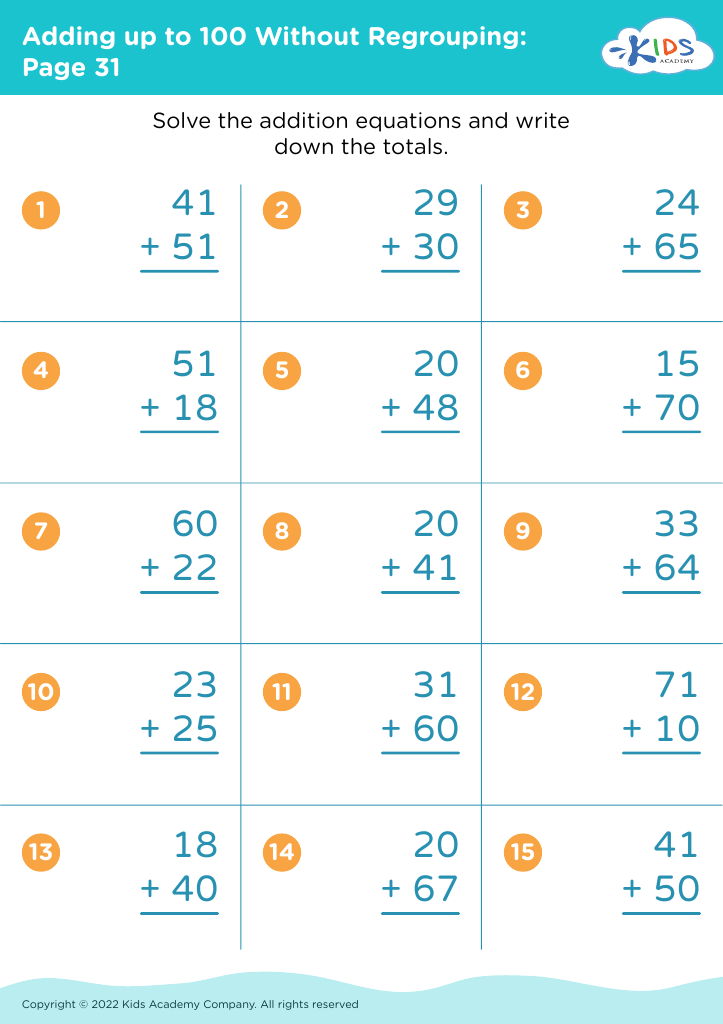
Discover engaging and interactive mathematics skills worksheets designed specifically for children aged 5-9. Our carefully crafted materials encompass essential math concepts such as counting, addition, subtraction, and basic geometry, ensuring a solid foundation for young learners. The worksheets are colorful and playful, making math enjoyable and accessible for early learners. Kids can practice at their own pace, reinforce their skills, and gain confidence in their mathematical abilities. Ideal for use at home or in the classroom, these worksheets support a variety of learning styles and help spark a lifelong interest in math. Explore our collection today to inspire your child’s love for learning!
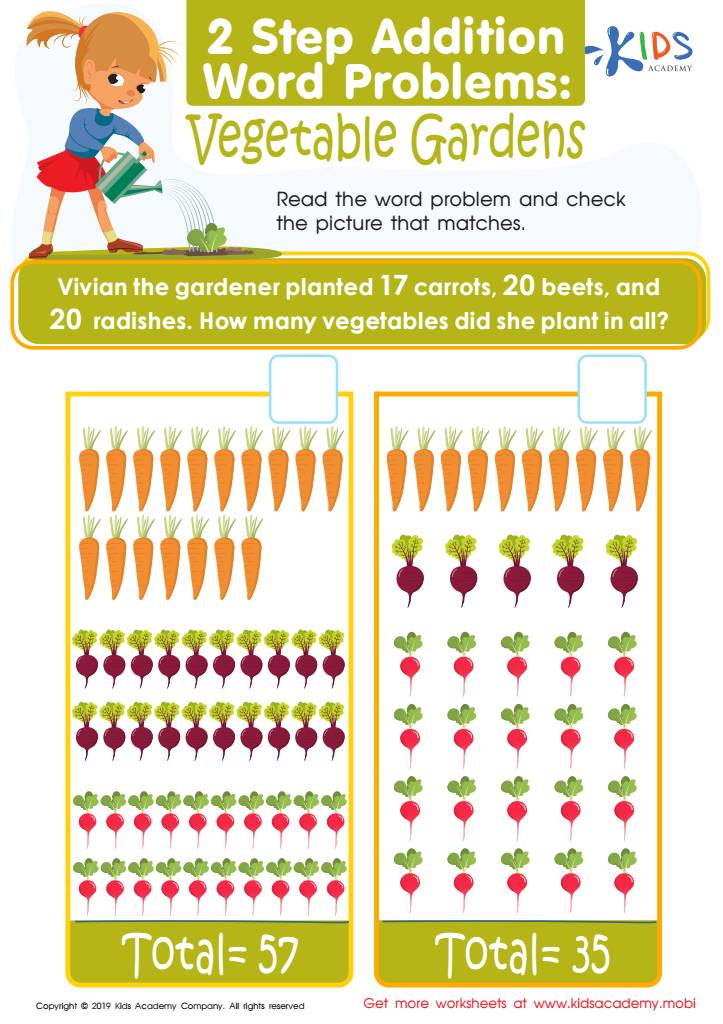
Vegetable Gardens Worksheet
 Assign to My Students






.jpg)
Mathematics skills are crucial for children aged 5-9 as they lay the foundation for future learning, critical thinking, and problem-solving abilities. At this age, children develop essential numeracy skills, including counting, basic addition and subtraction, and understanding patterns and relationships. These skills are not just important academically; they also play a vital role in daily life, helping children make sense of the world around them.
Moreover, early math skills are linked to later academic success. Research indicates that children who are proficient in math during the early years tend to perform better in school overall, paving the way for higher education opportunities. Additionally, fostering a positive attitude towards math at a young age helps diminish math anxiety, allowing students to approach the subject with confidence as they progress through their education.
Furthermore, math encourages logical reasoning and cognitive development, which are essential for effective decision-making and analytical thinking. For parents and teachers, investing time and resources into enhancing math skills during these formative years can significantly impact a child's overall growth and future prospects. Engaging in enjoyable math-related activities at home or in the classroom can nurture children's curiosity and love for learning, establishing a strong academic foundation for years to come.








