Musical instrument recognition Worksheets for Ages 5-9
3 filtered results
-
From - To
Enhance your child's musical journey with our engaging "Musical Instrument Recognition Worksheets for Ages 5-9"! Designed to captivate young learners, these printable worksheets help kids identify and differentiate various musical instruments through fun activities and vibrant illustrations. Perfect for blending play and education, each worksheet strengthens auditory and visual recognition skills while fostering a love for music. Whether it’s for home use or classroom instruction, these resources provide hours of educational fun. Encourage your budding musician and make learning an enjoyable experience with our expertly crafted worksheets. Let's spark a lifelong appreciation for the melodies around us!
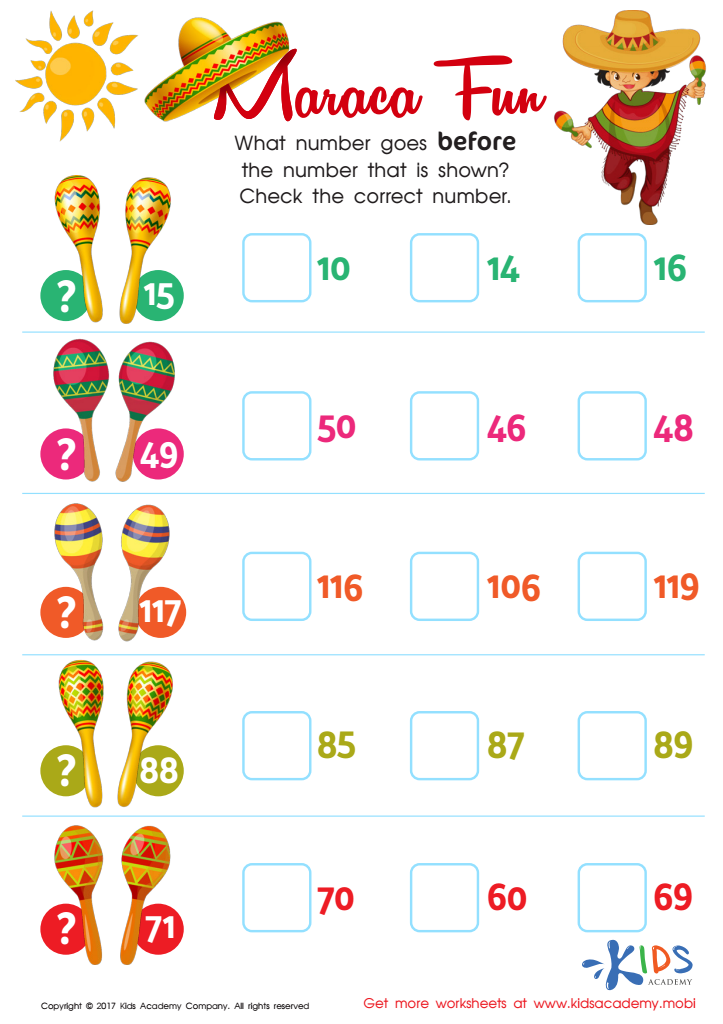
Counting: Maraca Fun Worksheet
 Assign to My Students
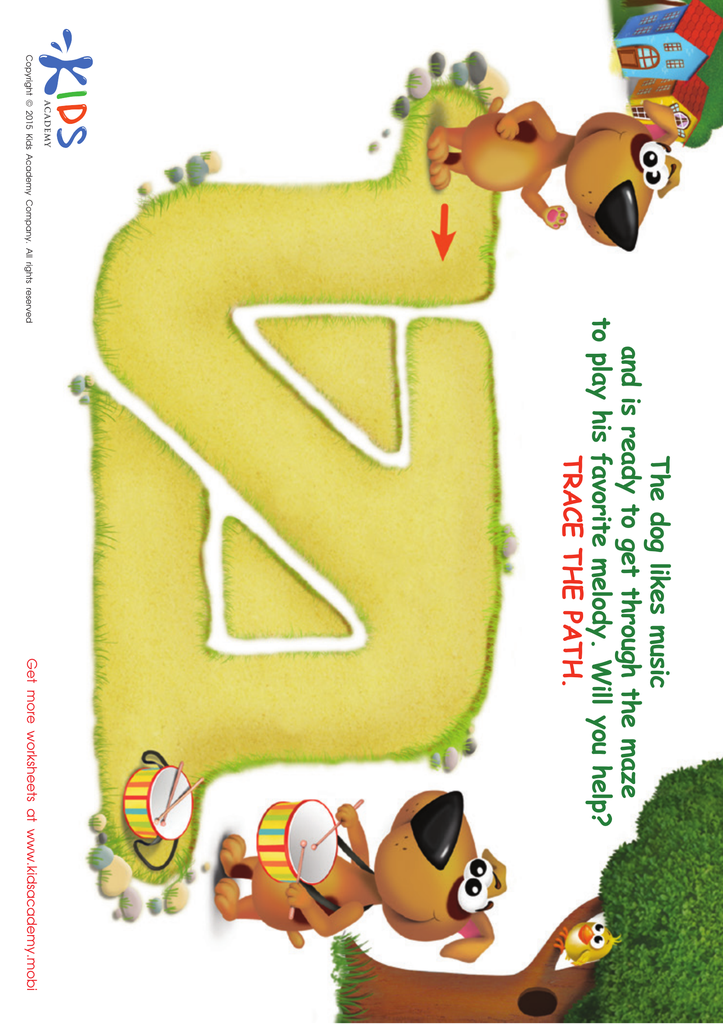
Drummer Maze Worksheet
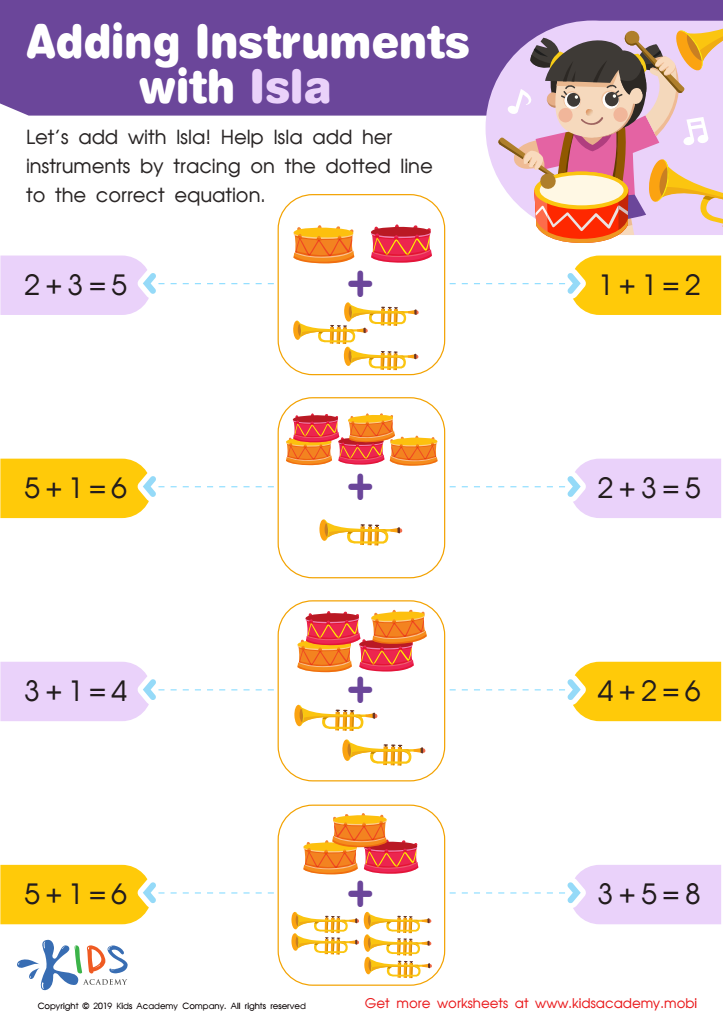
Adding Instruments with Isla Worksheet





Recognizing musical instruments at a young age, especially during the critical developmental period of ages 5-9, holds significant importance for both parents and teachers. This recognition cultivates various cognitive, social, and emotional benefits that support holistic child development.
First, understanding musical instruments enhances auditory discrimination skills. Children learn to differentiate sounds and identify patterns, which are foundational for language development and reading skills. This fosters better academic performance.
Second, this knowledge expands a child's cultural and artistic appreciation. Exposure to diverse musical instruments can spark interest in global cultures and arts, enriching their cultural awareness and empathy.
Moreover, it boosts fine motor skills and hand-eye coordination when children explore playing these instruments. This contributes to improved dexterity and can enhance performance in other non-musical activities requiring precision.
Engagement with musical instruments also supports emotional development. It provides a wonderful outlet for self-expression, helping children articulate their feelings and enhancing emotional intelligence.
Recognizing and interacting with musical instruments can foster collaboration and teamwork. Group activities related to music encourage social skills, such as listening, sharing, and compromising, resulting in better interpersonal relationships.
Therefore, encouraging musical instrument recognition during early childhood builds a foundation for lifelong learning and growth, emphasizing the value of incorporating music education into their daily experiences.








