
Number tracing Worksheets for Ages 5-9
4 filtered results
Difficulty Level
Grade
Age
-
From - To
Subject
Activity
Standards
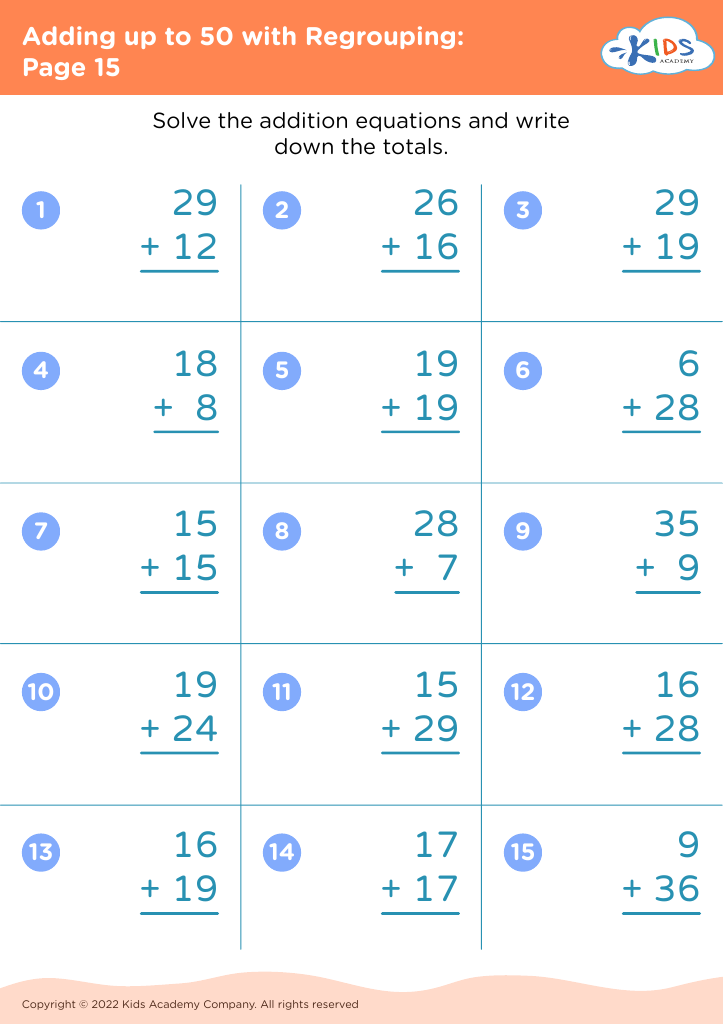
Help your child master number recognition and writing with our engaging number tracing worksheets designed specifically for ages 5-9! These interactive resources encourage fine motor skills development and promote early math literacy. Each worksheet features clear, dotted numbers for children to trace, reinforcing their understanding of number formation. Fun and visually appealing, our worksheets make learning enjoyable, encouraging children to practice counting and number identification. Suitable for use at home or in the classroom, these printables are perfect for fostering a love for math while setting a solid foundation for future learning. Download today and start your child's learning journey!
Favorites
With answer key
Interactive
 Assign to My Students
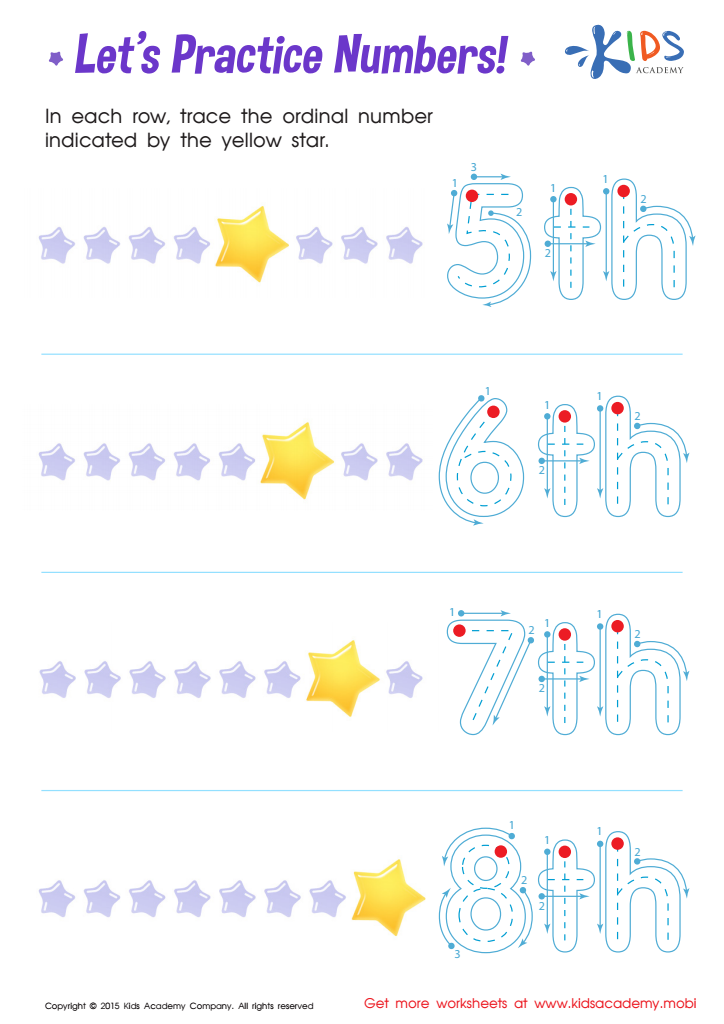
Ordinal Numbers: Let's Practice Numbers Printable
Worksheet
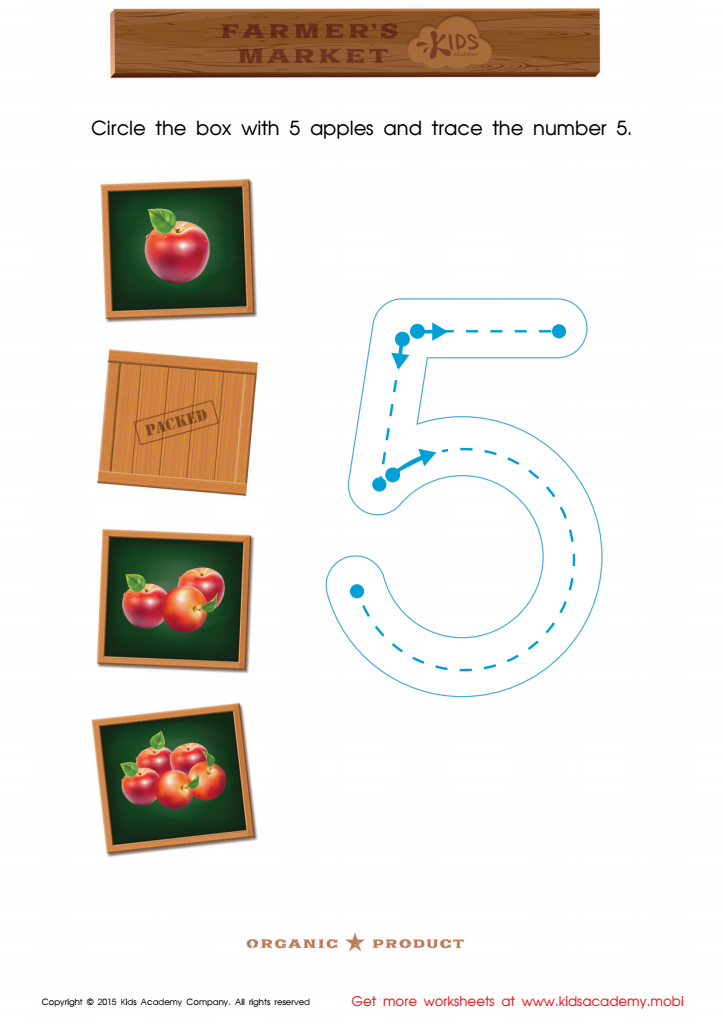
Count the Apples and Trace the Number 5 Printable
Count the juicy apples in each box, find the one with 5 and trace the number 5 following the arrows. Practice makes perfect! Print and get your little mathematician counting.
Count the Apples and Trace the Number 5 Printable
Worksheet
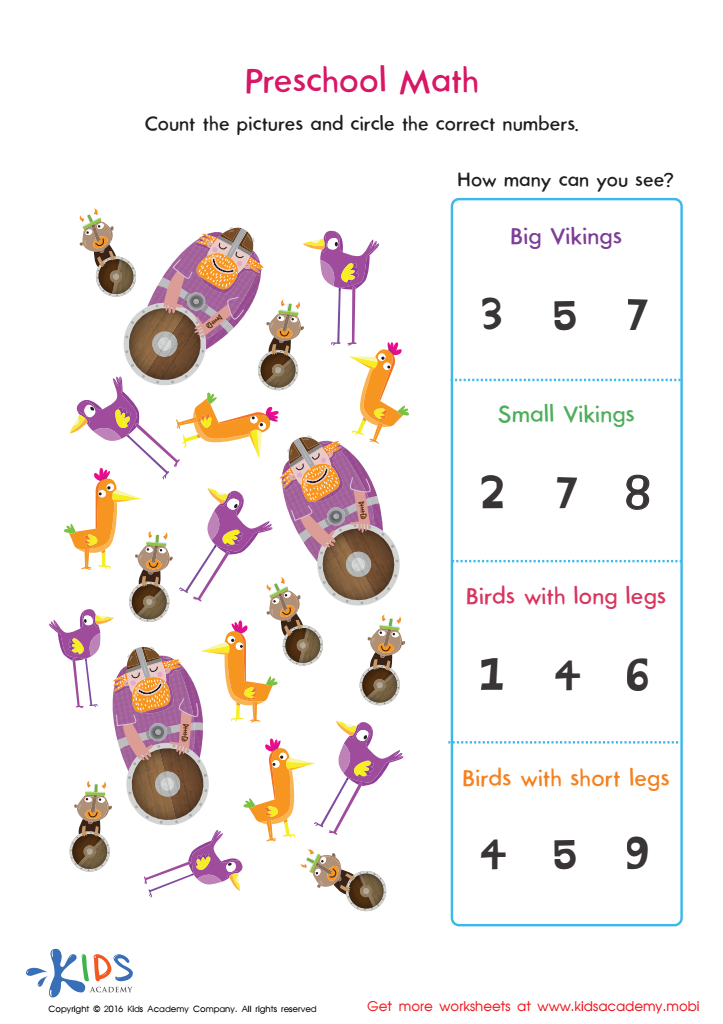
Counting Worksheet: Preschool Math
Worksheet
Join Kids Academy for Free
Who is primarily going to use this learning content?







Number tracing is a crucial skill for children aged 5 to 9, laying the foundation for their mathematical journey. By learning to trace numbers, young learners develop fine motor skills, which are vital for writing, drawing, and other hand-eye coordination tasks. This process helps to strengthen the muscles in their hands, promoting better grip and control over writing instruments.
Moreover, number tracing introduces children to number recognition and the concept of numerical order. It enhances their familiarity with how numbers are formed, facilitating their understanding of basic counting and more complex numerical operations later on. As students trace numbers, they engage in active learning, allowing them to visualize and internalize the shapes and flows of each digit.
For parents and teachers, fostering a love for numbers during these formative years is essential. It can lead to greater confidence and interest in mathematics, decreasing the anxiety that often accompanies the subject in later grades. Tracing activities are also an excellent way to incorporate play into learning, making it enjoyable and less daunting for children. Investing time in number tracing can have lasting benefits, setting the stage for future academic success and positive attitudes towards learning.








