Problem-solving ability Worksheets for Ages 5-9
5 filtered results
-
From - To
Enhance your child's problem-solving skills with our engaging worksheets designed specifically for ages 5-9! These fun and interactive resources encourage creative thinking, logic, and critical reasoning, helping young learners navigate challenges both in and out of the classroom. Each worksheet features colorful illustrations and diverse activities, such as puzzles, riddles, and scenario-based questions, ensuring a captivating experience. Perfect for parents, educators, or homeschooling, our problem-solving ability worksheets support cognitive development while keeping kids entertained. Instill confidence and adaptability in your child through enjoyable exercises that make learning a delightful adventure! Explore the variety today and watch your young ones thrive!
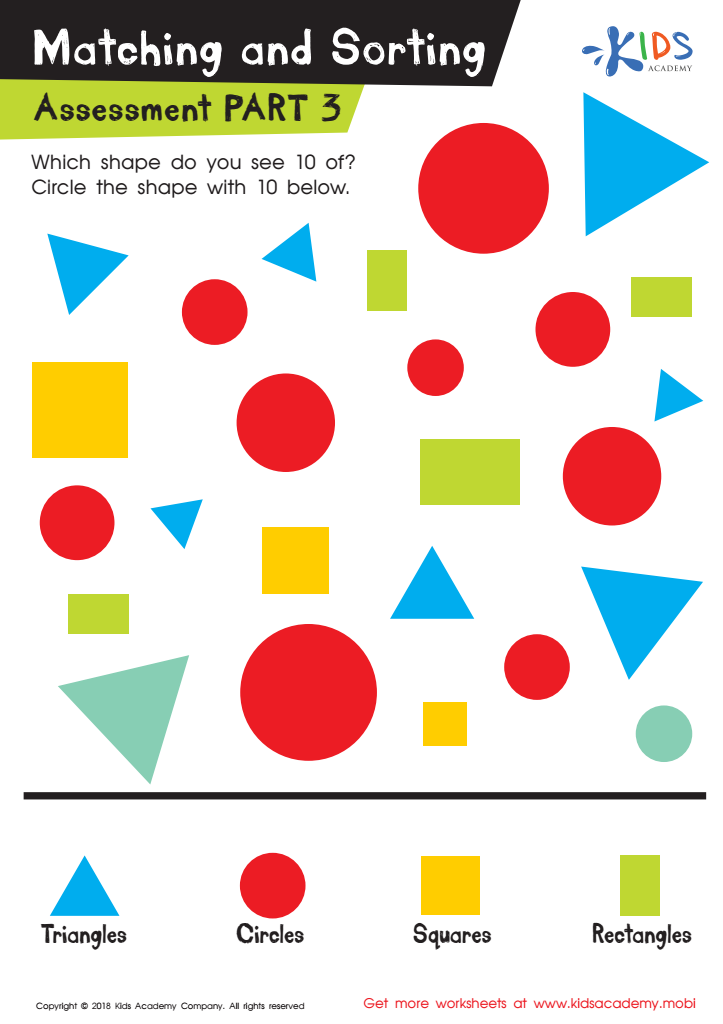
Matching and Sorting for Kindergarten: Assessment 3 Worksheet
 Assign to My Students
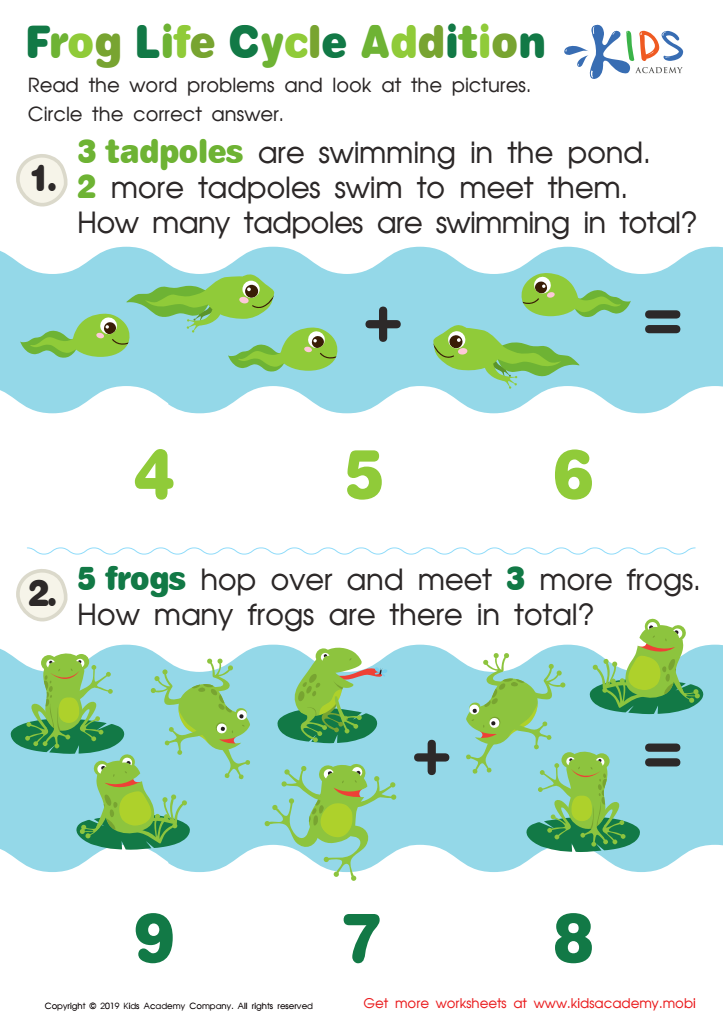
Frog Life Cycle Addition Worksheet
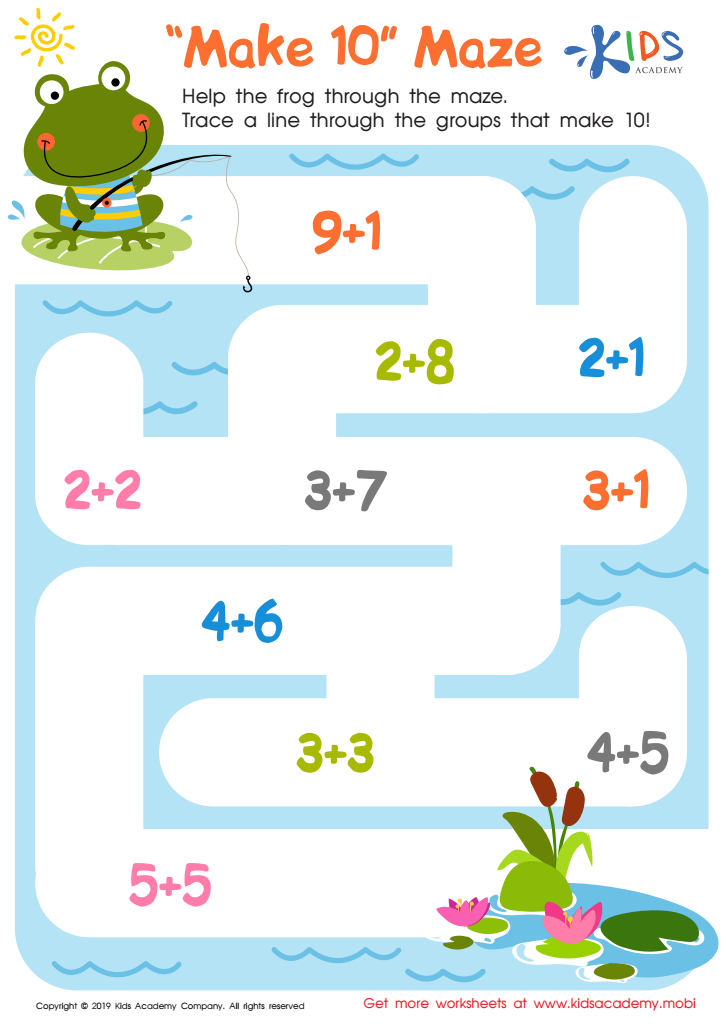
Make 10 Maze Worksheet

Animal Hide and Seek Worksheet








Problem-solving ability is crucial for children aged 5-9 as it lays the foundation for lifelong learning and critical thinking. During this developmental stage, children are naturally curious and eager to explore, making it the perfect time to cultivate their problem-solving skills.
Parents and teachers should care about fostering this ability because it enhances cognitive development, helping children learn to analyze situations, think creatively, and make informed decisions. By encouraging problem-solving, adults can support children in gaining confidence in their abilities, promoting resilience when faced with challenges.
Additionally, strong problem-solving skills align with academic success across various subjects, from math to science. Engaging children in activities that involve puzzles or cooperative games can boost their social skills and teamwork. This collaborative aspect is vital, as communication and negotiation are integral components of effectively solving problems with others.
Moreover, instilling these skills prepares children for real-world scenarios, equipping them with the tools they need to navigate obstacles throughout their lives. In summary, prioritizing problem-solving ability in early education empowers children not only in their current learning but also in becoming adaptable, resourceful adults.








