Problem Solving Worksheets for Ages 5-9 - Page 2
44 filtered results
-
From - To
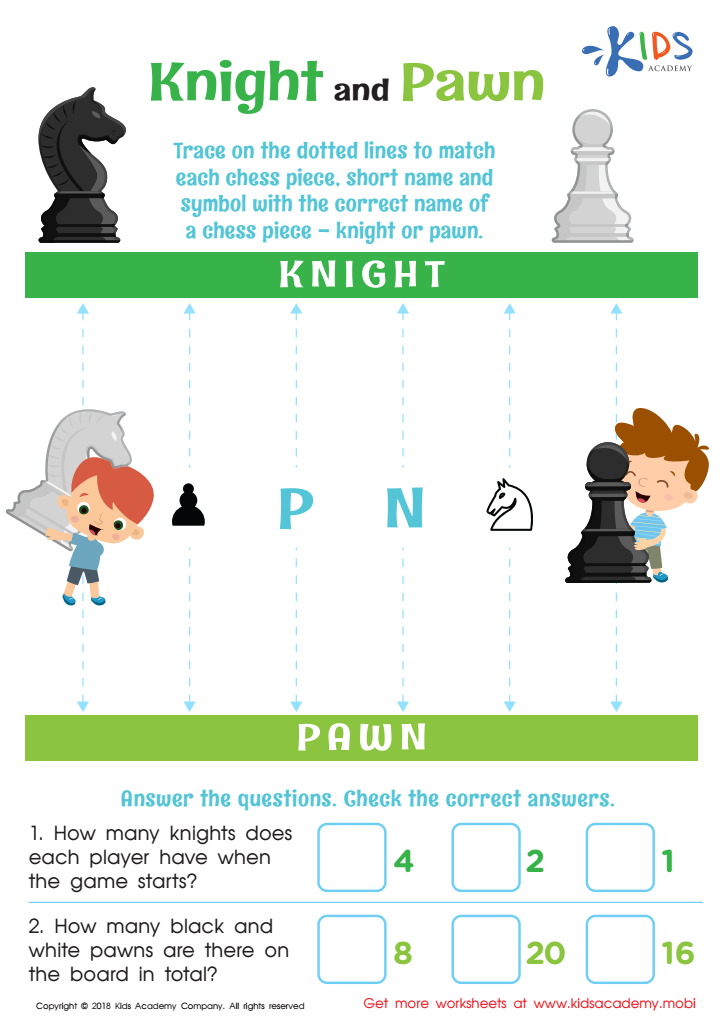
Knight and Pawn Worksheet
 Assign to My Students
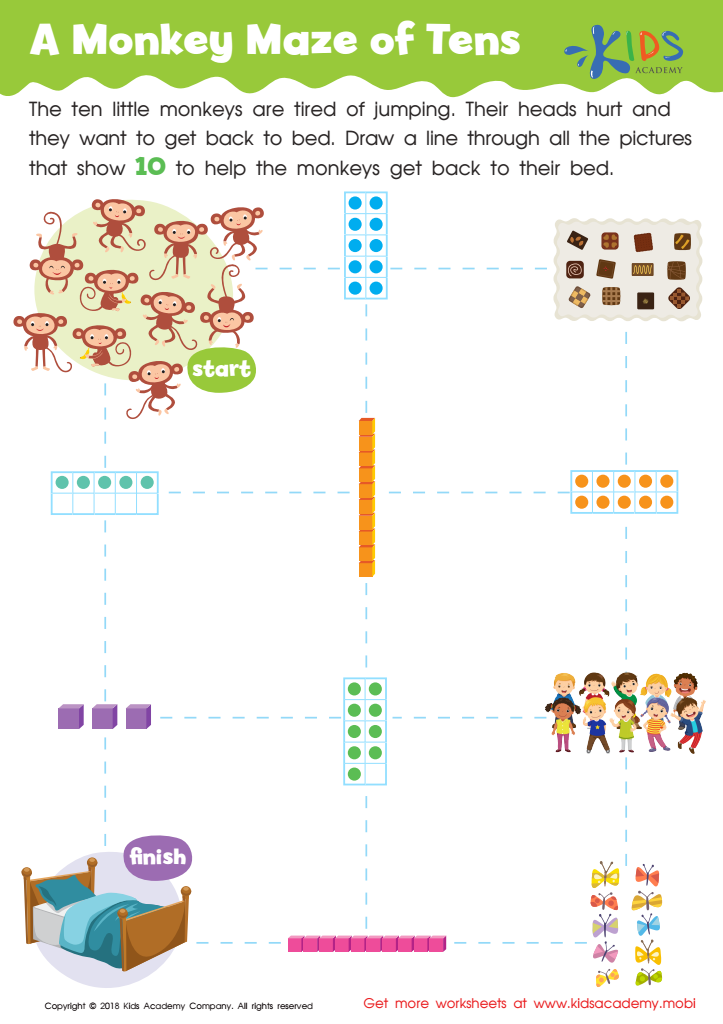
A Monkey Maze of Tens Worksheet
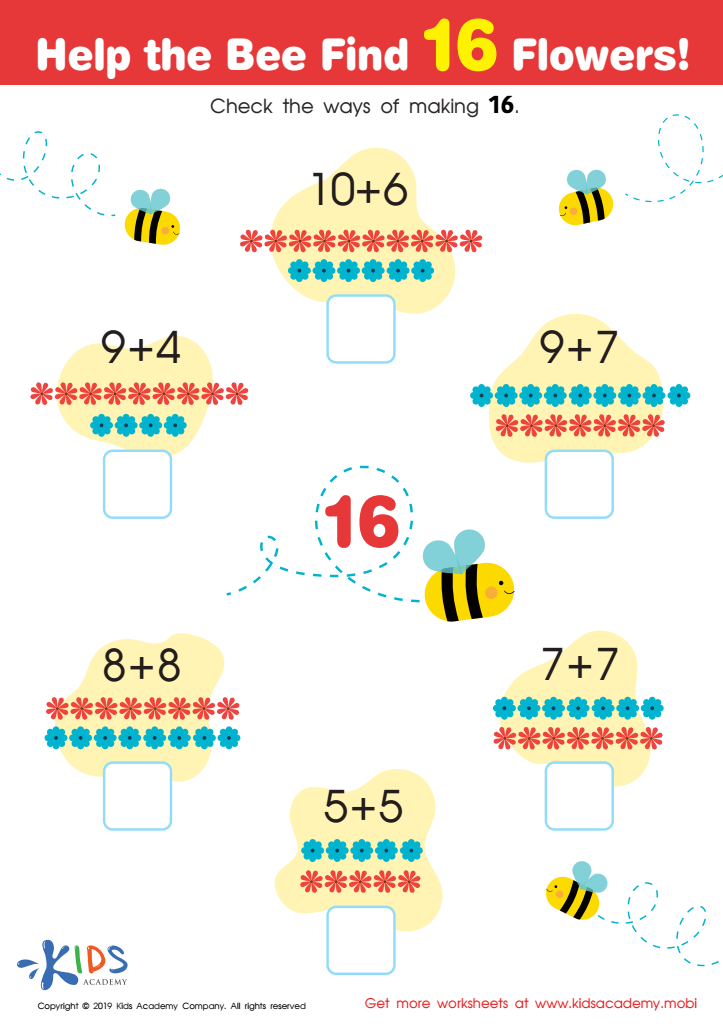
Help the Bee Find 16 Flowers Worksheet
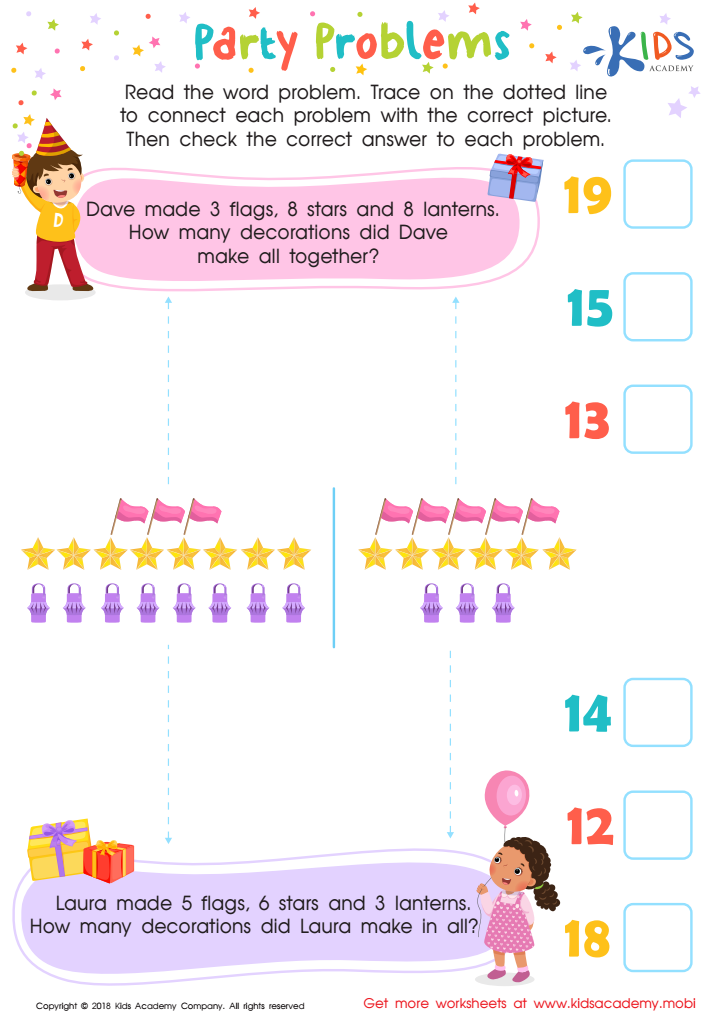
Party Problems Worksheet
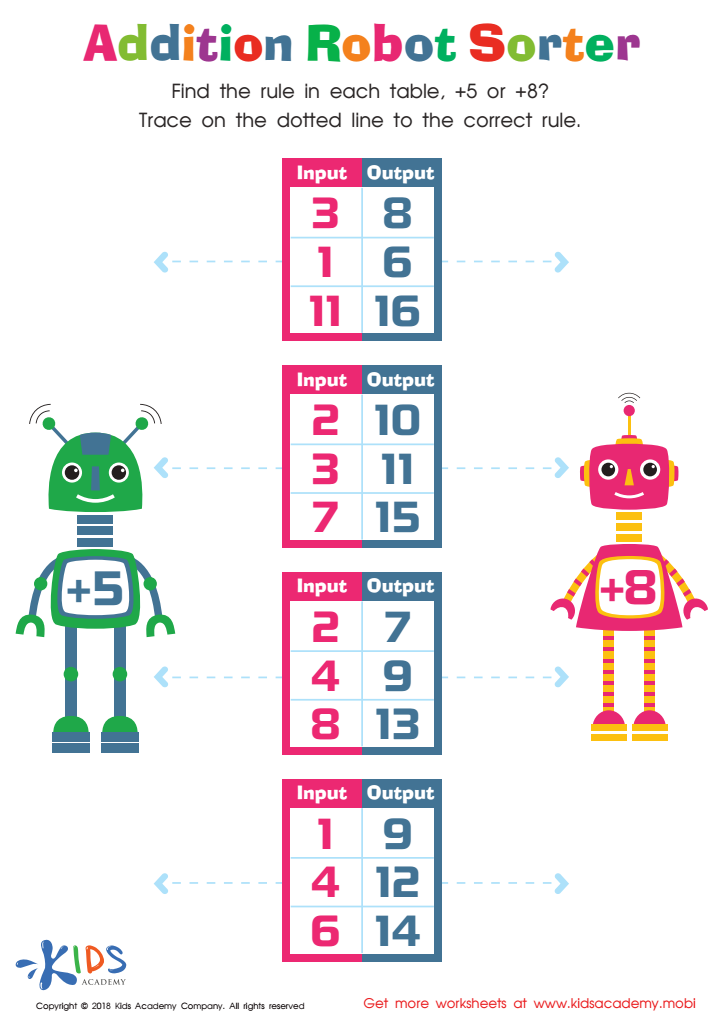
Addition Robot Sorter Worksheet
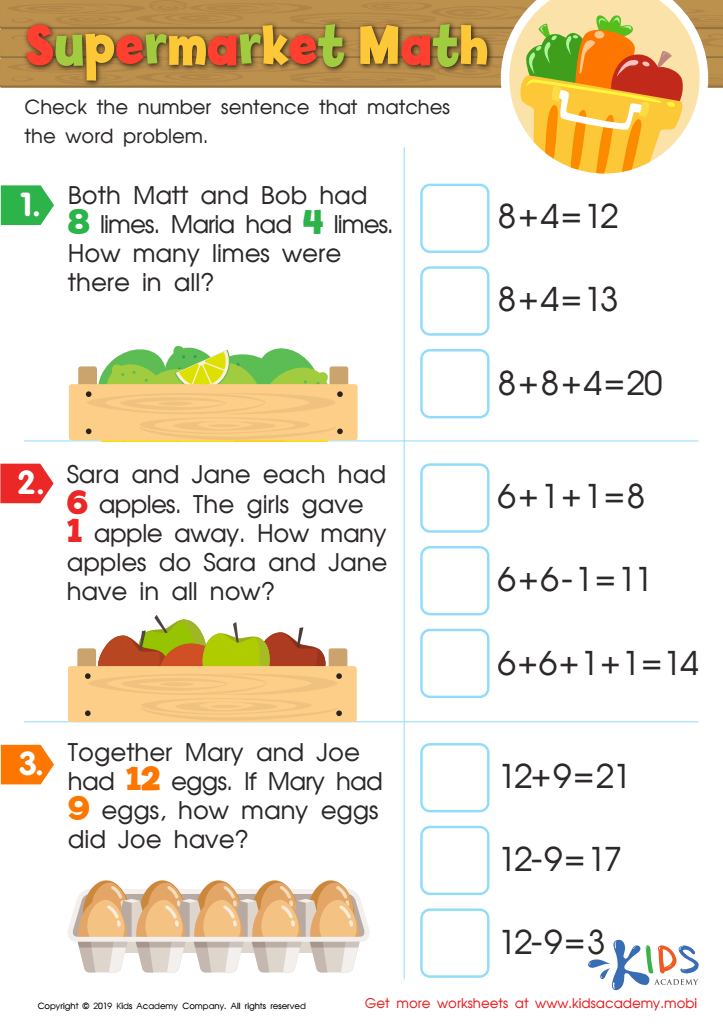
Supermarket Math Worksheet
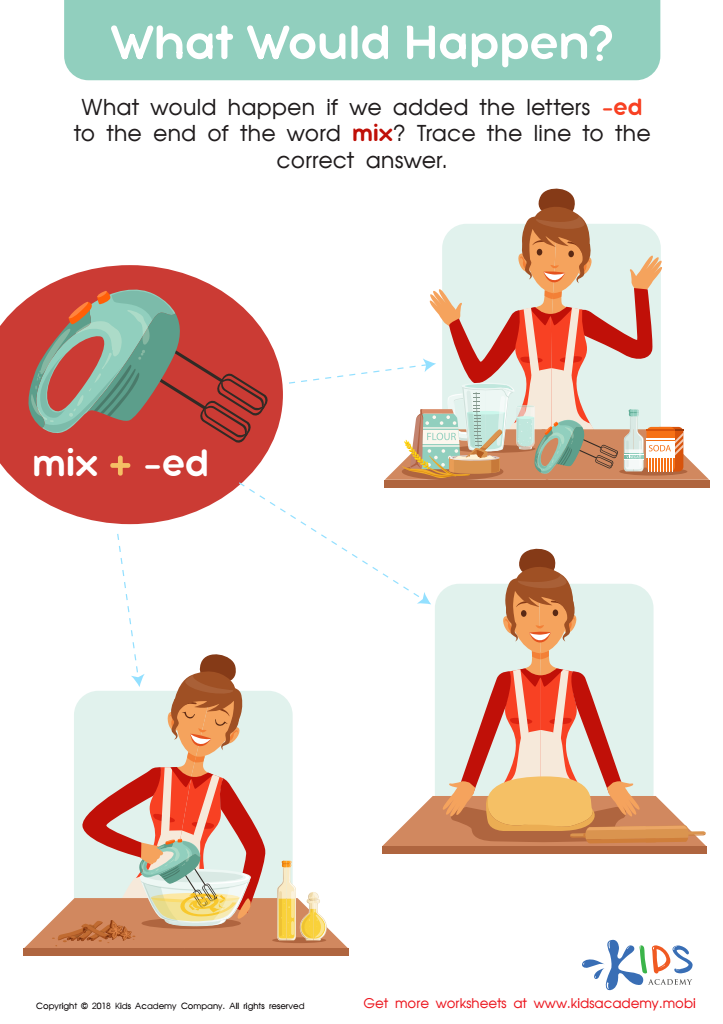
What Would Happen? Worksheet
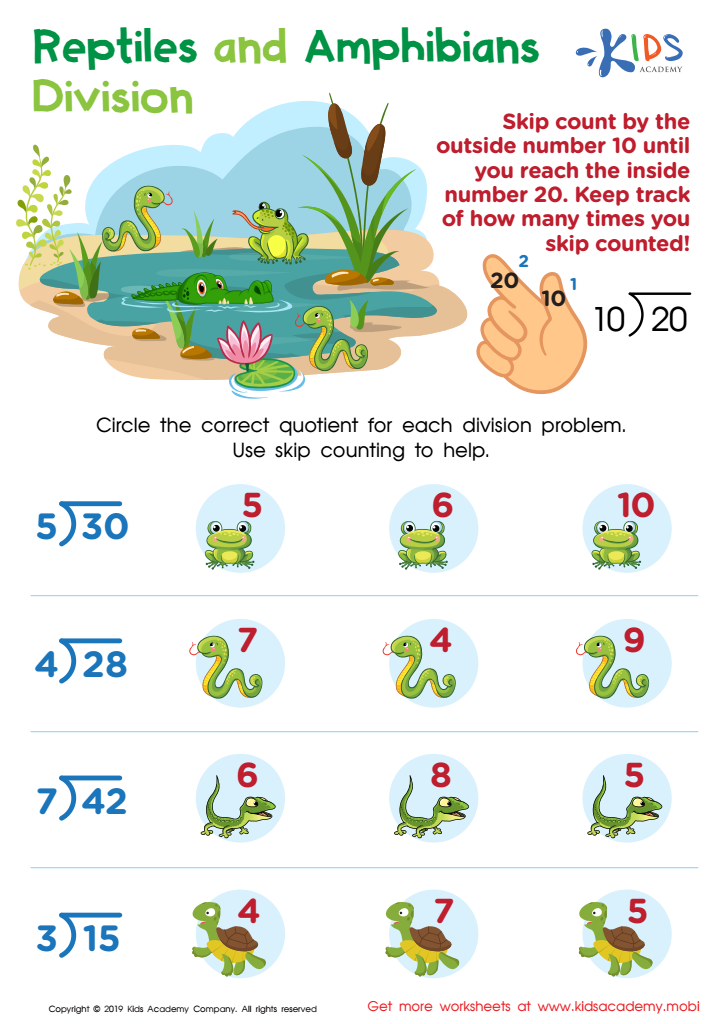
Reptile and Amphibians Division Worksheet
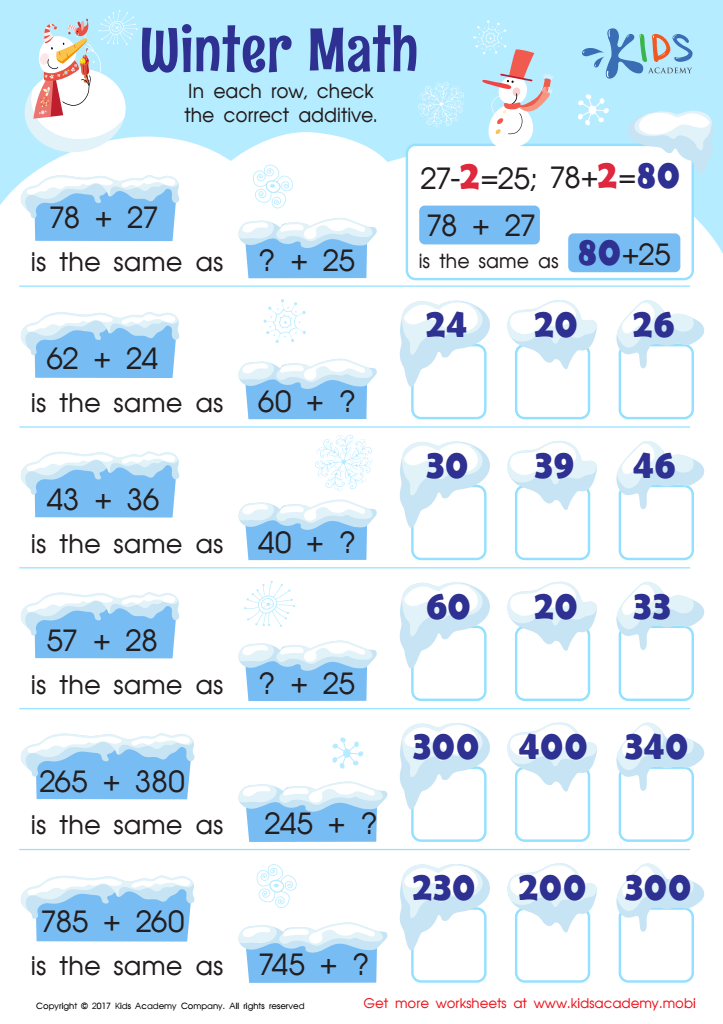
Free Addition Worksheet
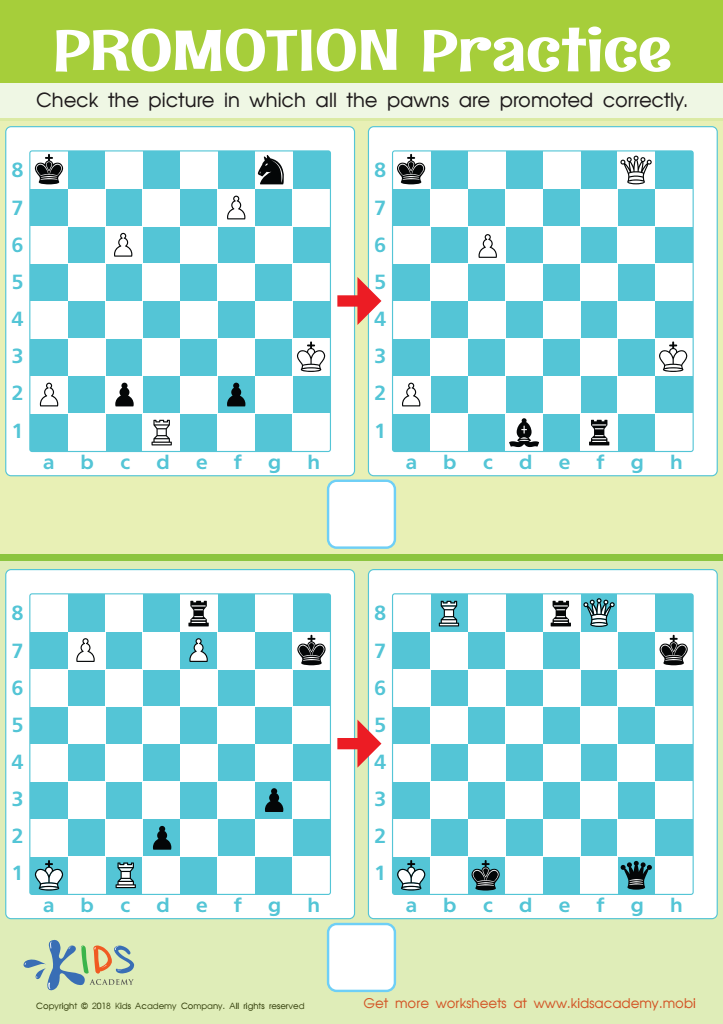
Promotion Practice Worksheet
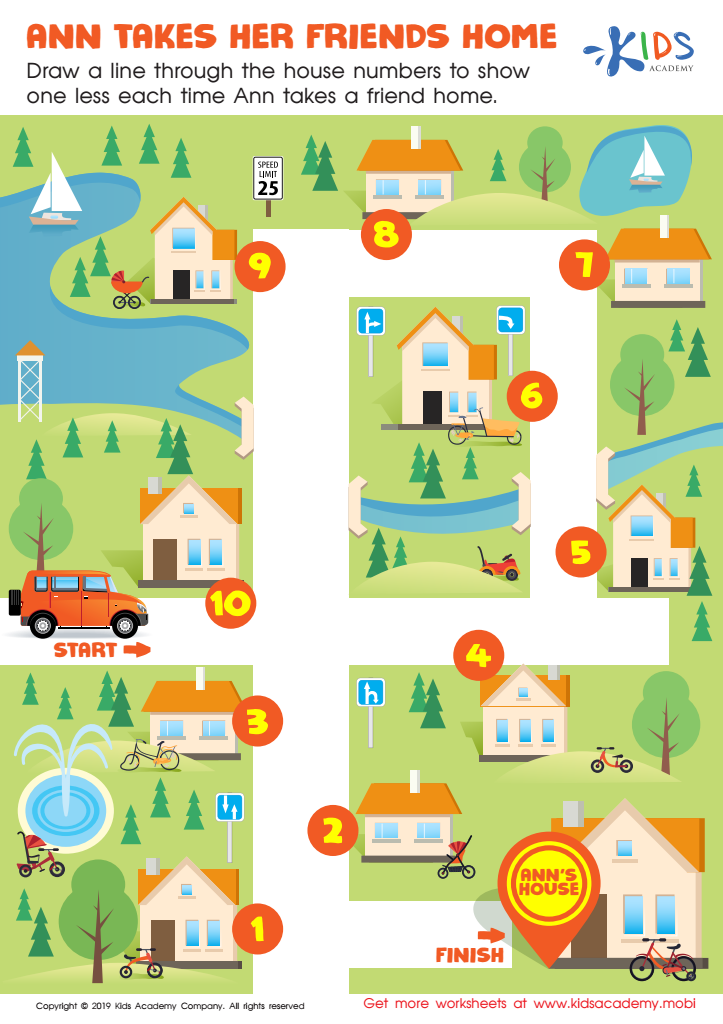
Ann Takes her Friends Home Worksheet





.jpg)


Problem-solving skills are fundamental for the holistic development of children aged 5-9, and both parents and teachers play crucial roles in nurturing these abilities. Firstly, developing problem-solving skills at an early age fosters critical thinking and creativity. Children learn to analyze situations, consider various solutions, and make decisions. These skills are not only essential for academic success but also for daily life as they help young minds navigate challenges flexibly and adaptively.
Moreover, problem-solving encourages perseverance and resilience. When children face obstacles and work through them, they build confidence and learn that overcoming difficulties is part of the learning process. This mindset shift can lead to a growth-oriented outlook, preparing them for future academic and personal challenges.
Furthermore, problem-solving activities enhance collaborative and social skills. When children work through problems together, they learn to communicate effectively, listen to others' ideas, and respect different perspectives. These experiences are critical for developing empathy and teamwork abilities, which are important for their overall social development.
Lastly, nurturing problem-solving skills can help identify and resolve any potential learning difficulties early on. As children share their thought processes, teachers and parents can gain insights into their cognitive development and offer tailored support where needed, providing a strong foundation for lifelong learning.








