Reading rulers Worksheets for Ages 5-9
3 filtered results
-
From - To
Introducing our engaging Reading Rulers Worksheets, designed specifically for children aged 5-9. Our printable worksheets enhance reading fluency, comprehension, and tracking skills, ideal for early learners. The vibrant, interactive pages encourage young readers to practice following along with lines of text, aiding in focus and reducing visual stress. Perfect for both classroom use and at-home activities, these worksheets support developing literacy skills essential for academic success. Discover a fun and effective way to boost your child's reading confidence with our expertly crafted educational tools. Visit our page to start your child on the path to reading mastery today!
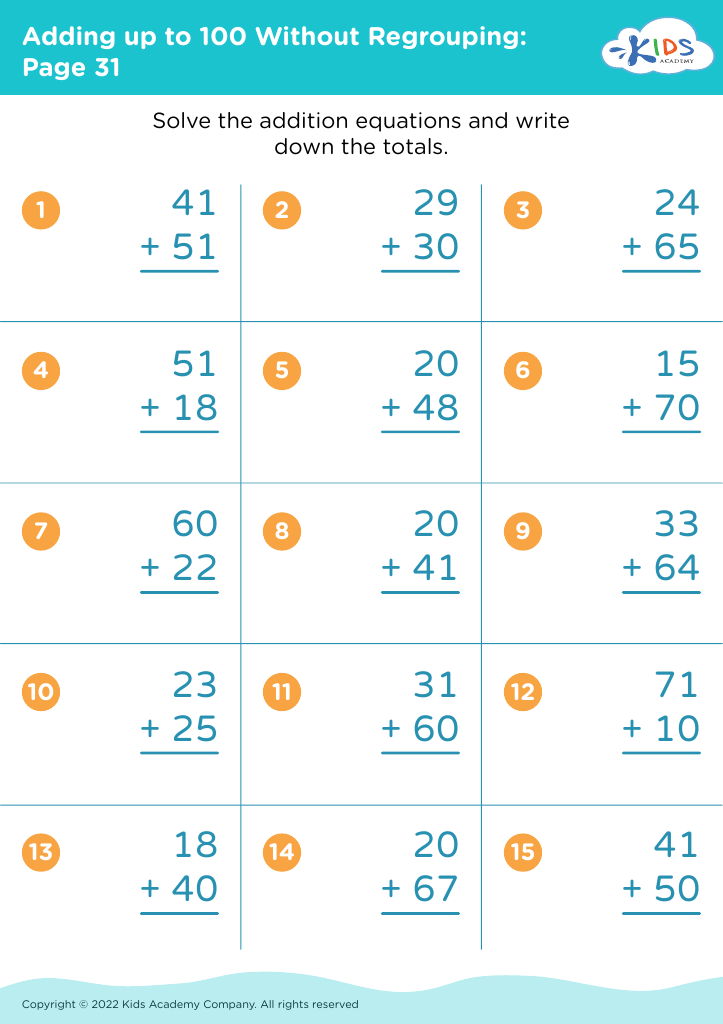
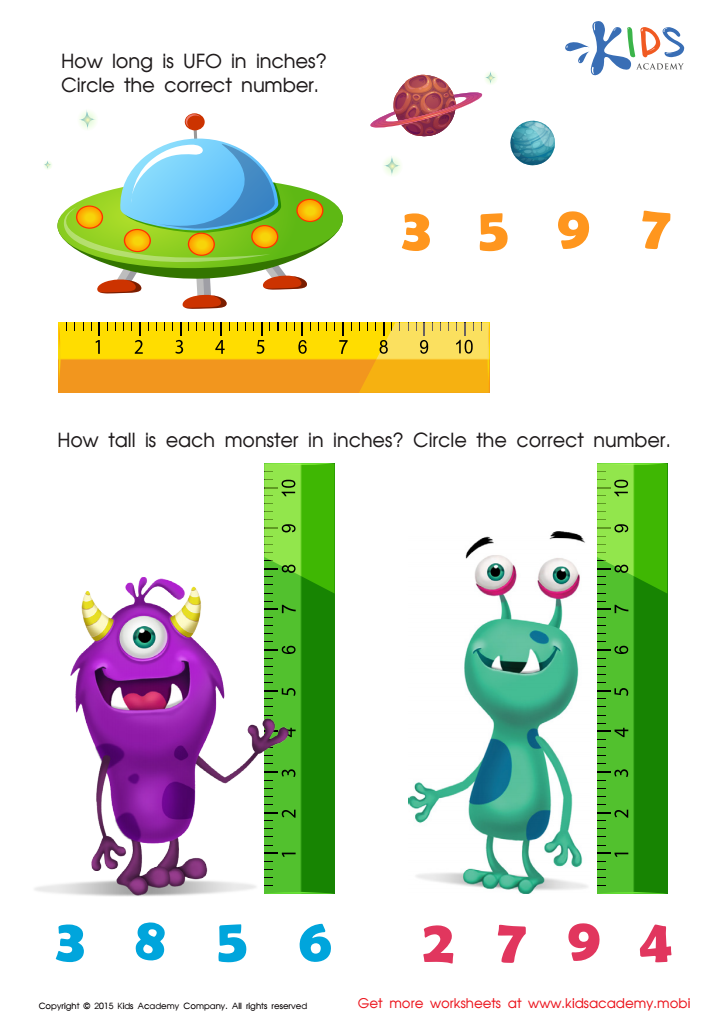
Measuring in Inches Worksheet
 Assign to My Students
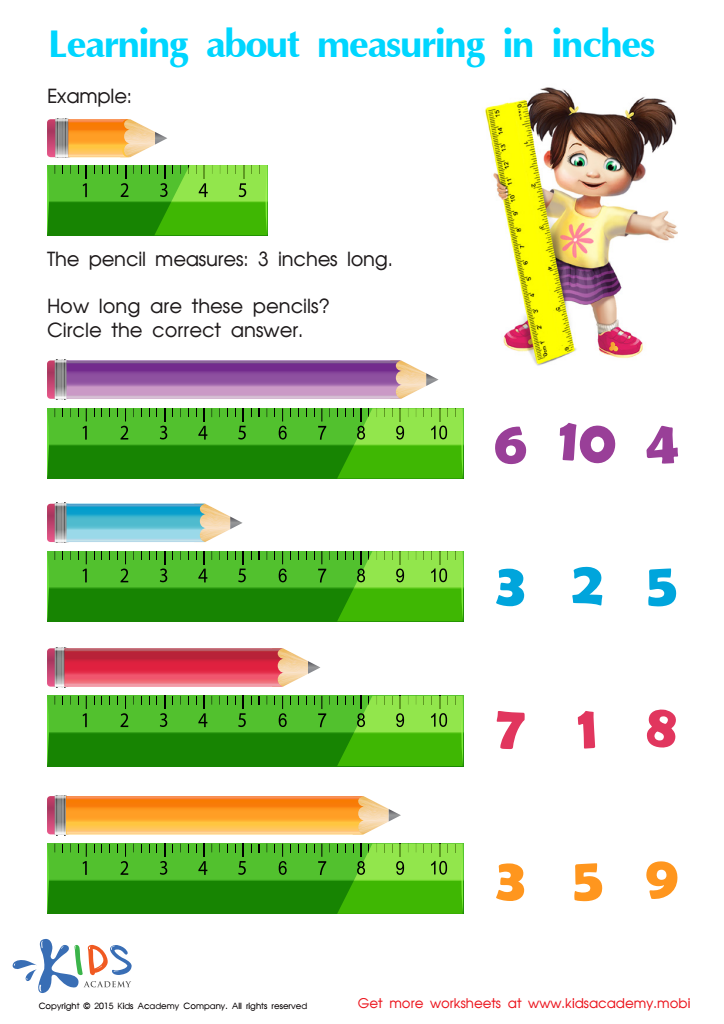
Learning About Measuring In Inches Printable






Reading rulers are valuable tools designed to help young readers aged 5-9 improve their focus, aid in tracking text, and reduce visual stress. For both parents and teachers, understanding the benefits of reading rulers can encourage early intervention, enhancing a child's reading experience and development.
Reading rulers are essentially transparent strips laid over text, highlighting a single line at a time. This can be particularly beneficial for children who struggle with poor concentration, skipping lines, or visual crowding. By clearly designating the text to be read, reading rulers help maintain a child's focus on each word and sentence, promoting smoother and more efficient reading ability.
Moreover, some children face visual stress or perceptual difficulties, which can make the printed page appear overwhelming and can lead to headaches or fatigue. Reading rulers often come in various color tints that can reduce glare and contrast, making it easier for children to read and process information.
By incorporating reading rulers into reading activities, parents and teachers help build confidence and a positive association with reading. This can instill a love for books and a strong literacy foundation, essential for academic success and lifelong learning. Early support with precise tools like reading rulers can cater to diverse learning needs, making them an underestimated yet powerful ally in early education.








