Understanding mass Worksheets for Ages 5-9
3 filtered results
-
From - To
Explore our engaging "Understanding Mass Worksheets" designed specifically for children aged 5-9. These interactive worksheets make learning about mass fun and enjoyable while building essential math skills. Young learners will develop a solid understanding of mass concepts, differentiate between light and heavy objects, and practice comparing weights through hands-on activities. Perfect for home or classroom use, our worksheets encourage critical thinking and imaginative learning through vivid illustrations and appealing formats. Help your child grasp the fundamentals of measurement with our thoughtfully crafted resources. Start their journey into the world of mass today and watch their confidence grow!
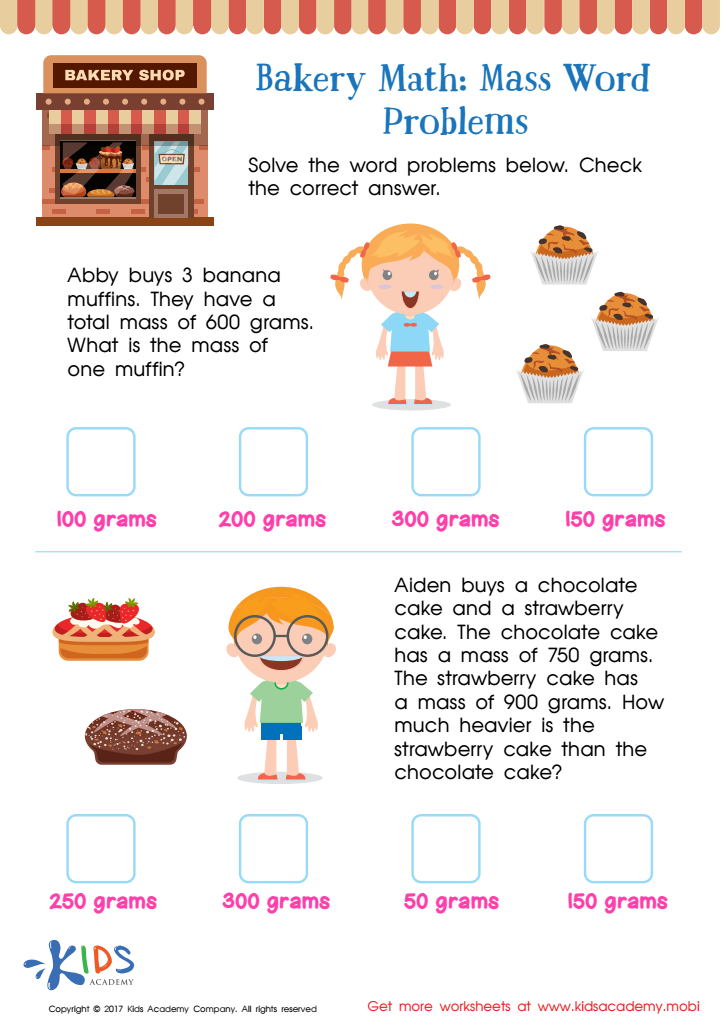
Mass Word Problems Worksheet
 Assign to My Students
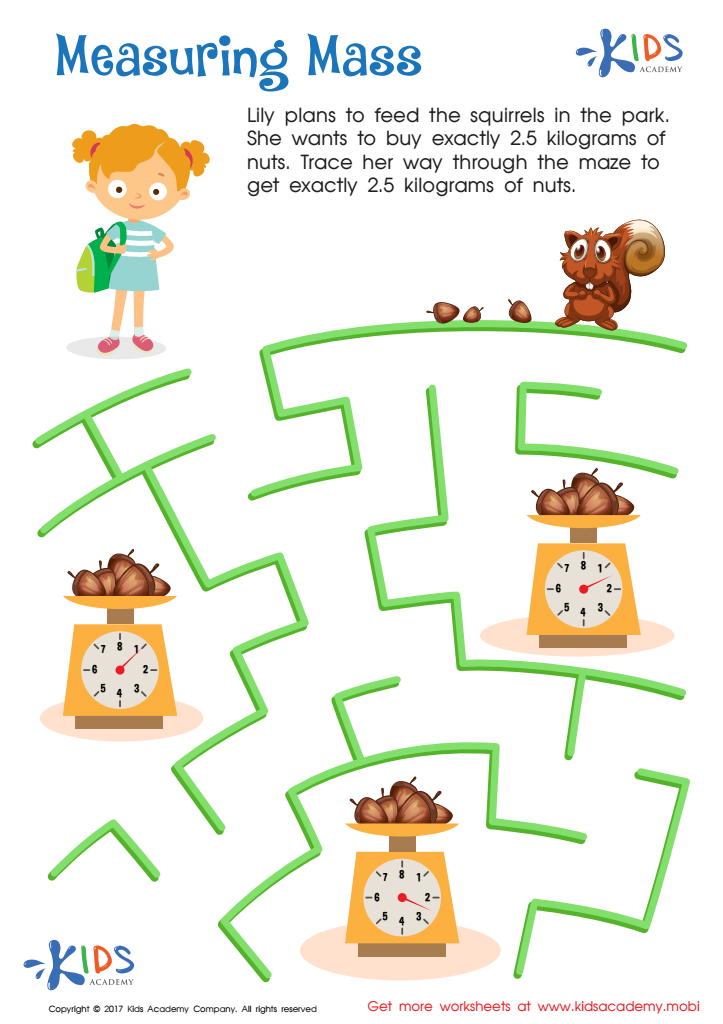
Measuring Mass Worksheet
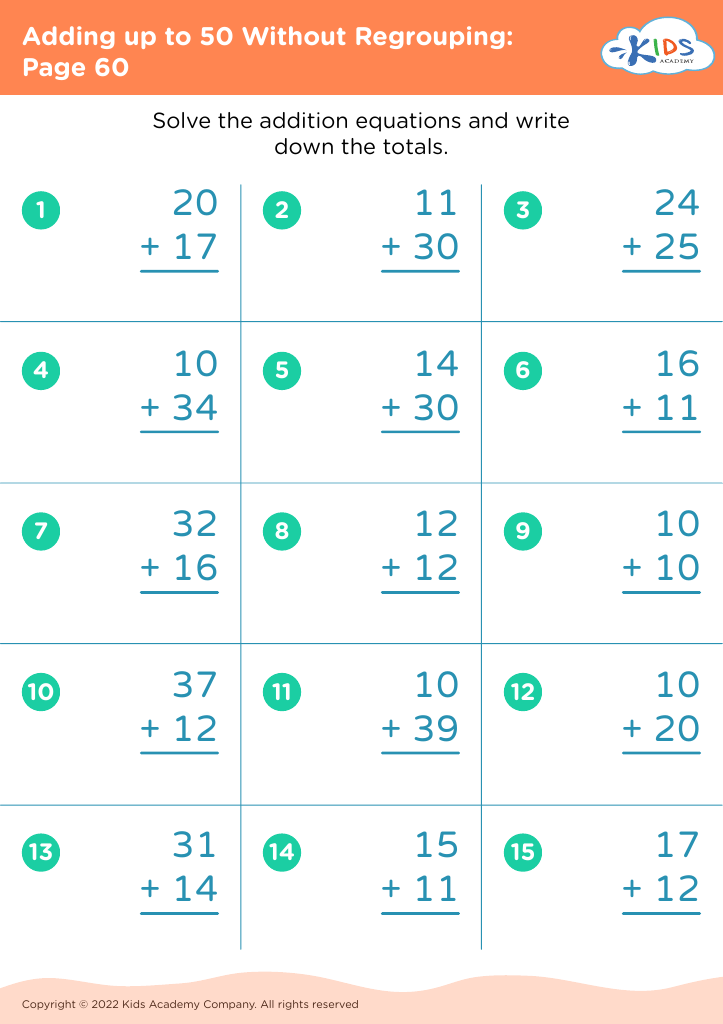




%20(1).jpg)

Understanding mass is crucial for children aged 5-9 for several reasons. First, it lays the groundwork for essential math and science concepts, enabling students to grasp fundamental principles such as weight, measurement, and comparison. Learning about mass helps kids develop critical thinking skills as they engage in hands-on activities, such as weighing objects and exploring concepts of heavier and lighter. This interactive experience enhances their understanding of the physical world.
Moreover, comprehending mass encourages children to make connections across subjects. For instance, it intertwines with everyday experiences, such as cooking, where they must measure ingredients accurately. Engaging with mass fosters curiosity and inquiry, prompting children to ask questions about how things work and how they relate to one another.
Socially and emotionally, learning about mass can cultivate teamwork as students collaborate on experiments or projects involving weight measurements. It also promotes persistence and grit, as children encounter challenges in understanding and mastering these concepts.
Ultimately, a solid grasp of mass contributes to a well-rounded education, preparing children for more complex scientific concepts in the future. Hence, parents and teachers should prioritize this area of learning, actively support exploration, and encourage engagement with the concept of mass.








