Understanding number sequence Worksheets for Ages 5-9
8 filtered results
-
From - To
Explore our engaging "Understanding Number Sequence Worksheets for Ages 5-9" designed to enhance your child's math skills in a fun and interactive way. These worksheets provide a variety of exercises that help young learners grasp the concept of number sequences, including identifying patterns, filling in missing numbers, and arranging sequences. Tailored to foster critical thinking and problem-solving abilities, these resources cater to diverse learning styles. Ideal for both classroom use and at-home practice, our worksheets ensure foundational math skills are developed effectively. Help your child build confidence in their numerical understanding and enjoy the journey of learning through structured activities!
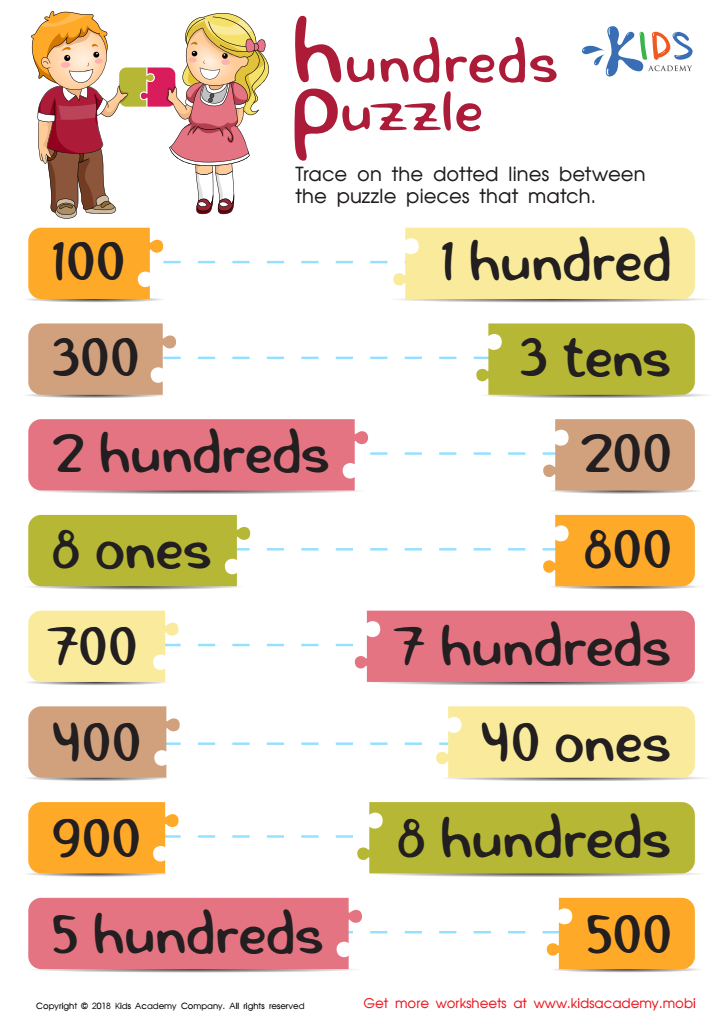
Hundreds Puzzle Worksheet
 Assign to My Students
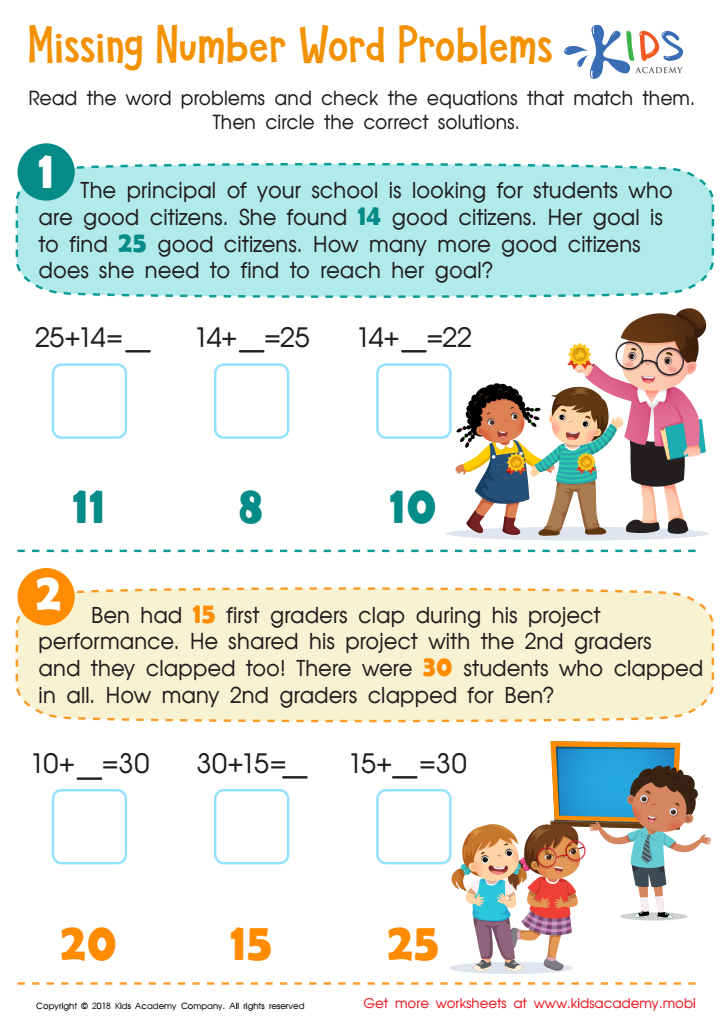
Missing Number Word Problems Worksheet
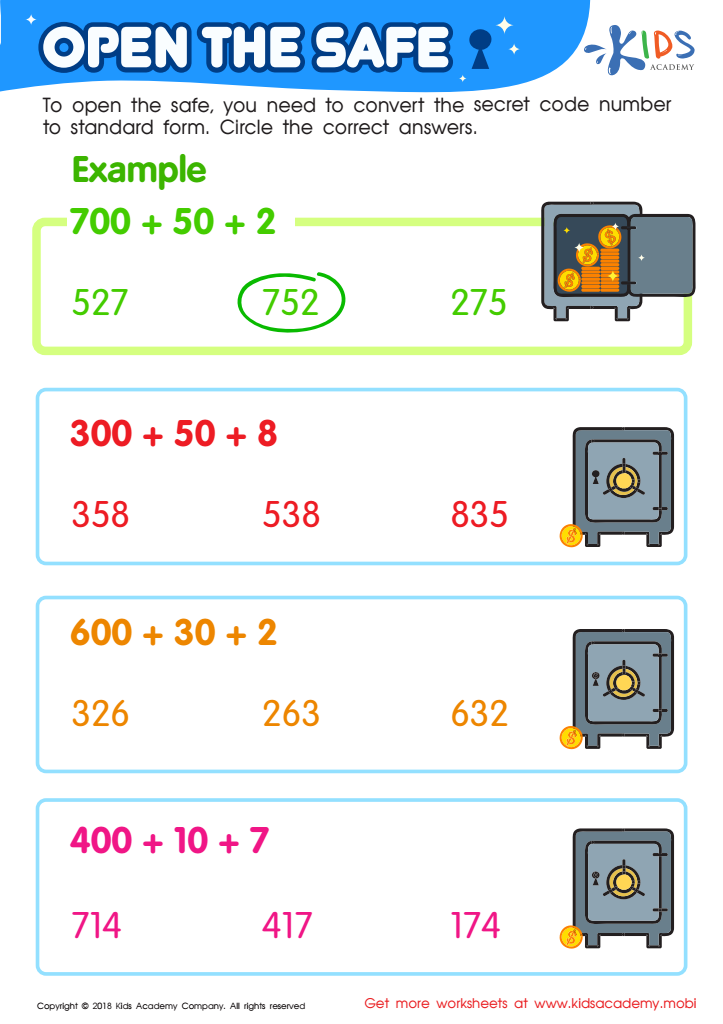
Open the Safe Worksheet
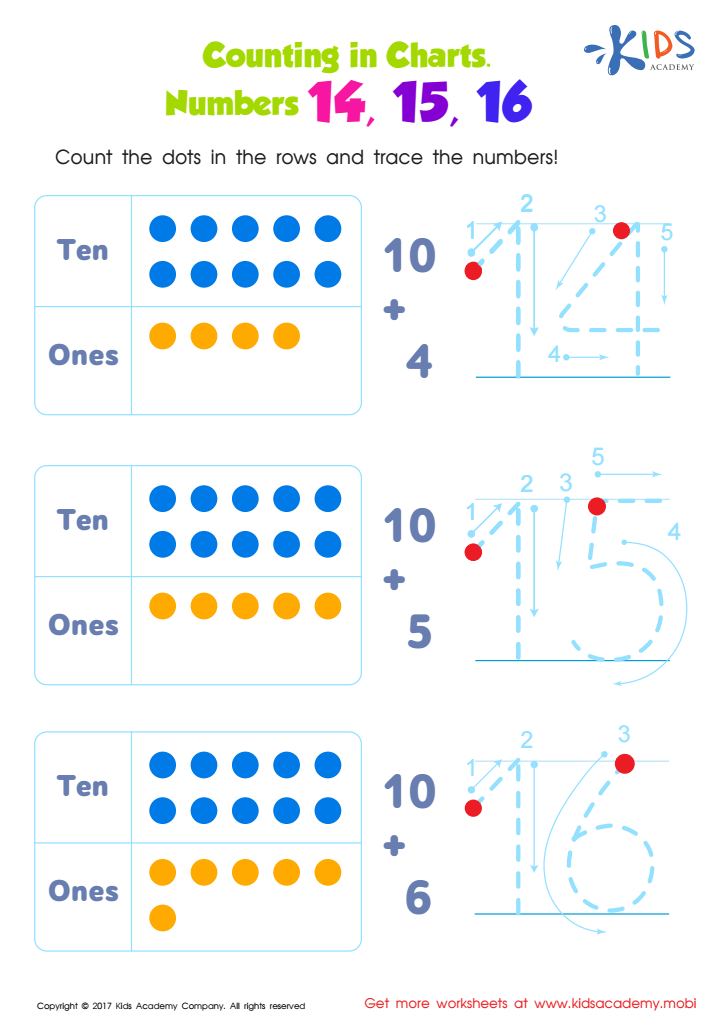
Number Tracing Worksheet






.jpg)

Understanding number sequences is crucial for children aged 5 to 9, as it lays the foundation for their math skills and overall cognitive development. For parents and teachers, fostering this understanding helps children make sense of how numbers are organized and interconnected, moving beyond rote memorization to a deeper comprehension of mathematical concepts.
At this age, children begin to encounter patterns, relationships, and functions in mathematics. A strong grasp of number sequences enhances their ability to perform operations like addition and subtraction, developing critical thinking and problem-solving skills. Recognizing patterns in number sequences—such as even and odd numbers, skip counting, or counting by tens—can also improve children’s ability to make predictions and solve puzzles, reinforcing their logical reasoning.
Furthermore, understanding number sequences is essential for broader academic success, as it ties into later mathematical concepts such as multiplication, division, and algebra. By engaging in activities that emphasize sequences, parents and teachers can create a supportive environment that nurtures a love for math, reduces anxiety towards the subject, and builds a robust mathematical foundation for the future. In essence, prioritizing number sequence comprehension at ages 5 to 9 is an investment in a child's lifelong learning journey.








