Understanding number values Worksheets for Ages 5-9
4 filtered results
-
From - To
Our "Understanding Number Values Worksheets for Ages 5-9" are designed to help young learners develop a strong foundation in math. Tailored for children within this age group, our engaging and age-appropriate worksheets cover key concepts such as counting, number recognition, comparing numbers, and basic arithmetic. With a variety of fun, interactive exercises and colorful illustrations, kids can build confidence in their math skills while enjoying the process. These worksheets are perfect for both classroom use and homeschooling, making learning intuitive and enjoyable. Help your child succeed in math by exploring our comprehensive collection today!
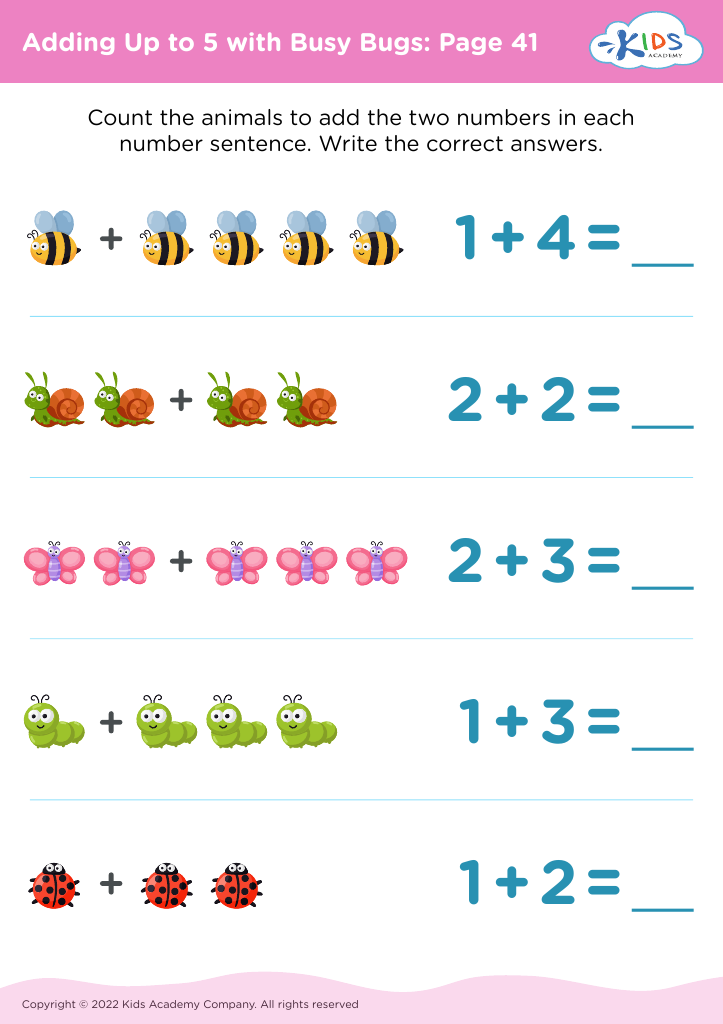
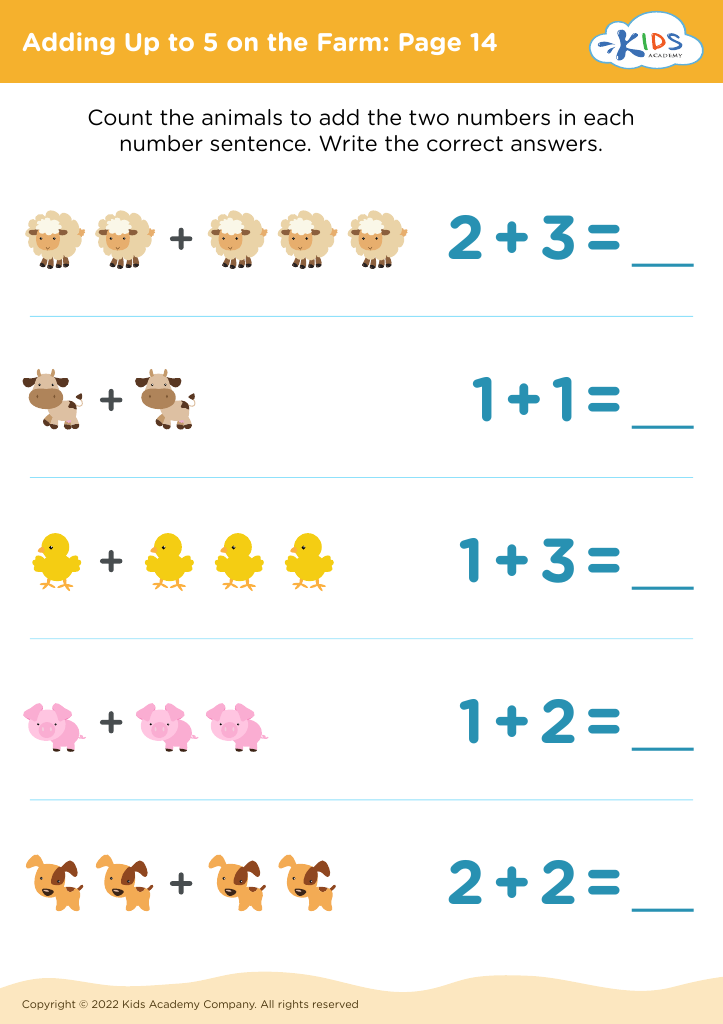
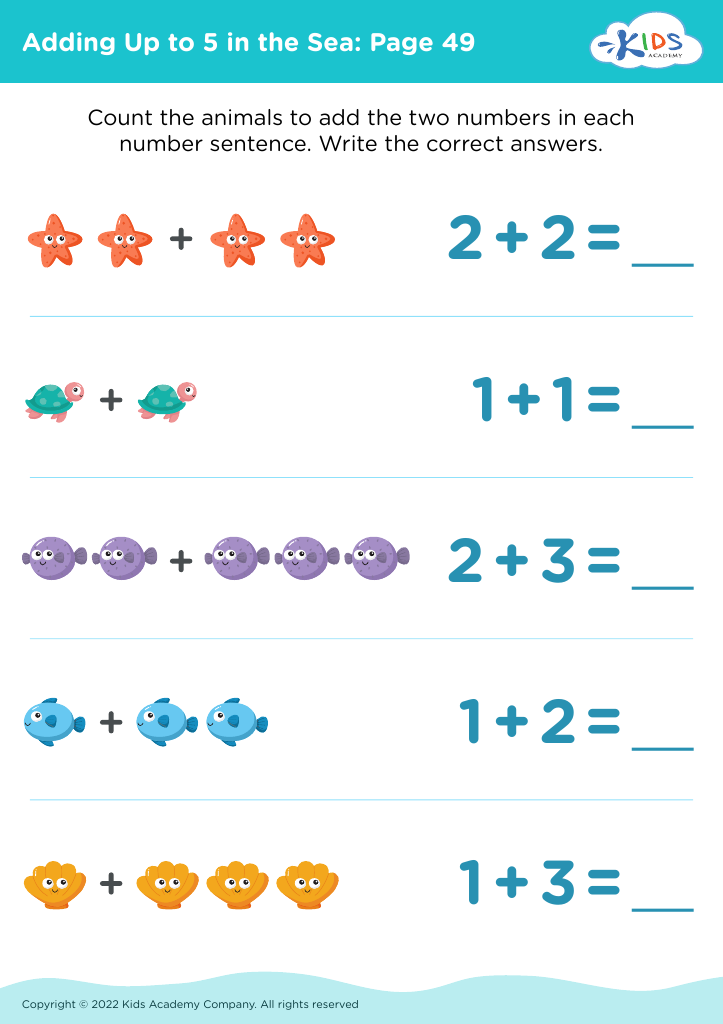







Understanding number values between the ages of 5-9 is crucial for young learners as it builds the foundation for their mathematical education and everyday problem-solving skills. During these formative years, children develop number sense, which is the ability to comprehend quantities, recognize number relationships, and perform basic arithmetic operations. Parents and teachers play a vital role in nurturing this essential skill.
A strong number sense enables children to approach math with confidence and curiosity. It helps them understand that numbers represent quantities and can be used to solve real-world problems. For example, knowing the difference between ten and one hundred is essential for calculating change, measuring objects, and understanding time. These skills are not only crucial in school but also in daily life.
Furthermore, a good grasp of number values prevents future difficulties in more complex mathematical concepts such as fractions, algebra, and geometry. Often, students who struggle with advanced math lack a strong foundation in basic number skills. By investing time in teaching number values early, parents and teachers can help students avoid frustration and cultivate a positive attitude toward math.
In summation, focusing on number values development in young children prepares them for academic success and equips them with practical life skills. Encouragement and practice in understanding numbers at this age set the stage for lifelong mathematical learning.








