
Visual perception development Worksheets for Ages 5-9
5 filtered results
Difficulty Level
Grade
Age
-
From - To
Subject
Activity
Standards
Unlock your child's potential with our engaging Visual Perception Development Worksheets, specially designed for ages 5-9! These worksheets promote essential visual skills, helping young learners sharpen their ability to interpret, organize, and understand visual information. Featuring fun exercises that encourage pattern recognition, shape identification, and spatial awareness, our resources make learning an exciting adventure! Perfect for homeschoolers or classroom use, these worksheets align with early education standards, ensuring children build a strong foundation for future academic success. Watch your child thrive as they enhance their visual perception abilities while having fun! Explore our diverse collection today and support your child's learning journey!
Favorites
With answer key
Interactive
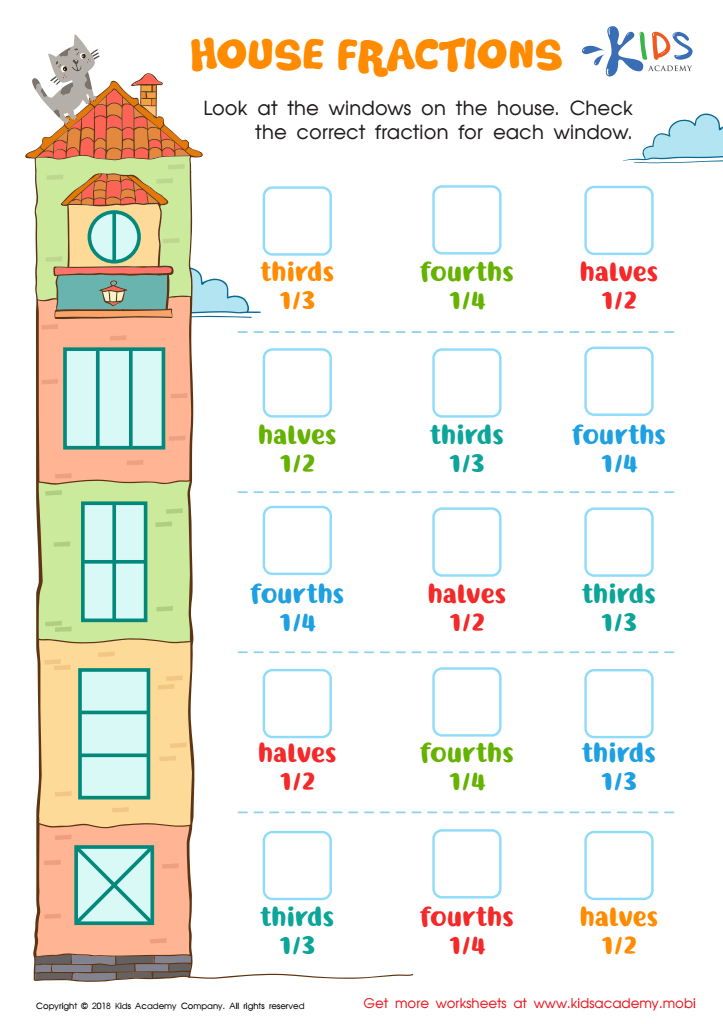
House Fractions Worksheet
Test your child's knowledge of fractions with this worksheet! Have them examine the windows of a house and select the correct fraction from the options given. This is a great way to see how much they understand about wholes, fractions, halves, one thirds, and one fourths.
 Assign to My Students
House Fractions Worksheet
Worksheet
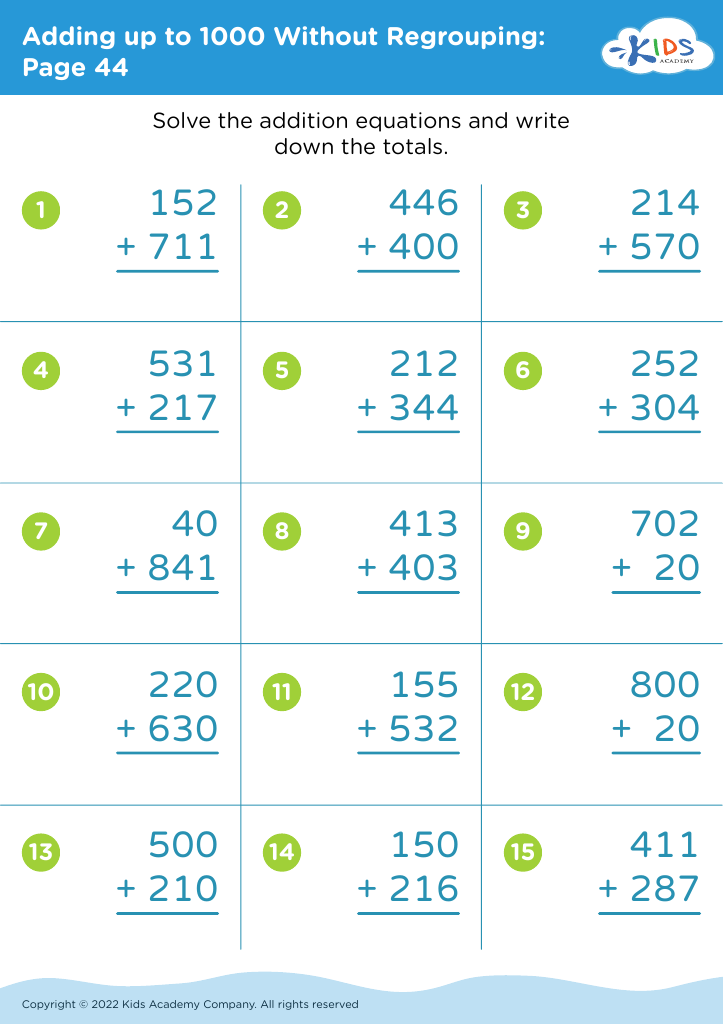
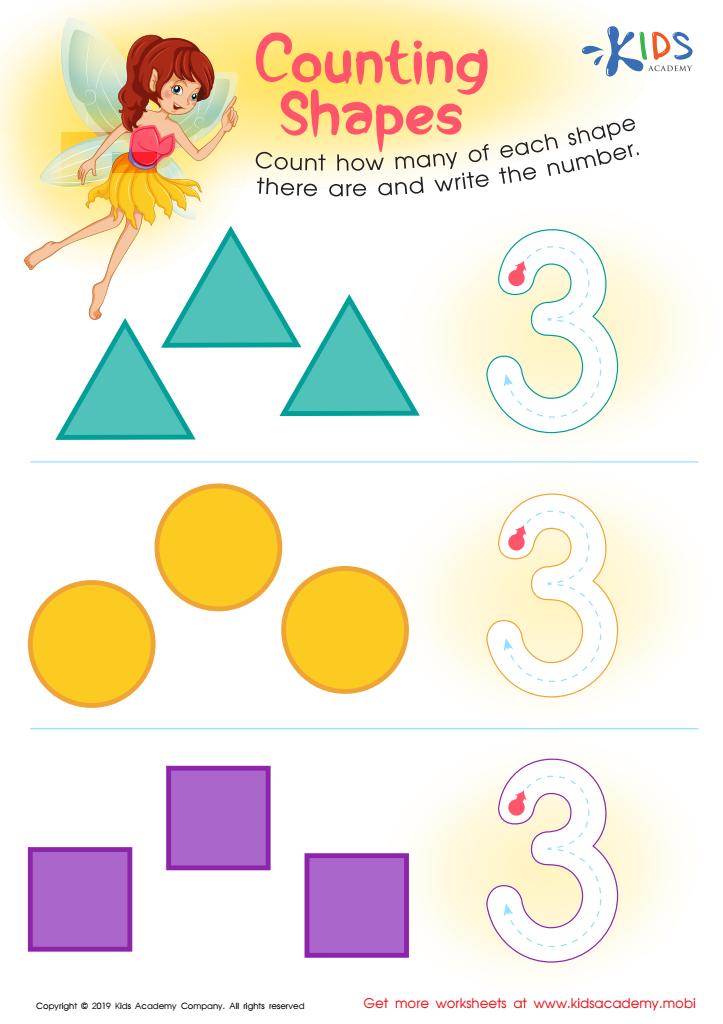
Counting Shapes Worksheet
Counting and number sense are essential skills. Picture representation helps kids understand and remember concepts. This free worksheet is perfect for introducing numbers and counting in groups of three. It also helps kids to practice writing numbers with traceable lines and guiding dots. It's an easy and fun way to give little mathematicians a successful start.
Counting Shapes Worksheet
Worksheet
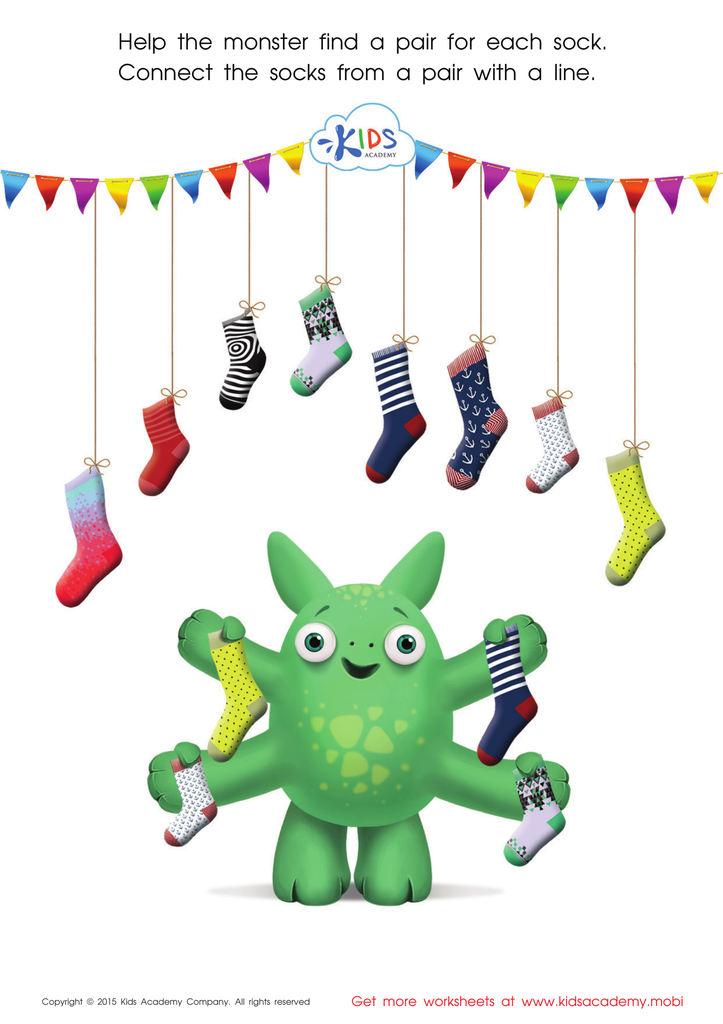
Math Matching Pairs Game: Monsterв's Socks Worksheet
Let your child learn, concentrate and practice sorting skills with this fun kindergarten worksheet. Matching polka dots, anchors, geo shapes and stripes on Monster's socks will help improve fine motor skills. Download and print this free worksheet and several others on different topics.
Math Matching Pairs Game: Monsterв's Socks Worksheet
Worksheet
Join Kids Academy for Free
Who is primarily going to use this learning content?








Visual perception development is crucial for children aged 5-9 as it forms the foundation for effective learning and interaction with the world around them. This skill encompasses the ability to interpret and understand visual information, integrating it with what they know from prior experiences. Parents and teachers should prioritize this development because visual perception is directly linked to reading, writing, and mathematics, pivotal educational domains at this age.
Children with strong visual perception skills can properly recognize letters and words, distinguish shapes and patterns, and improve their spatial awareness. These skills aid in grasping abstract concepts and enhance problem-solving abilities, making learning more accessible and engaging. Furthermore, difficulties in visual perception can lead to challenges in academic performance and self-esteem.
In addition, strong visual skills contribute to a child’s ability to follow multi-step instructions, work in groups, and participate in activities that involve fine motor skills, like drawing and crafting. By fostering visual perception through focused activities—such as puzzles, games, and interactive reading—parents and teachers can create a supportive environment that enhances academic outcomes and promotes overall cognitive development. Investing in this area ensures children are well-equipped for future learning challenges.








