Visual-spatial skills Worksheets for Ages 5-9
3 filtered results
-
From - To
Enhance your child's visual-spatial skills with our engaging worksheets specifically designed for ages 5-9! These printable activities focus on developing essential skills such as shape recognition, spatial reasoning, and problem-solving abilities through fun, interactive exercises. Our thoughtfully crafted worksheets facilitate learning in a playful context, helping children visualize relationships between objects and improve their understanding of their environment. Perfect for home or classroom use, these resources are ideal for early learners seeking to boost their cognitive development. Start your child’s journey toward stronger visual-spatial skills today with our diverse collection of worksheets designed to captivate and inspire young minds!
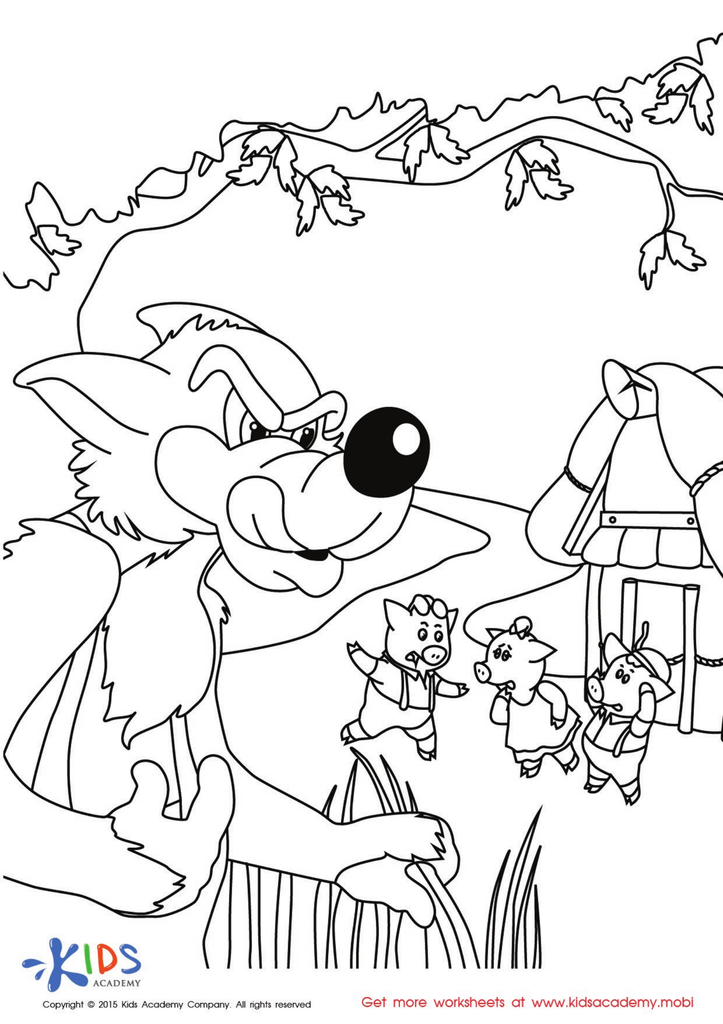
The Story of the Three Little Pigs Coloring Worksheet
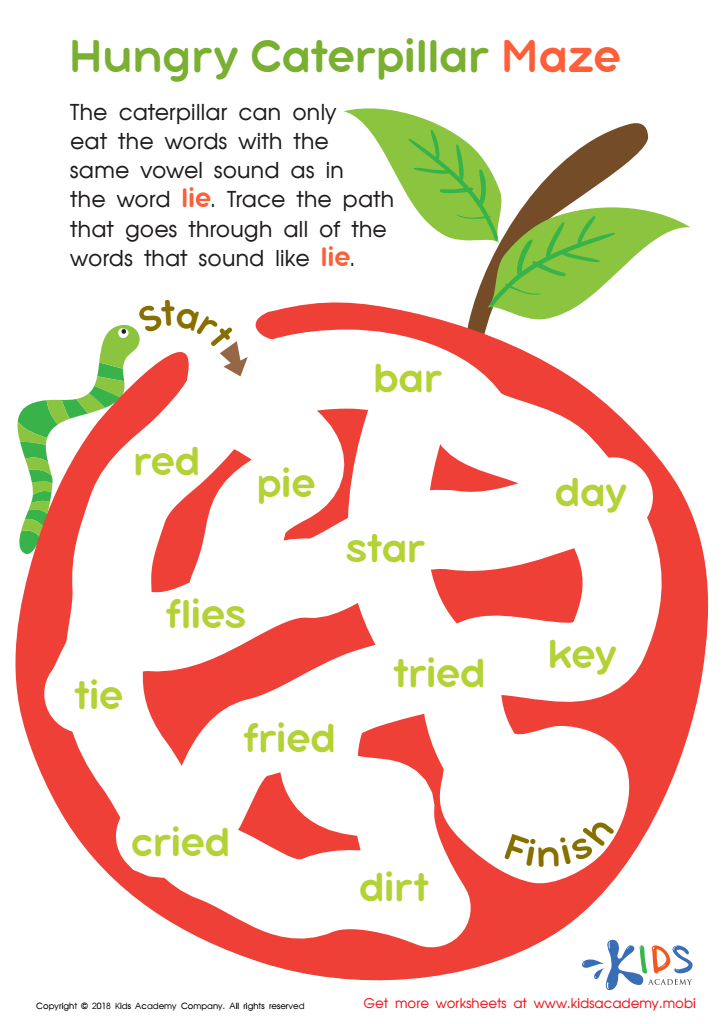
Hungry Caterpillar Maze Worksheet
 Assign to My Students
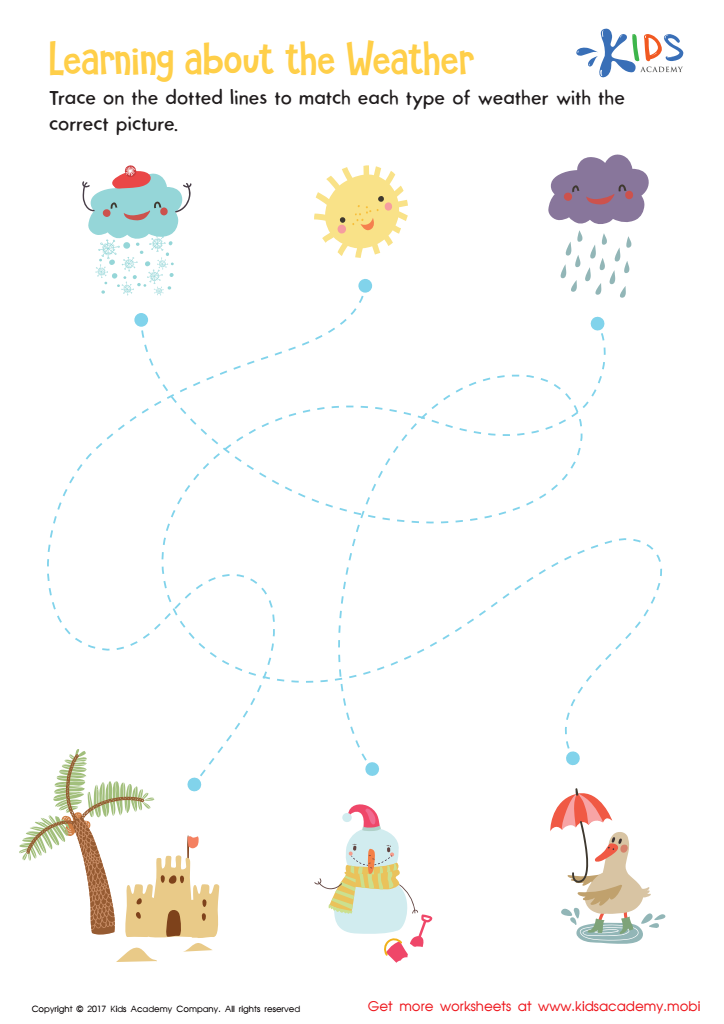







Visual-spatial skills are crucial for children's development, especially for ages 5-9, when foundational learning occurs. These skills involve the ability to understand and remember the visual relationships between objects, enabling children to navigate their environment, interpret information, and solve problems.
Parents and teachers should care about visual-spatial skills because they are linked to academic success in subjects like mathematics, science, and art. Proficient visual-spatial abilities help children comprehend geometric concepts, develop critical thinking, and enhance creativity in problem-solving. For instance, children with strong visual-spatial skills may find it easier to grasp complex mathematical concepts such as fractions or spatial reasoning in geometry.
Moreover, these skills support everyday activities, such as reading maps or constructing models, preparing children for real-world challenges. As children engage in various activities—like building with blocks, drawing, or playing puzzles—they develop these crucial skills naturally.
Encouraging visual-spatial skills through playful learning experiences not only enriches children's cognitive abilities but also boosts their confidence and fosters a love for learning. Overall, prioritizing the development of these skills lays the groundwork for future academic and life successes, making it essential for parents and educators alike to be invested in nurturing them.








