Basic geometry knowledge 2D Shapes Worksheets for Ages 5-9
3 filtered results
-
From - To
Unlock the world of 2D shapes with our engaging Basic Geometry Knowledge worksheets designed for children aged 5-9. These printable resources help young learners explore fundamental geometry concepts while having fun. Each worksheet features vibrant visuals and interactive activities that encourage kids to identify, classify, and understand various shapes, including circles, squares, triangles, and rectangles. Perfect for both classroom use and home learning, these educational tools foster creativity and critical thinking. Boost your child's confidence in math and geometry skills with our comprehensive worksheets, making learning an enjoyable journey. Discover the exciting world of shapes today!
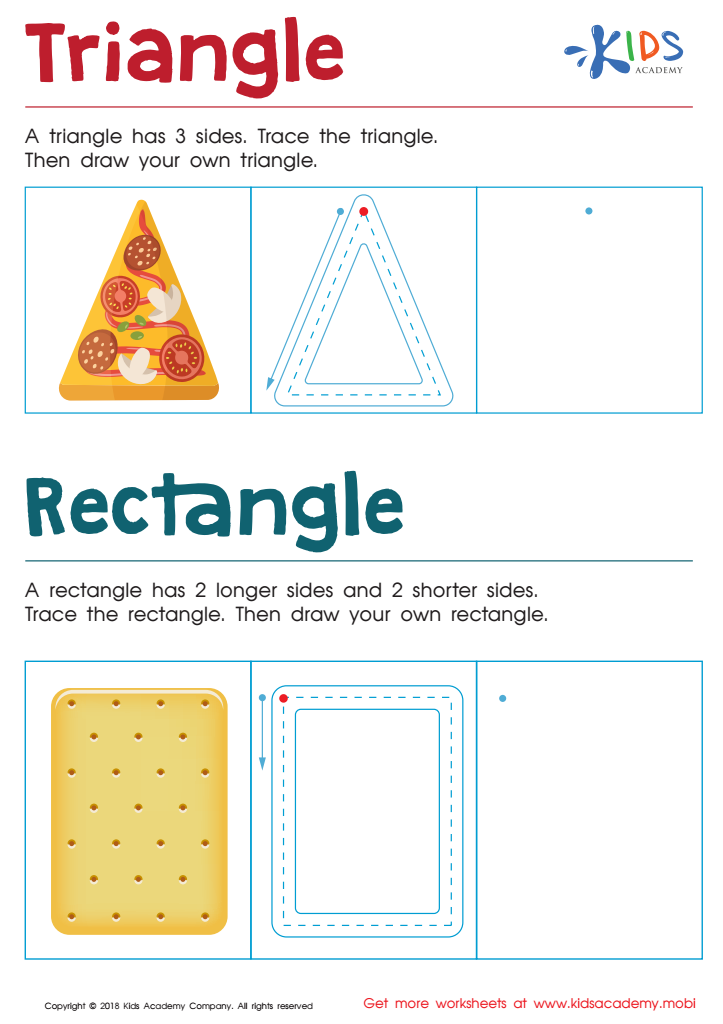
Triangle Rectangle Worksheet
 Assign to My Students



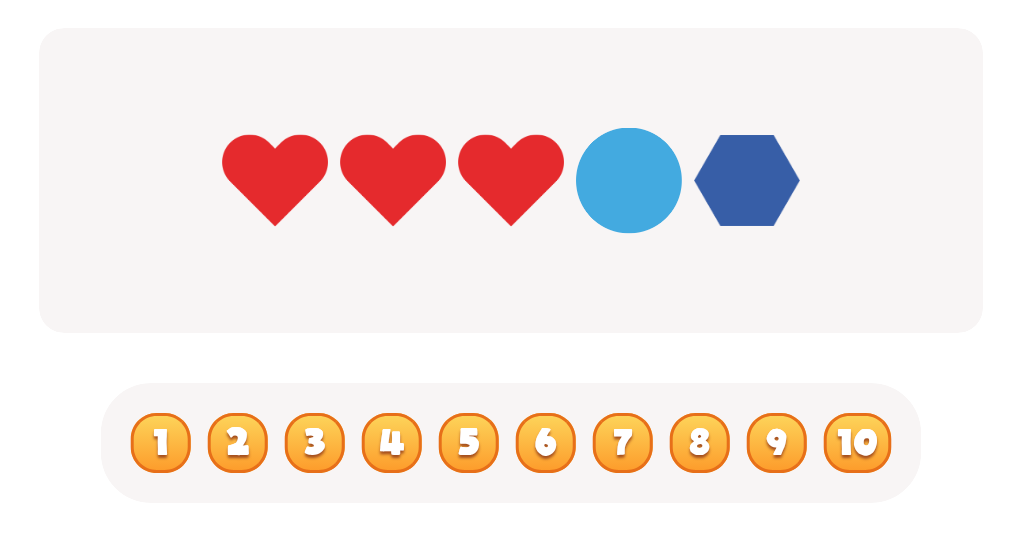
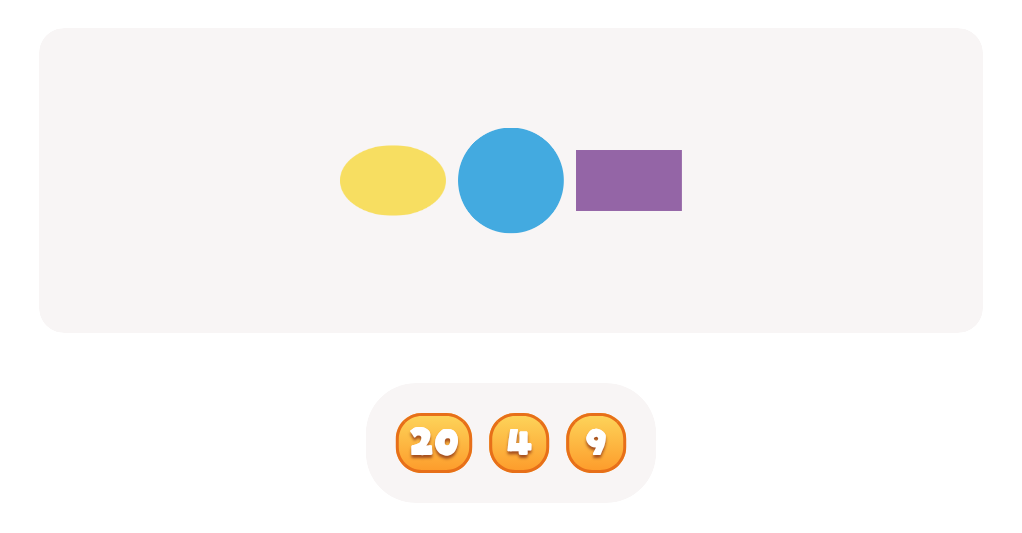
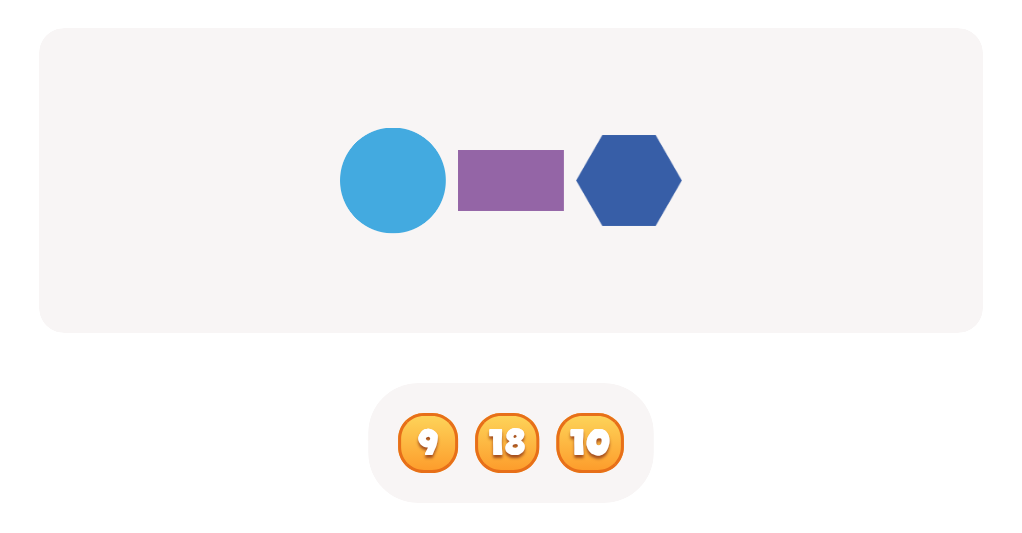
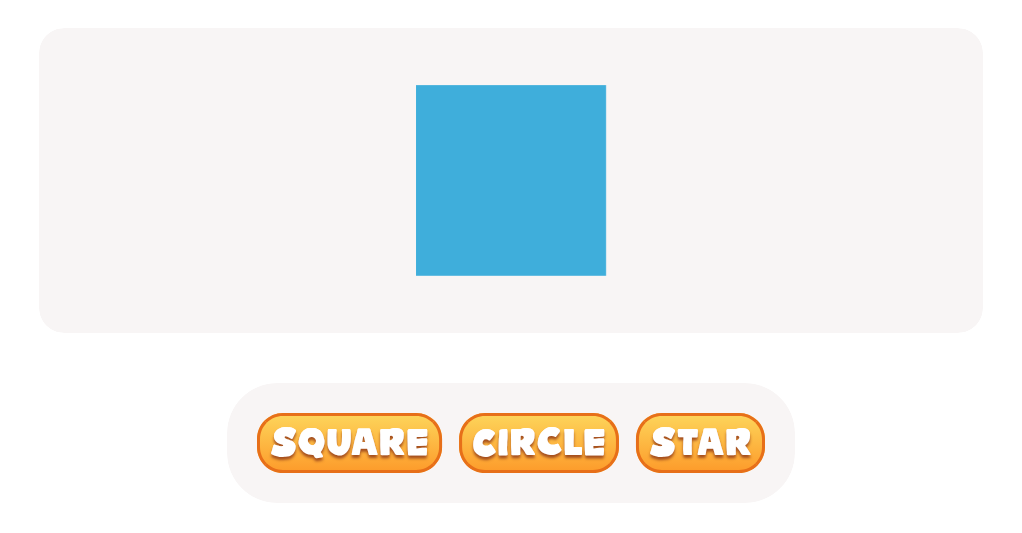
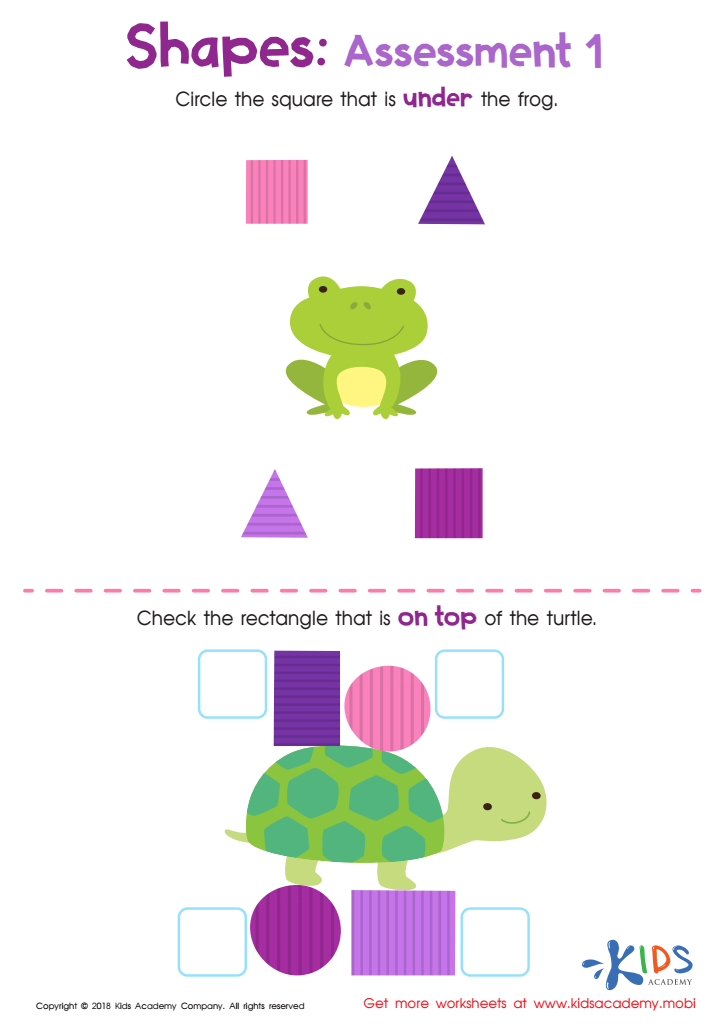
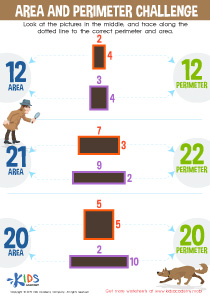
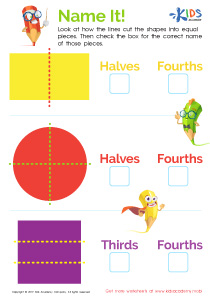
Geometry – Assessment 1 Worksheet
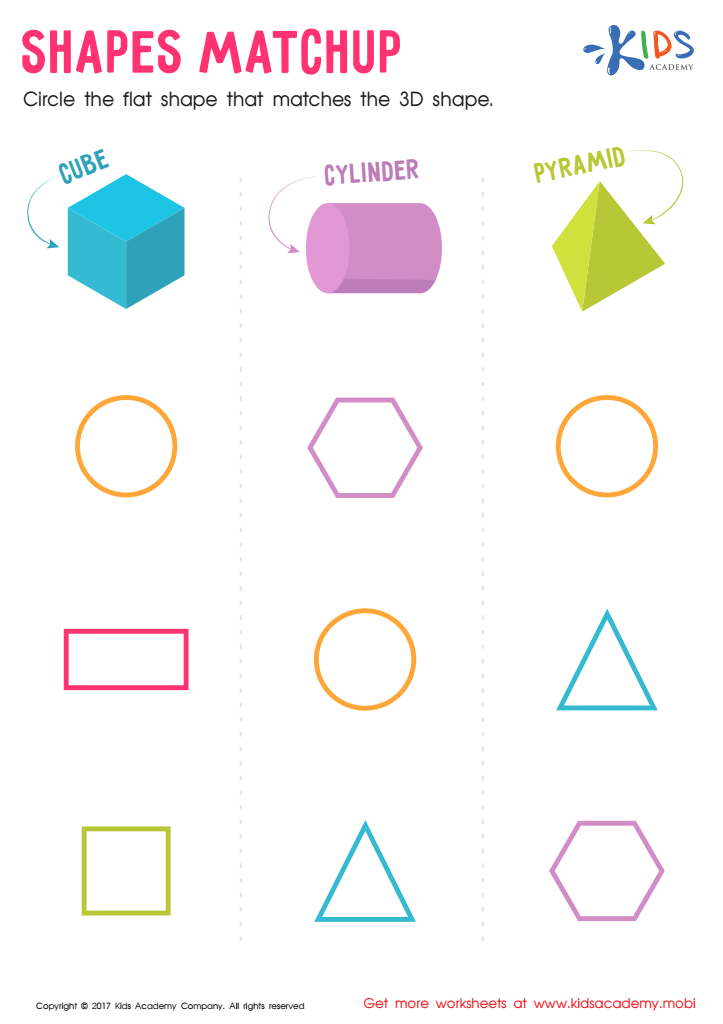
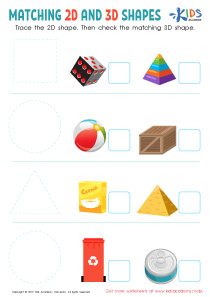
Shapes Matchup Worksheet








Understanding basic geometry and 2D shapes is crucial for children ages 5-9 as it lays the foundation for essential cognitive and spatial skills. At this age, children are naturally curious and eager to explore their environment, making it the perfect time for them to learn about shapes like circles, squares, triangles, and rectangles.
First, mastering 2D shapes enhances their problem-solving abilities. It encourages analytical thinking as they identify, categorize, and relate shapes to everyday objects. For instance, recognizing that a pizza is round helps in grasping the concept of a circle in real life.
Secondly, shape knowledge fosters creativity and imagination. When children understand how to manipulate shapes, they can experiment with designing their own patterns and artwork, promoting fine motor skills and self-expression.
Furthermore, basic geometry serves as a gateway to more complex mathematical concepts in later years. By understanding shapes, children can better grasp measurements, area, and other mathematical principles in future learning.
Lastly, these skills play a role in everyday life, from navigating spaces to understanding visual information, ultimately supporting their successful development in both academic and life skills. Therefore, parents and teachers should prioritize geometry education during these formative years.