Filters

17 filtered results

Clear all filters
Favorites
With answer key
Interactive

17 filtered results

Difficulty Level

Grade


Subject

    "Cognitive Development Adding in the Forest Worksheets for Ages 5-9" are expertly designed to boost young minds while immersing them in a captivating woodland adventure. These printable worksheets not only enhance math skills but also foster critical cognitive abilities such as problem-solving, attention to detail, and logical thinking. Perfectly suited for kids ages 5-9, our fun and engaging activities make learning addition an enjoyable experience. As children journey through the forest, they'll find opportunities to strengthen their memory and concentration while solving exciting math challenges. Equip your child with essential cognitive skills and make math fun with our enchanting forest-themed addition worksheets.
    Check out this FREE Trial Lesson on Adding in the Forest for age 5-9!

    X

    Favorites
    With answer key
    Interactive
    • 5-9
    • Cognitive Development
    • Adding in the Forest
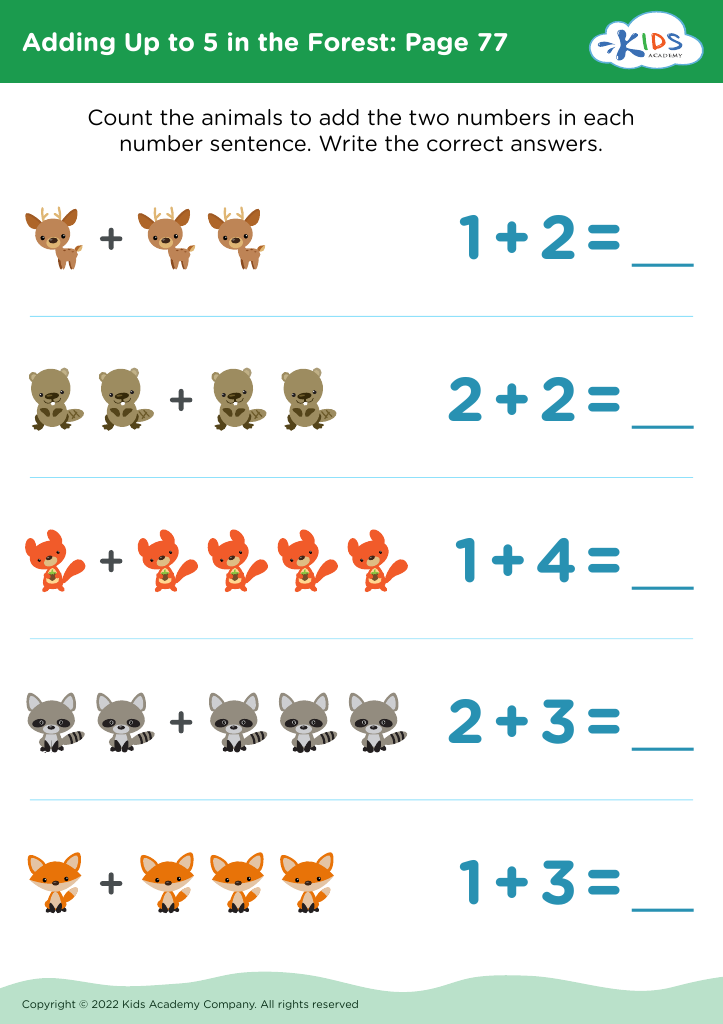
    Adding Up to 5 in the Forest: Page 77
    Adding Up to 5 in the Forest: Page 77
    Adding Up to 5 in the Forest: Page 77
    Worksheet
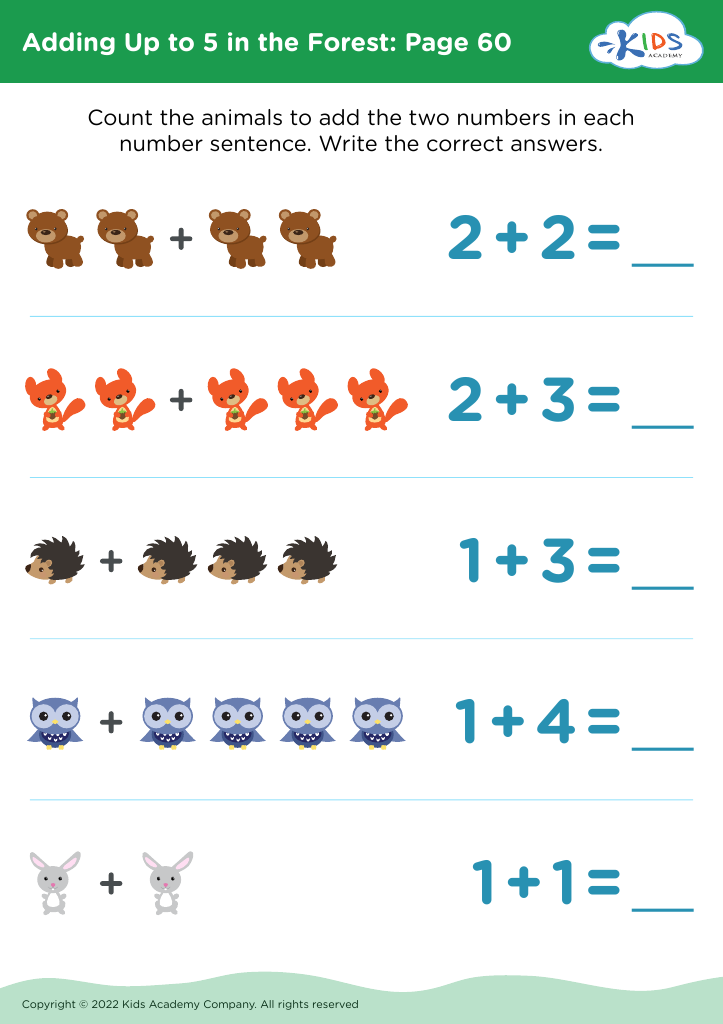
    Adding Up to 5 in the Forest: Page 60
    Adding Up to 5 in the Forest: Page 60
    Adding Up to 5 in the Forest: Page 60
    Worksheet
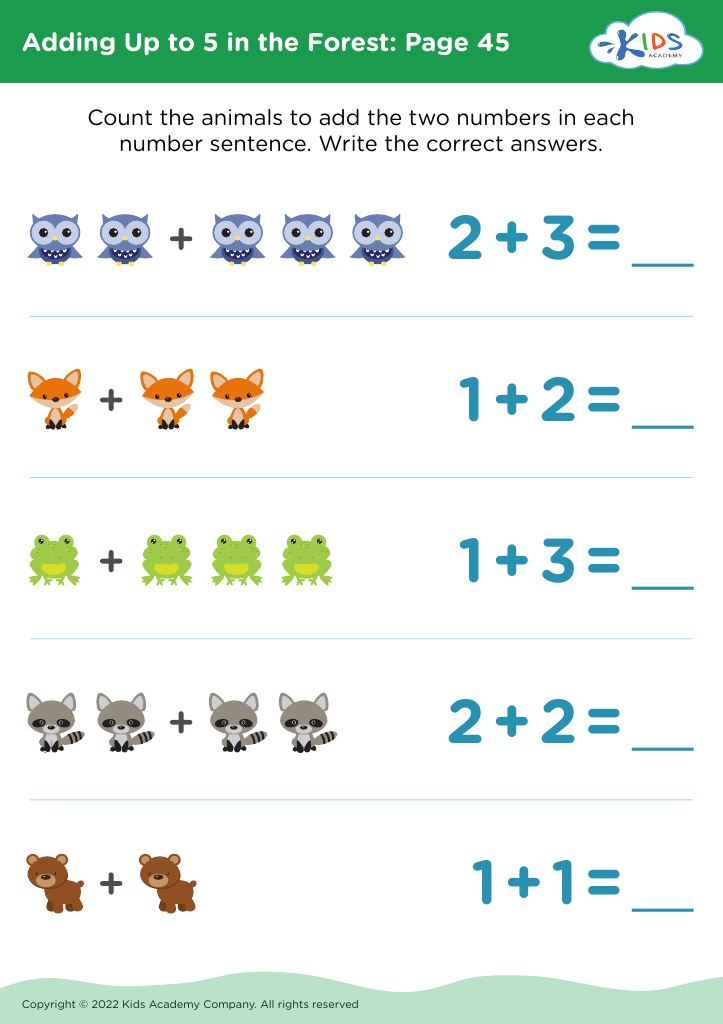
    Adding Up to 5 in the Forest: Page 45
    Adding Up to 5 in the Forest: Page 45
    Adding Up to 5 in the Forest: Page 45
    Worksheet
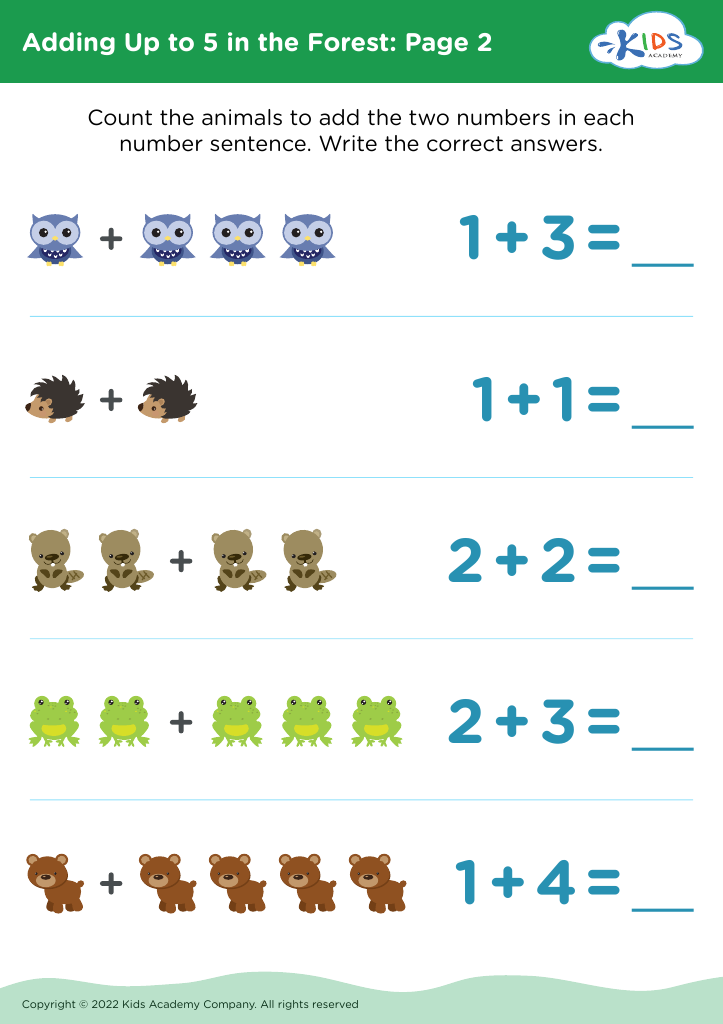
    Adding Up to 5 in the Forest: Page 2
    Adding Up to 5 in the Forest: Page 2
    Adding Up to 5 in the Forest: Page 2
    Worksheet
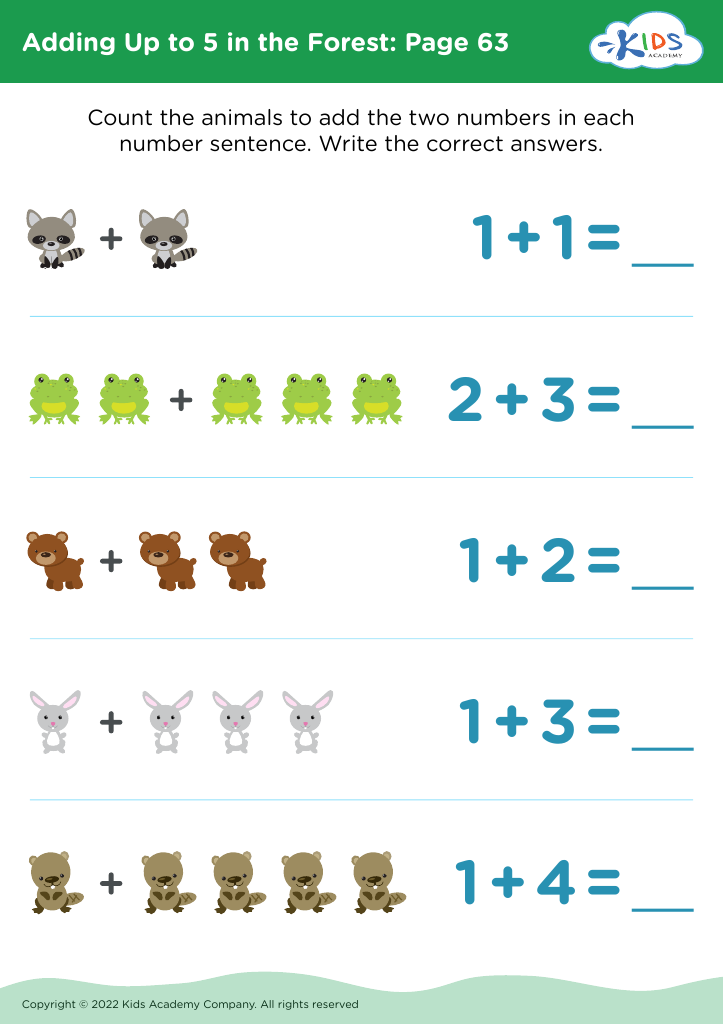
    Adding Up to 5 in the Forest: Page 63
    Adding Up to 5 in the Forest: Page 63
    Adding Up to 5 in the Forest: Page 63
    Worksheet
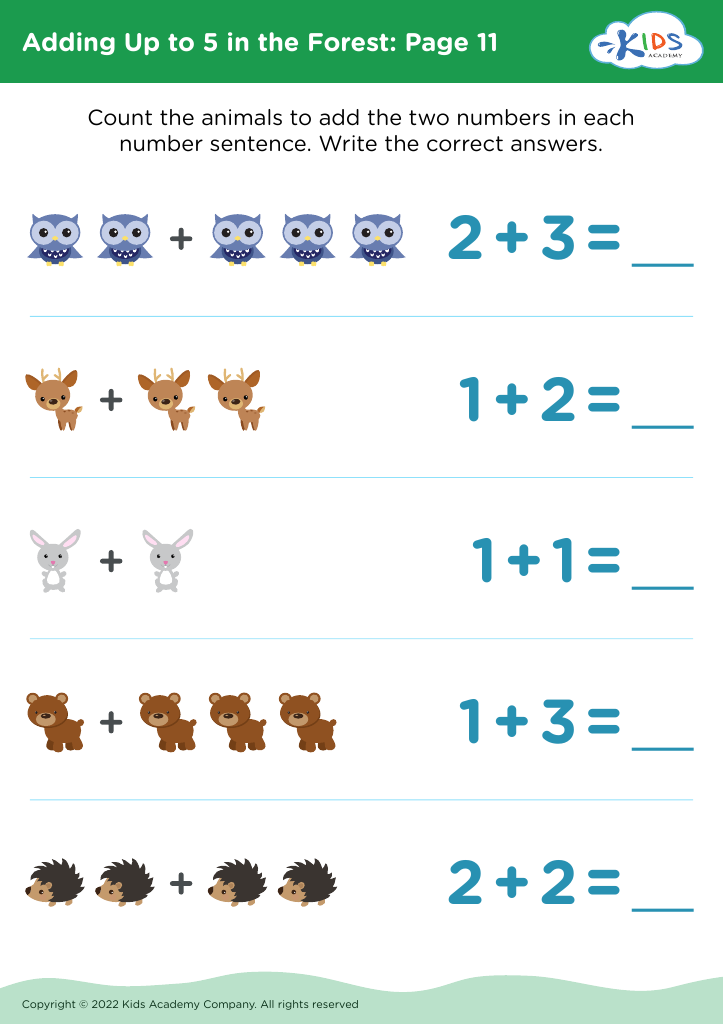
    Adding Up to 5 in the Forest: Page 11
    Adding Up to 5 in the Forest: Page 11
    Adding Up to 5 in the Forest: Page 11
    Worksheet
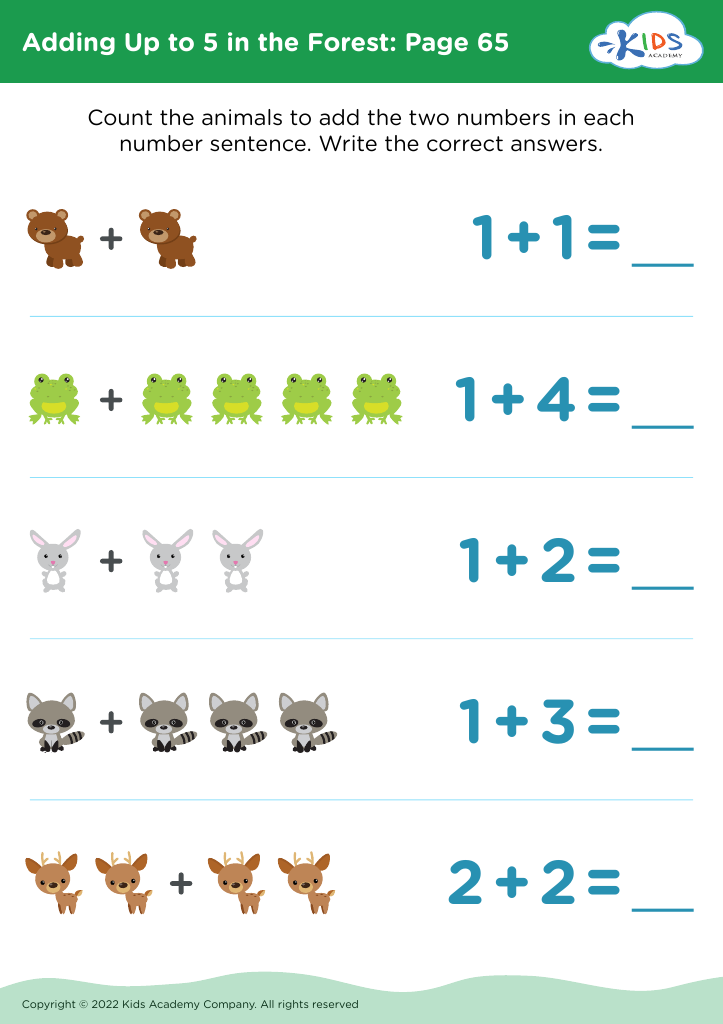
    Adding Up to 5 in the Forest: Page 65
    Adding Up to 5 in the Forest: Page 65
    Adding Up to 5 in the Forest: Page 65
    Worksheet
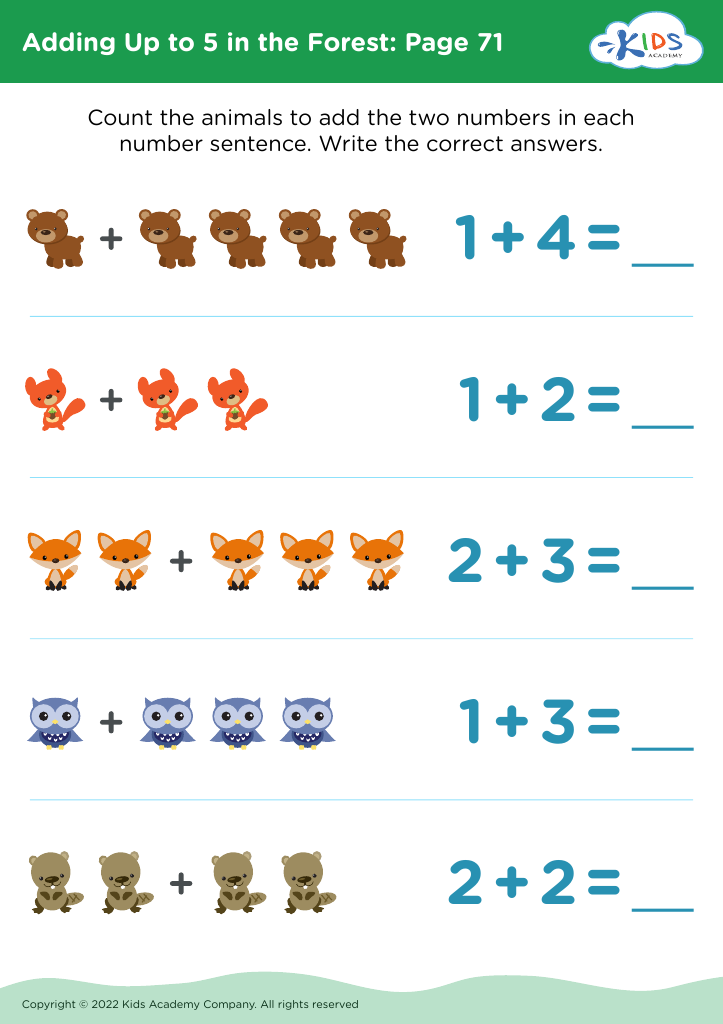
    Adding Up to 5 in the Forest: Page 71
    Adding Up to 5 in the Forest: Page 71
    Adding Up to 5 in the Forest: Page 71
    Worksheet
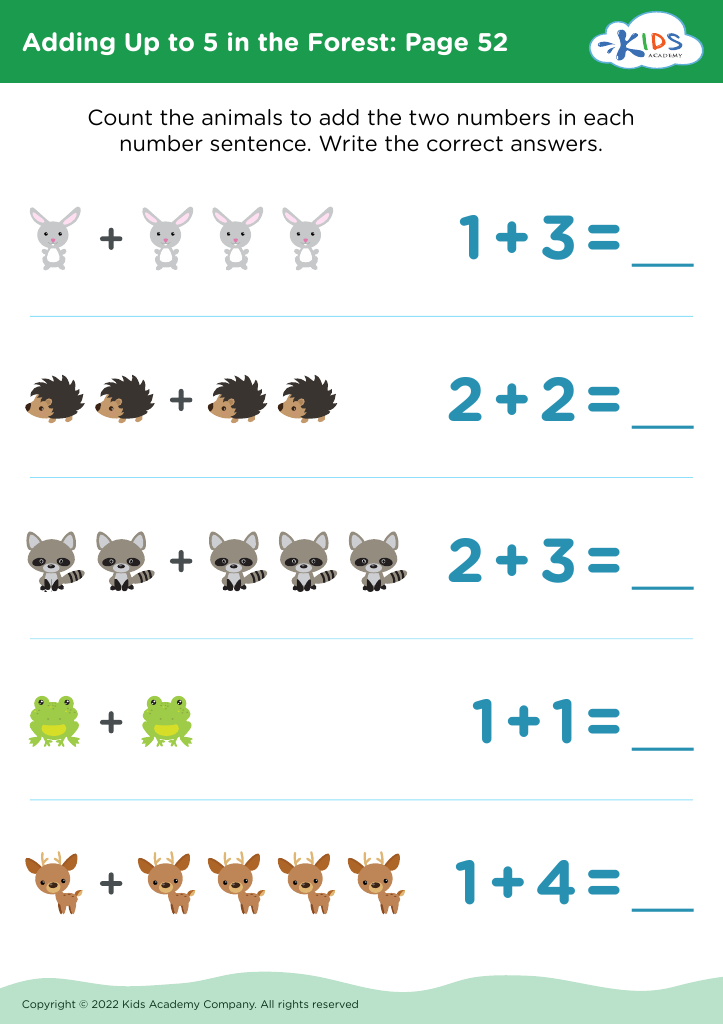
    Adding Up to 5 in the Forest: Page 52
    Adding Up to 5 in the Forest: Page 52
    Adding Up to 5 in the Forest: Page 52
    Worksheet
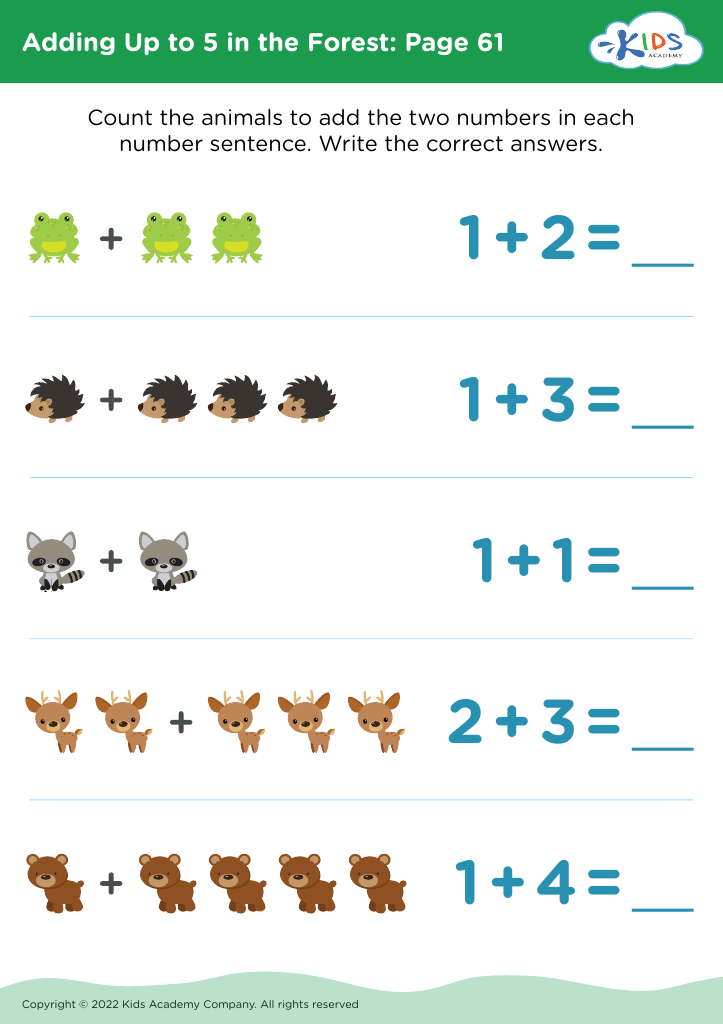
    Adding Up to 5 in the Forest: Page 61
    Adding Up to 5 in the Forest: Page 61
    Adding Up to 5 in the Forest: Page 61
    Worksheet
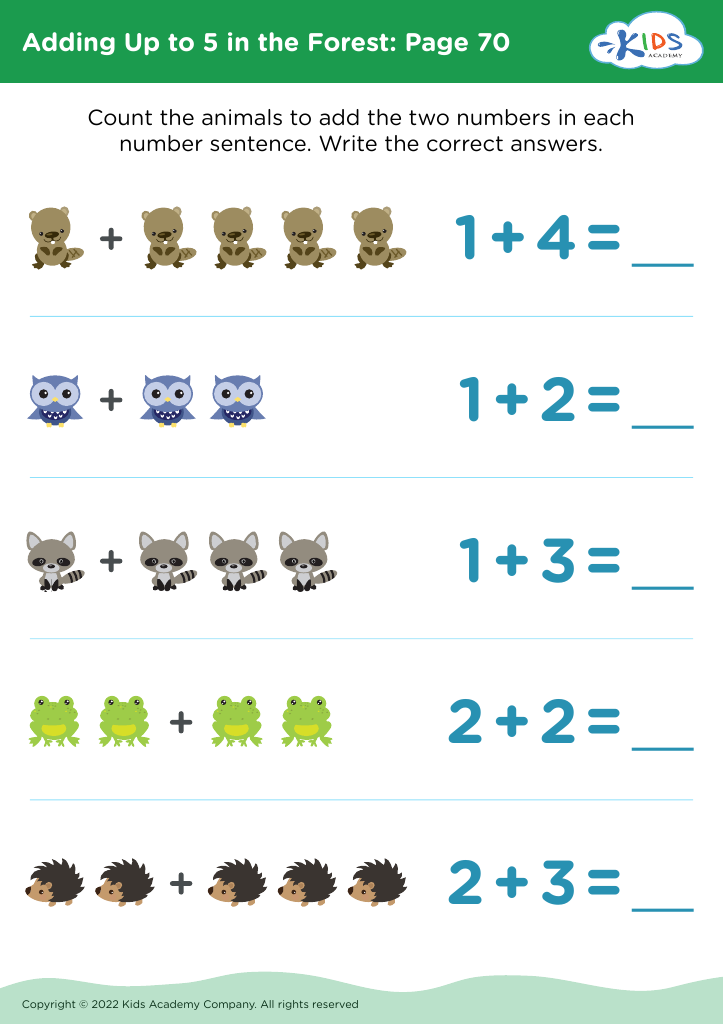
    Adding Up to 5 in the Forest: Page 70
    Adding Up to 5 in the Forest: Page 70
    Adding Up to 5 in the Forest: Page 70
    Worksheet
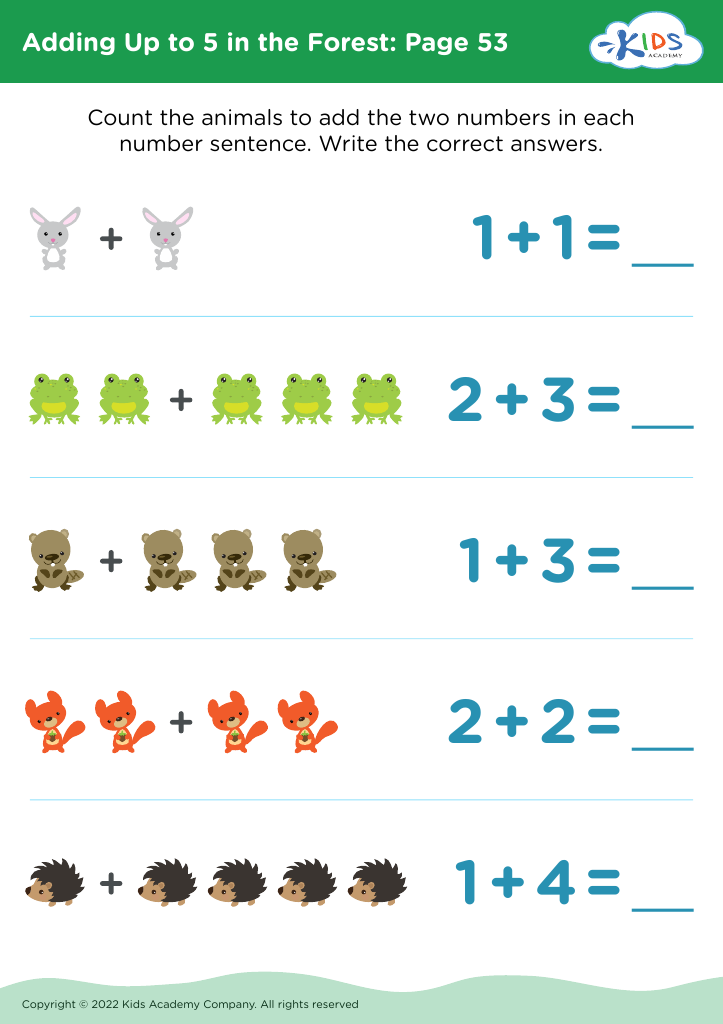
    Adding Up to 5 in the Forest: Page 53
    Adding Up to 5 in the Forest: Page 53
    Adding Up to 5 in the Forest: Page 53
    Worksheet
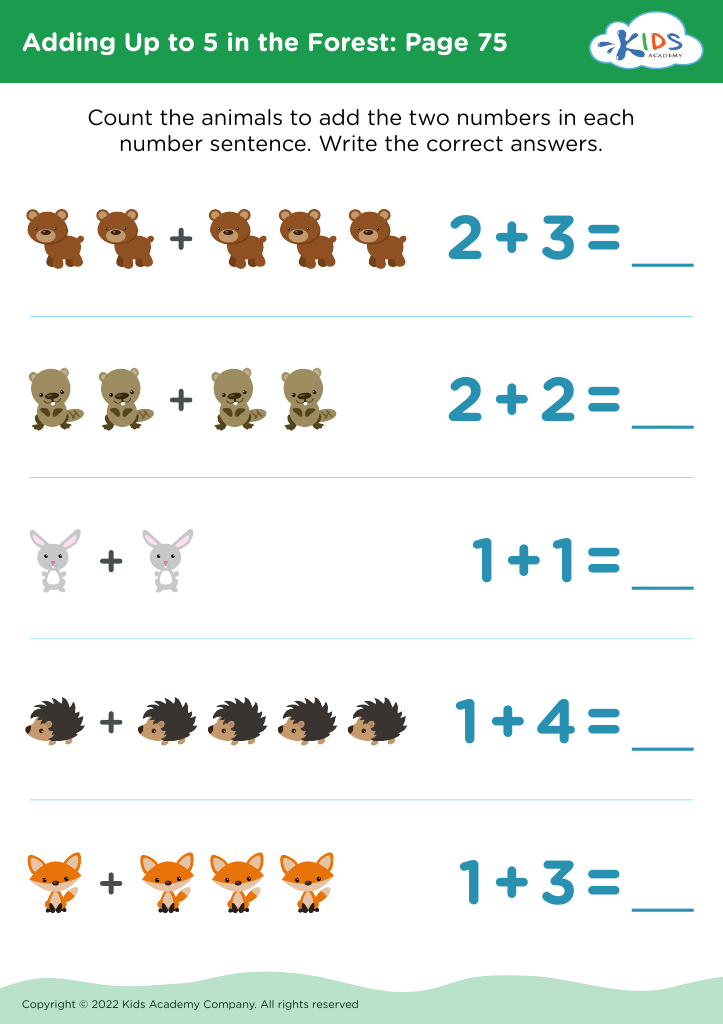
    Adding Up to 5 in the Forest: Page 75
    Adding Up to 5 in the Forest: Page 75
    Adding Up to 5 in the Forest: Page 75
    Worksheet
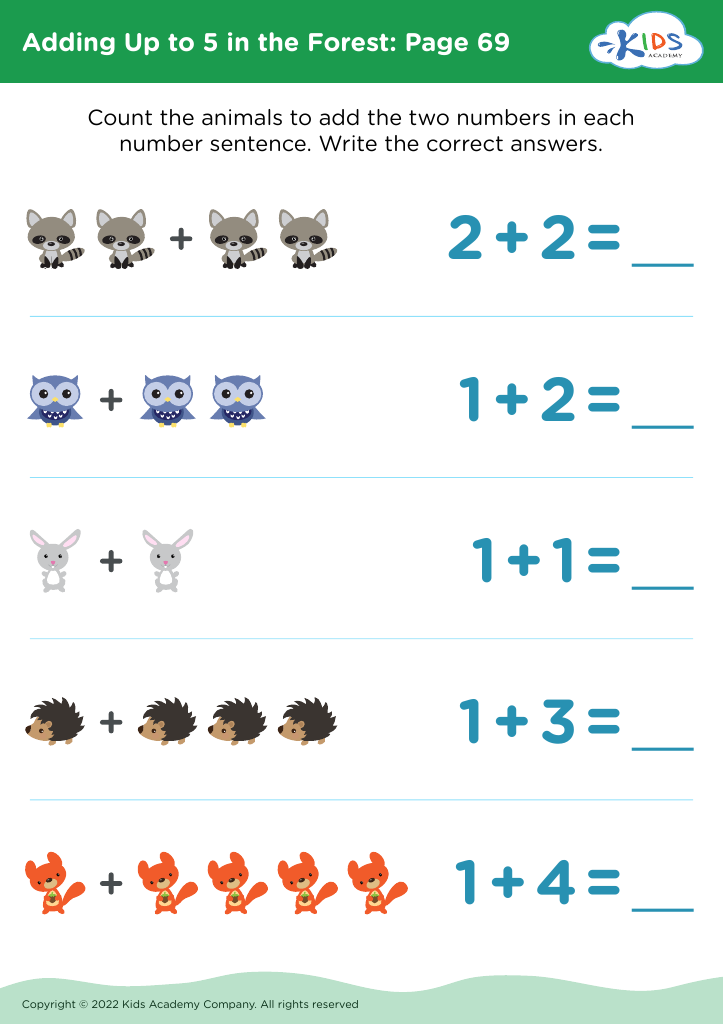
    Adding Up to 5 in the Forest: Page 69
    Adding Up to 5 in the Forest: Page 69
    Adding Up to 5 in the Forest: Page 69
    Worksheet
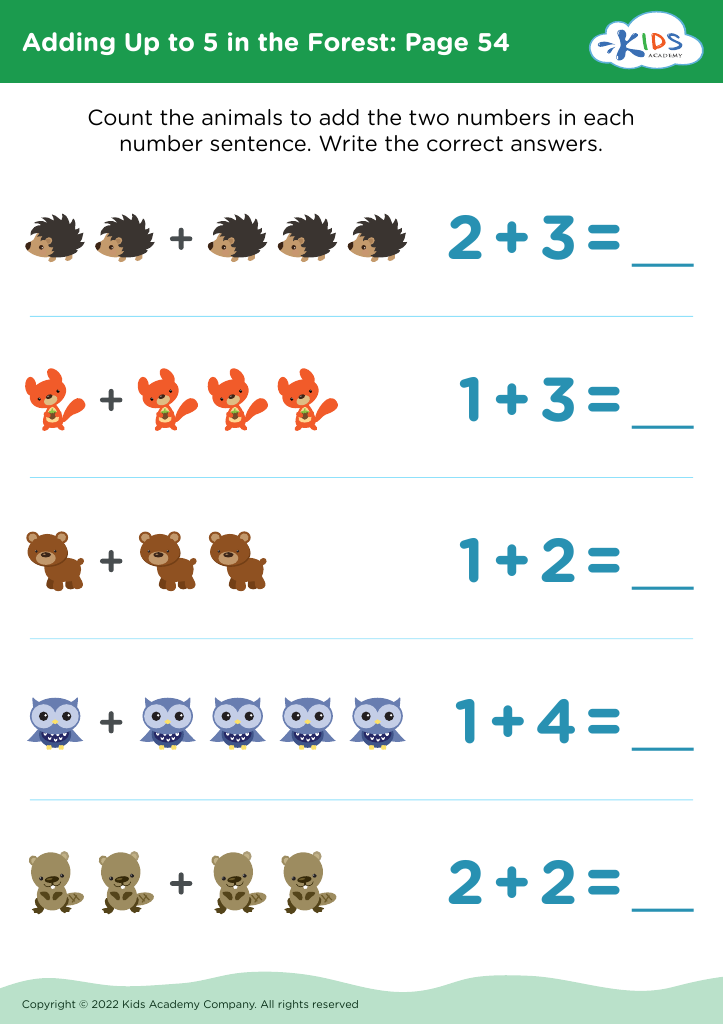
    Adding Up to 5 in the Forest: Page 54
    Adding Up to 5 in the Forest: Page 54
    Adding Up to 5 in the Forest: Page 54
    Worksheet
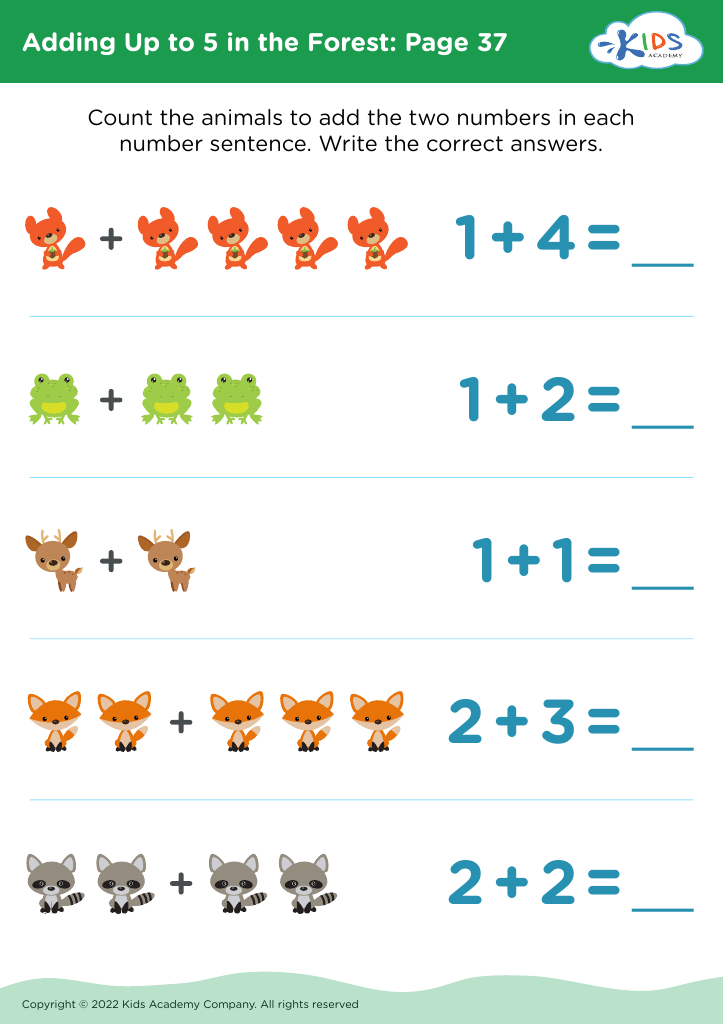
    Adding Up to 5 in the Forest: Page 37
    Adding Up to 5 in the Forest: Page 37
    Adding Up to 5 in the Forest: Page 37
    Worksheet
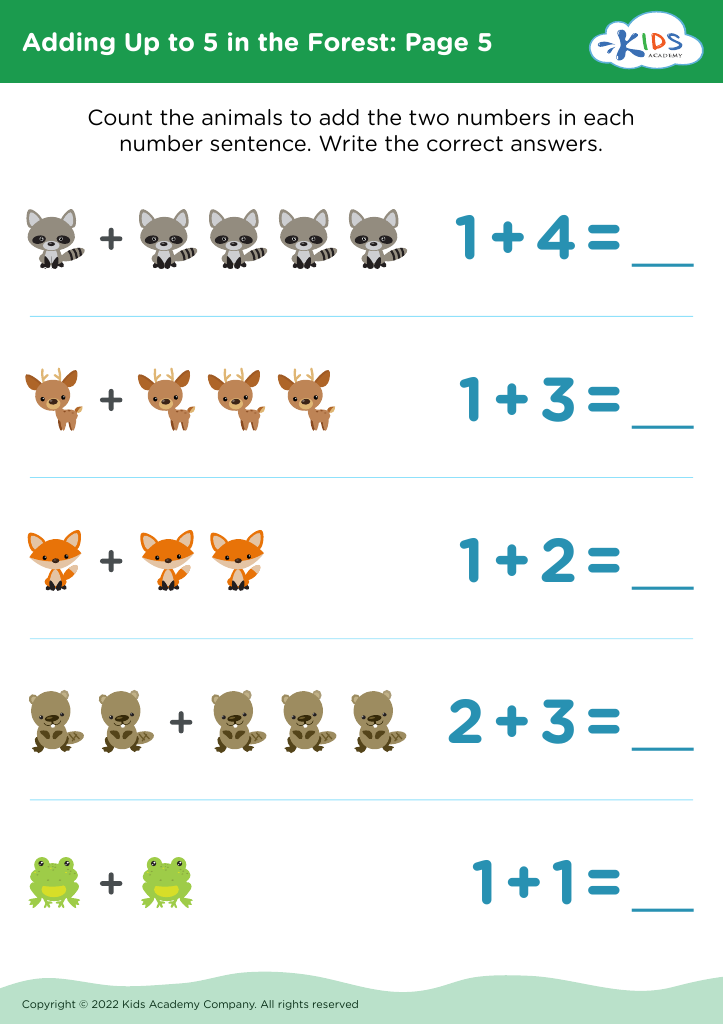
    Adding Up to 5 in the Forest: Page 5
    Adding Up to 5 in the Forest: Page 5
    Adding Up to 5 in the Forest: Page 5
    Worksheet


    Cognitive development is crucial for children aged 5-9 as it encompasses the foundation for critical thinking, problem-solving, and understanding the world around them. Parents and teachers should pay particular attention to engaging children in cognitive-focused activities, such as "Cognitive Development Adding in the Forest," as these interactions are instrumental in shaping young minds.

    This activity introduces math concepts in a fun and relatable way, merging the beauty of nature with essential arithmetic skills. As children count and add objects they might find in a forest, like leaves or rocks, they're not only learning numbers and operations but also enhancing observational skills and establishing a connection with their environment. This dual focus supports a holistic approach to learning, promoting both cognitive and emotional development.

    Cognitive exercises like these also encourage curiosity and intrinsic motivation, which are fundamental drivers of long-term educational success. They equip children with the skills to approach problems methodically and come up with innovative solutions. Additionally, such activities can improve attention spans and memory, essential components of academic and personal growth.

    Therefore, prioritizing cognitive development through creative methods helps instill a lifelong love for learning, enhances intellectual capabilities, and prepares children for more complex subjects and real-life challenges. This development is not isolated; it's an essential part of overall child growth that warrants dedicated attention from both parents and teachers.