Underwater animal identification Adding in the Sea Worksheets for Ages 5-9
3 filtered results
-
From - To
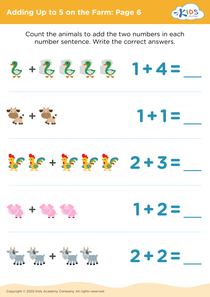
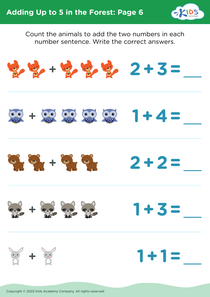
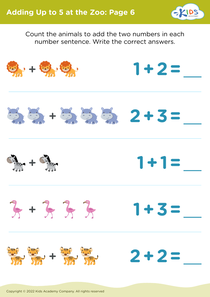
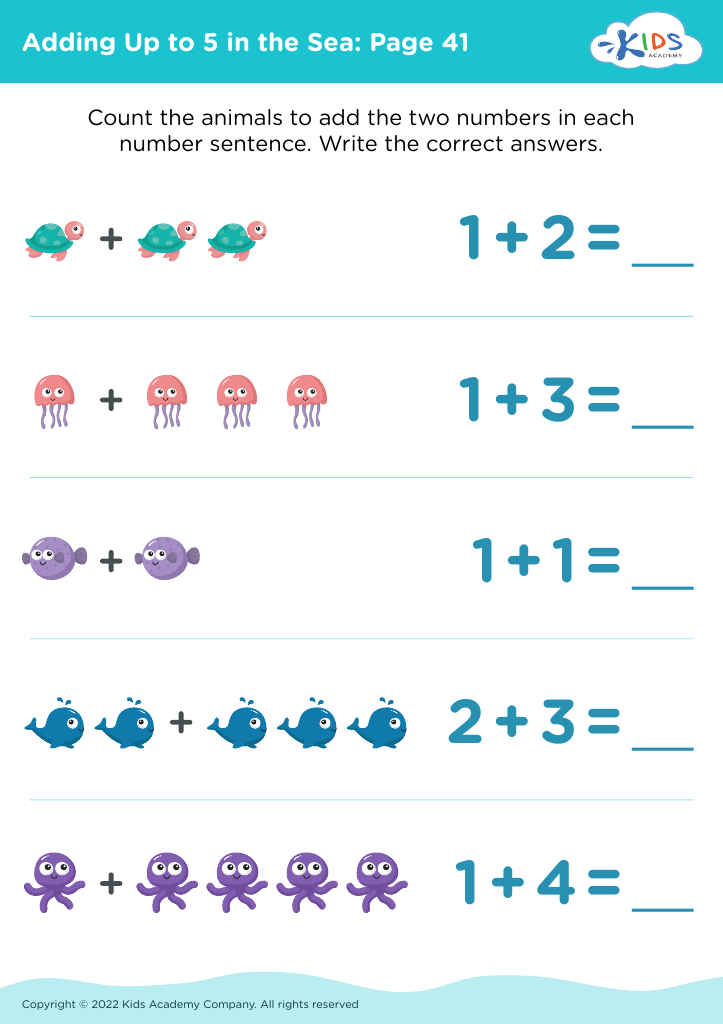
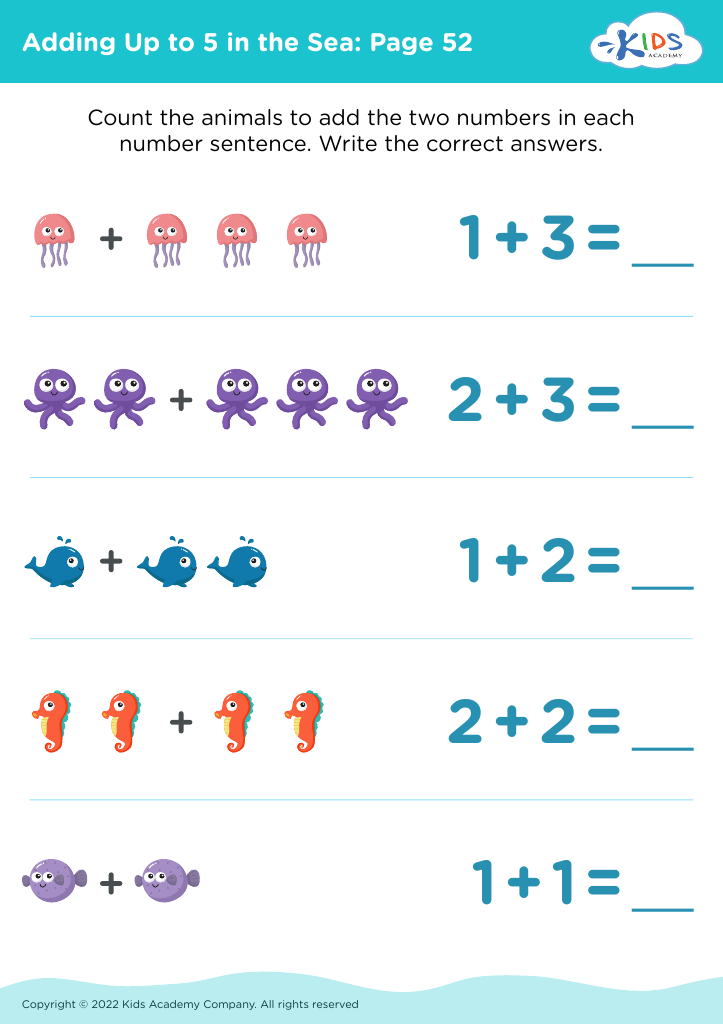
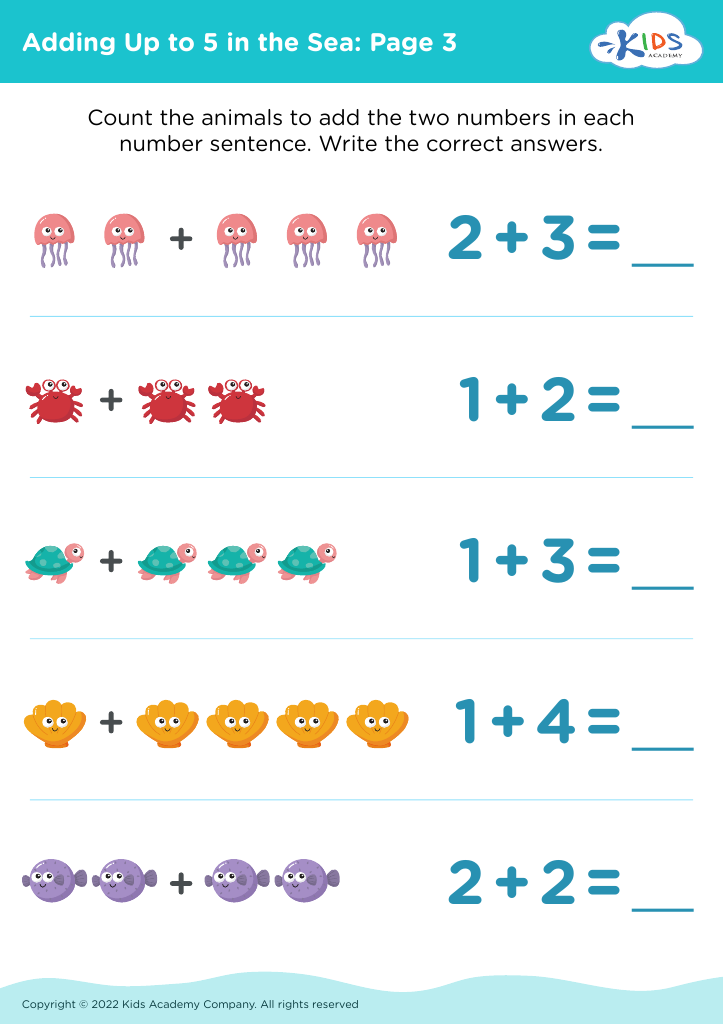
Dive into fun and learning with our "Underwater Animal Identification" worksheets tailored for kids aged 5-9! These engaging activities combine playful illustrations of ocean creatures with educational math exercises focused on addition. As children explore colorful images while practicing their counting and addition skills, they'll also learn to recognize a variety of fascinating underwater animals. Designed to spark curiosity and reinforce basic math concepts, these worksheets nurture a love for learning and help develop critical thinking skills. Ideal for parents and teachers striving to make math enjoyable, our "Adding in the Sea" worksheets provide an exciting educational experience. Happy learning!



Teaching young children about underwater animal identification is crucial for fostering a sense of wonder and respect for marine life. By introducing kids aged 5-9 to the vibrant world beneath the surface, parents and teachers can instill a foundation of curiosity about biodiversity and environmental stewardship. Understanding diverse species, from colorful fish to gentle sea turtles, encourages children to appreciate the delicate ecosystems that sustain them.
Engaging in underwater identification helps develop critical observation skills. Children learn to recognize patterns, colors, and shapes, enhancing not just their artistic abilities but also their scientific reasoning. This type of education promotes teamwork and communication, as children often share their findings, sparking conversations around marine habitats.
Moreover, with looming environmental challenges like climate change and pollution, educating young minds about marine life is vital. It nurtures a generation of informed advocates who may grow up to protect our oceans. By making learning fun, such as through interactive activities and sea-themed crafts, teachers and parents can create memorable experiences that reinforce these lessons. Overall, fostering an appreciation for underwater animals today can lead to passionate guardians of our planet tomorrow.