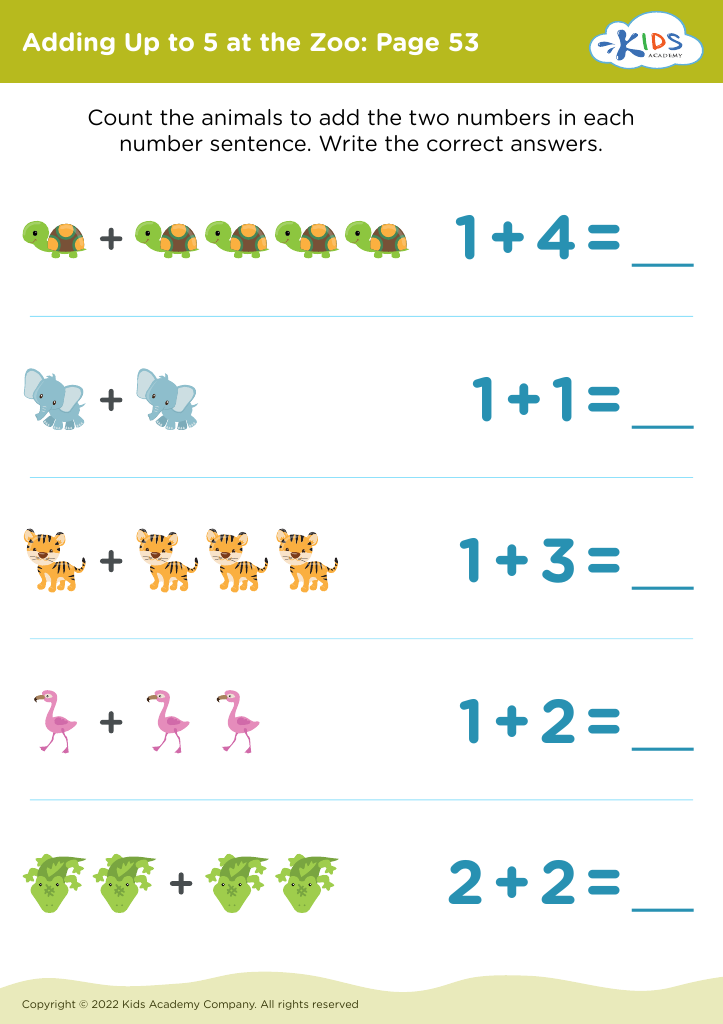
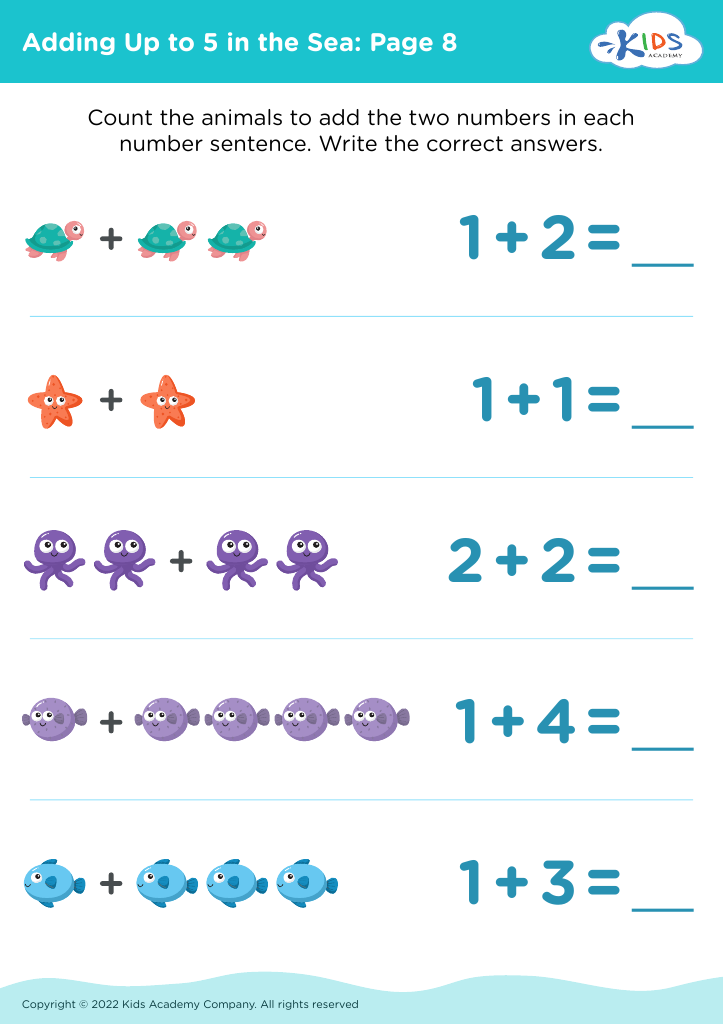
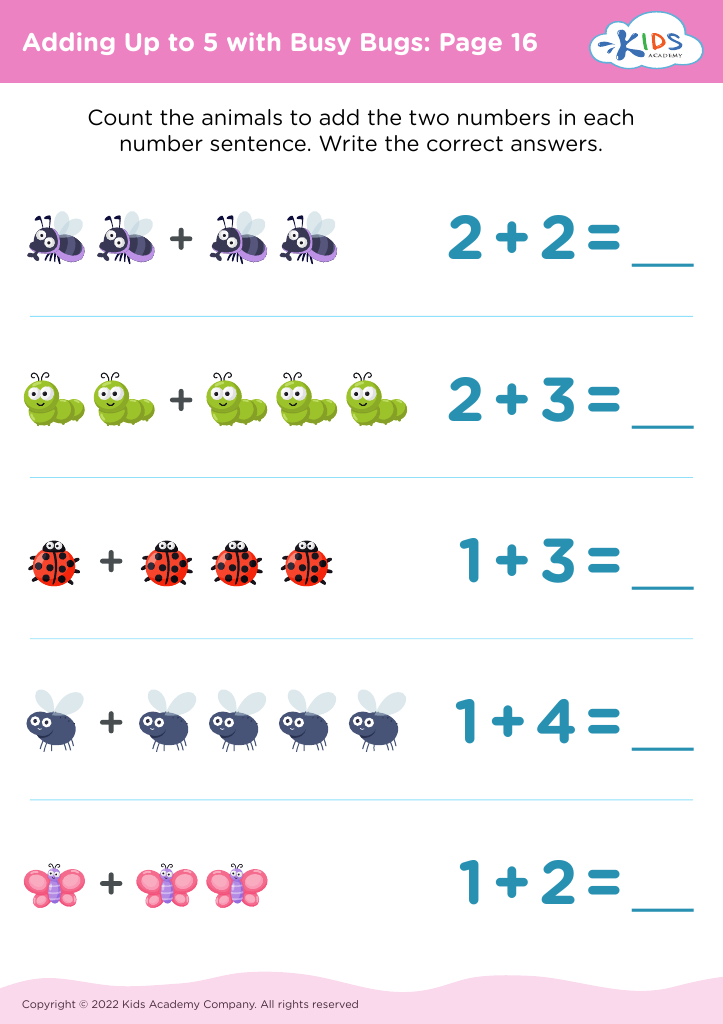
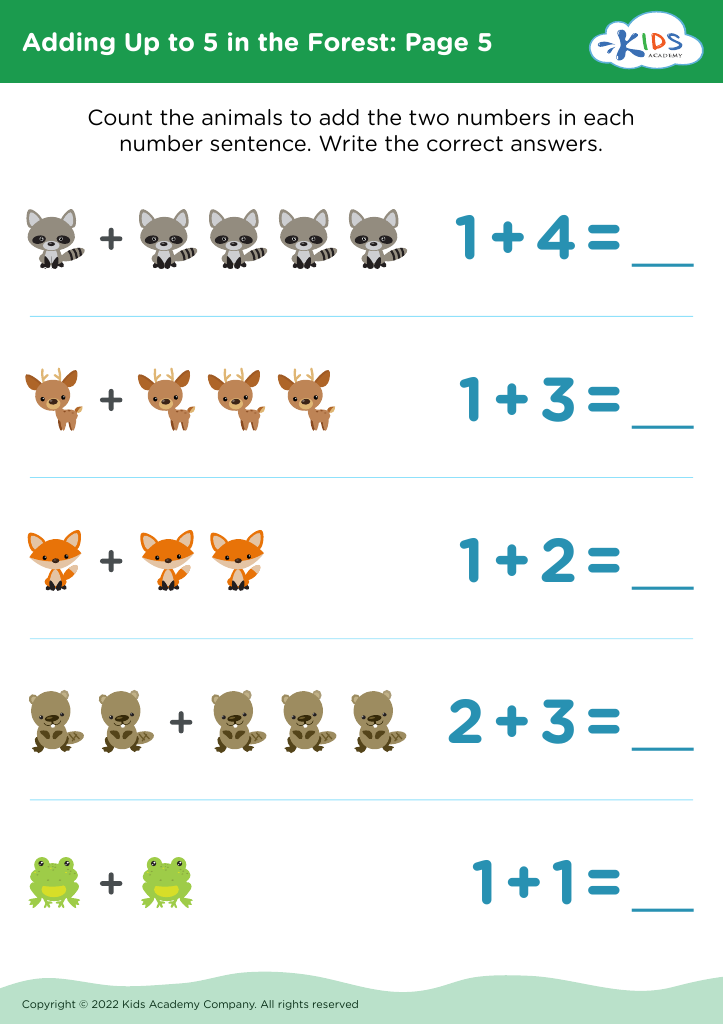
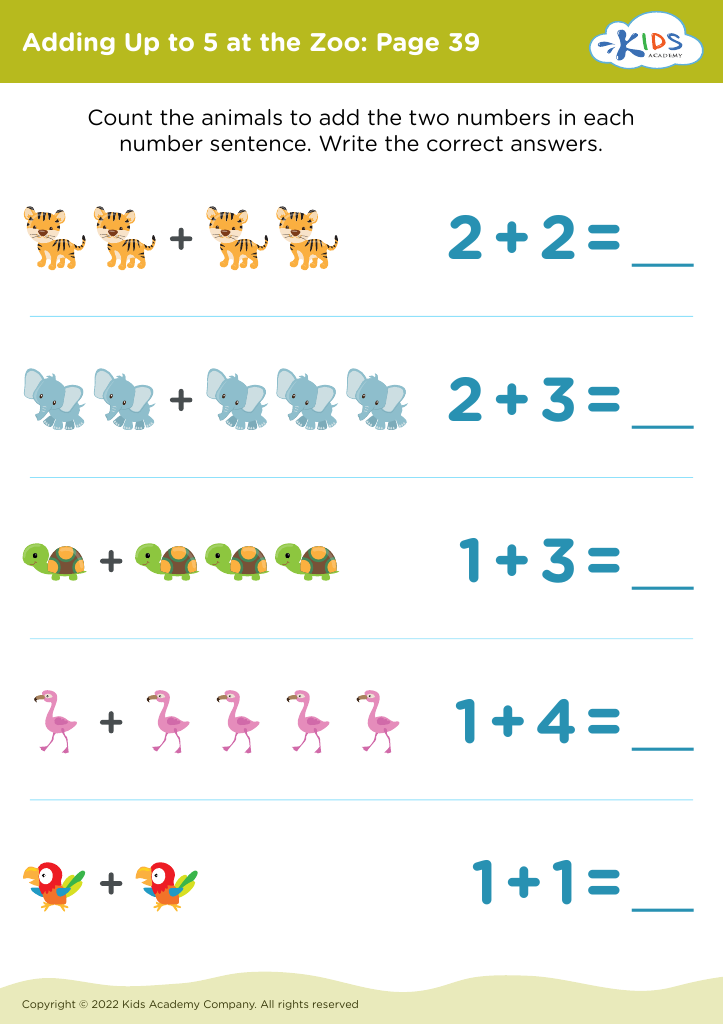
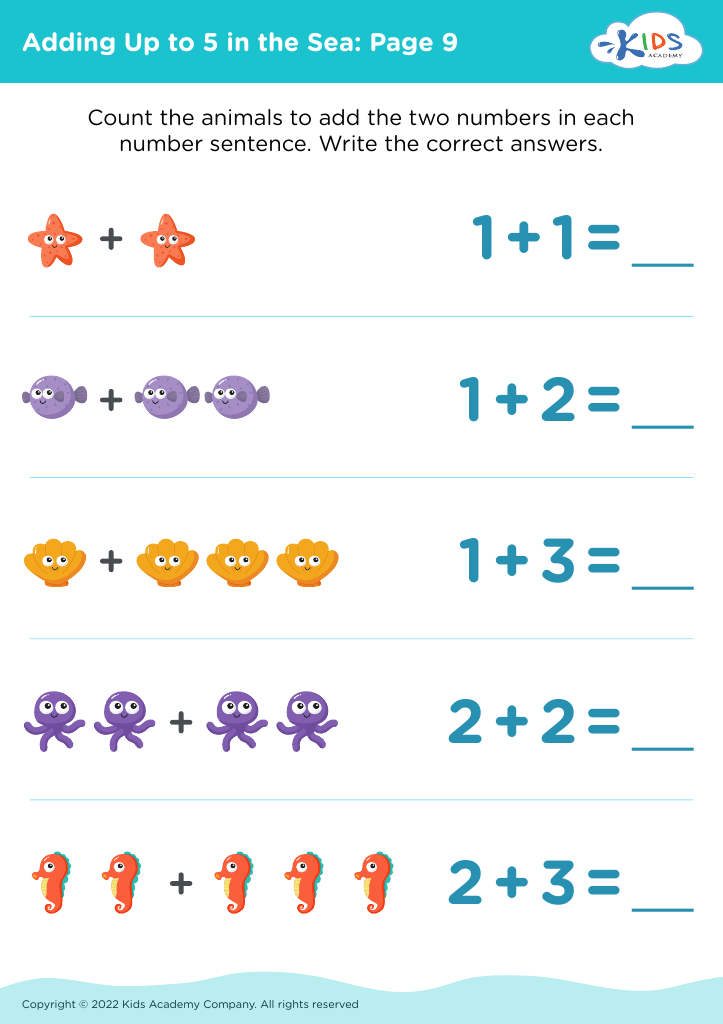






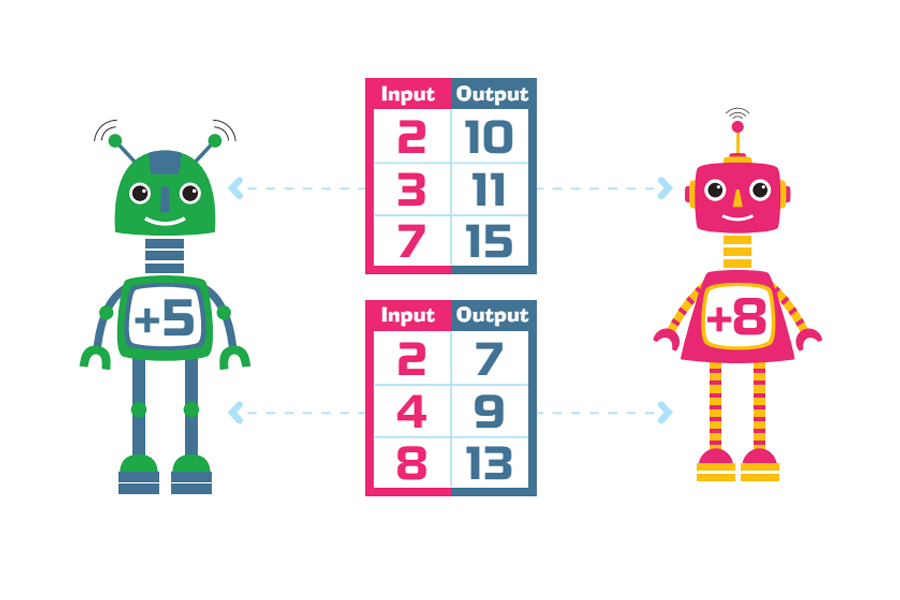

Addition skills, particularly adding up to 5 for children aged 5-9, are foundational in developing mathematical understanding and confidence. At this age, children are at a crucial stage where they begin to grasp basic concepts that will serve them throughout their educational journey. Mastering simple addition sets the stage for more complex arithmetic operations later on.
Understanding addition helps children develop critical thinking and problem-solving skills. As they learn to combine numbers, they start to recognize patterns and relationships within mathematics, laying the groundwork for future topics like subtraction and beyond. Additionally, proficiency in addition builds a sense of accomplishment, fostering a positive attitude towards math and enhancing overall academic self-esteem.
Parents and teachers play vital roles in this development. By engaging children with fun activities and practical applications of adding up to 5, they create a supportive learning environment that encourages exploration and curiosity. Moreover, focusing on these early math skills aids in ensuring that children are ready for more advanced concepts, preparing them for success in school and everyday life. In essence, fostering strong addition skills early on establishes a lifelong foundation for mathematical learning and everyday problem-solving.








