Filters

102 filtered results

Clear all filters
Favorites
With answer key
Interactive

102 filtered results

Difficulty Level

Grade


Subject

    Check out this FREE Trial Lesson on Adding Up to 5 for age 5-9!

    Sorting Objects into 3 Categories

    Favorites
    With answer key
    Interactive
    • 5-9
    • Counting skills
    • Adding Up to 5
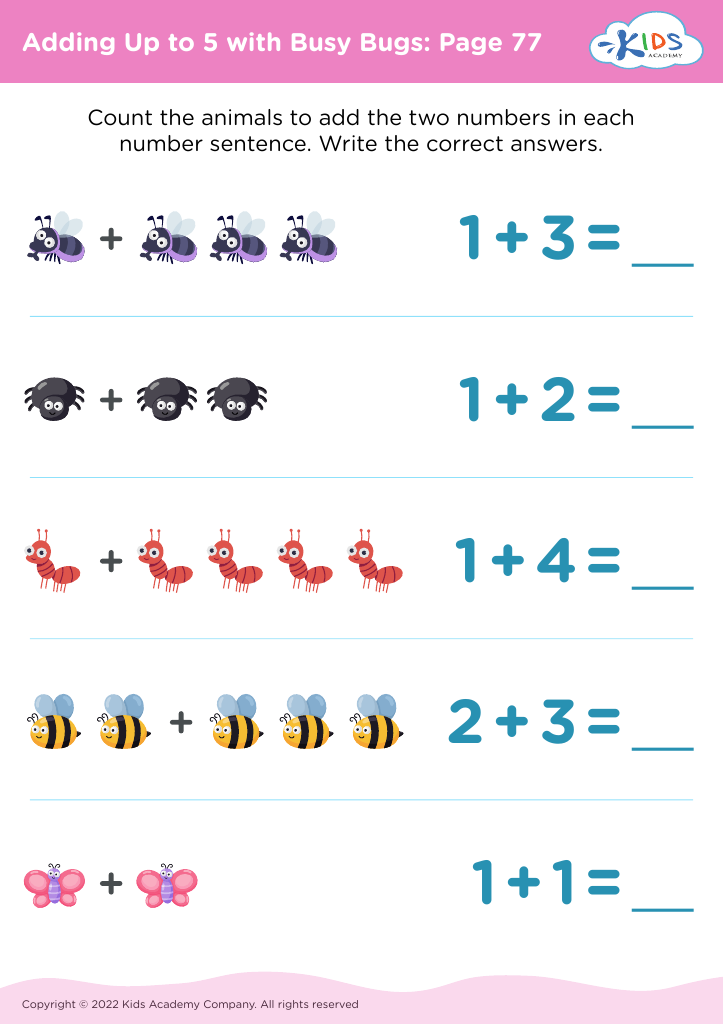
    Adding Up to 5 with Busy Bugs: Page 77
    Adding Up to 5 with Busy Bugs: Page 77
    Adding Up to 5 with Busy Bugs: Page 77
    Worksheet
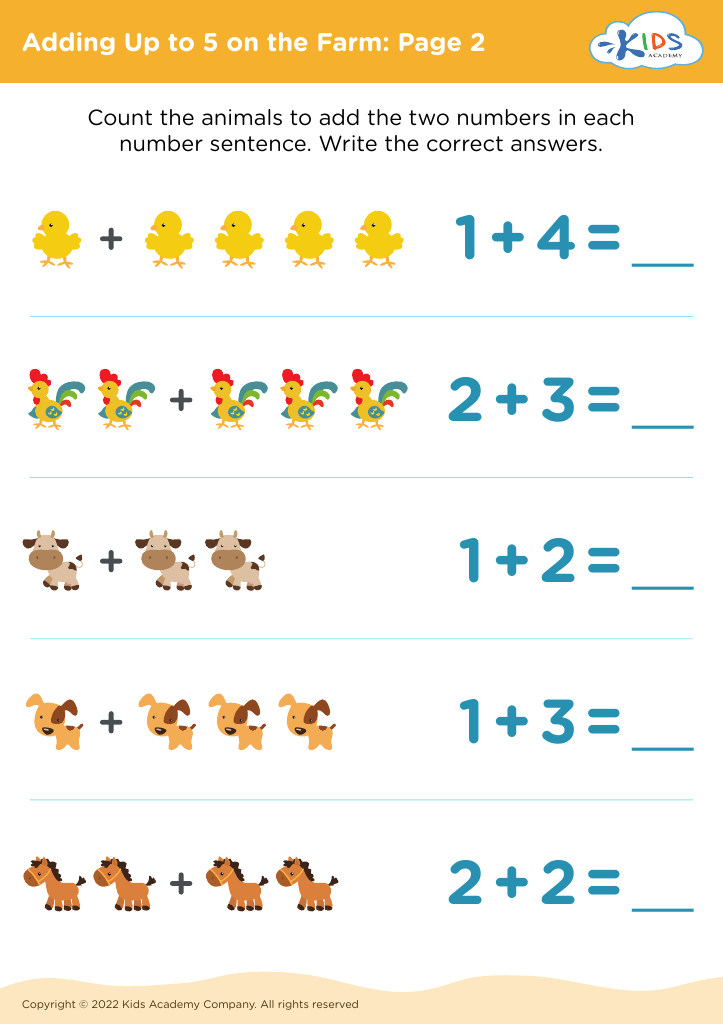
    Adding Up to 5 on the Farm: Page 2
    Adding Up to 5 on the Farm: Page 2
    Adding Up to 5 on the Farm: Page 2
    Worksheet
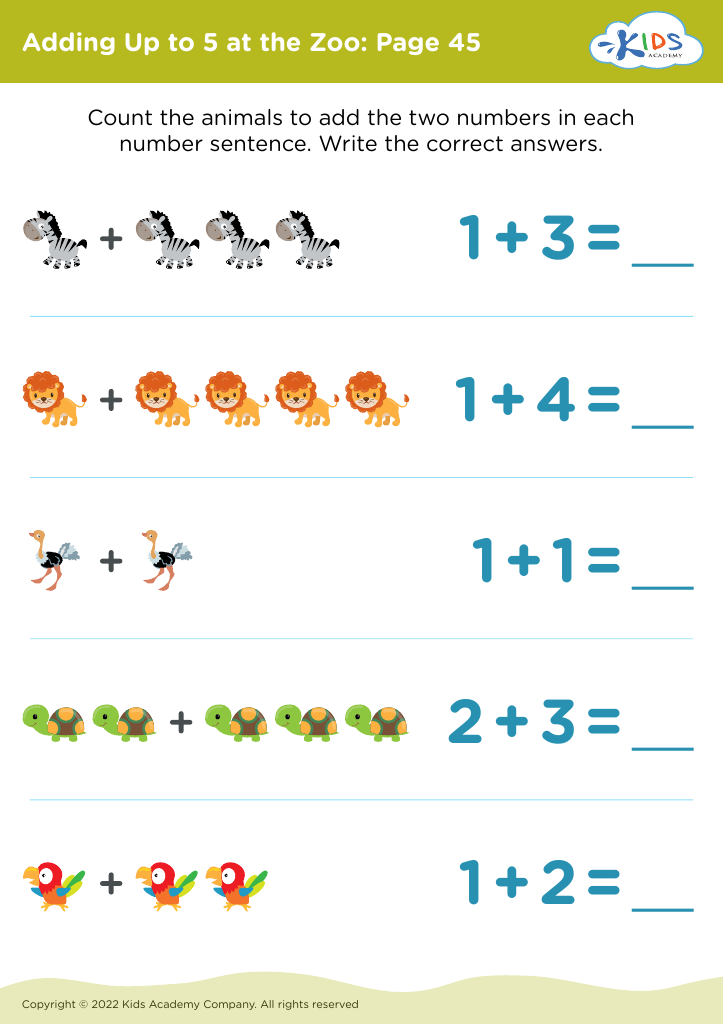
    Adding Up to 5 at the Zoo: Page 45
    Adding Up to 5 at the Zoo: Page 45
    Adding Up to 5 at the Zoo: Page 45
    Worksheet
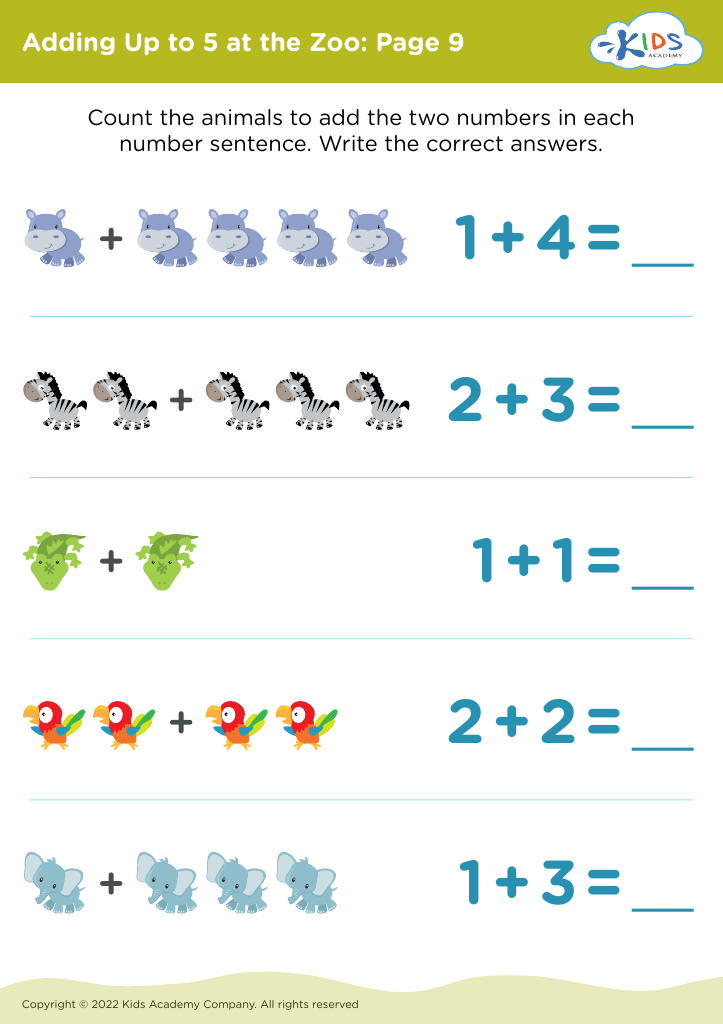
    Adding Up to 5 at the Zoo: Page 9
    Adding Up to 5 at the Zoo: Page 9

    Adding Up to 5 at the Zoo: Page 9

    Adding Up to 5 at the Zoo: Page 9
    Worksheet
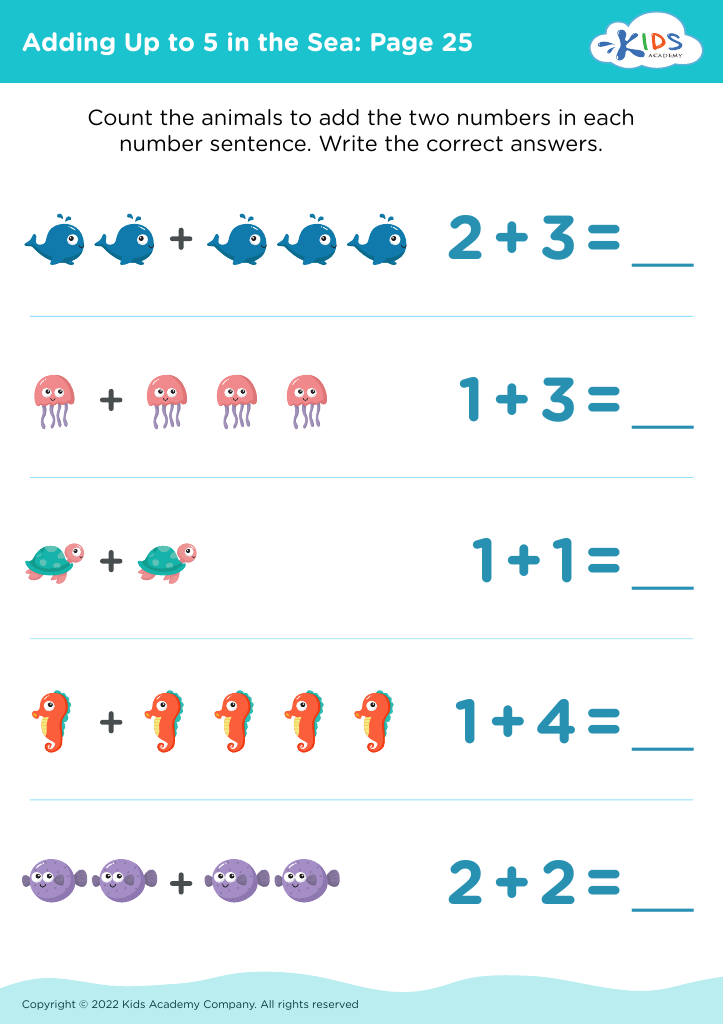
    Adding Up to 5 in the Sea: Page 25
    Adding Up to 5 in the Sea: Page 25
    Adding Up to 5 in the Sea: Page 25
    Worksheet
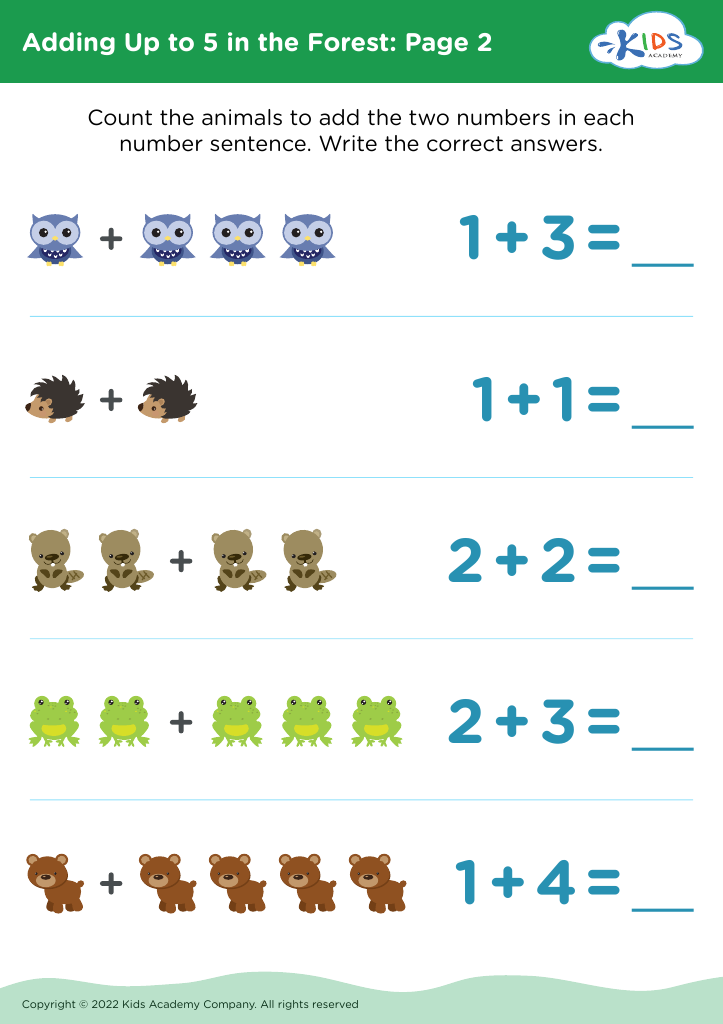
    Adding Up to 5 in the Forest: Page 2
    Adding Up to 5 in the Forest: Page 2
    Adding Up to 5 in the Forest: Page 2
    Worksheet
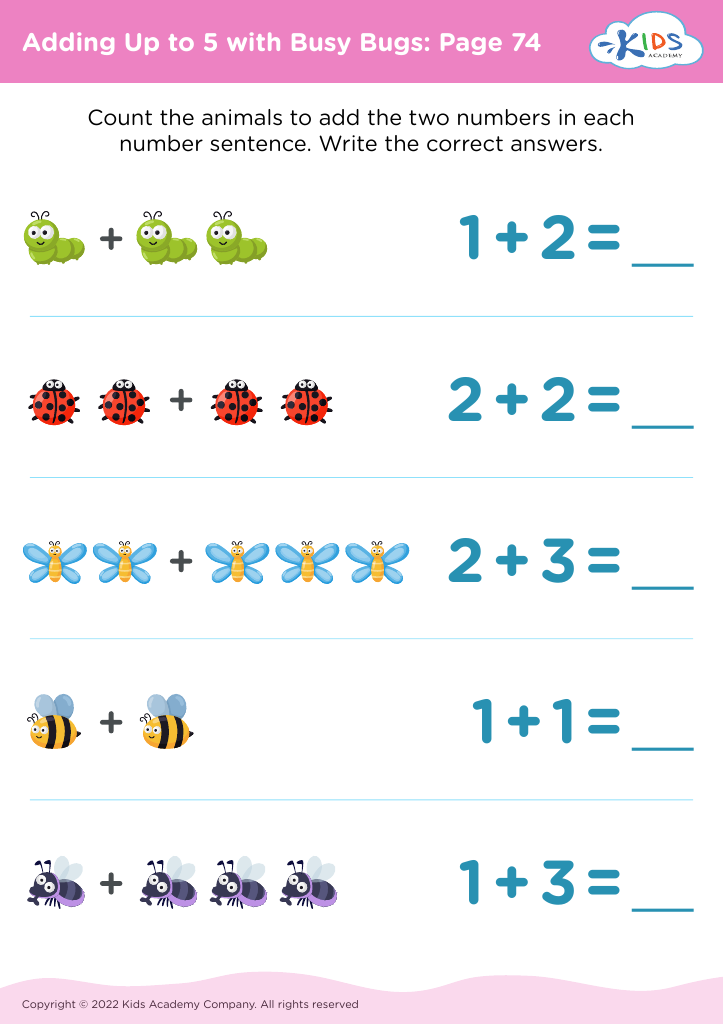
    Adding Up to 5 with Busy Bugs: Page 74
    Adding Up to 5 with Busy Bugs: Page 74
    Adding Up to 5 with Busy Bugs: Page 74
    Worksheet
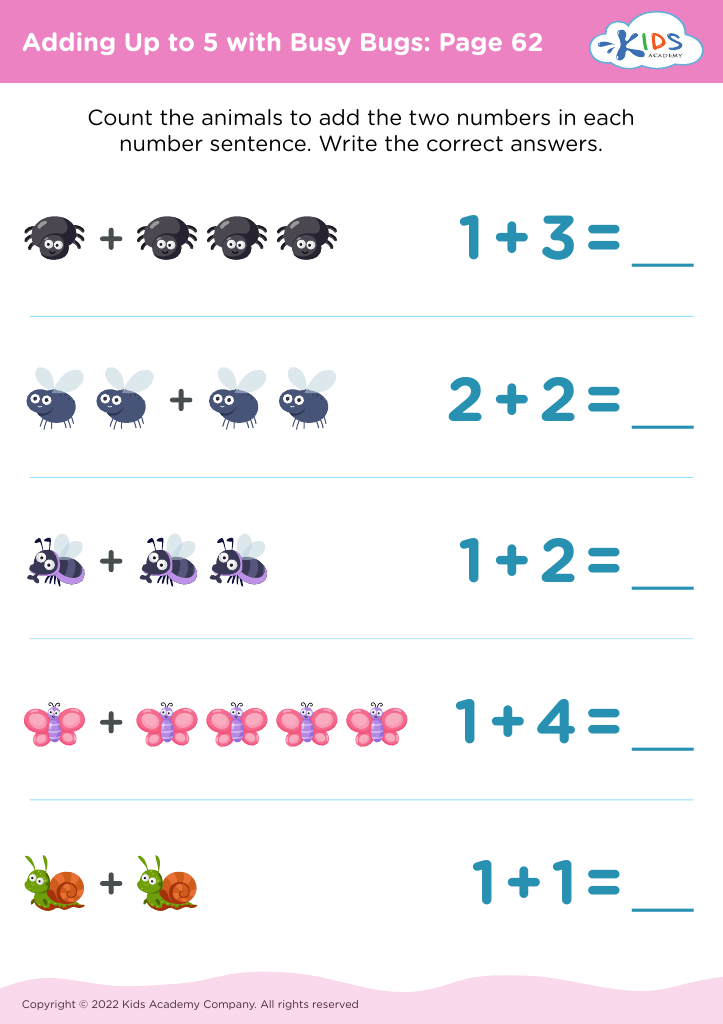
    Adding Up to 5 with Busy Bugs: Page 62
    Adding Up to 5 with Busy Bugs: Page 62
    Adding Up to 5 with Busy Bugs: Page 62
    Worksheet
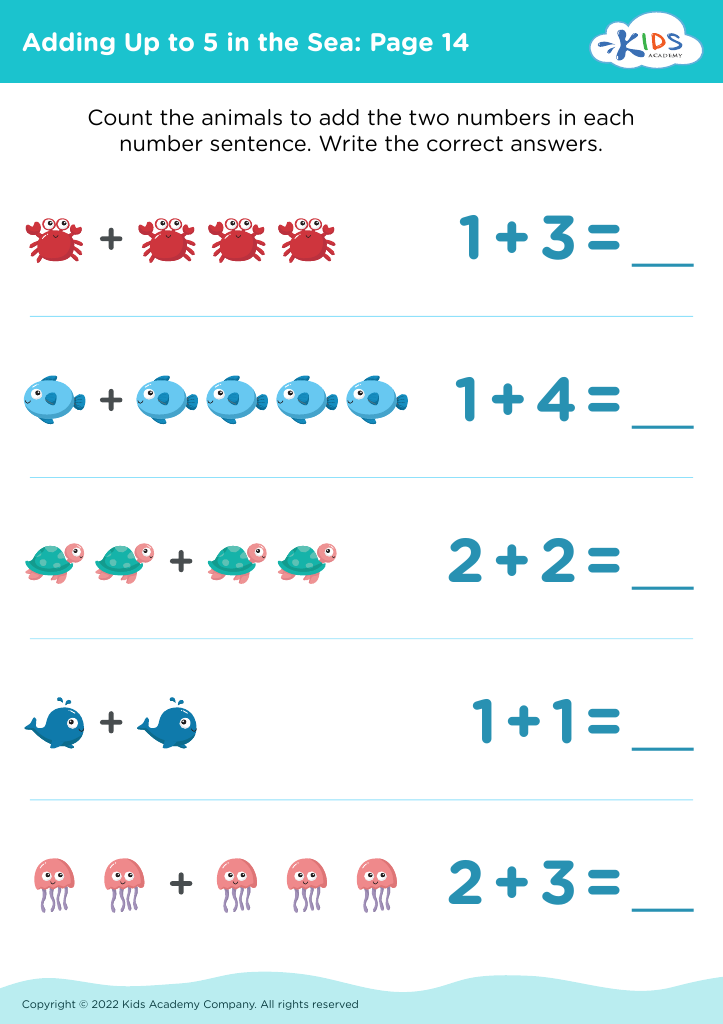
    Adding Up to 5 in the Sea: Page 14
    Adding Up to 5 in the Sea: Page 14
    Adding Up to 5 in the Sea: Page 14
    Worksheet
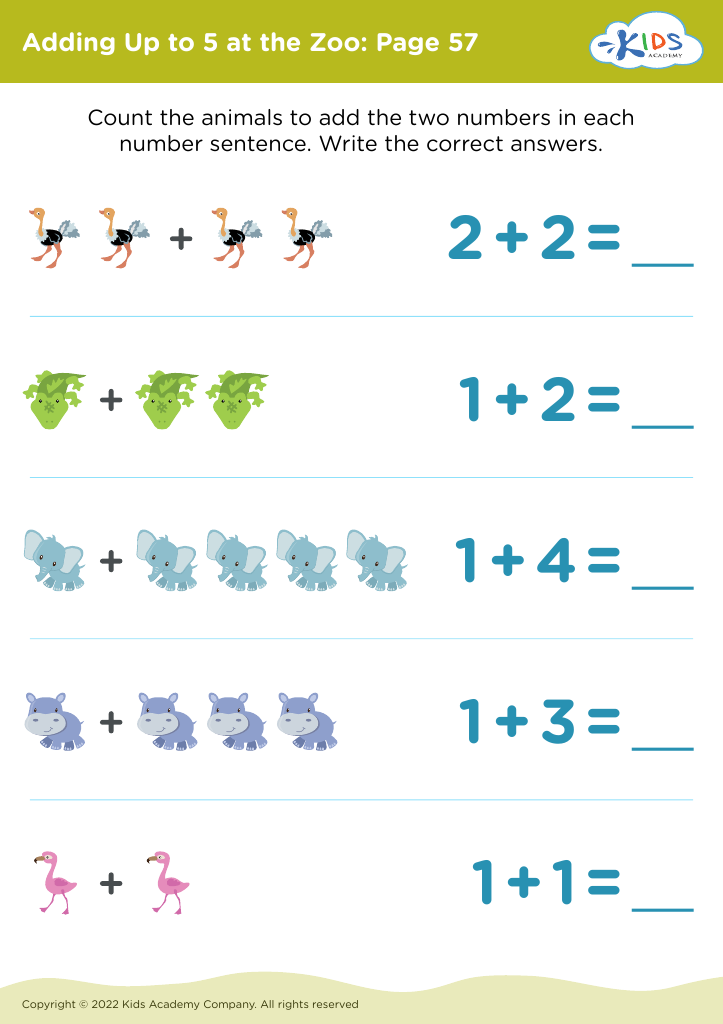
    Adding Up to 5 at the Zoo: Page 57
    Adding Up to 5 at the Zoo: Page 57
    Adding Up to 5 at the Zoo: Page 57
    Worksheet
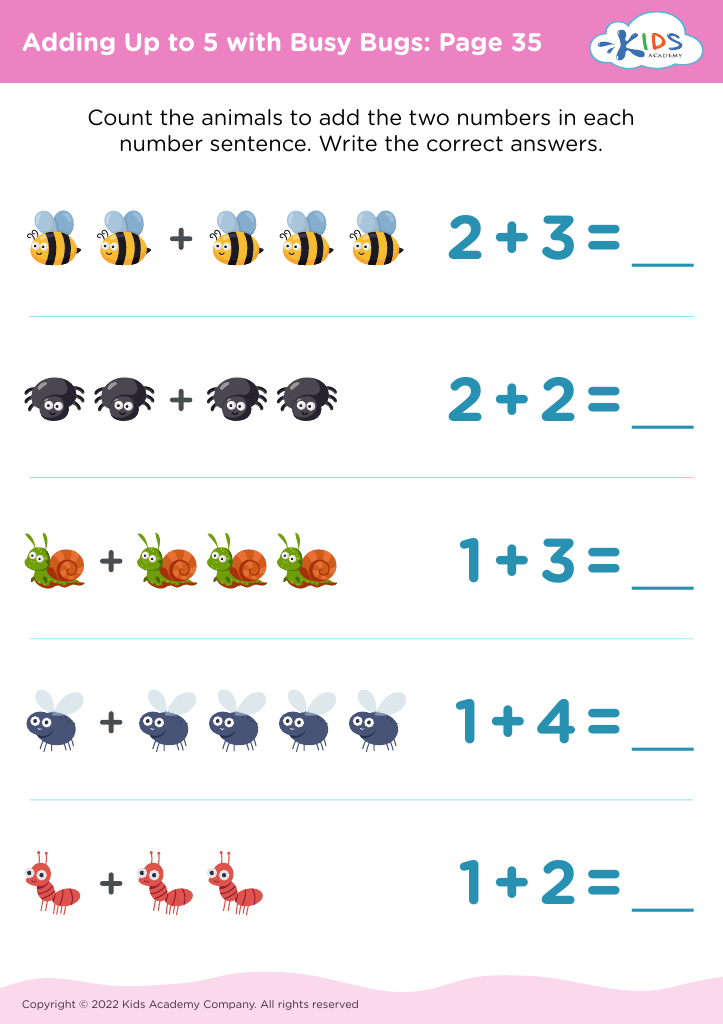
    Adding Up to 5 with Busy Bugs: Page 35
    Adding Up to 5 with Busy Bugs: Page 35
    Adding Up to 5 with Busy Bugs: Page 35
    Worksheet
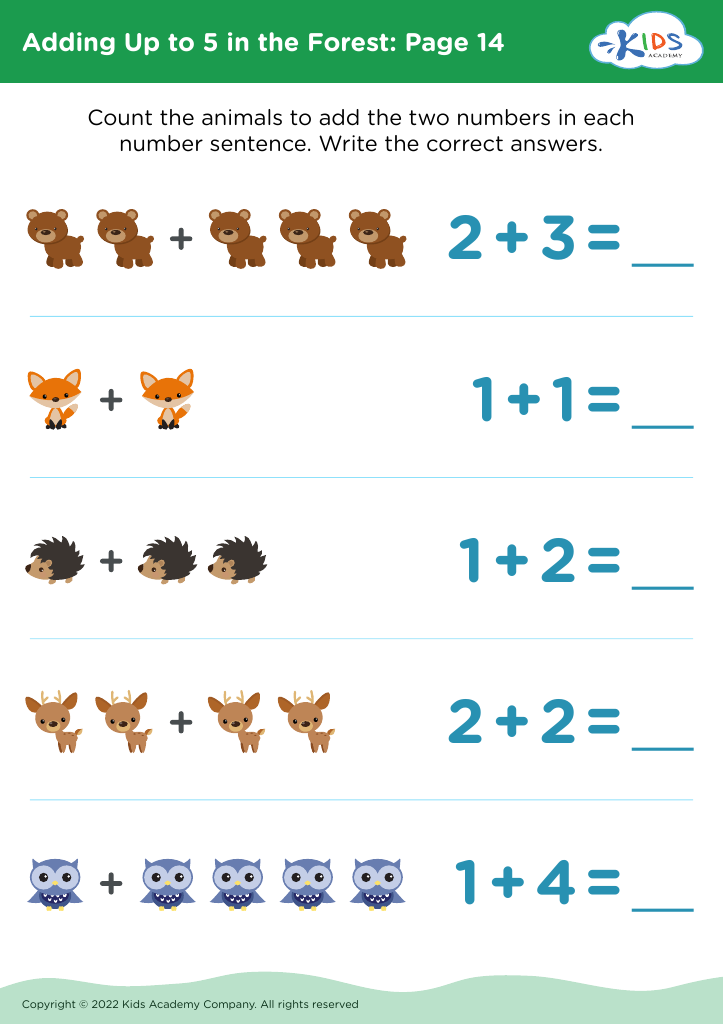
    Adding Up to 5 in the Forest: Page 14
    Adding Up to 5 in the Forest: Page 14
    Adding Up to 5 in the Forest: Page 14
    Worksheet
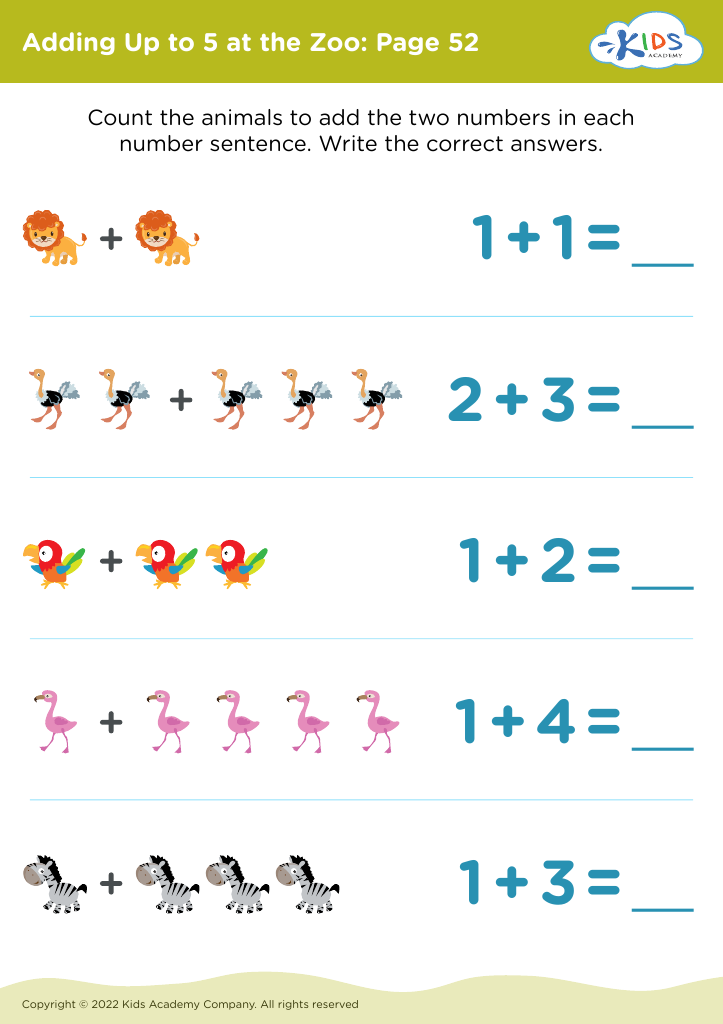
    Adding Up to 5 at the Zoo: Page 52
    Adding Up to 5 at the Zoo: Page 52
    Adding Up to 5 at the Zoo: Page 52
    Worksheet
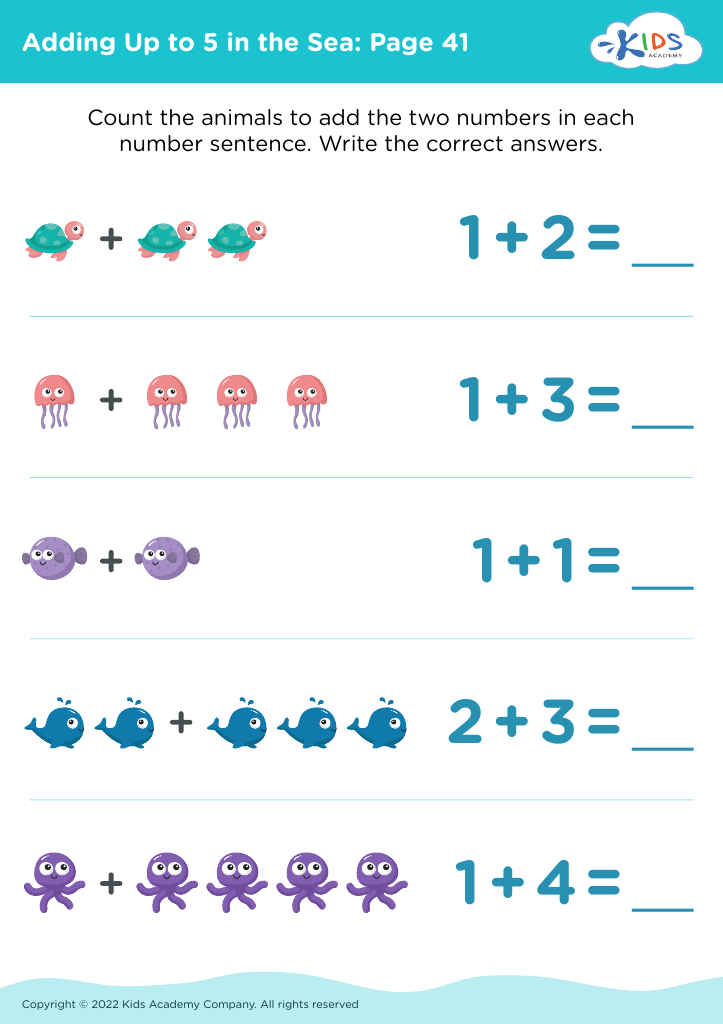
    Adding Up to 5 in the Sea: Page 41
    Adding Up to 5 in the Sea: Page 41
    Adding Up to 5 in the Sea: Page 41
    Worksheet
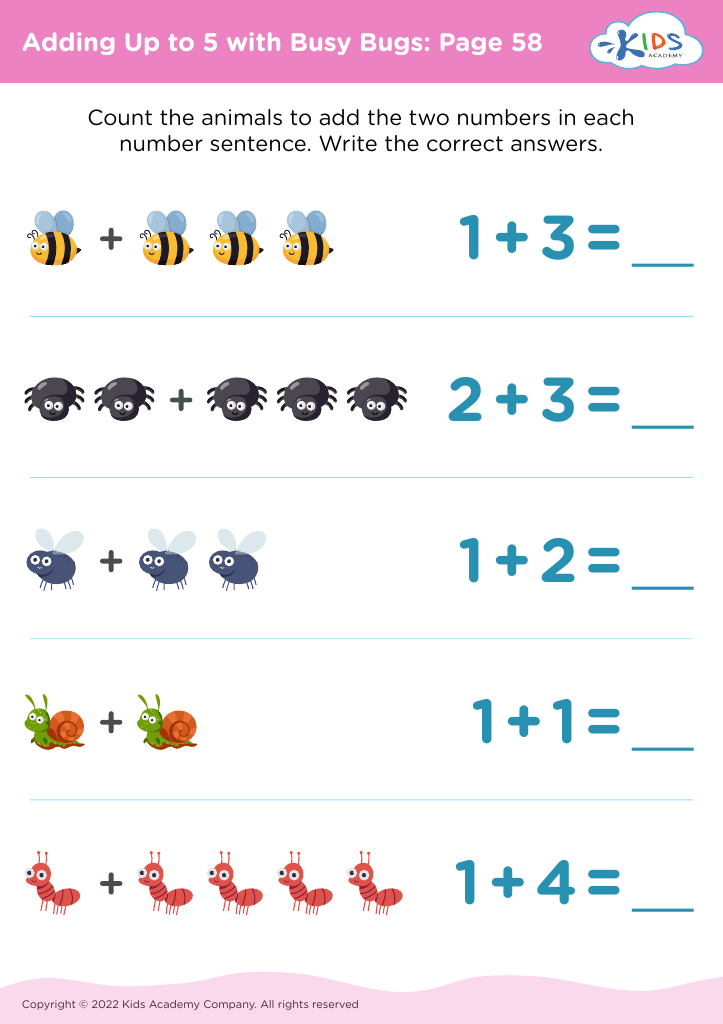
    Adding Up to 5 with Busy Bugs: Page 58
    Adding Up to 5 with Busy Bugs: Page 58
    Adding Up to 5 with Busy Bugs: Page 58
    Worksheet
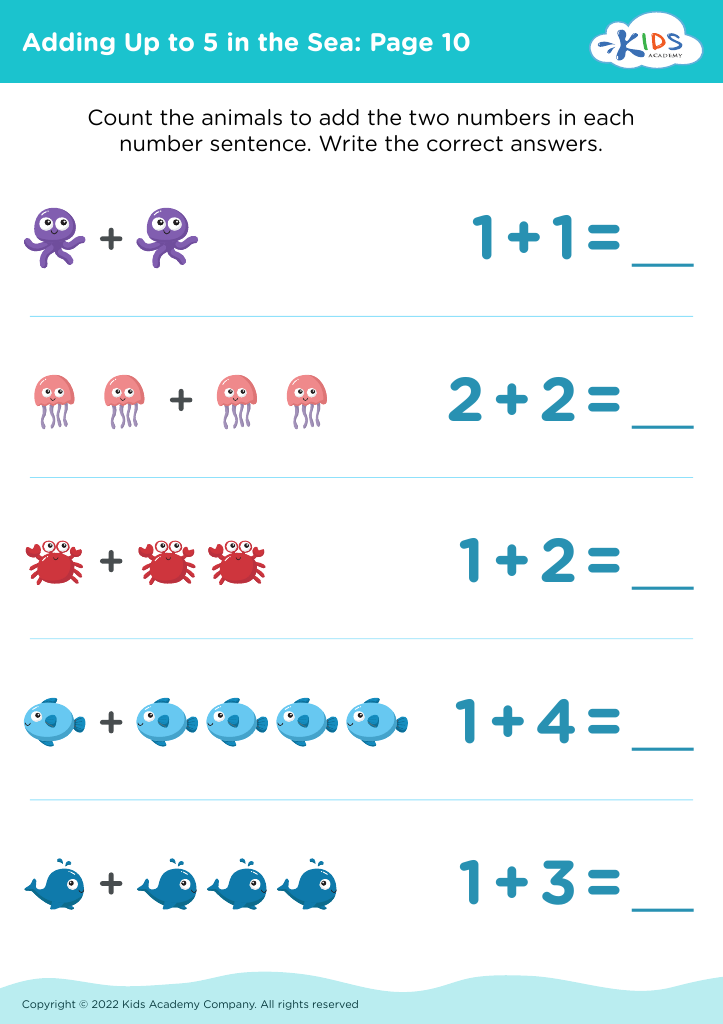
    Adding Up to 5 in the Sea: Page 10
    Adding Up to 5 in the Sea: Page 10
    Adding Up to 5 in the Sea: Page 10
    Worksheet
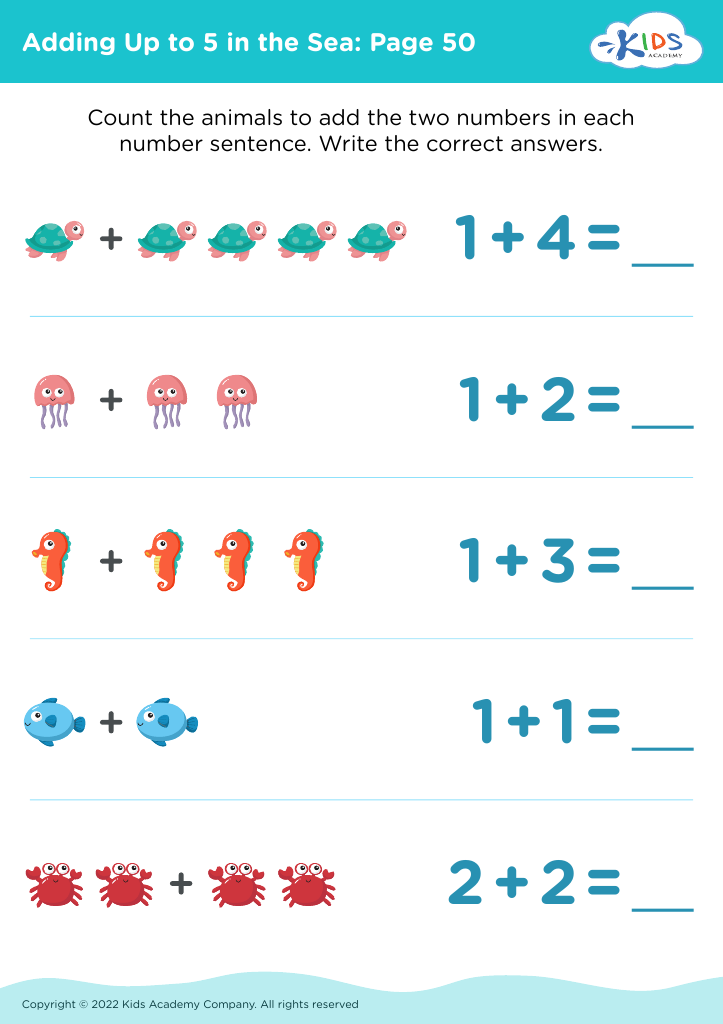
    Adding Up to 5 in the Sea: Page 50
    Adding Up to 5 in the Sea: Page 50
    Adding Up to 5 in the Sea: Page 50
    Worksheet
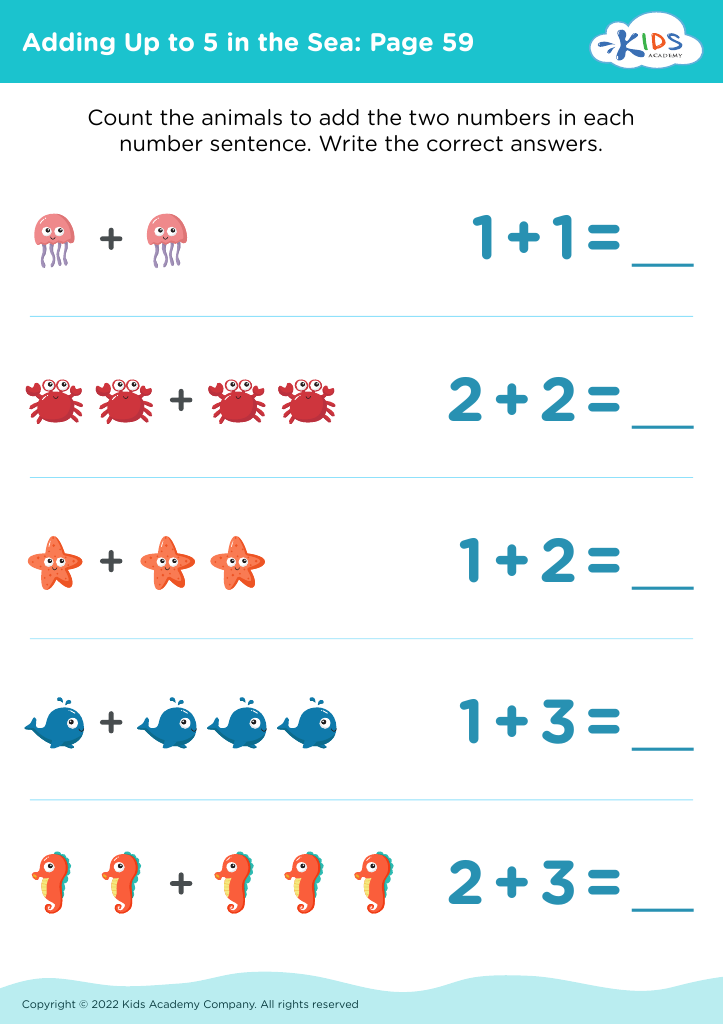
    Adding Up to 5 in the Sea: Page 59
    Adding Up to 5 in the Sea: Page 59
    Adding Up to 5 in the Sea: Page 59
    Worksheet
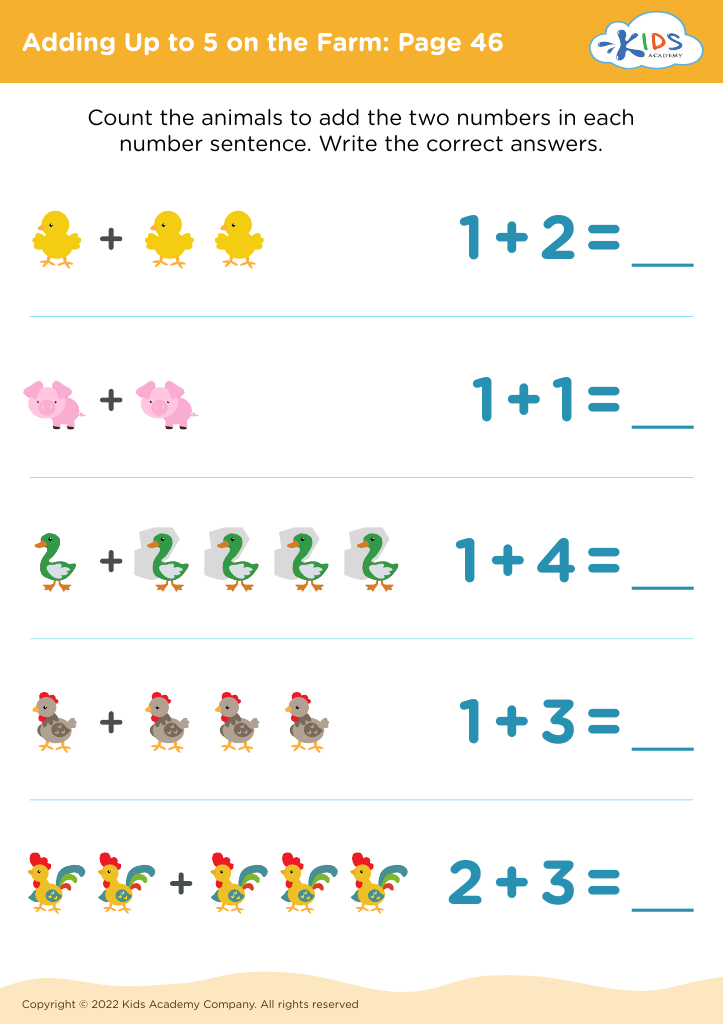
    Adding Up to 5 on the Farm: Page 46
    Adding Up to 5 on the Farm: Page 46
    Adding Up to 5 on the Farm: Page 46
    Worksheet
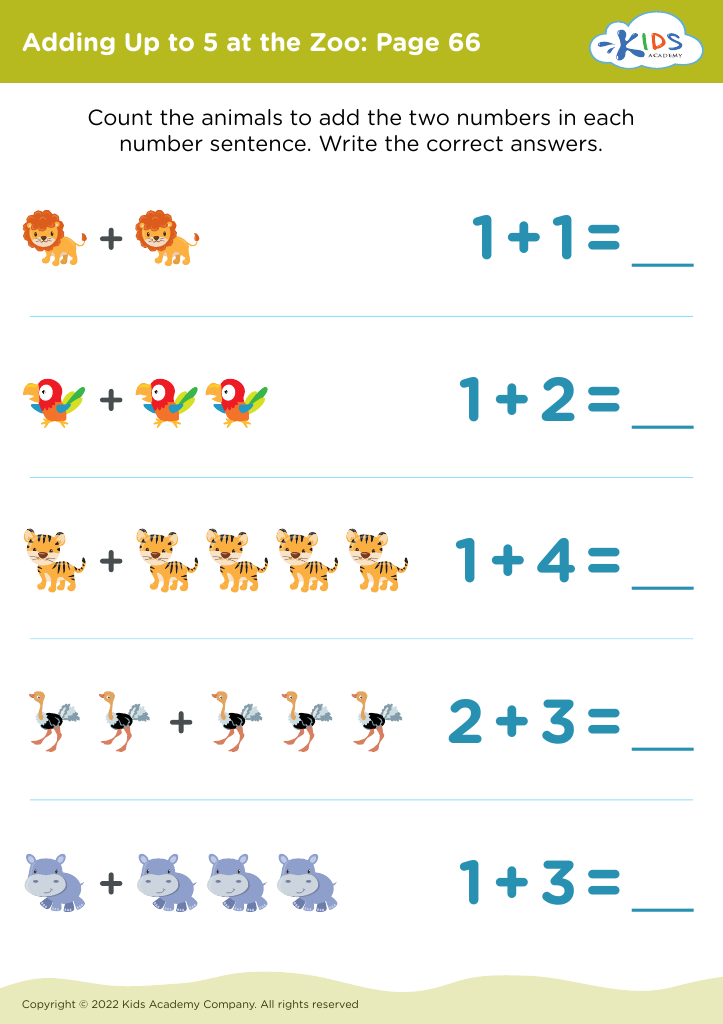
    Adding Up to 5 at the Zoo: Page 66
    Adding Up to 5 at the Zoo: Page 66
    Adding Up to 5 at the Zoo: Page 66
    Worksheet
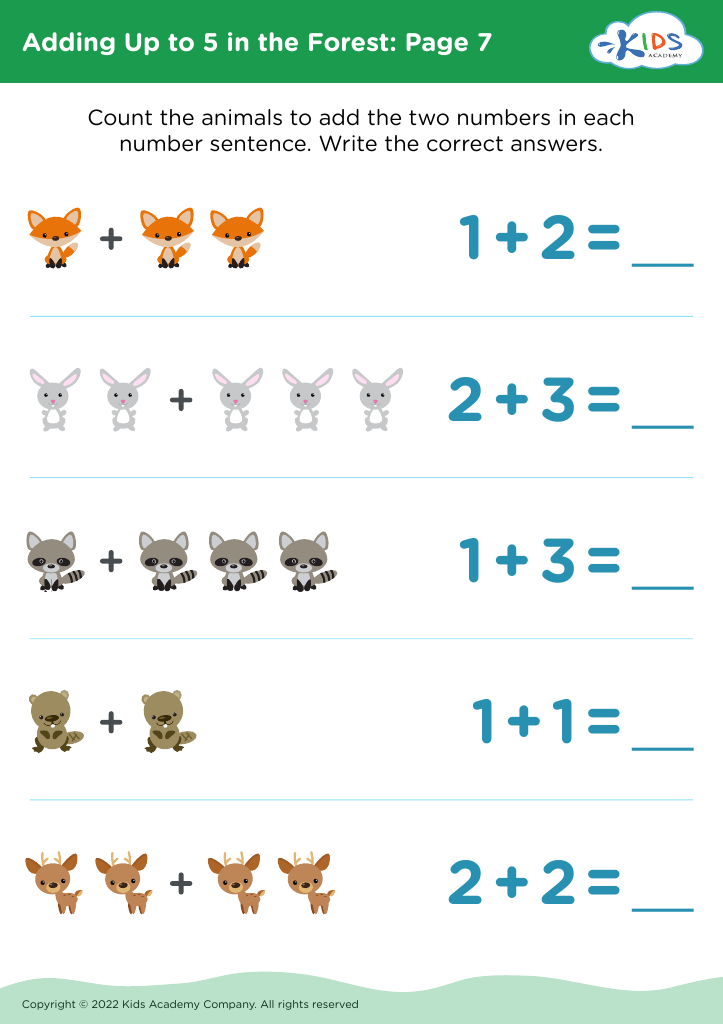
    Adding Up to 5 in the Forest: Page 7
    Adding Up to 5 in the Forest: Page 7
    Adding Up to 5 in the Forest: Page 7
    Worksheet
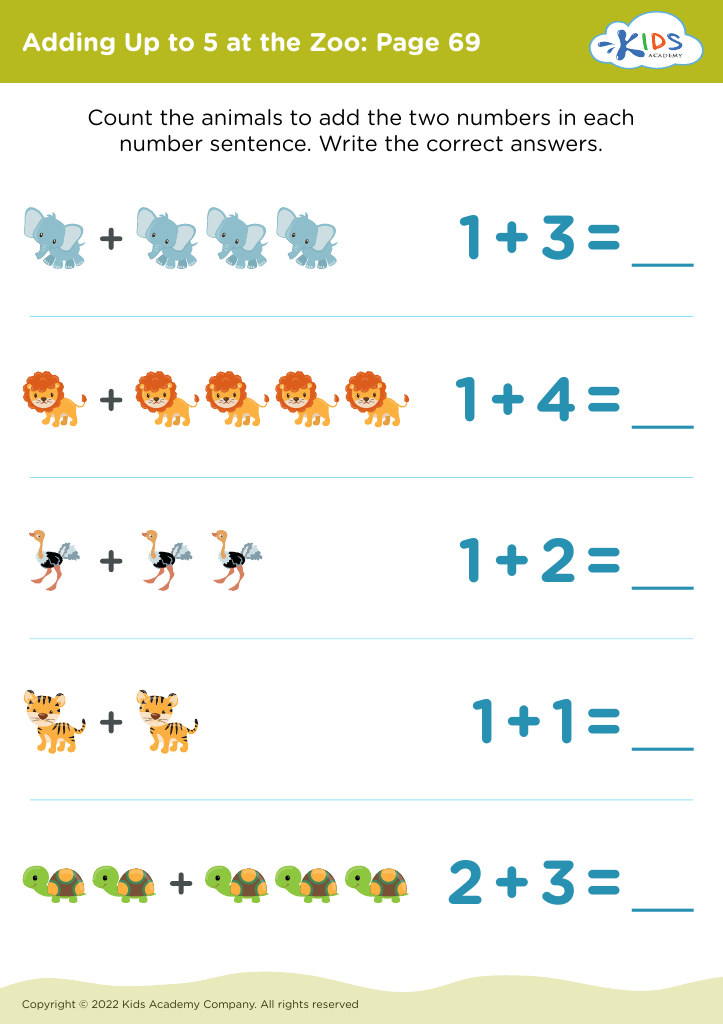
    Adding Up to 5 at the Zoo: Page 69
    Adding Up to 5 at the Zoo: Page 69
    Adding Up to 5 at the Zoo: Page 69
    Worksheet
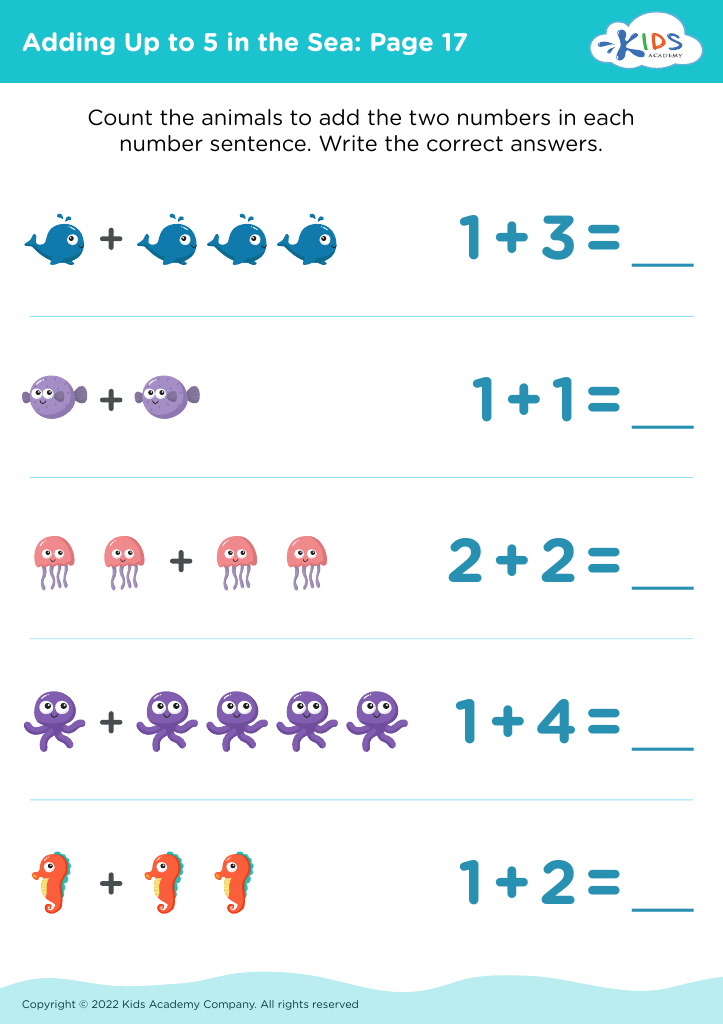
    Adding Up to 5 in the Sea: Page 17
    Adding Up to 5 in the Sea: Page 17
    Adding Up to 5 in the Sea: Page 17
    Worksheet
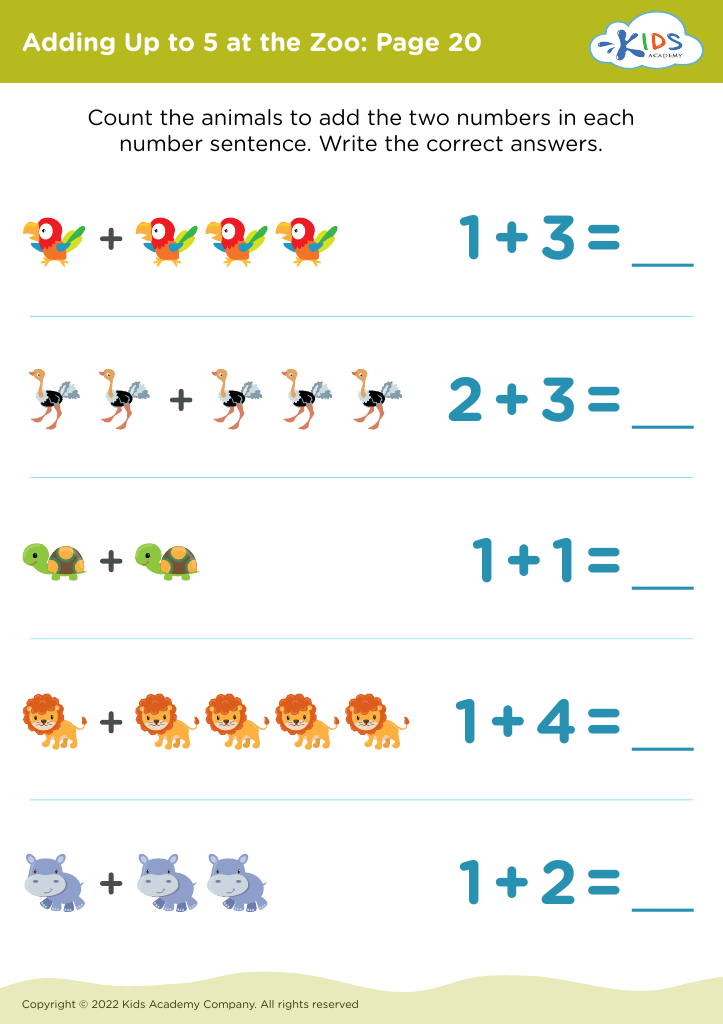
    Adding Up to 5 at the Zoo: Page 20
    Adding Up to 5 at the Zoo: Page 20
    Adding Up to 5 at the Zoo: Page 20
    Worksheet


    Counting skills and mastering the fundamental concept of adding up to 5 are crucial for children aged 5-9 as they form the foundation for all future mathematical learning. At this stage, children are developing their numeracy skills, and a strong grasp of counting and simple addition sets the groundwork for more complex math concepts they will encounter later.

    Parents and teachers should prioritize these skills because they promote cognitive development and enhance problem-solving abilities. Engaging in activities that involve counting and addition, such as counting objects, playing number games, or incorporating math into daily routines, helps children develop a positive attitude towards math while fostering critical thinking.

    Additionally, counting skills are often linked to overall academic success. Children who are confident in their numerical abilities are more likely to excel in subjects that depend on math, facilitating better outcomes in their education.

    Encouraging a supportive environment, where children can practice numbers through play and real-life situations, makes learning engaging. Collectively, parents and teachers play a vital role in encouraging a solid numerical foundation, cultivating lifelong skills that extend beyond school, into everyday life and future career opportunities. Ultimately, attention to counting and simple addition is an investment in a child’s holistic development and academic journey.