Color differentiation Addition & Subtraction Worksheets for Ages 5-9
3 filtered results
-
From - To
Explore our "Color Differentiation Addition & Subtraction Worksheets" designed specifically for kids aged 5-9! These engaging worksheets combine foundational math skills with vibrant colors to make learning fun. Each activity encourages children to refine their addition and subtraction abilities while enhancing their ability to differentiate colors visually. Perfect for home or classroom use, these worksheets provide a lively way to practice math concepts, boost cognitive skills, and foster creativity. Watch your child develop confidence in their math skills as they distinguish colors and solve problems in an exciting and interactive manner! Start your child's math journey today with our colorful resources!
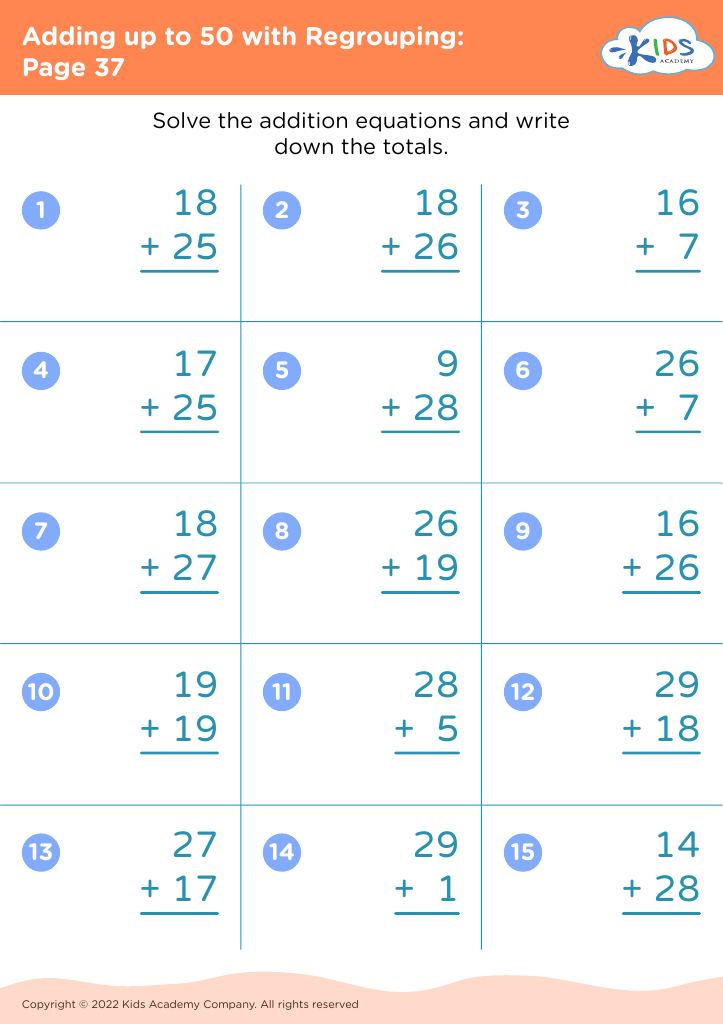
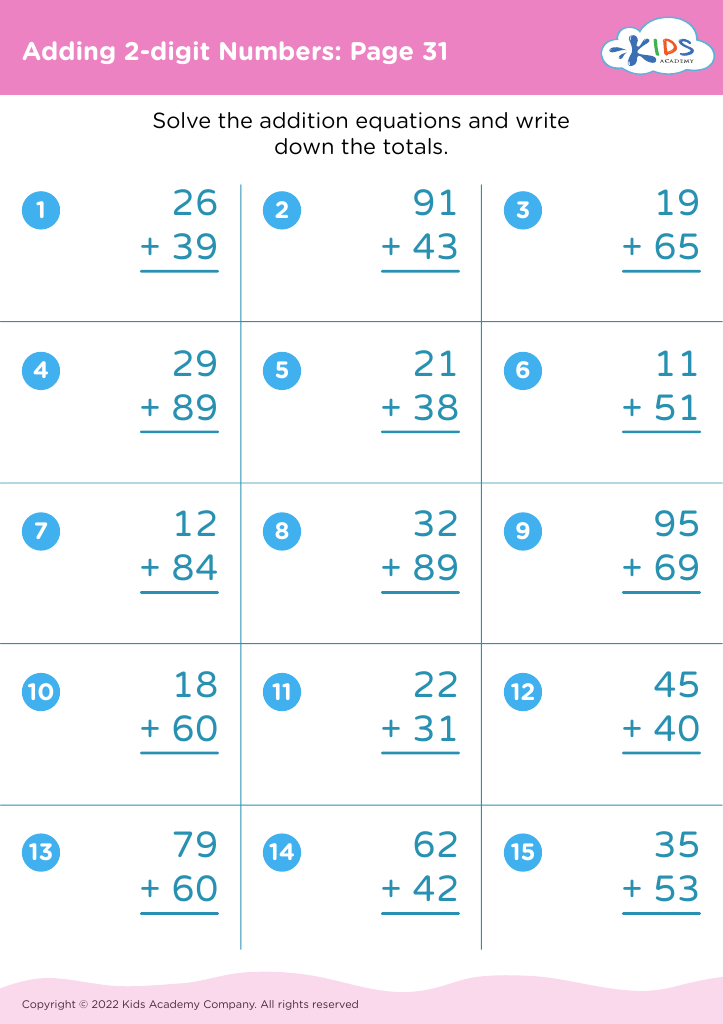
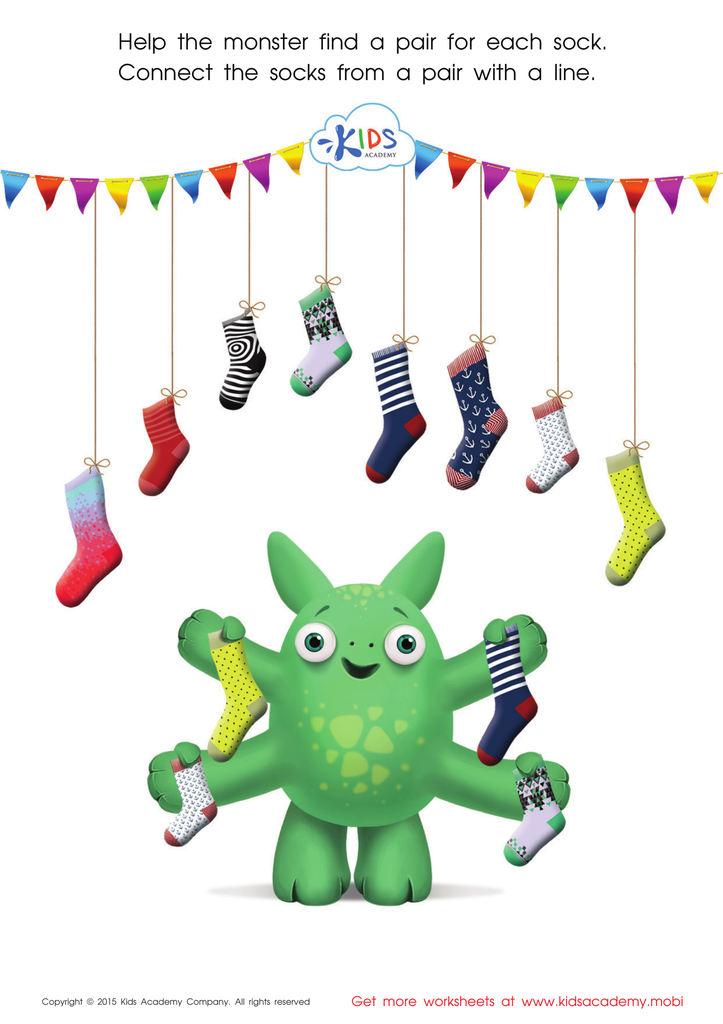
Math Matching Pairs Game: Monsterв's Socks Worksheet








Color differentiation in addition and subtraction for children ages 5-9 is crucial in fostering early mathematical understanding and engagement. When parents and teachers incorporate color-coding into math activities, they create visual connections that simplify complex concepts for young learners. For instance, assigning specific colors to different numbers or operation symbols allows children to associate visuals with values, making it easier to grasp fundamental ideas in addition and subtraction.
Moreover, using colors can enhance memory retention. Children in this age group learn best through play and sensory experiences, and color-coding offers a multisensory approach that appeals to their natural curiosity. This method can also help reduce anxiety associated with math by providing a systematic organization of information, making it less overwhelming.
Additionally, promoting color differentiation encourages children to develop critical thinking and problem-solving skills. As they engage in math activities that incorporate visual elements, they learn to identify patterns and relationships between numbers, which builds a strong foundation for future mathematical concepts. Ultimately, integrating color into math education nurtures a positive attitude toward learning, equips children with essential cognitive skills, and supports overall academic growth, making it a valuable teaching strategy that should be adopted in early education.








