
Drawing skills Addition & Subtraction Worksheets for Ages 5-9
6 filtered results
Difficulty Level
Grade
Age
-
From - To
Subject
Activity
Standards
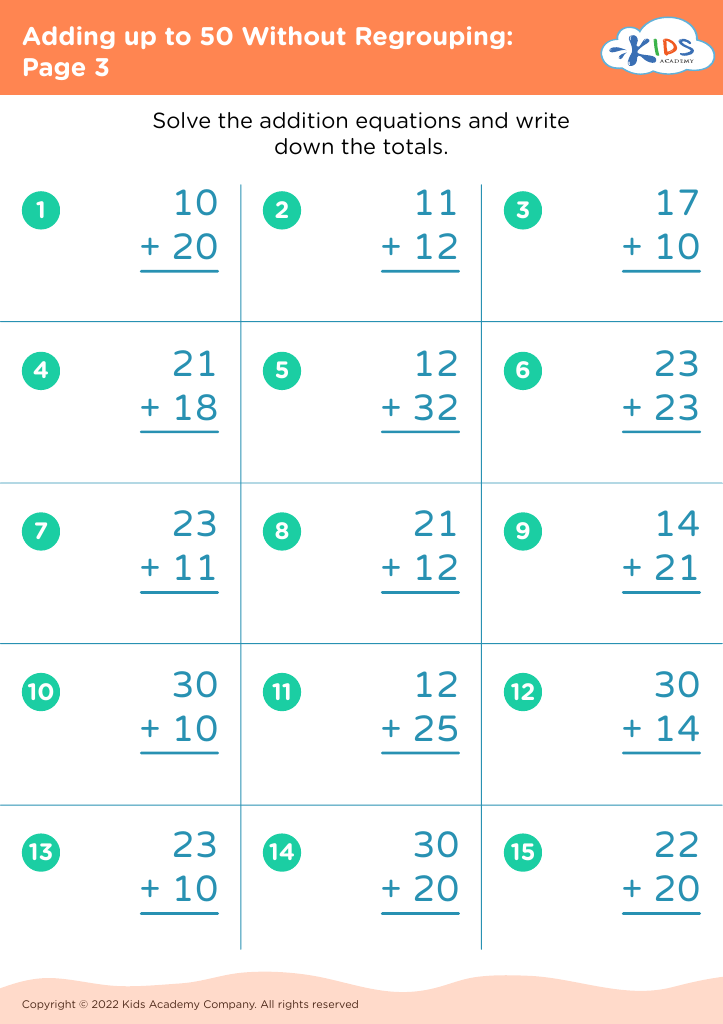
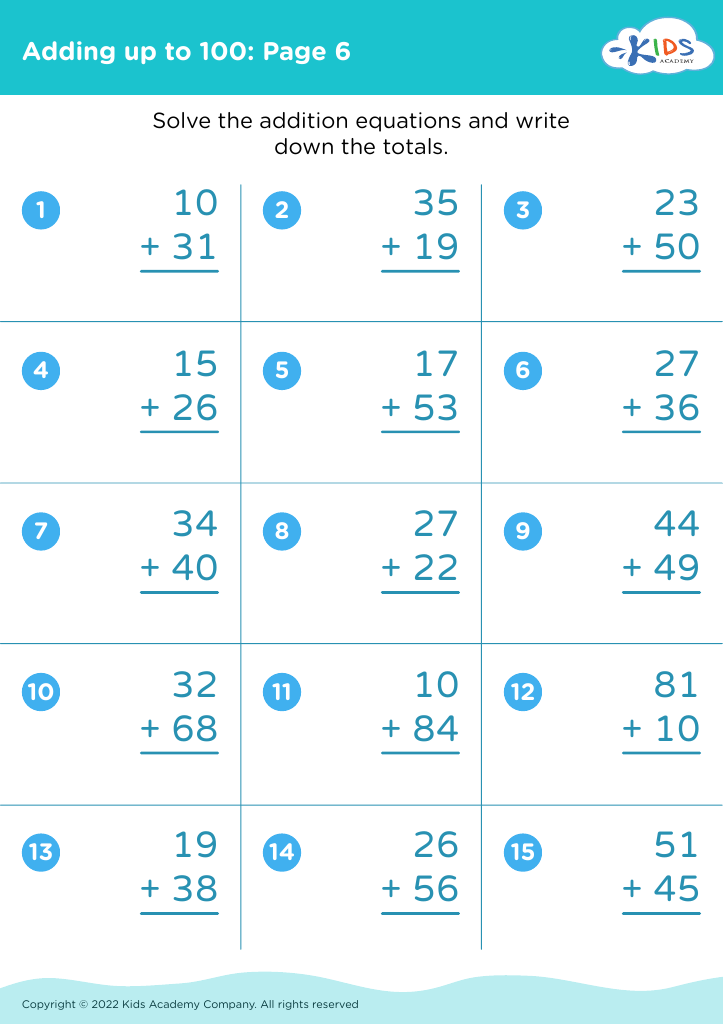
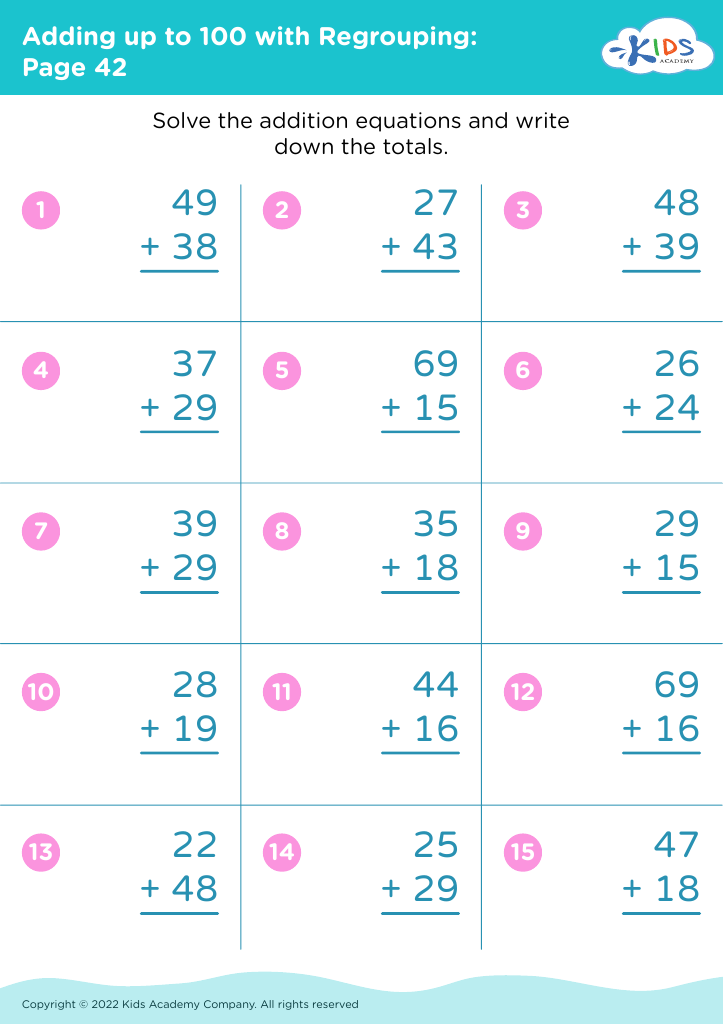
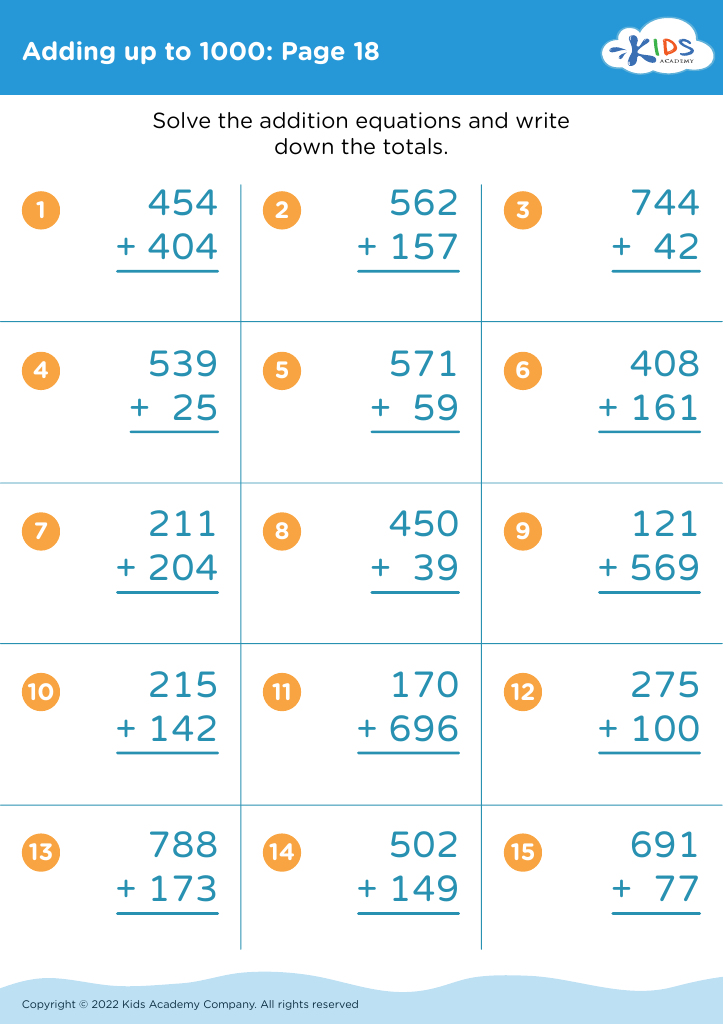
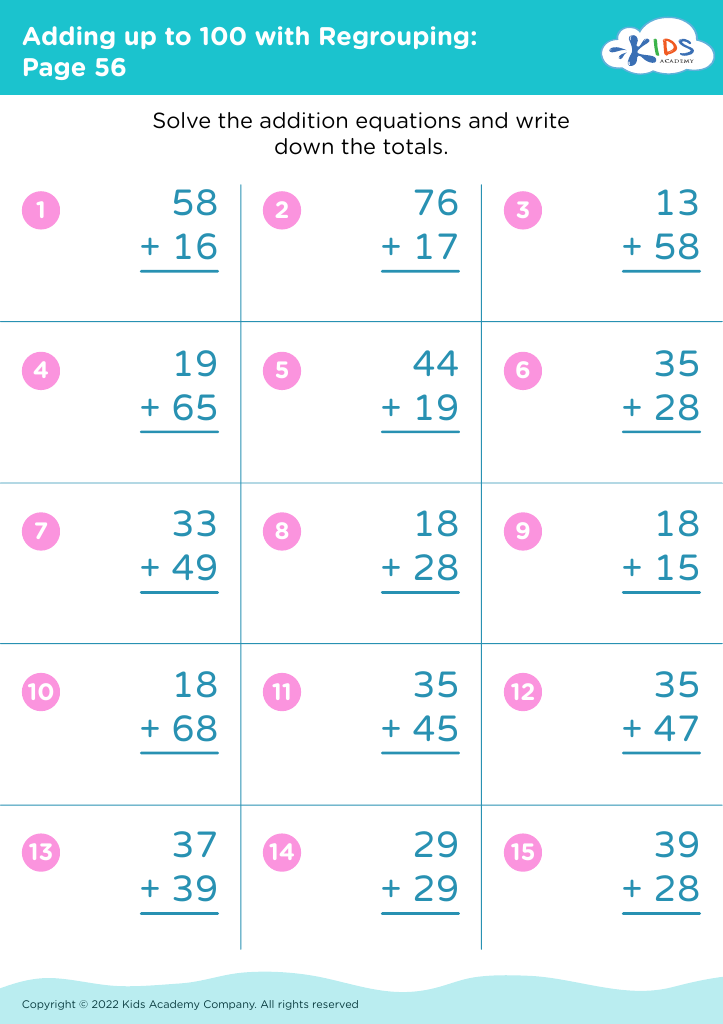
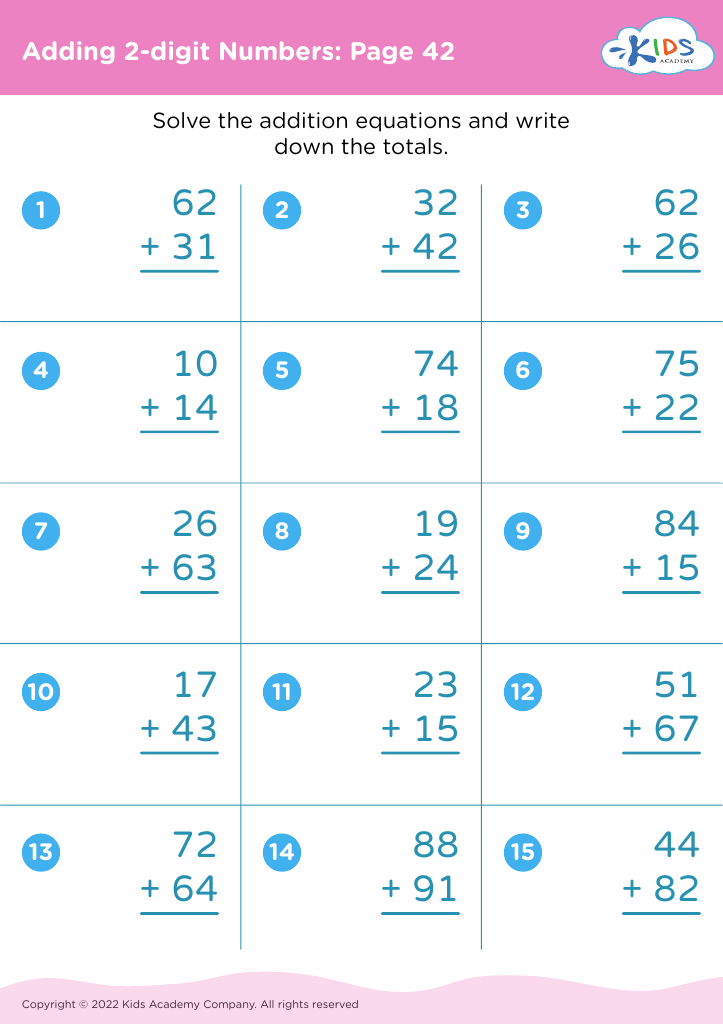
Enhance your child's math skills with our engaging Drawing Skills Addition & Subtraction Worksheets designed for ages 5-9. These printable worksheets combine the fun of drawing with essential math concepts. Children will practice addition and subtraction while developing their creativity and fine motor skills through captivating illustrations. With each sheet, young learners can visually represent numbers and solve math problems in a fun, interactive way. Ideal for homeschooling or classroom use, these worksheets support your child's cognitive growth, making math enjoyable. Download our Drawing Skills worksheets today and watch your child's confidence in math soar! Perfect for early learners eager to explore!
Favorites
With answer key
Interactive
Join Kids Academy for Free
Who is primarily going to use this learning content?








Drawing skills play a vital role in the mathematical development of children aged 5-9, particularly in addition and subtraction. Encouraging students to express mathematical concepts through drawings nurtures creativity and enhances their understanding of numbers. When children visualize problems, they can develop a tangible grasp of abstract concepts. Drawing helps to simplify complex arithmetic operations; for instance, representing groups of apples can provide a clear visualization for adding or subtracting.
Moreover, drawing encourages problem-solving and critical thinking. As children create illustrations to depict mathematical scenarios, they engage more deeply with the content, fostering a positive attitude towards math. This form of expression can also identify misconceptions early, allowing teachers or parents to address them promptly.
Additionally, using drawing as a basis for addition and subtraction can accommodate various learning styles, offering children who may struggle with traditional methods an alternative path to understanding. It promotes fine motor skills, as children manipulate tools like pencils and markers, which is crucial for their overall development.
In summary, prioritizing drawing activities in math not only enriches children's learning experiences but also lays a strong foundation for their future educational journey, making it an essential focus for parents and teachers alike.








