Fine Motor Skills Addition & Subtraction Worksheets for Ages 5-9 - Page 3
82 filtered results
-
From - To
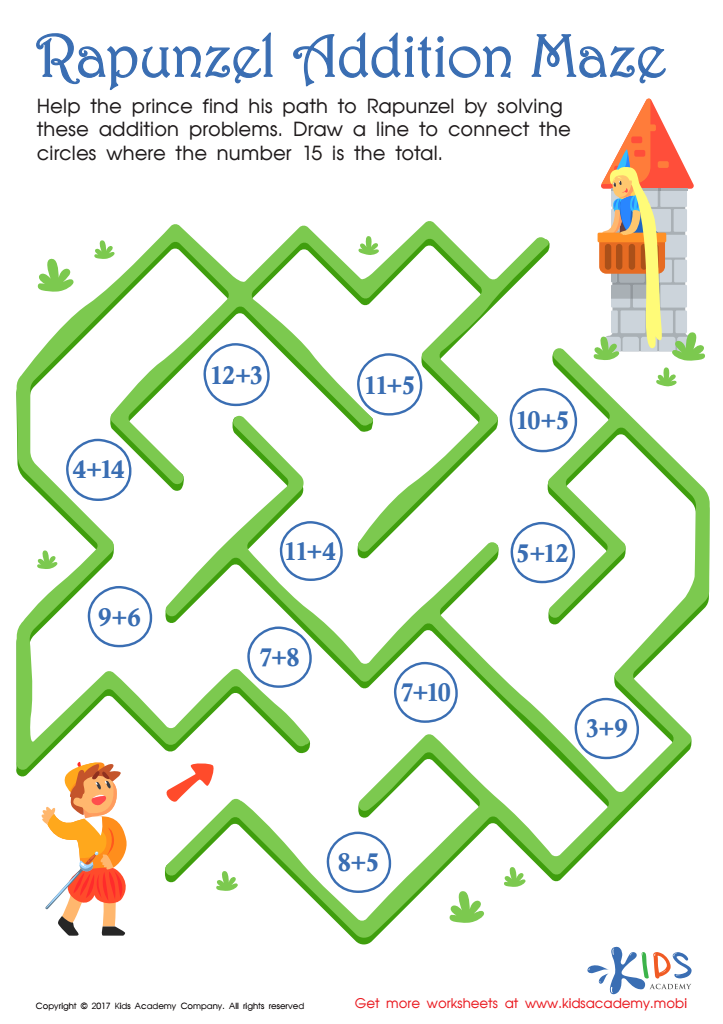
Rapunzel Addition Maze Worksheet
 Assign to My Students

Math Matching Game: Monsterв's Socks Worksheet
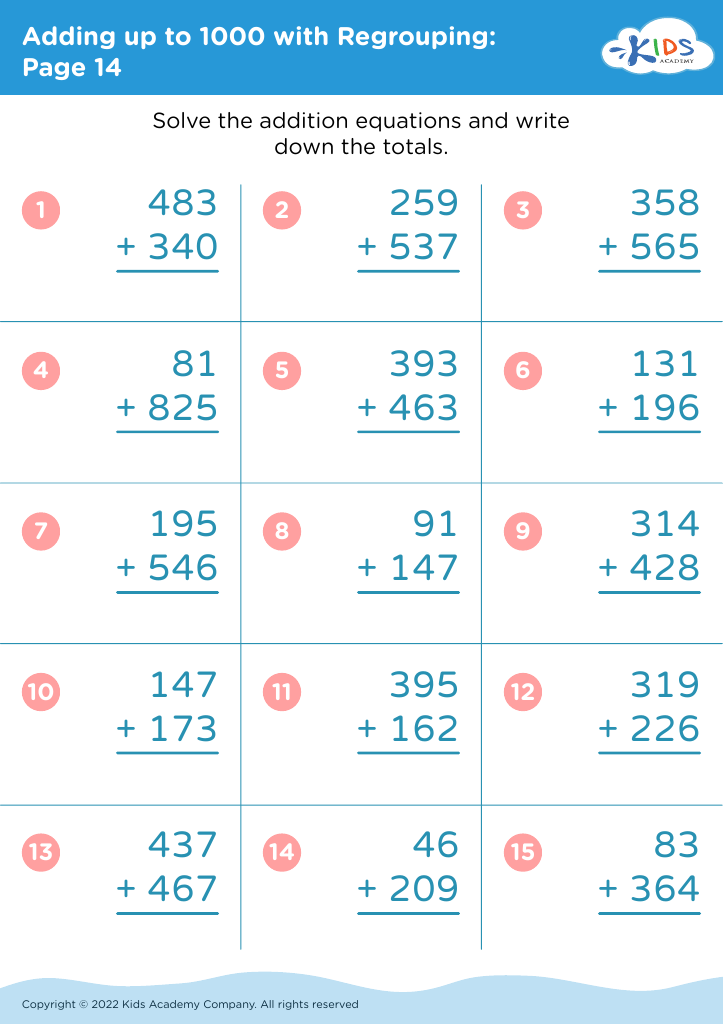

Line up the Tigers Worksheet
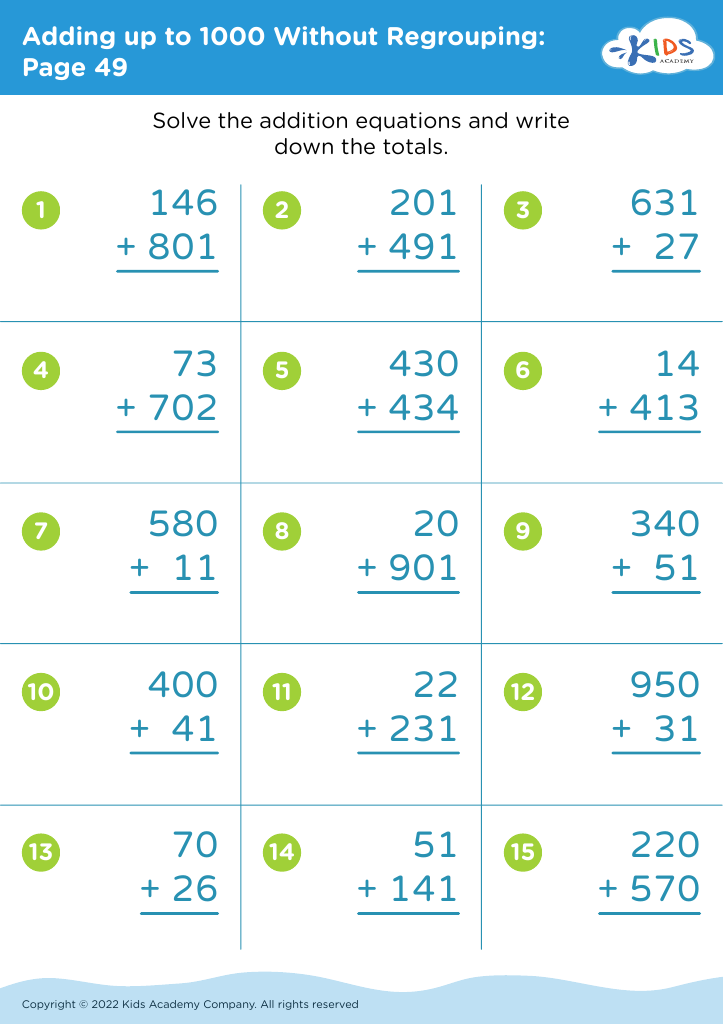
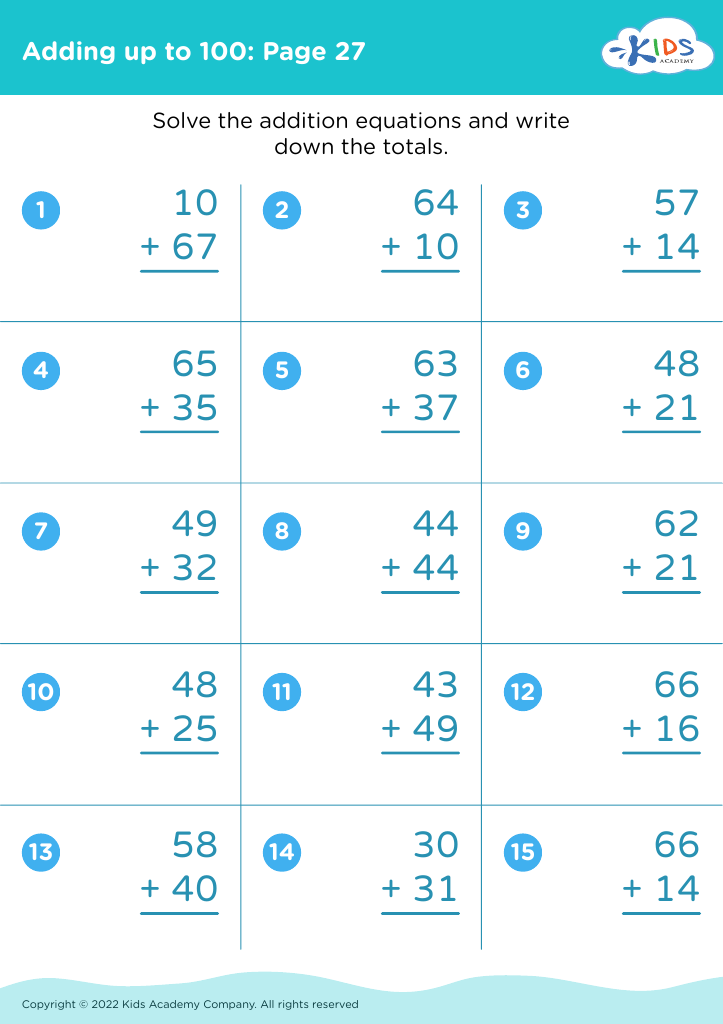
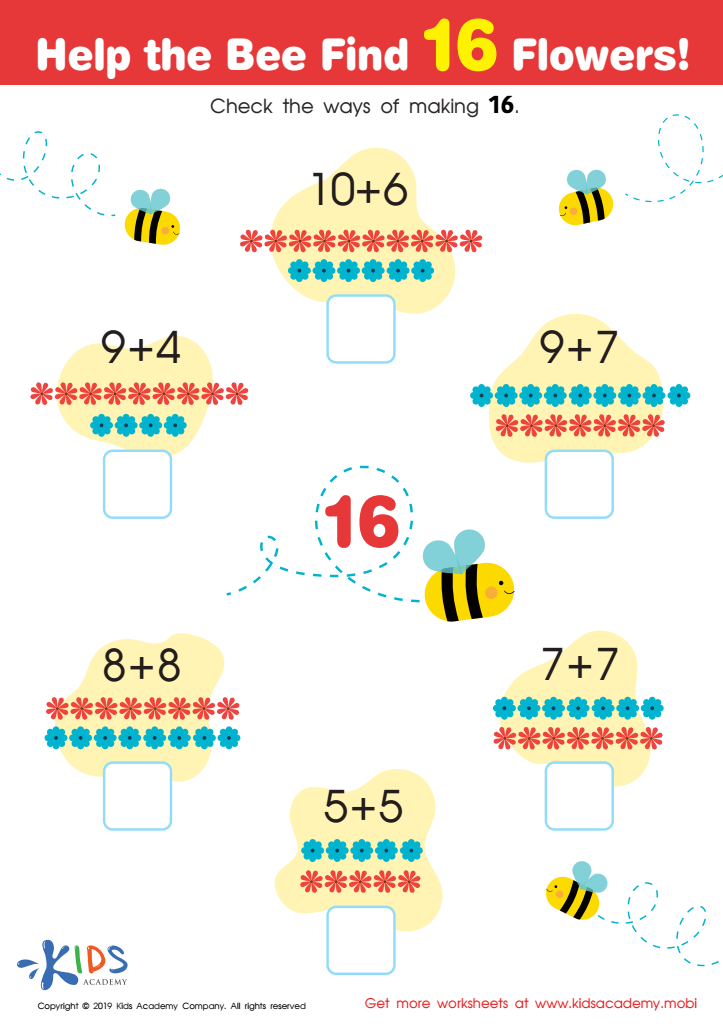
Help the Bee Find 16 Flowers Worksheet
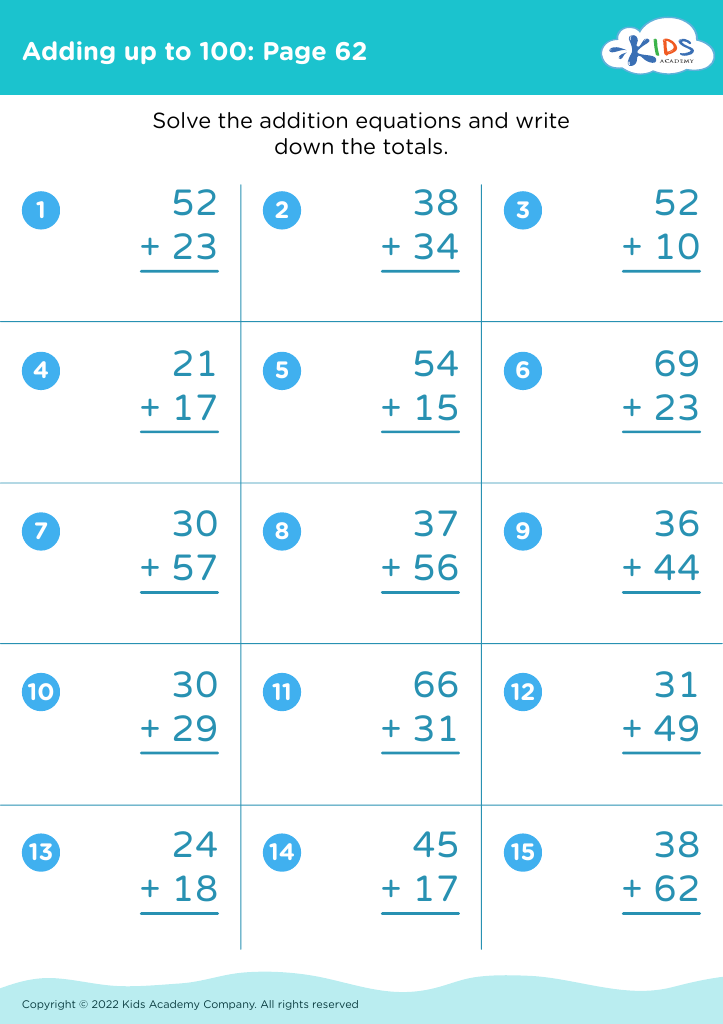
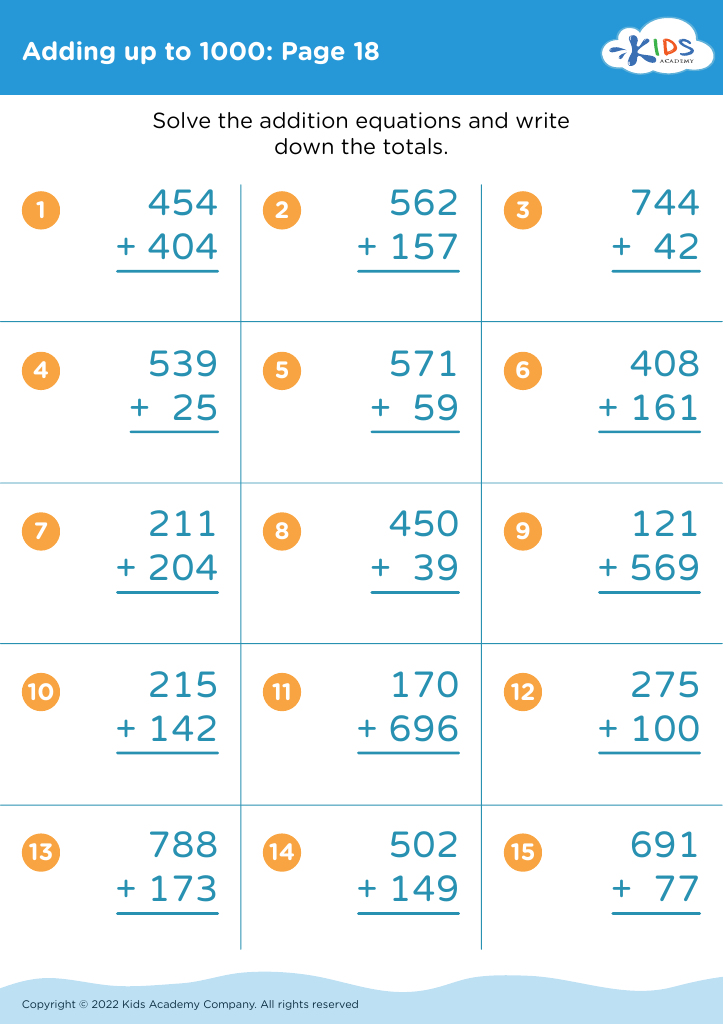
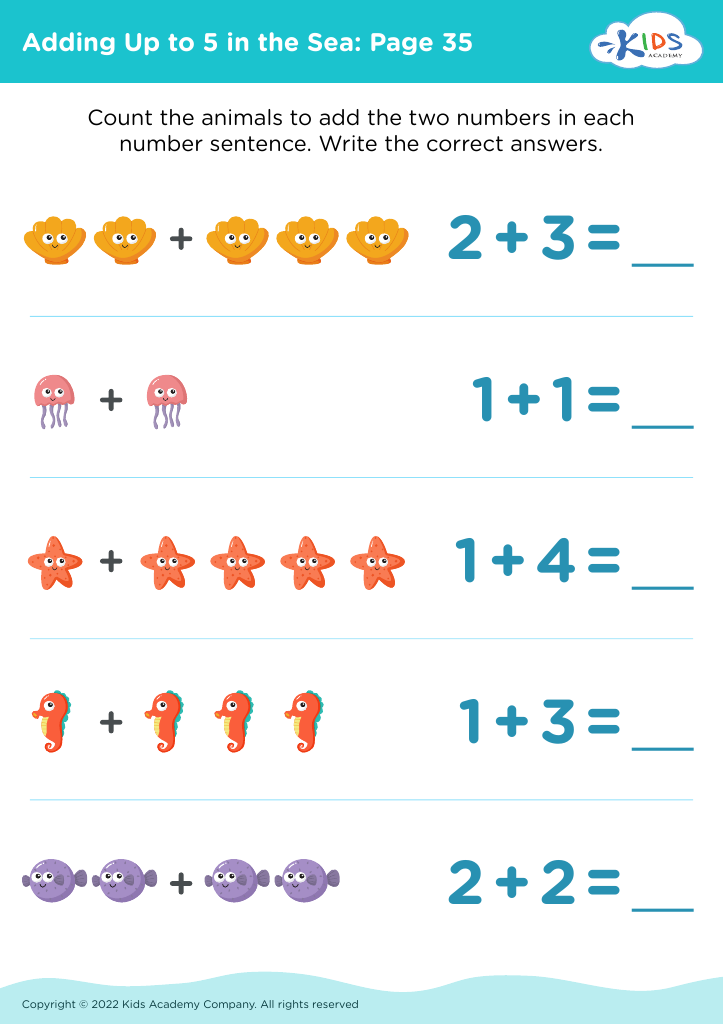
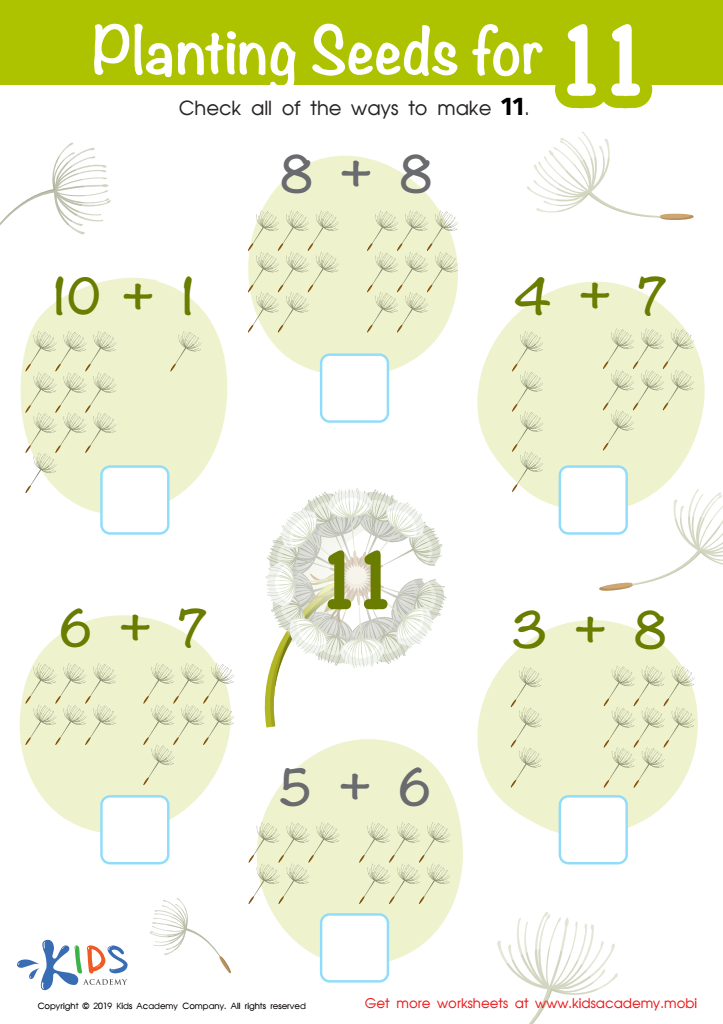
Planting Seeds for 11 Worksheet
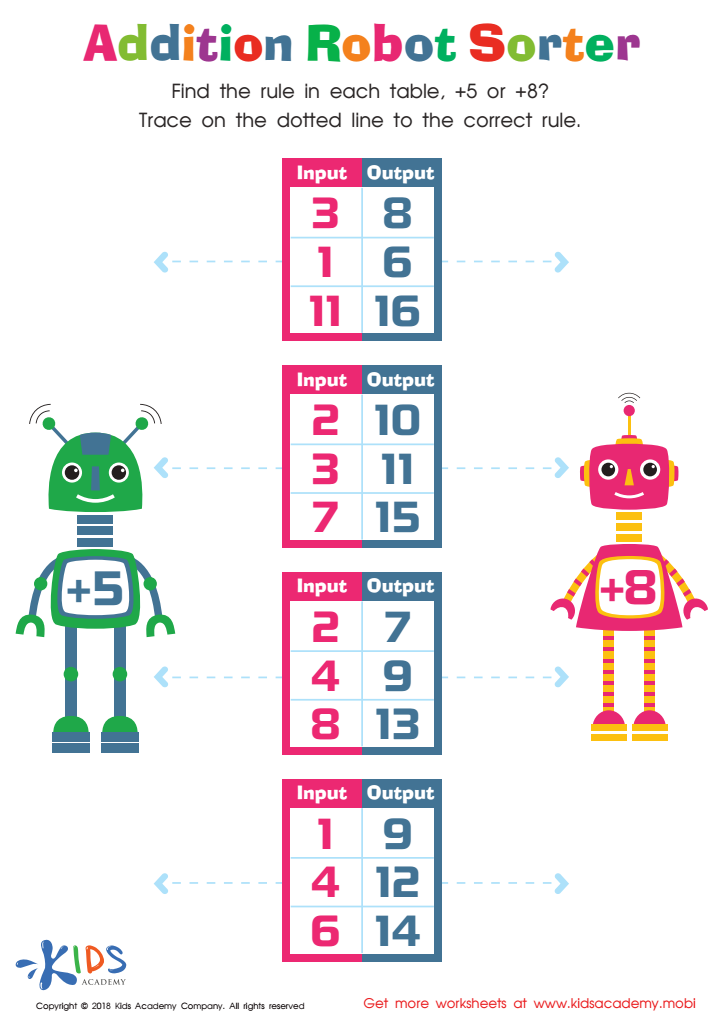
Addition Robot Sorter Worksheet
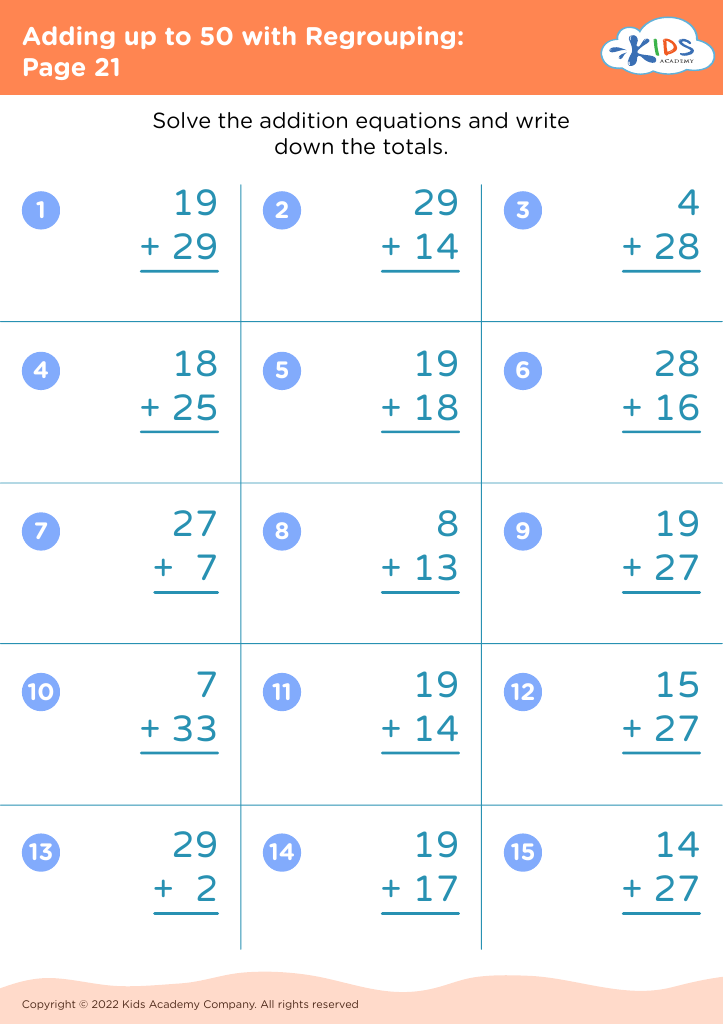
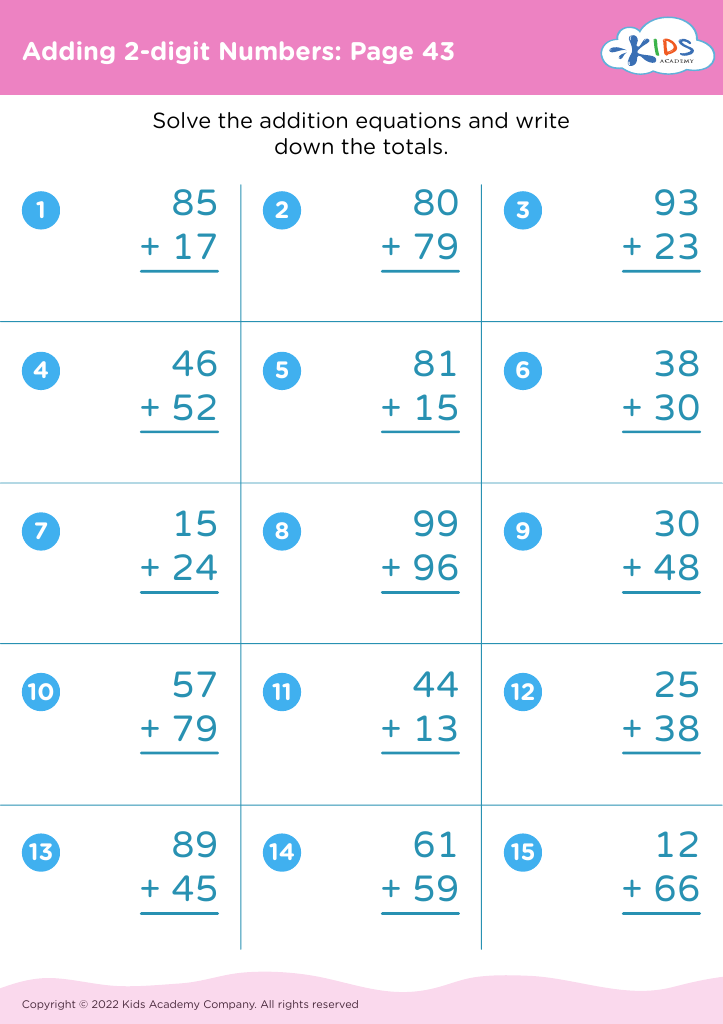
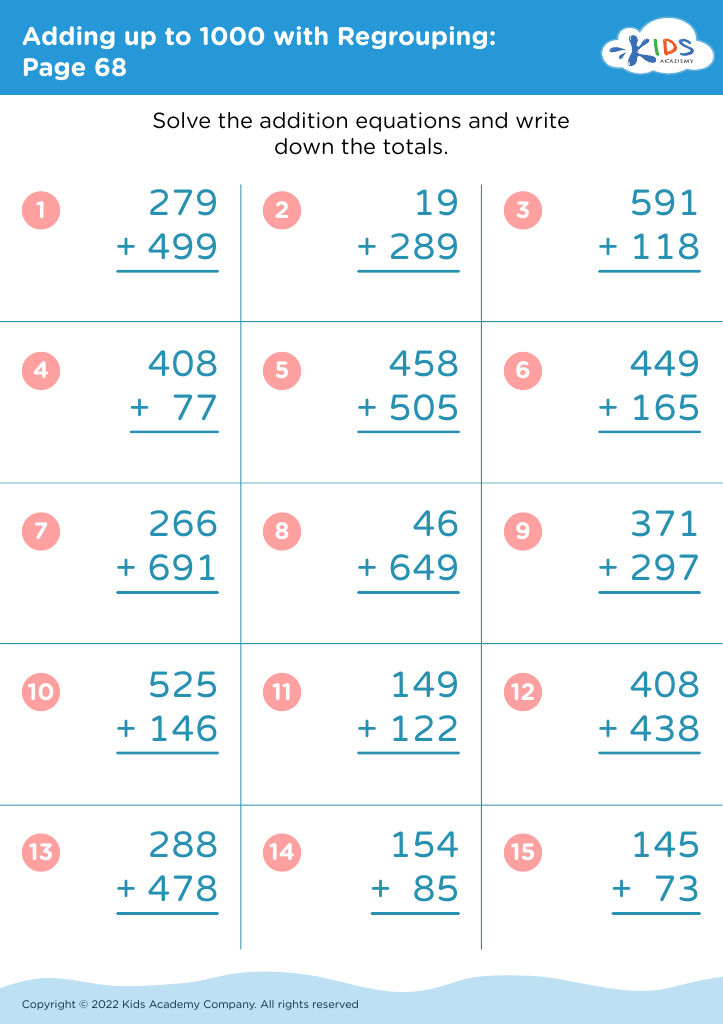
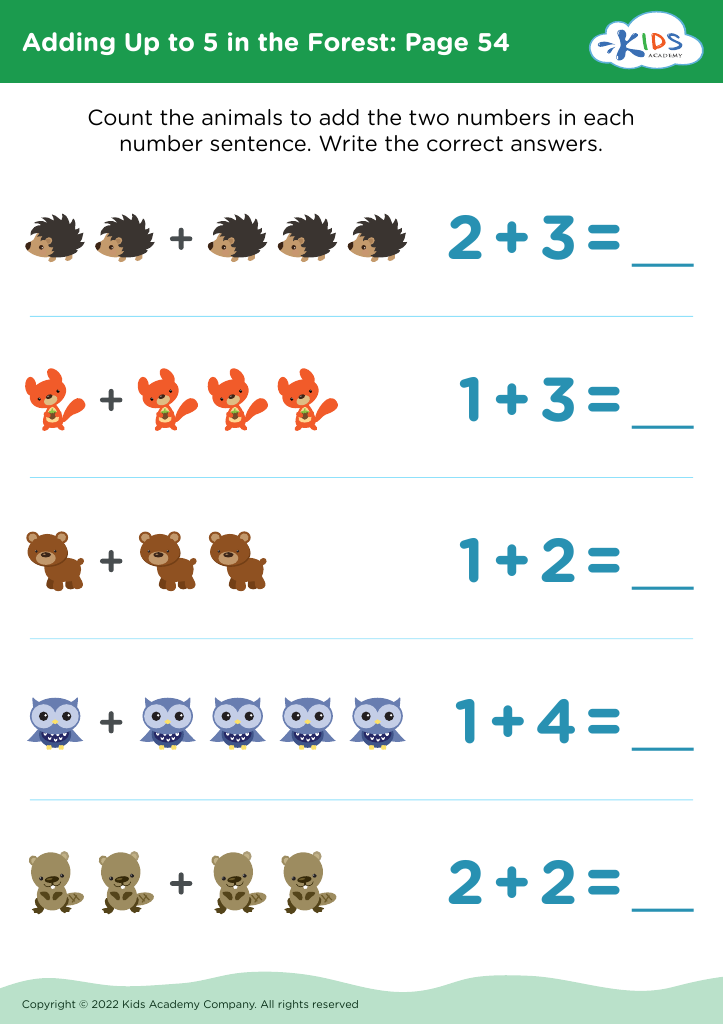
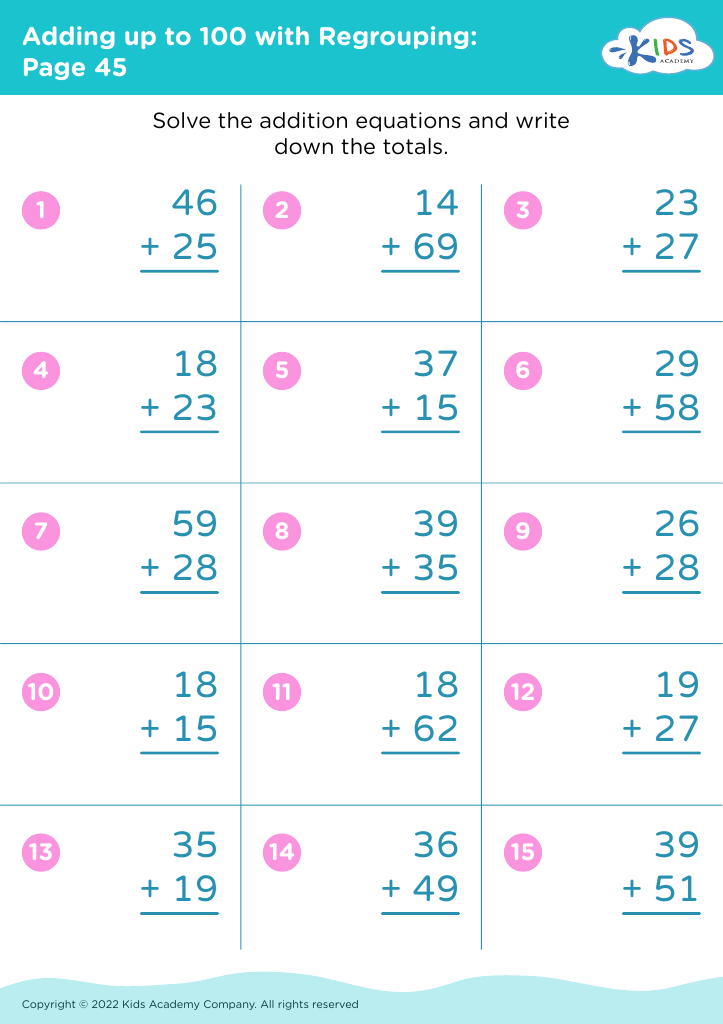








Fine motor skills development is crucial for children aged 5-9 because it directly impacts their ability to perform everyday tasks effectively and independently. By focusing on activities that combine fine motor skills with essential academic concepts, such as addition and subtraction, parents and teachers can foster both cognitive and physical development simultaneously.
Fine motor skills, which involve the coordination of small muscles in the hands and fingers, are fundamental for children’s progress in writing, drawing, and using tools. When children practice addition and subtraction through hands-on activities, such as counting beads, manipulating objects, or using tactile number lines, they not only reinforce their mathematical understanding but also enhance their manual dexterity.
This dual-focus approach benefits cognitive development by reinforcing numerical concepts and problem-solving skills within engaging and interactive contexts. Furthermore, strong fine motor skills are linked to better handwriting, which is crucial as children start writing longer sentences and more complex thoughts.
Teachers and parents who emphasize fine motor skill development alongside core academic lessons help ensure that children gain confidence and proficiency in both areas. This integrated learning supports overall academic success, fosters independence in task completion, and lays a strong foundation for future learning and daily living skills. Therefore, dedicating efforts to nurturing these skills sets students up for a brighter, more capable future.








