Identifying fractions Addition & Subtraction Worksheets for Ages 5-9
4 filtered results
-
From - To
Discover our engaging "Identifying Fractions Addition & Subtraction Worksheets" designed specifically for children aged 5-9! These fun and interactive worksheets make learning about fractions a breeze, helping young learners master essential math skills. Each activity is tailored to develop understanding through easy-to-follow instructions, vibrant visuals, and practical exercises that reinforce the concepts of addition and subtraction with fractions. By using these resources, kids will gain confidence in their math abilities while enjoying the process. Perfect for classroom settings or at-home practice, our worksheets provide an enjoyable way to build foundational math skills early on. Start your child's math journey today!
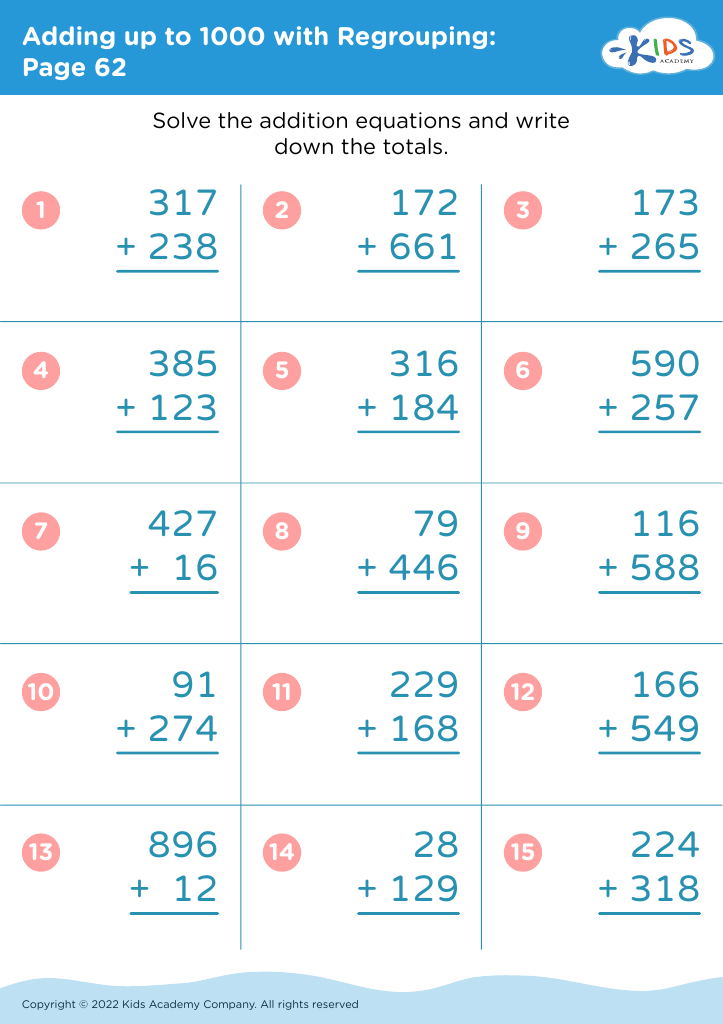
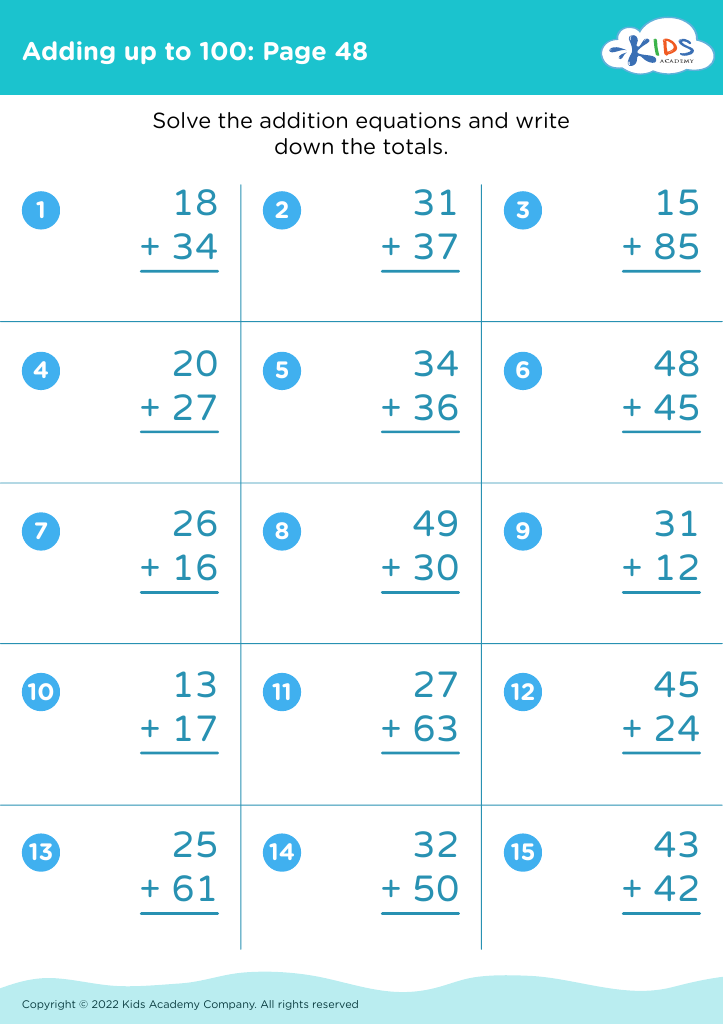
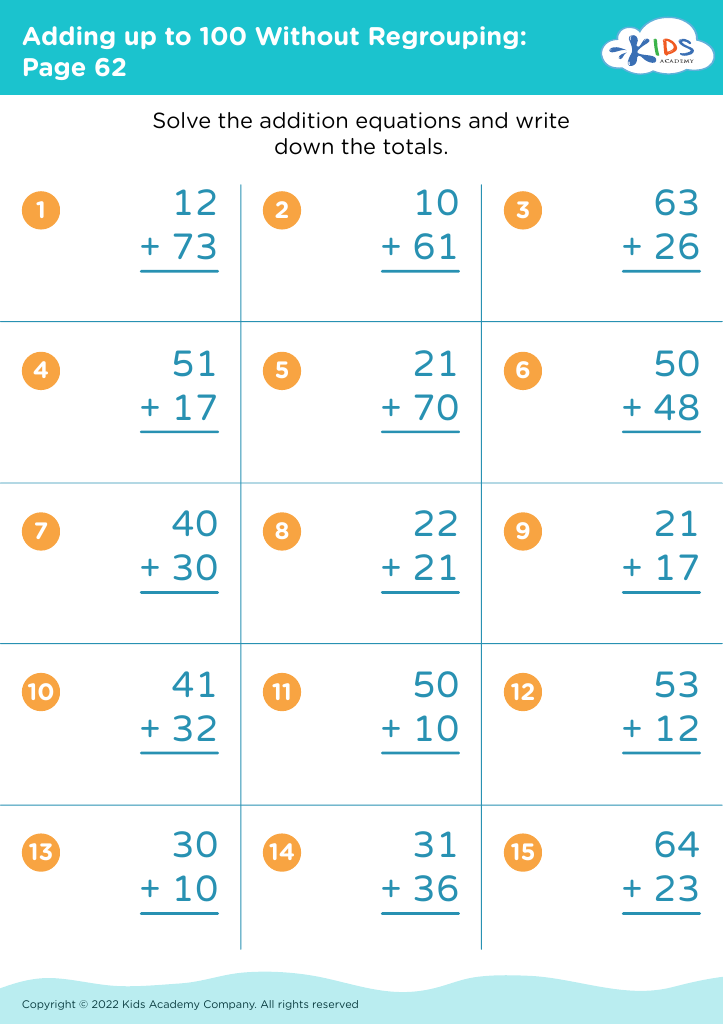
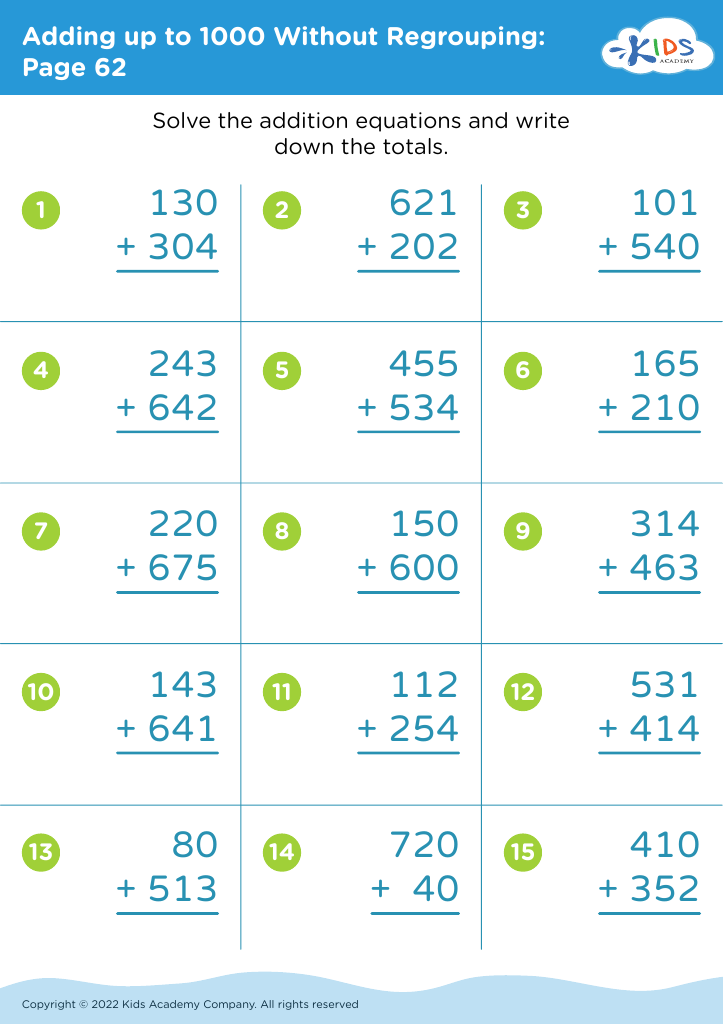








Identifying fractions and mastering addition and subtraction of fractions is a crucial educational milestone for children aged 5-9. Understanding fractions lays the groundwork for essential math skills, helping young learners comprehend a variety of concepts in later grades, such as ratios, proportions, and decimals.
For parents and teachers, fostering an early understanding of fractions encourages problem-solving and critical thinking. These skills can enhance children's confidence in math, allowing them to approach more complex topics with ease. Early proficiency in fractions will also support children in everyday situations, such as cooking, measuring, and understanding time, thereby making math relevant to their daily lives.
Moreover, introducing fractions at this age provides an excellent opportunity for hands-on learning and cooperative activities, which can strengthen social skills. Children can engage with interactive materials, such as fraction circles or pizzas, making abstract concepts more tangible.
Lastly, for parents and teachers invested in a well-rounded education, recognizing the importance of fractions promotes a growth mindset in students. This approach nurtures resilience, helping them view challenges as opportunities for learning, which is essential for lifelong academic success. In essence, a solid understanding of fractions during these formative years sets the stage for future mathematical achievement.








