Shape identification Addition & Subtraction Worksheets for Ages 5-9
14 filtered results
-
From - To
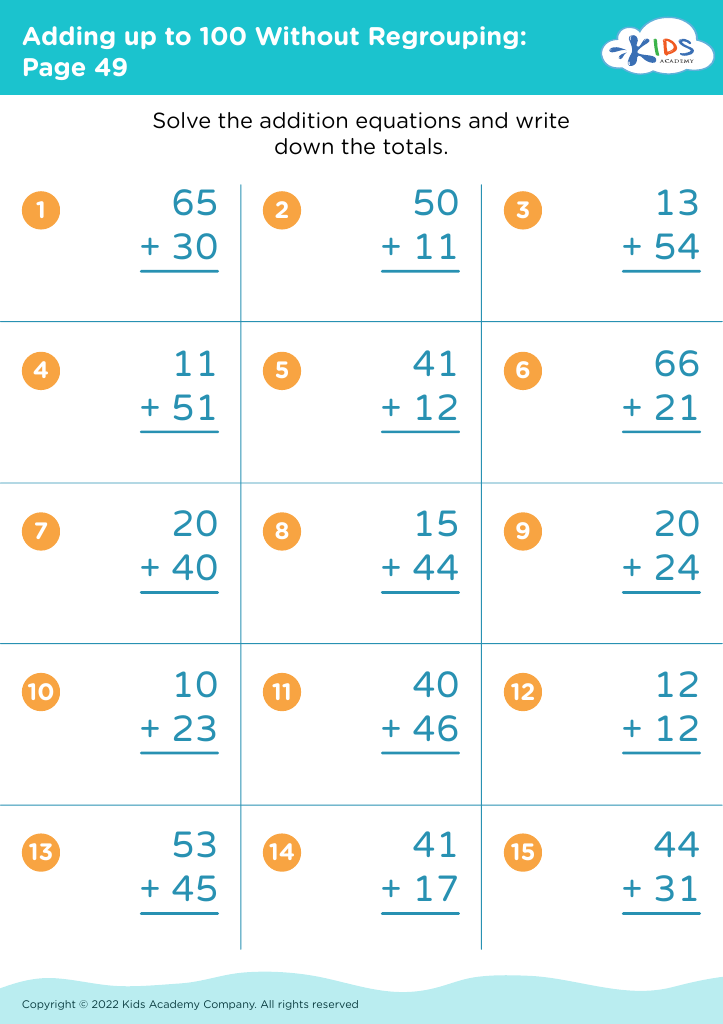
Explore our engaging "Shape Identification Addition & Subtraction Worksheets" designed for children aged 5-9! These interactive resources combine essential math skills with fun shape recognition activities, ensuring young learners enjoy math while enhancing their understanding of shapes. Each worksheet features colorful illustrations that capture children's attention and encourage creativity, making learning both informative and enjoyable. As kids practice addition and subtraction alongside shape identification, they develop critical thinking skills and build a strong foundation for future math success. Perfect for use at home or in the classroom, our worksheets are a great way to make learning shapes a fun adventure!
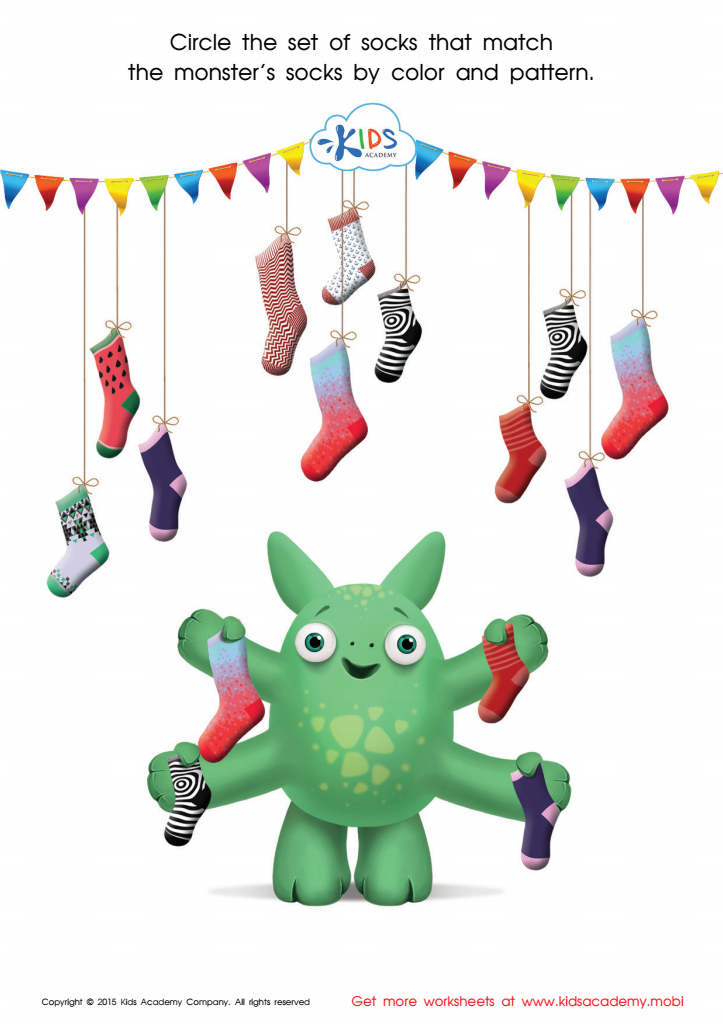
Sort the Monster's Socks Worksheet
 Assign to My Students
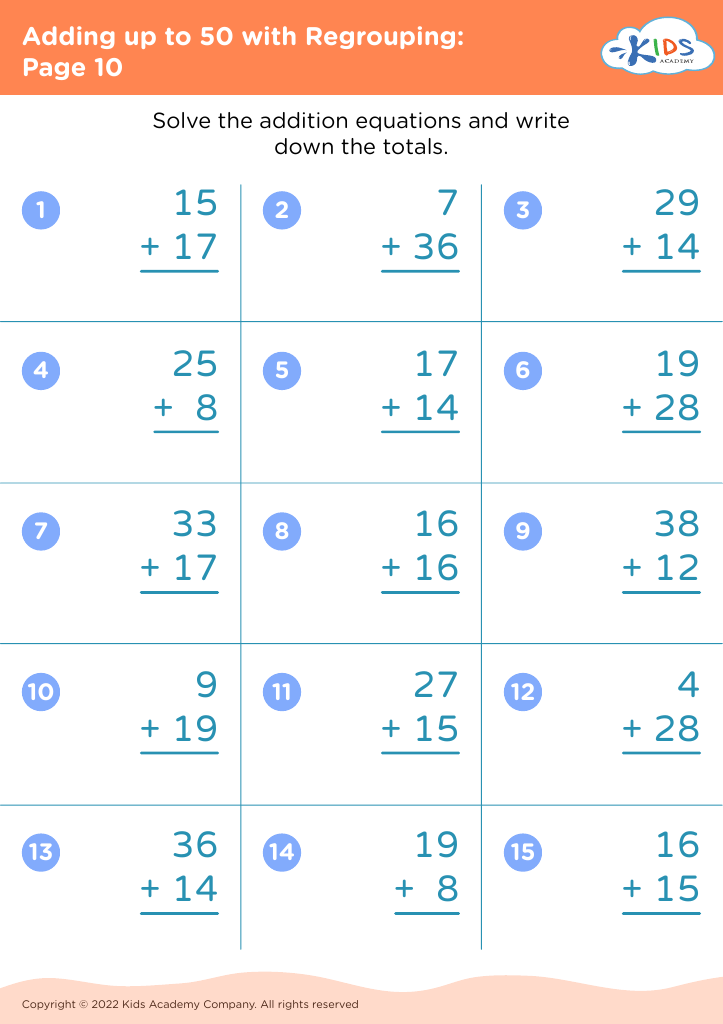
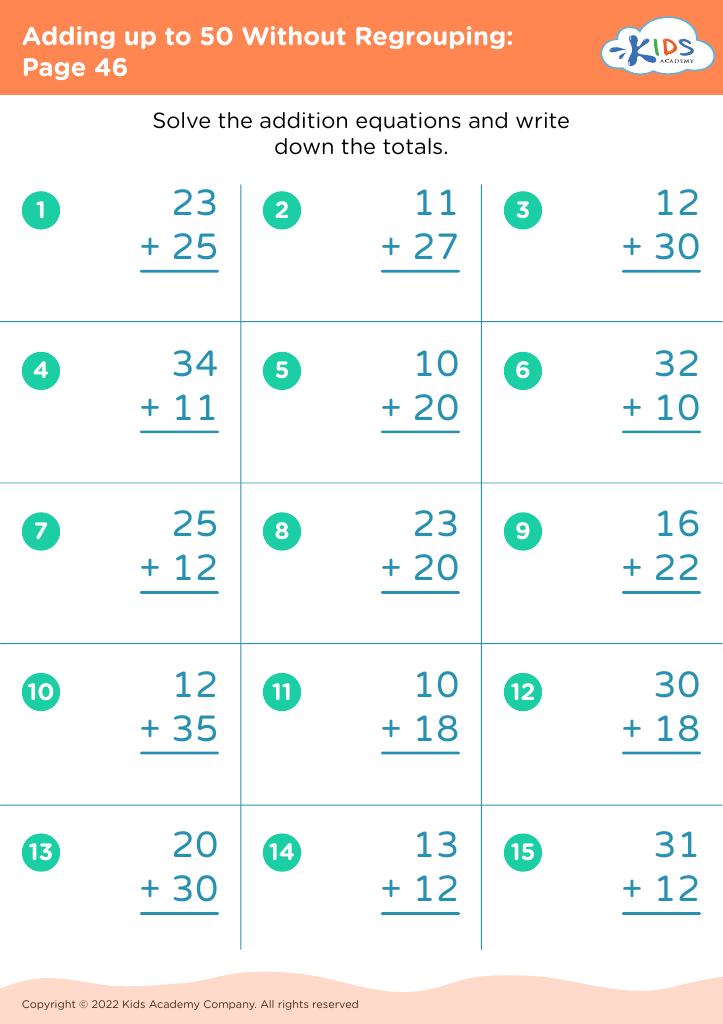
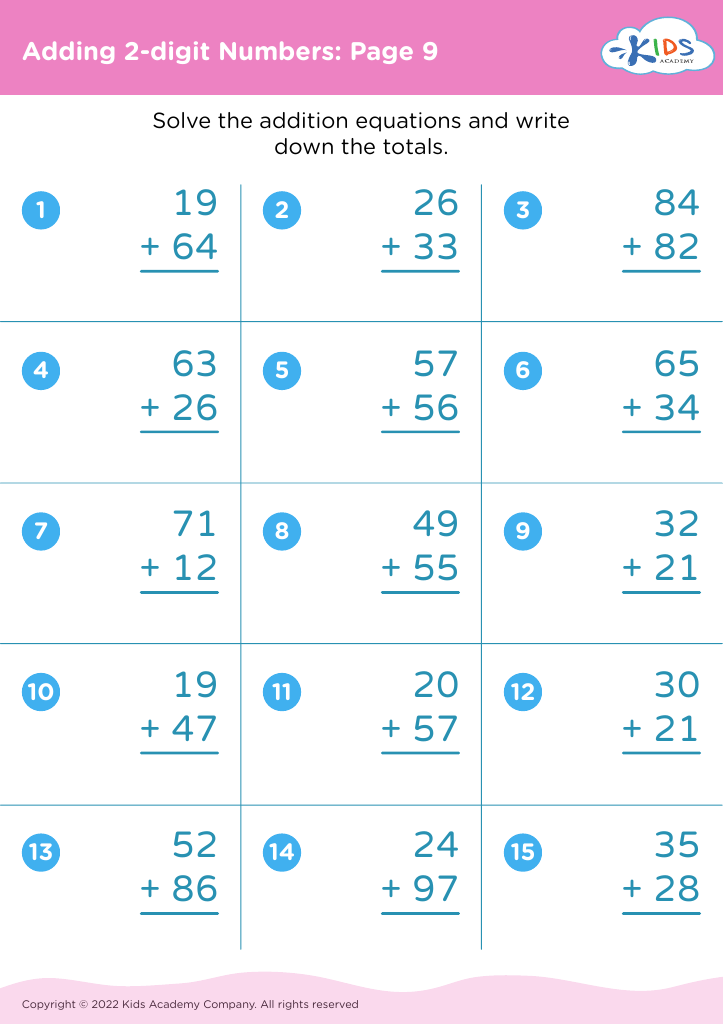
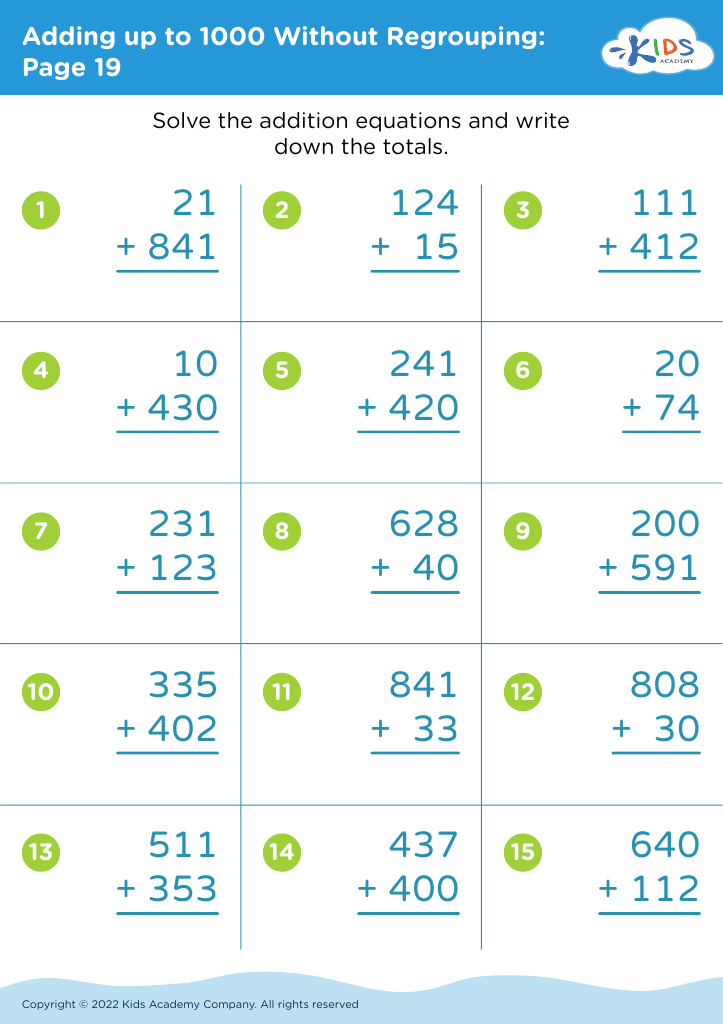








Shape identification, addition, and subtraction are fundamental skills for children aged 5-9, forming the building blocks for their mathematical understanding and overall cognitive development. Firstly, shape identification enhances visual and spatial awareness, essential for problem-solving in math and real life. Recognizing shapes helps children understand the concept of geometry, which they will encounter in higher grades.
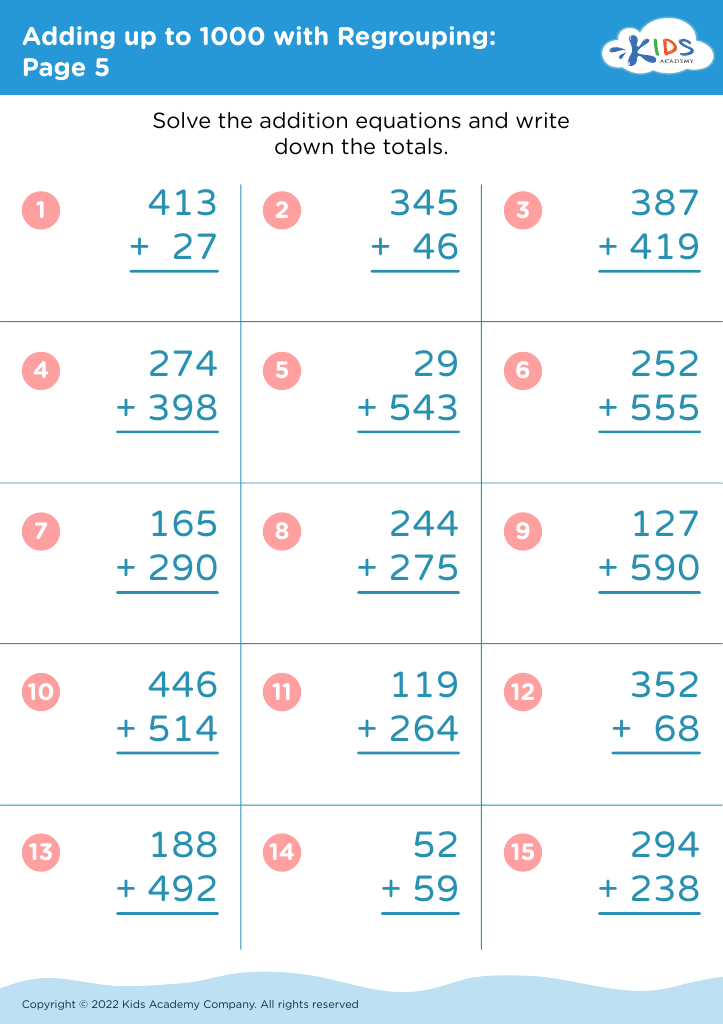
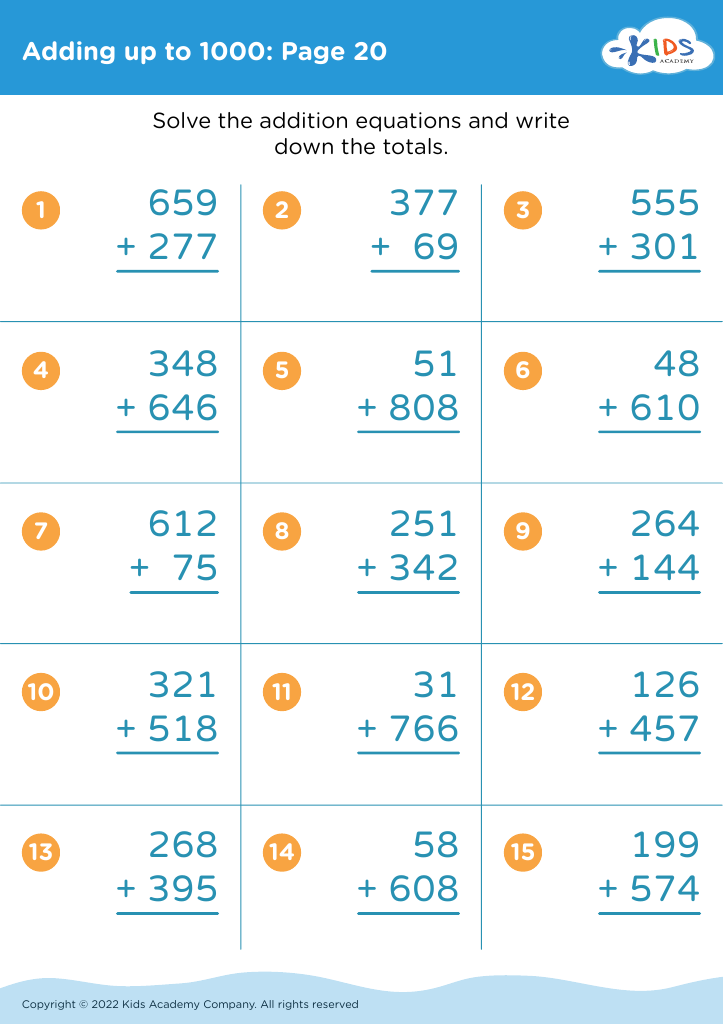
In addition, introducing addition and subtraction at this age fosters essential numerical skills, as these operations are the foundation for all future math learning. By mastering these concepts early, children gain confidence and fluency in mathematics, ensuring a smoother transition to more complex operations like multiplication and division.
Both shape identification and basic arithmetic skills support children's critical thinking and reasoning abilities. Engaging in these skills through fun and interactive activities helps keep children motivated and encourages positive associations with learning. Teachers and parents play a crucial role in this developmental stage, as they can provide constructive support and resources that cater to their child's individual learning pace and style. Investing time and effort in these foundational skills can yield long-term benefits, enabling children to approach math with confidence and competence in their educational journey.








