
Understand multiplication Addition & Subtraction Worksheets for Ages 5-9
6 filtered results
Difficulty Level
Grade
Age
-
From - To
Subject
Activity
Standards
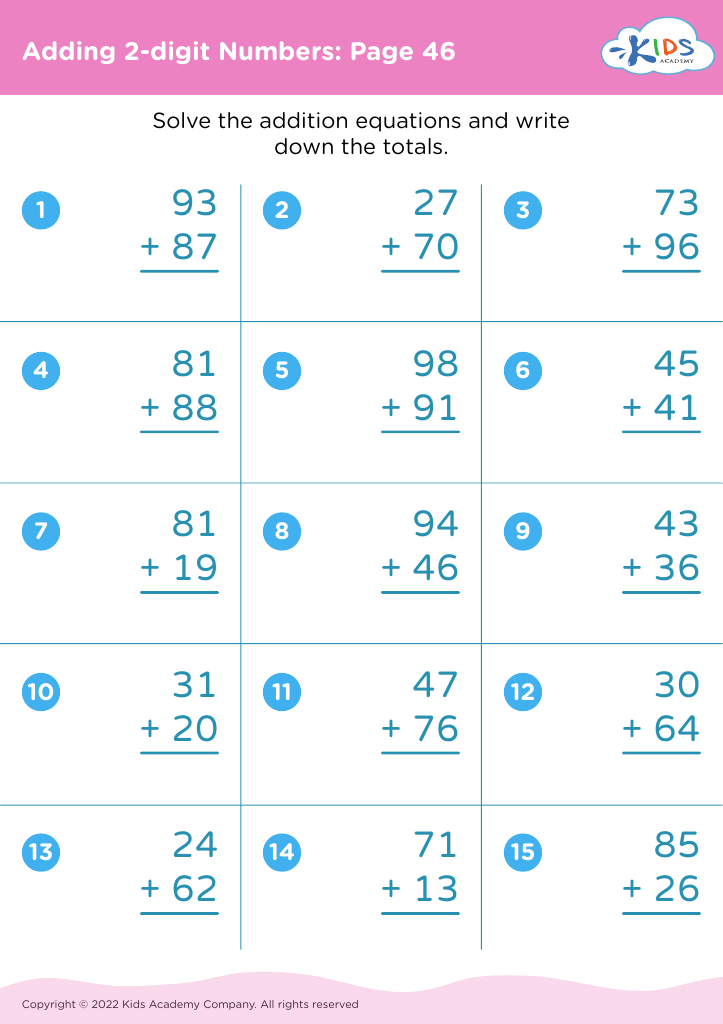
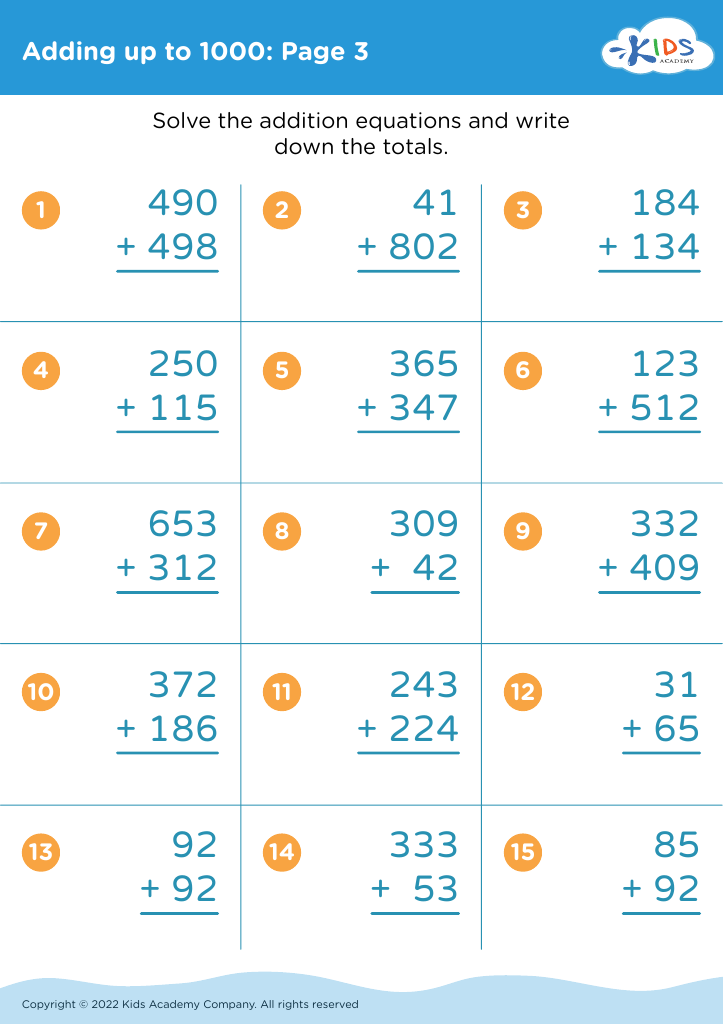
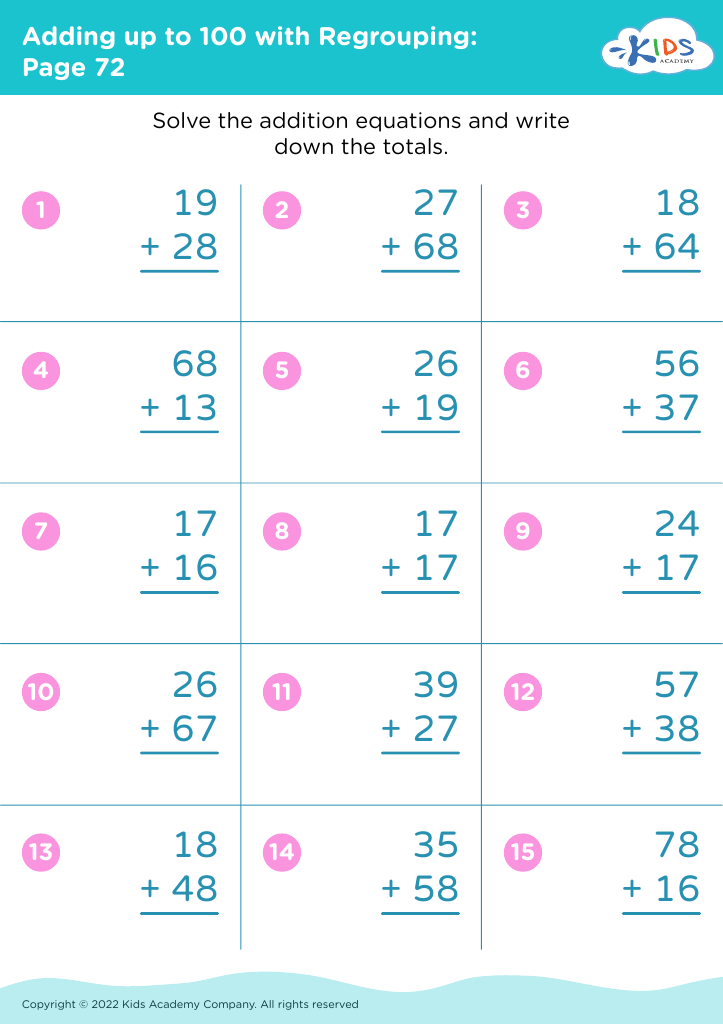
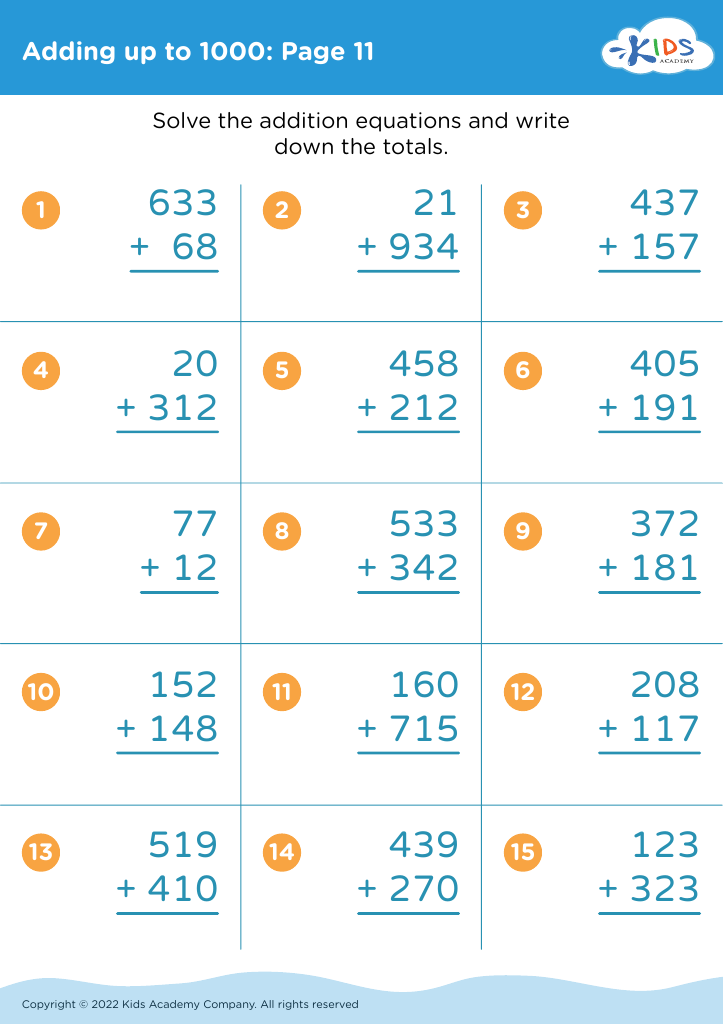
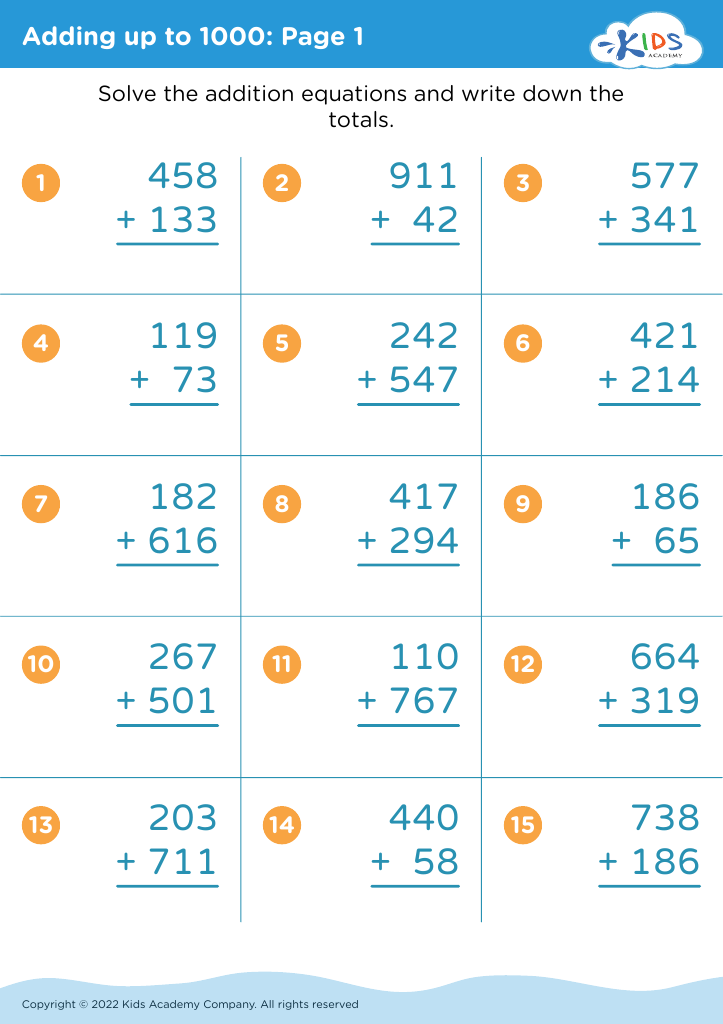
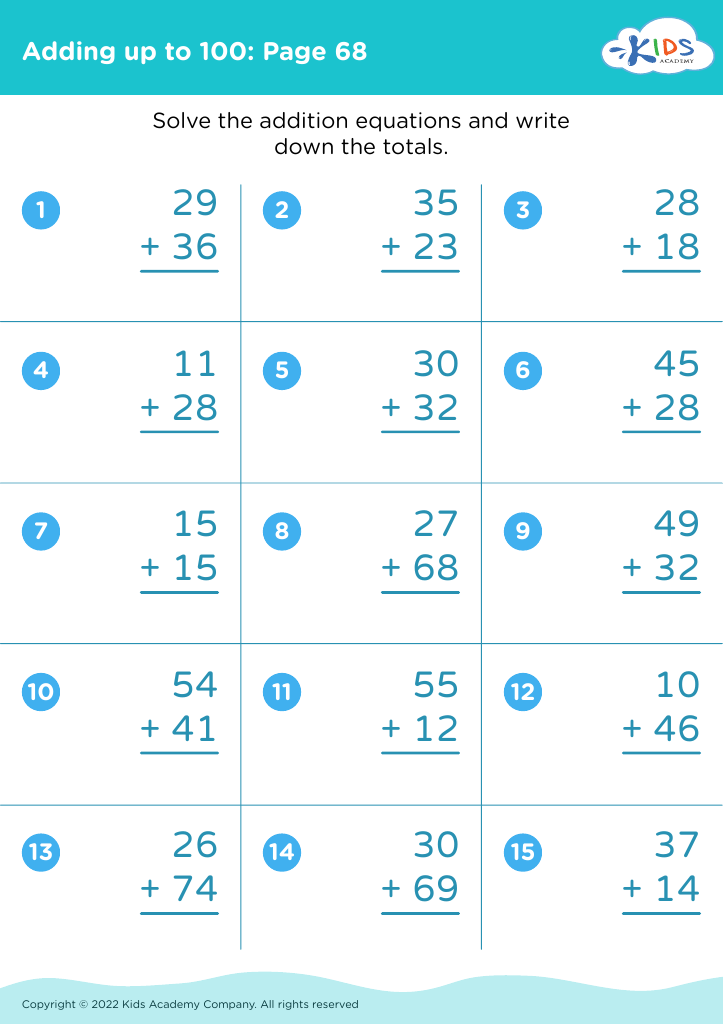
Explore our "Understand Multiplication, Addition & Subtraction Worksheets" designed specifically for children aged 5-9. These engaging and interactive worksheets help young learners develop a strong foundation in multiplication while reinforcing their addition and subtraction skills. Each worksheet is carefully crafted to provide a balance of challenge and fun, encouraging students to solve problems and grasp essential math concepts. With colorful graphics and age-appropriate exercises, kids will enjoy sharpening their mathematical abilities at their own pace. Perfect for classroom or home use, these worksheets are an excellent resource for teachers and parents aiming to boost their children’s confidence in mathematics. Start learning today!
Favorites
With answer key
Interactive
Join Kids Academy for Free
Who is primarily going to use this learning content?








Understanding multiplication, addition, and subtraction is crucial for children ages 5-9 as these concepts form the foundation of their overall mathematical literacy. Mastering these fundamental skills not only enhances their ability to solve basic mathematical problems but also boosts their confidence in tackling more complex, abstract concepts as they progress in their education.
Parents and teachers play an essential role in shaping children's perceptions of math. By fostering a positive and encouraging learning environment, adults can help alleviate any anxiety that children may have about mathematics. Engaging activities, such as games and hands-on problem-solving, can make learning multiplication, addition, and subtraction enjoyable and relatable, reinforcing their practical applications in everyday life.
Moreover, proficiency in these areas is vital for success in higher-order mathematics and necessary for subjects ranging from science to economics. The early years are crucial as cognitive development is rapid; children can grasp these concepts if properly supported. Supporting students in these skills promotes critical thinking, reasoning, and problem-solving capabilities.
Ultimately, prioritizing early math education empowers children with the tools they need to navigate their world confidently and successfully, setting a robust foundation for lifelong learning.








