
Understanding money Addition & Subtraction Worksheets for Ages 5-9
4 filtered results
Difficulty Level
Grade
Age
-
From - To
Subject
Activity
Standards
"Understanding Money: Addition & Subtraction Worksheets for Ages 5-9" is designed to make learning essential math skills fun and engaging. Tailored for young learners, these printable worksheets combine colorful visuals with interactive exercises to teach the basics of adding and subtracting money. Offering clear, step-by-step instructions, children will learn how to handle real-life scenarios involving dollars and cents. Ideal for ages 5-9, these resources help students grasp the concepts of money, develop critical thinking, and improve their numeracy skills. Perfect for both classroom use and home practice, start your child's financial literacy journey today!
Favorites
With answer key
Interactive
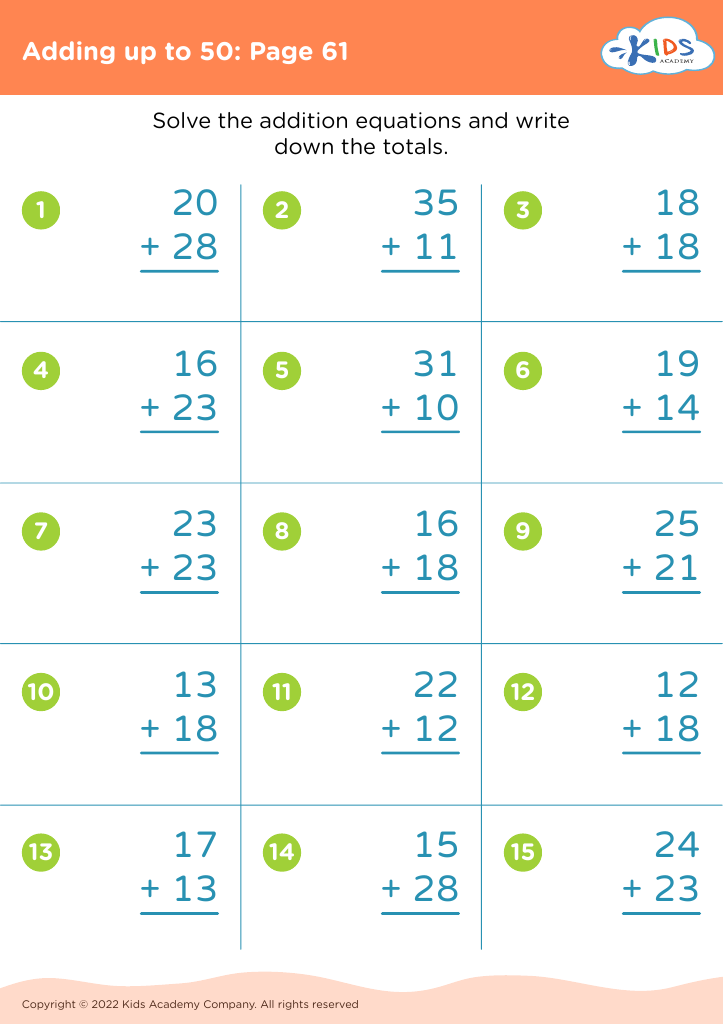
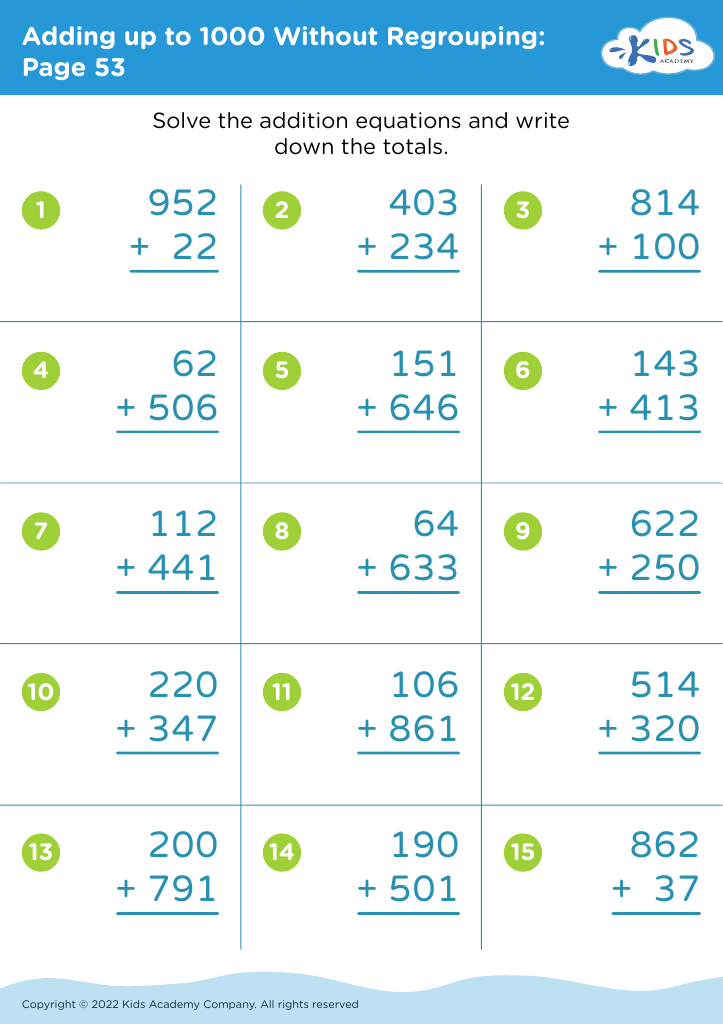
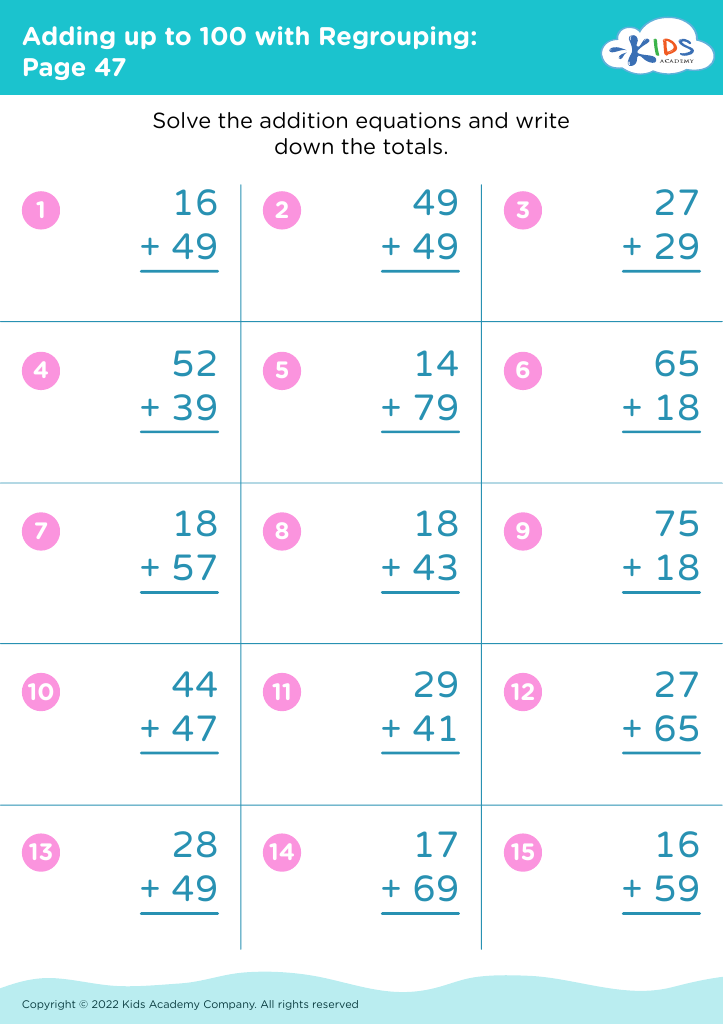
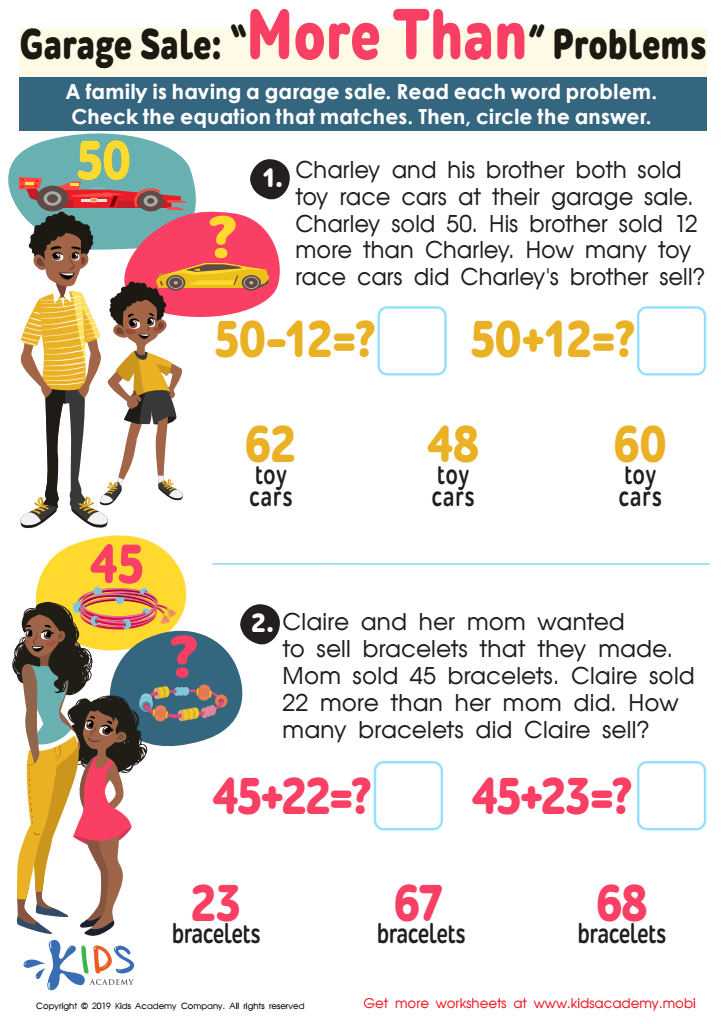
Garage Sale - More yhan Worksheet
The whole family can join in on the fun with this free worksheet! It helps kids practice math word problems while assisting their friends with a garage sale. Kids learn to identify "More Than" key words and pick the right equation, improving their order of operations skills. Download the PDF and get started!
 Assign to My Students
Garage Sale - More yhan Worksheet
Worksheet
Join Kids Academy for Free
Who is primarily going to use this learning content?








Understanding the fundamental concepts of money, addition, and subtraction from an early age is crucial for ages 5-9 as it lays the groundwork for financial literacy and mathematical skills that children will use throughout their lives. Early exposure helps children grasp the value of money, how to count it, and make simple transactions. This practical skill is essential not only for day-to-day activities, such as buying snacks or toys, but also for developing an appreciation of budgeting and saving, fostering responsible financial habits from a young age.
Furthermore, learning addition and subtraction through the context of money makes math relatable and tangible, thereby enhancing mathematical comprehension and problem-solving abilities. These basic arithmetic operations form the building blocks for more complex mathematical concepts. Students who develop a solid understanding of these skills early on are more likely to excel in their academic journey across various subjects.
For parents and teachers, fostering these skills can also nurture children's confidence in handling real-life scenarios, promoting independence and decision-making aptitude. Encouraging practice through fun, engaging activities such as pretend play, interactive games, and hands-on exercises ensures that learning is both effective and enjoyable. By prioritizing money-related math skills, adults equip children with essential life tools necessary for future success.








