Filters

69 filtered results

Clear all filters
Favorites
With answer key
Interactive

69 filtered results

Difficulty Level

Grade


Subject

    Enhance your child's learning journey with our Fine Motor Skills Addition Worksheets designed for ages 5-9. These engaging worksheets combine fundamental math skills with fun, hands-on activities that promote fine motor development. Your child will practice addition through interactive exercises that encourage gripping, drawing, and coloring, all while mastering foundational math concepts. Our worksheets aim to support early learners by making math enjoyable and accessible. Perfect for at-home or classroom use, these resources foster concentration, coordination, and cognitive growth. Download now to give your child the tools they need to thrive in math while developing essential fine motor skills!
    Check out this FREE Trial Lesson on Addition for age 5-9!

    X

    Favorites
    With answer key
    Interactive
    • 5-9
    • Fine Motor Skills
    • Addition
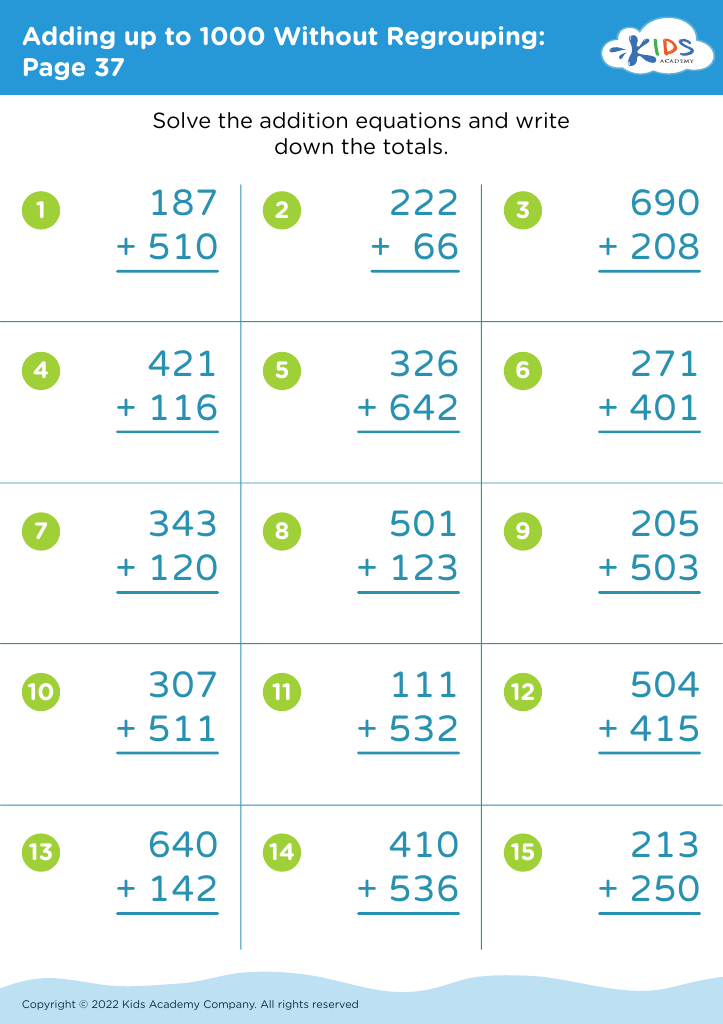
    Adding up to 1000 Without Regrouping: Page 37
    Adding up to 1000 Without Regrouping: Page 37
    Adding up to 1000 Without Regrouping: Page 37
    Worksheet
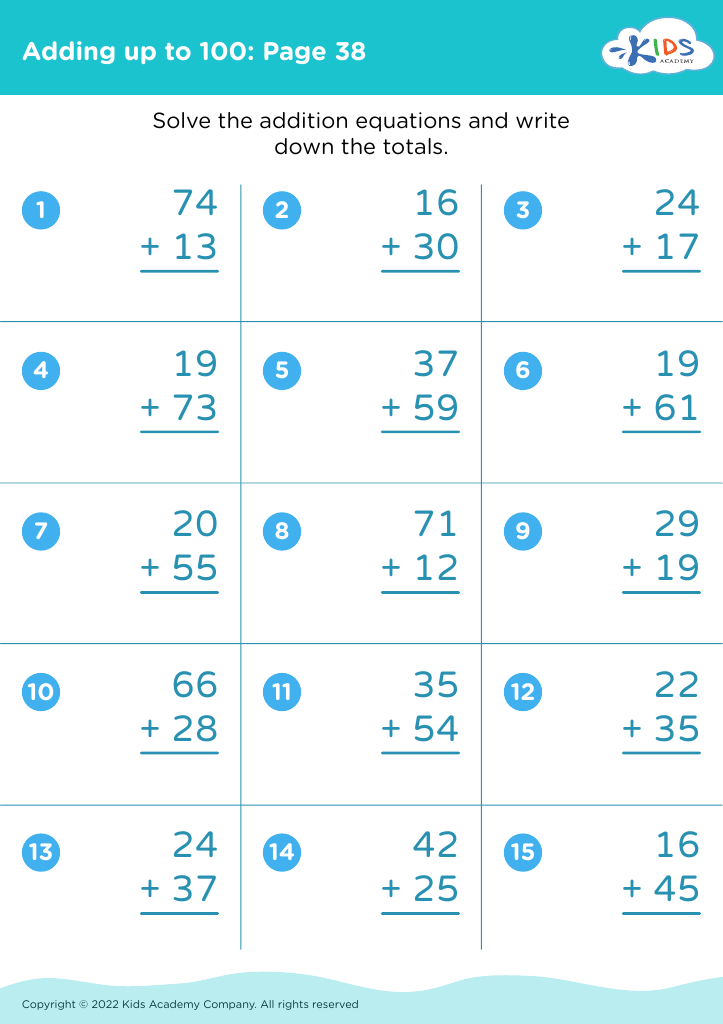
    Adding up to 100: Page 38
    Adding up to 100: Page 38

    Adding up to 100: Page 38

    Adding up to 100: Page 38
    Worksheet
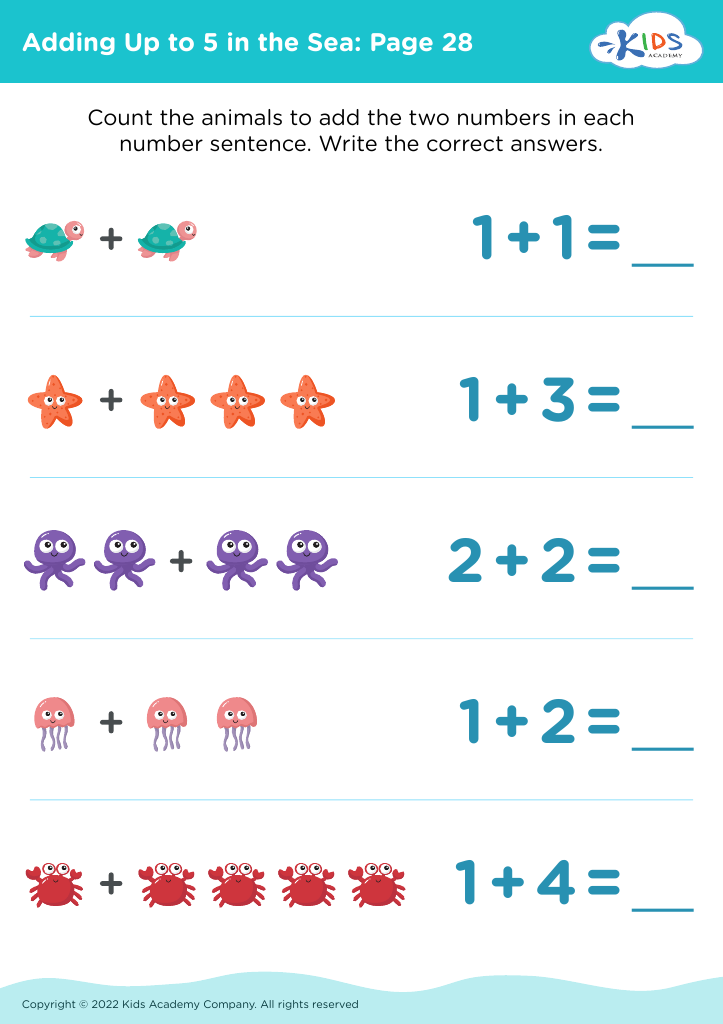
    Adding Up to 5 in the Sea: Page 28
    Adding Up to 5 in the Sea: Page 28
    Adding Up to 5 in the Sea: Page 28
    Worksheet
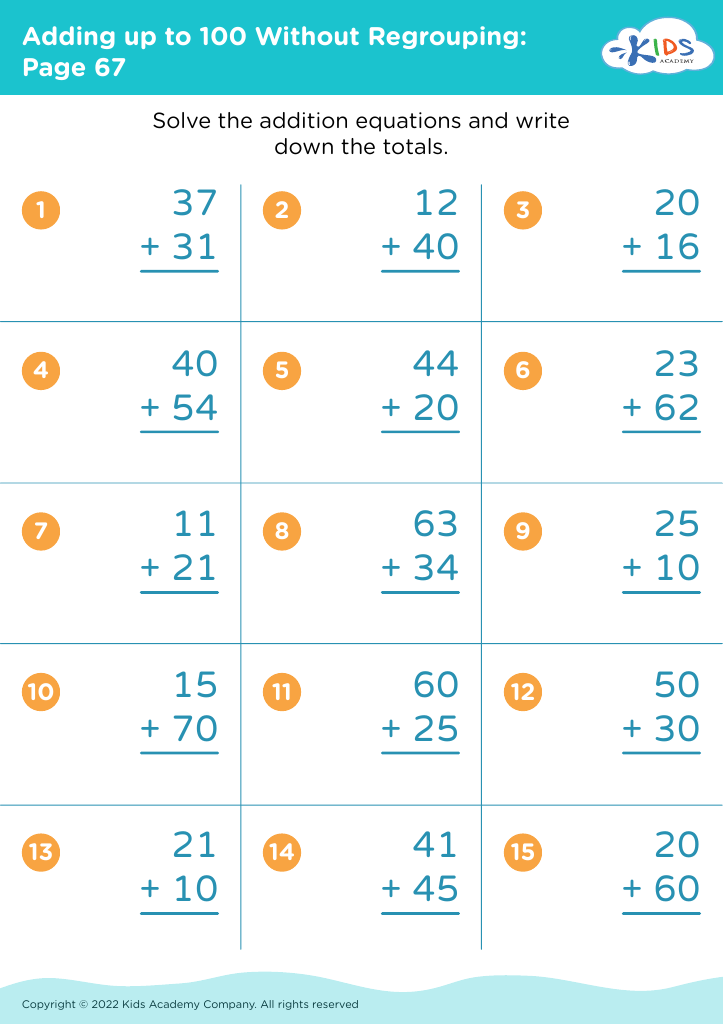
    Adding up to 100 Without Regrouping: Page 67
    Adding up to 100 Without Regrouping: Page 67
    Adding up to 100 Without Regrouping: Page 67
    Worksheet
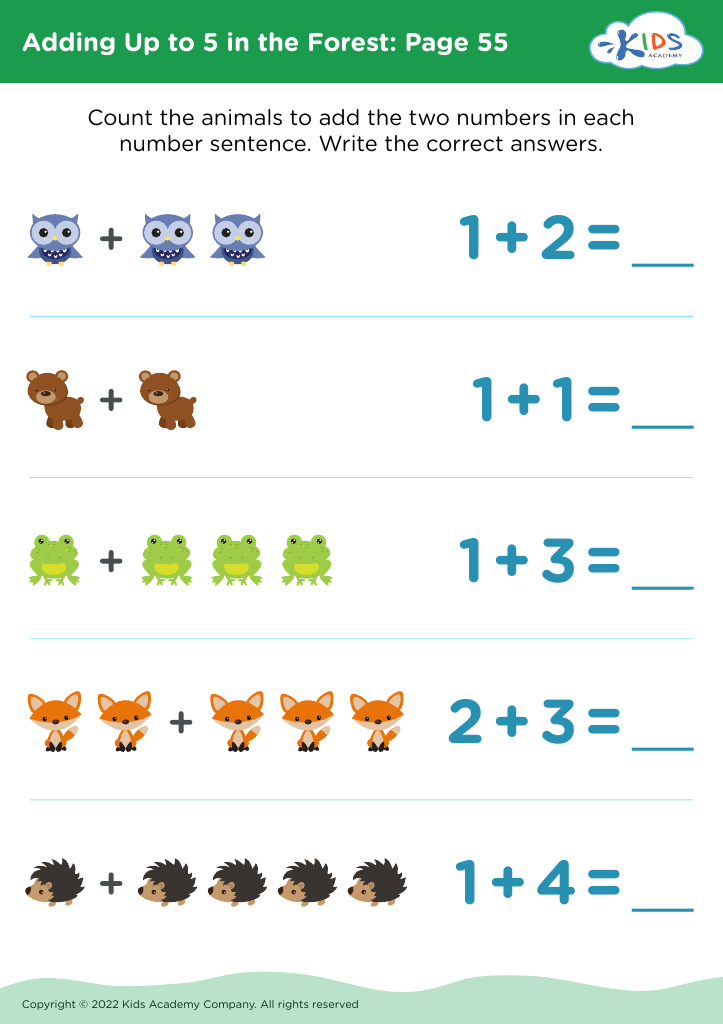
    Adding Up to 5 in the Forest: Page 55
    Adding Up to 5 in the Forest: Page 55
    Adding Up to 5 in the Forest: Page 55
    Worksheet
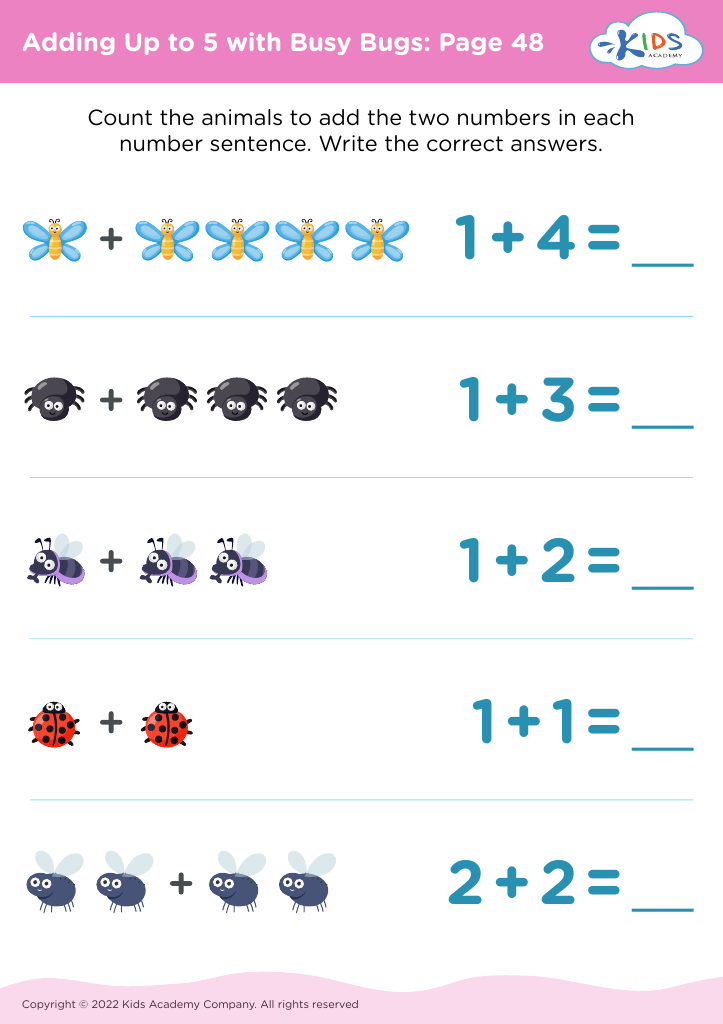
    Adding Up to 5 with Busy Bugs: Page 48
    Adding Up to 5 with Busy Bugs: Page 48
    Adding Up to 5 with Busy Bugs: Page 48
    Worksheet
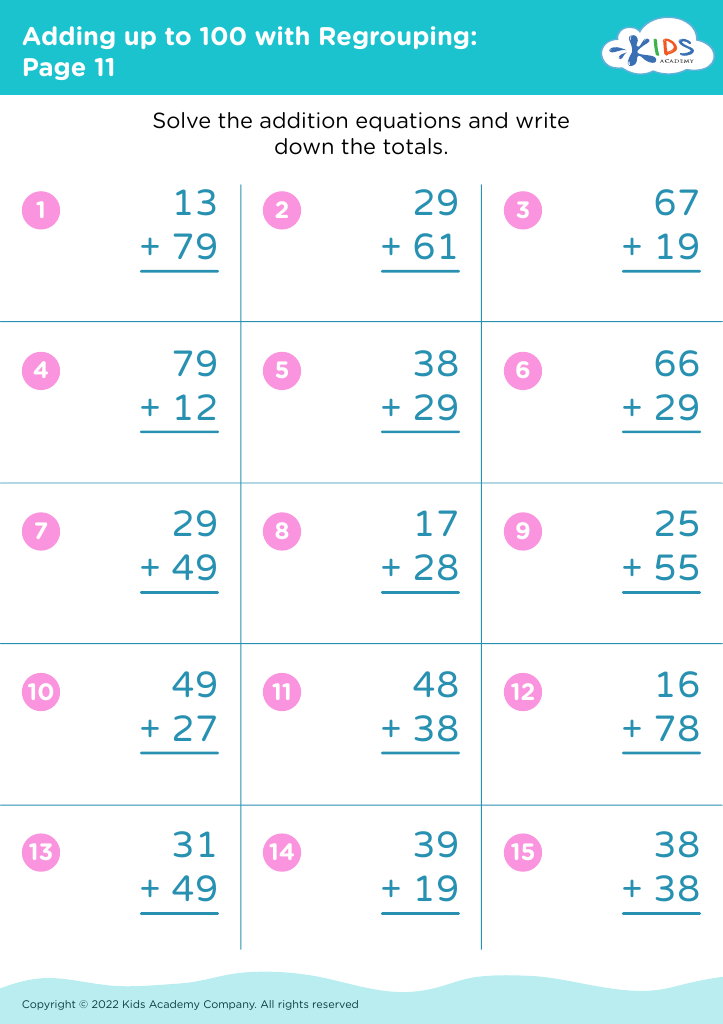
    Adding up to 100 with Regrouping: Page 11
    Adding up to 100 with Regrouping: Page 11
    Adding up to 100 with Regrouping: Page 11
    Worksheet
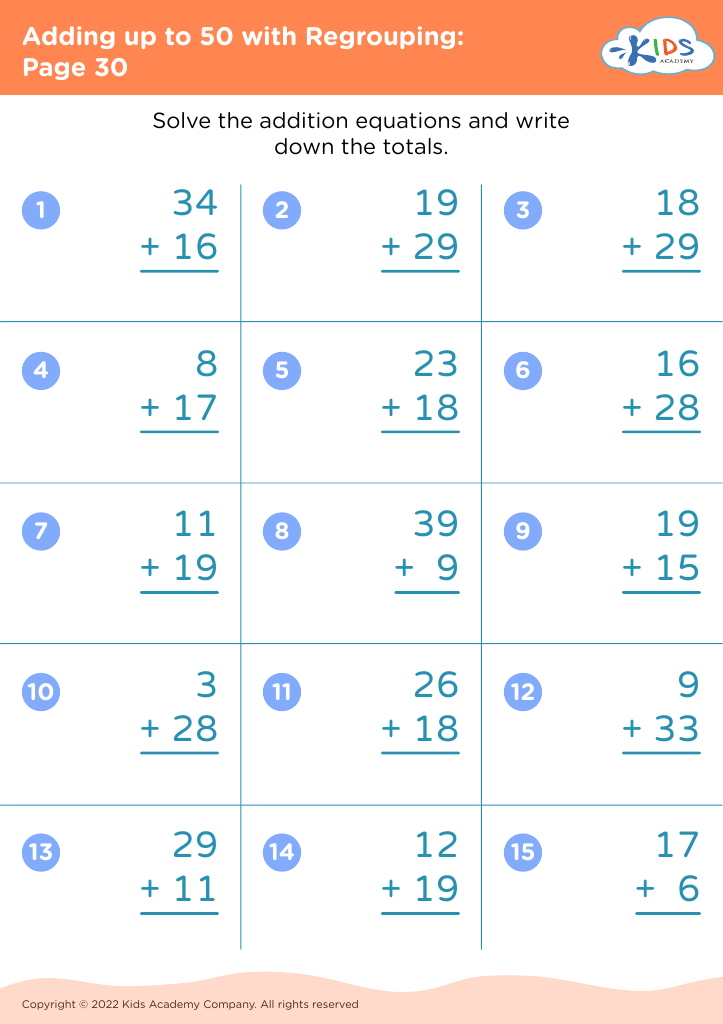
    Adding up to 50 with Regrouping: Page 30
    Adding up to 50 with Regrouping: Page 30
    Adding up to 50 with Regrouping: Page 30
    Worksheet
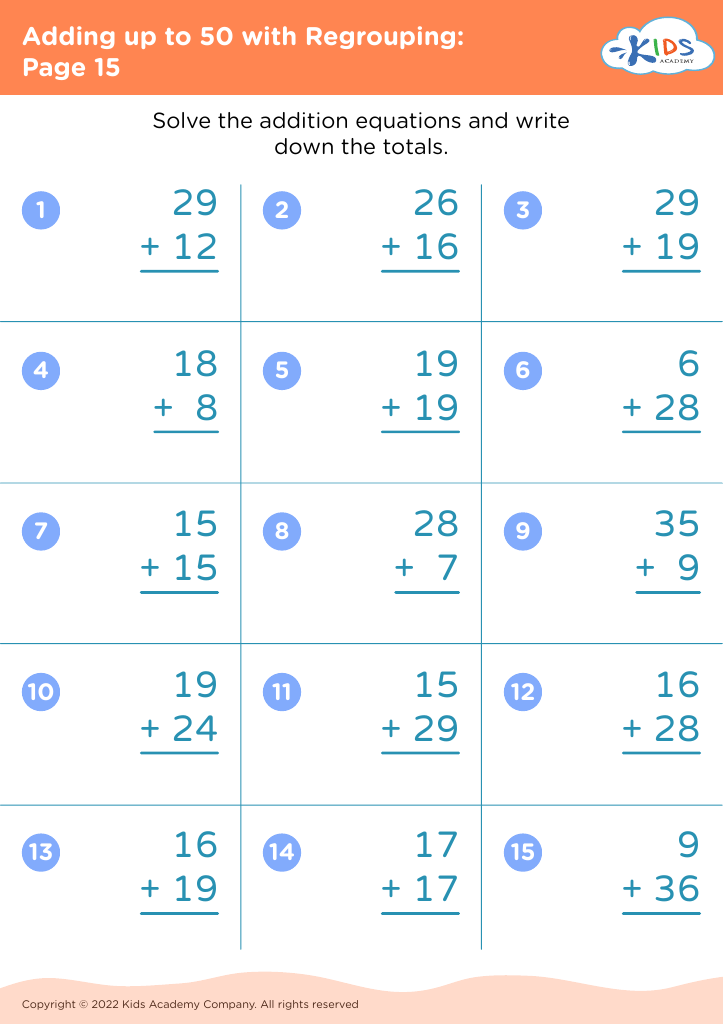
    Adding up to 50 with Regrouping: Page 15
    Adding up to 50 with Regrouping: Page 15
    Adding up to 50 with Regrouping: Page 15
    Worksheet
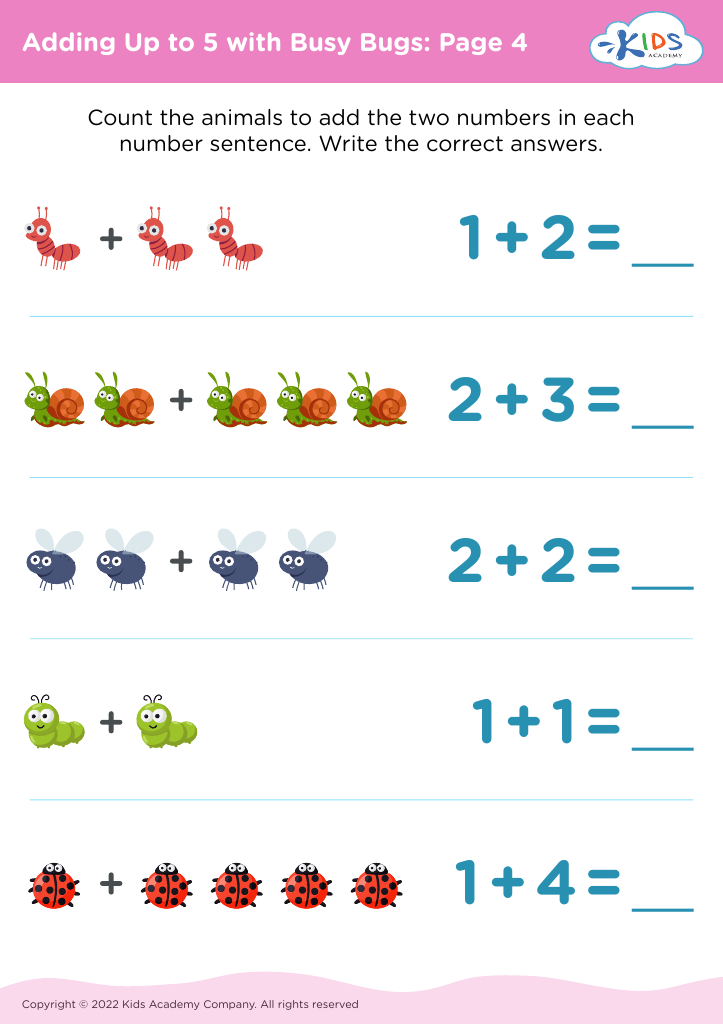
    Adding Up to 5 with Busy Bugs: Page 4
    Adding Up to 5 with Busy Bugs: Page 4
    Adding Up to 5 with Busy Bugs: Page 4
    Worksheet
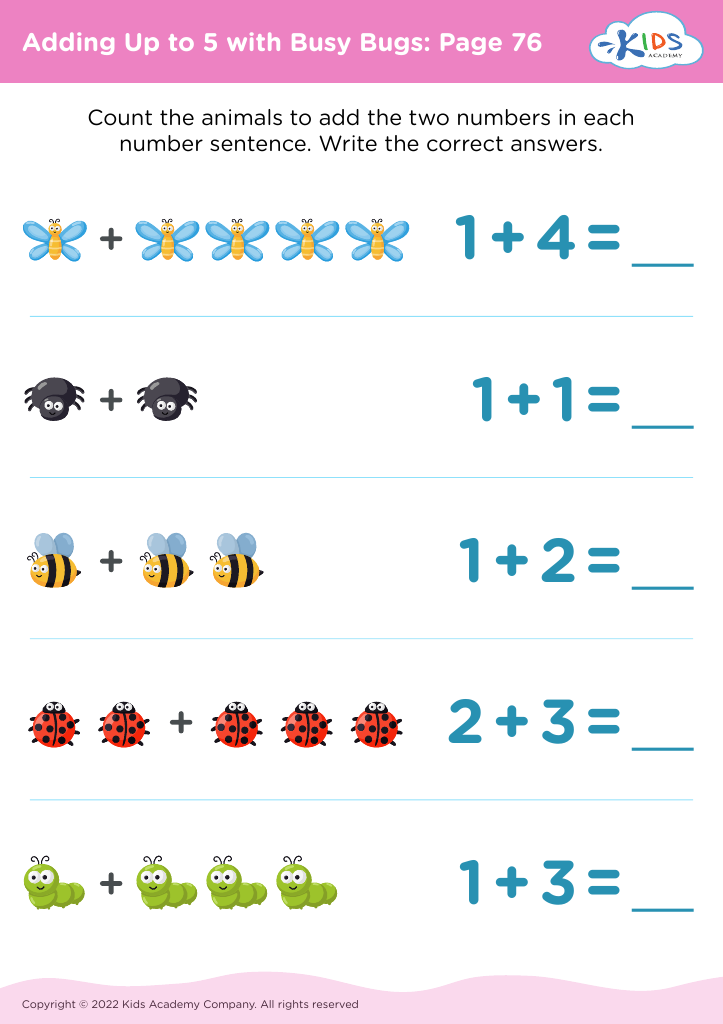
    Adding Up to 5 with Busy Bugs: Page 76
    Adding Up to 5 with Busy Bugs: Page 76
    Adding Up to 5 with Busy Bugs: Page 76
    Worksheet
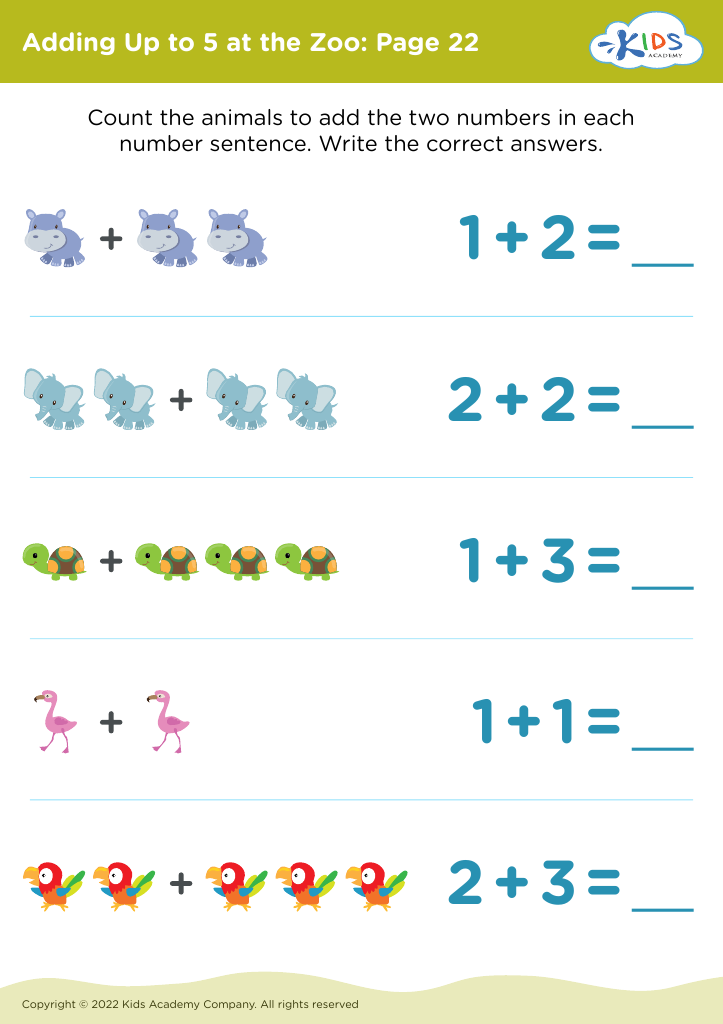
    Adding Up to 5 at the Zoo: Page 22
    Adding Up to 5 at the Zoo: Page 22
    Adding Up to 5 at the Zoo: Page 22
    Worksheet
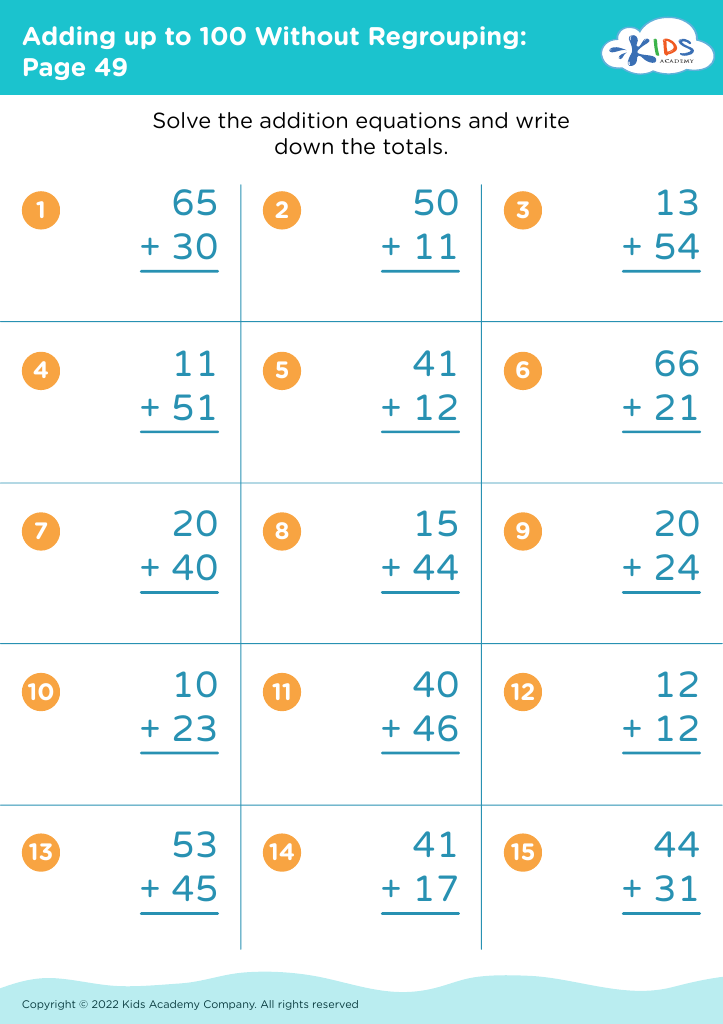
    Adding up to 100 Without Regrouping: Page 49
    Adding up to 100 Without Regrouping: Page 49
    Adding up to 100 Without Regrouping: Page 49
    Worksheet
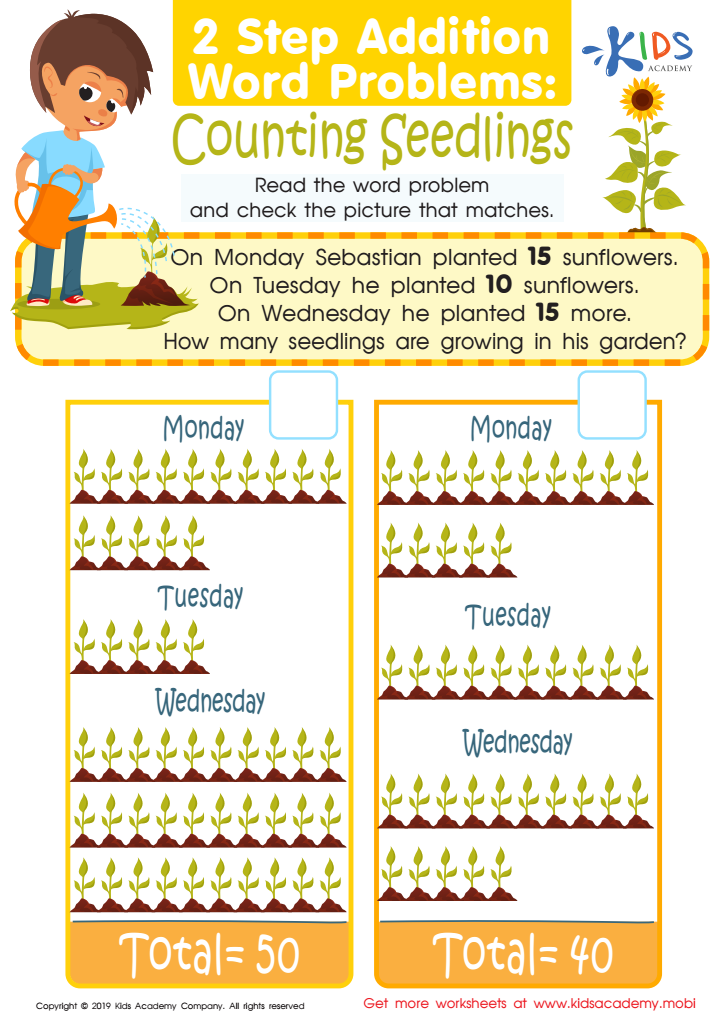
    Counting Seedlings Worksheet
    Counting Seedlings Worksheet

    Counting Seedlings Worksheet

    Understanding math word problems is key. Multiple steps can prove challenging - this free worksheet provides one-to-one picture representation to help kids solve multi-step addition word problems. Strengthen addition skills by choosing the matching picture to the answer.
    Counting Seedlings Worksheet
    Worksheet
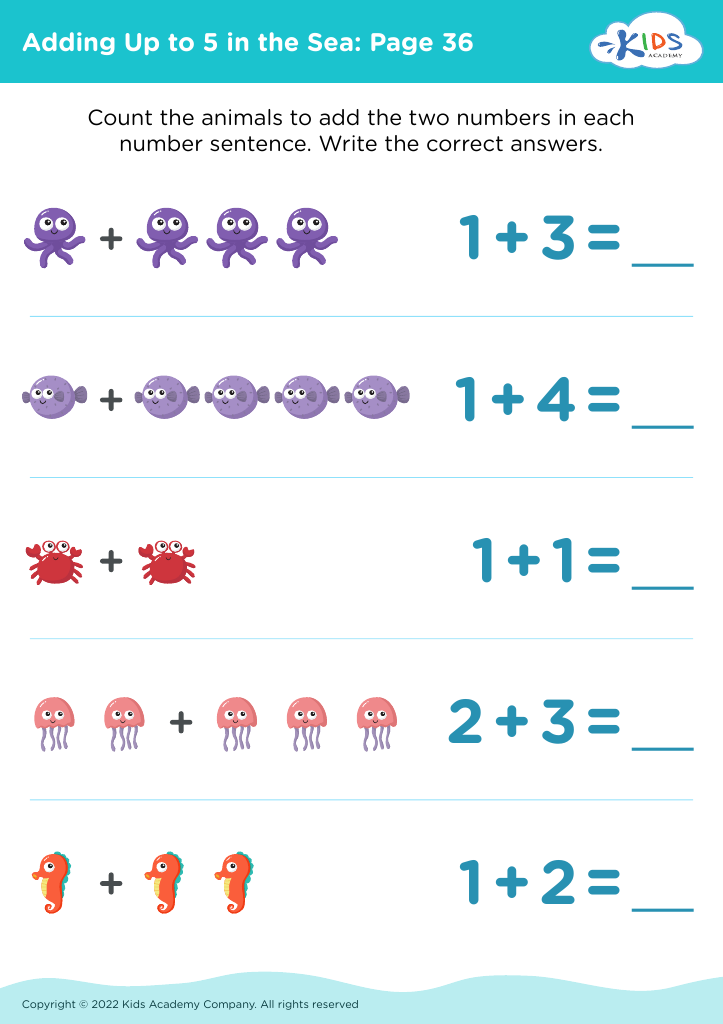
    Adding Up to 5 in the Sea: Page 36
    Adding Up to 5 in the Sea: Page 36
    Adding Up to 5 in the Sea: Page 36
    Worksheet
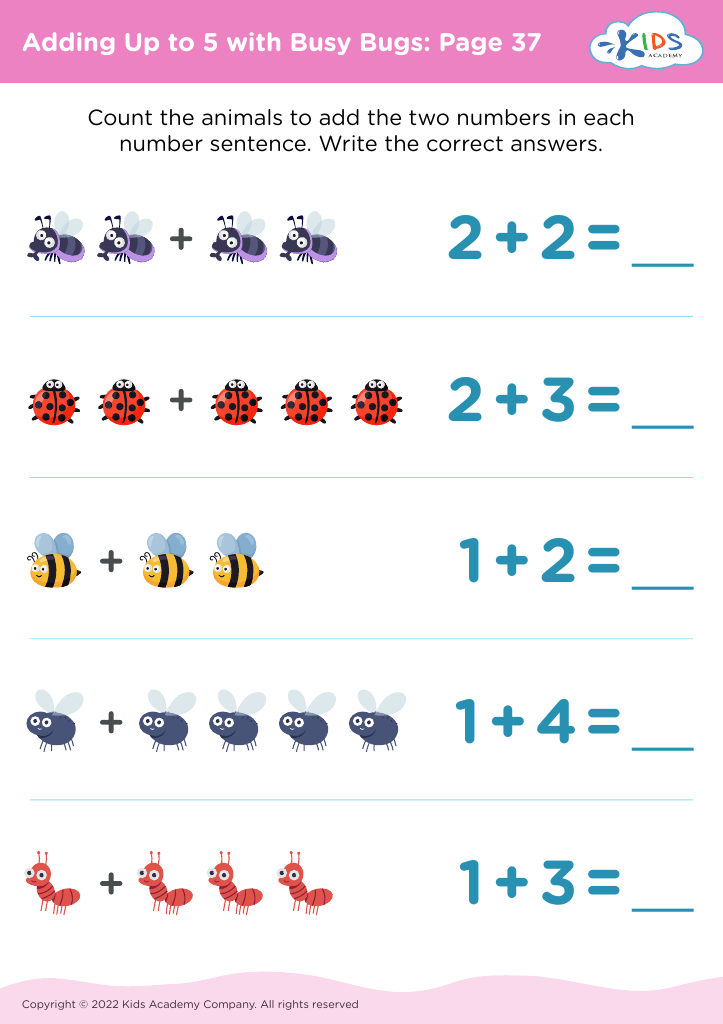
    Adding Up to 5 with Busy Bugs: Page 37
    Adding Up to 5 with Busy Bugs: Page 37
    Adding Up to 5 with Busy Bugs: Page 37
    Worksheet
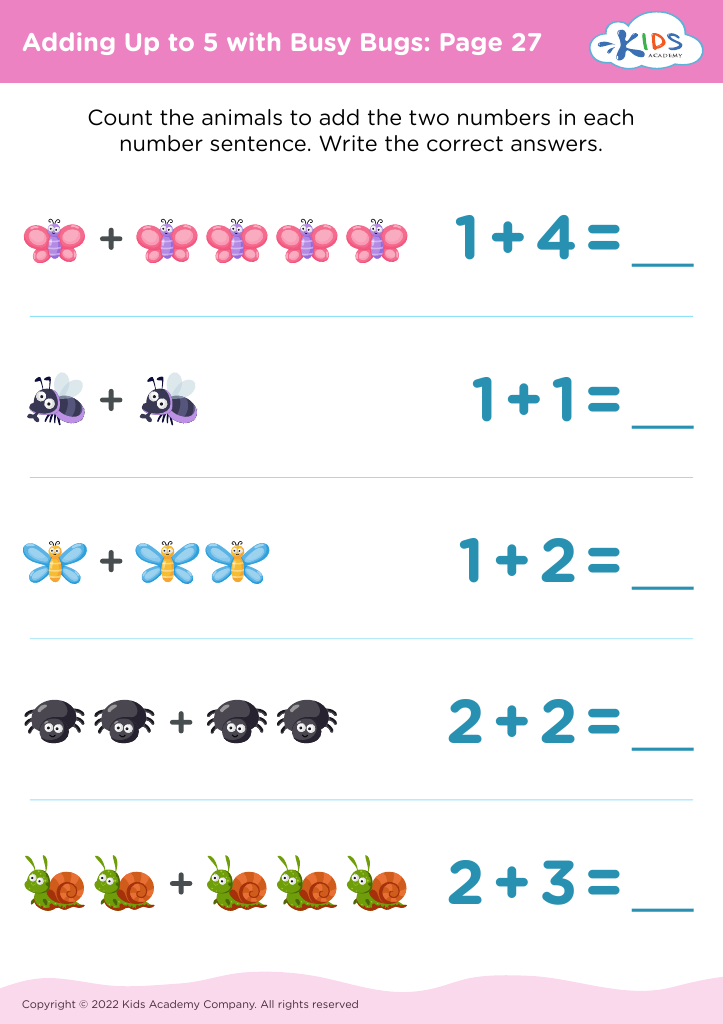
    Adding Up to 5 with Busy Bugs: Page 27
    Adding Up to 5 with Busy Bugs: Page 27
    Adding Up to 5 with Busy Bugs: Page 27
    Worksheet
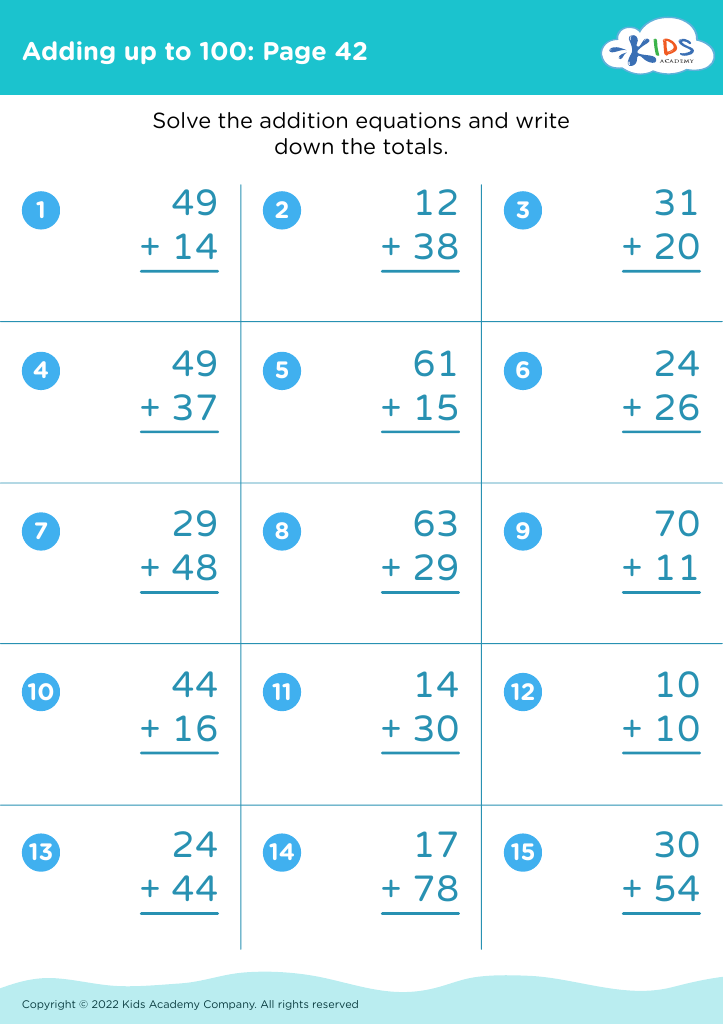
    Adding up to 100: Page 42
    Adding up to 100: Page 42

    Adding up to 100: Page 42

    Adding up to 100: Page 42
    Worksheet
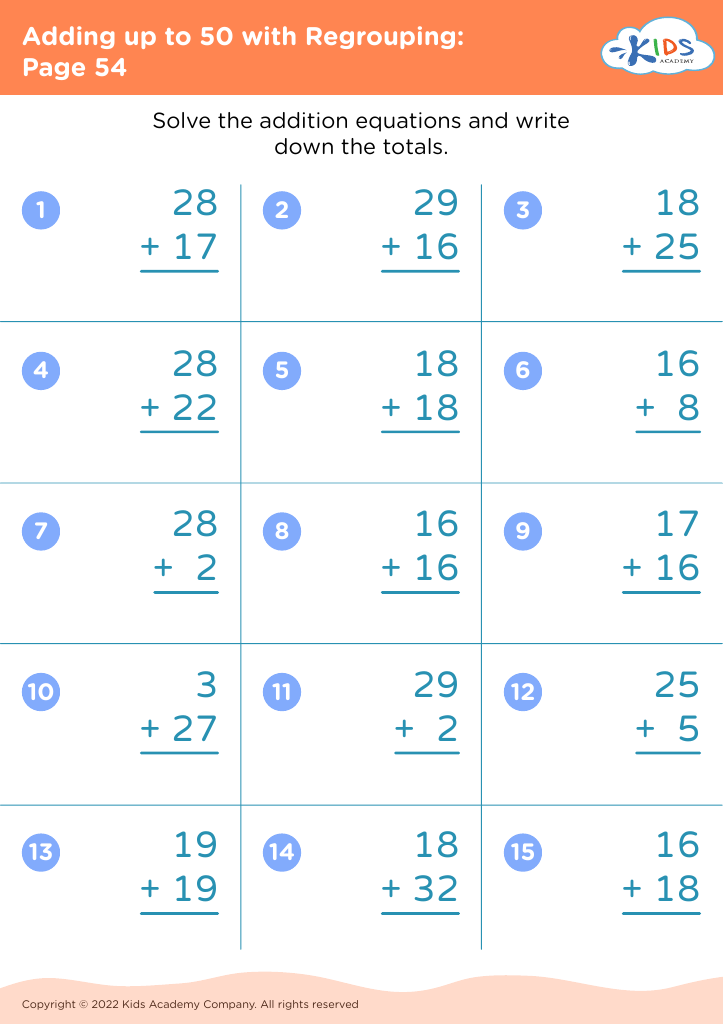
    Adding up to 50 with Regrouping: Page 54
    Adding up to 50 with Regrouping: Page 54
    Adding up to 50 with Regrouping: Page 54
    Worksheet
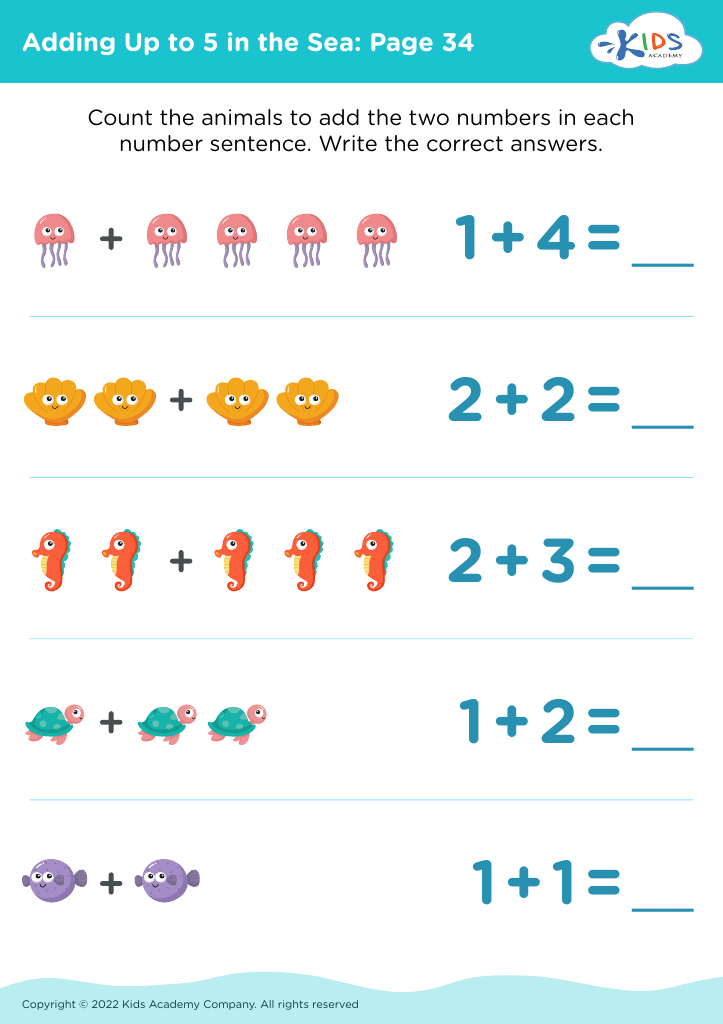
    Adding Up to 5 in the Sea: Page 34
    Adding Up to 5 in the Sea: Page 34
    Adding Up to 5 in the Sea: Page 34
    Worksheet
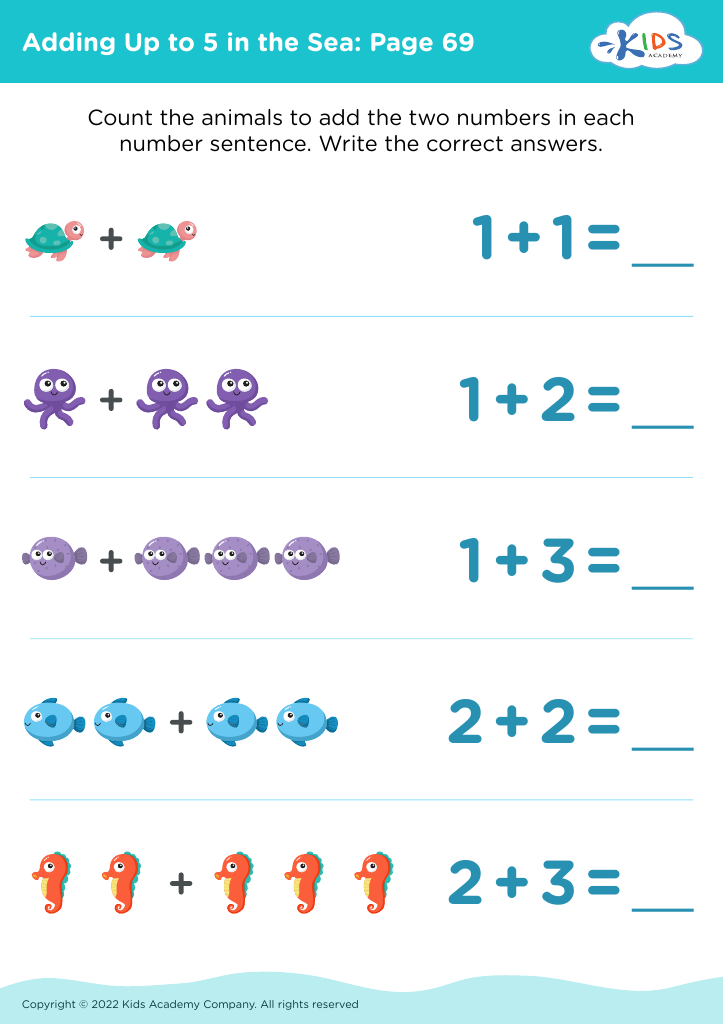
    Adding Up to 5 in the Sea: Page 69
    Adding Up to 5 in the Sea: Page 69
    Adding Up to 5 in the Sea: Page 69
    Worksheet
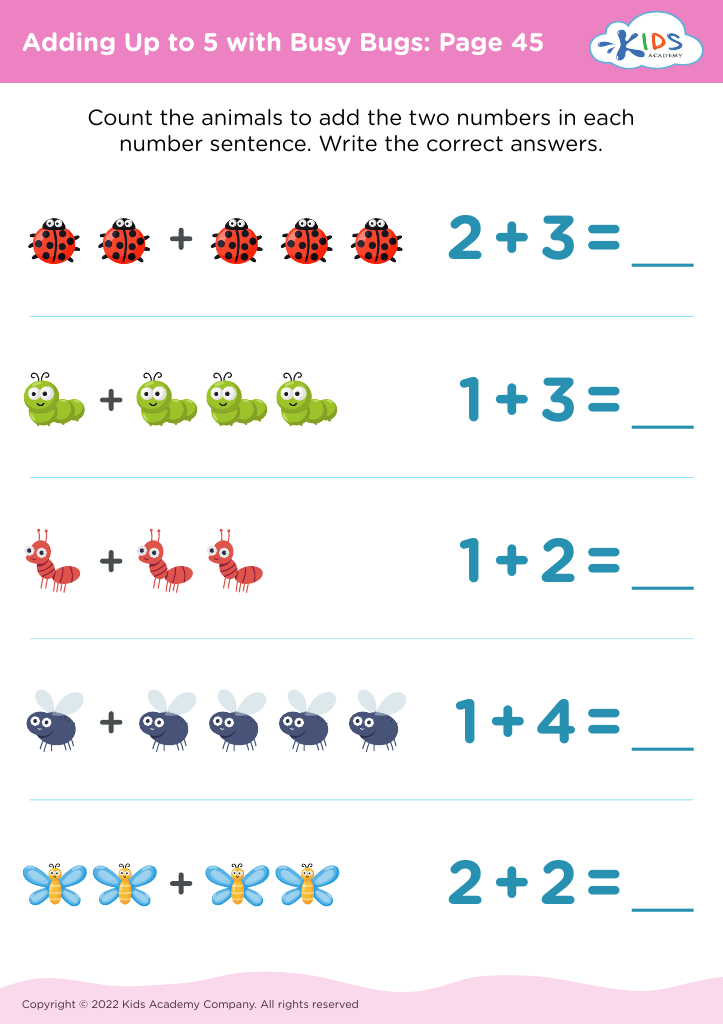
    Adding Up to 5 with Busy Bugs: Page 45
    Adding Up to 5 with Busy Bugs: Page 45
    Adding Up to 5 with Busy Bugs: Page 45
    Worksheet
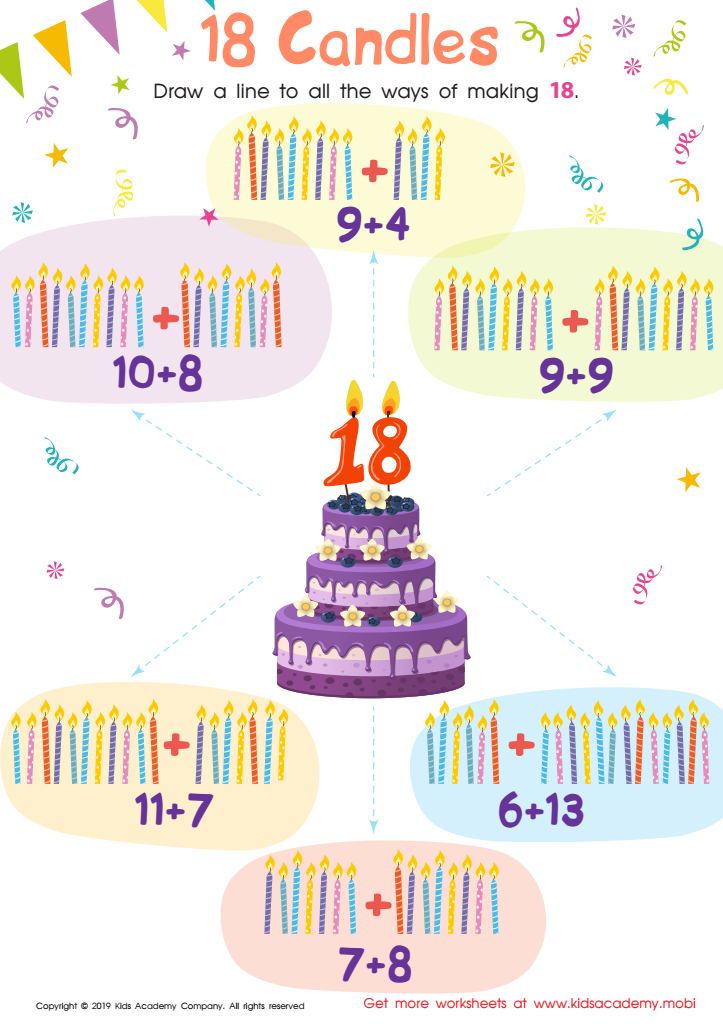
    18 Candles Worksheet
    18 Candles Worksheet

    18 Candles Worksheet

    This worksheet is great for introducing your students to addition and subtraction. Help your kids solve the simple equations on it and draw a line from the birthday cake with 18 on it to all the solutions. Practice like this will prepare them to tackle more complex math problems.
    18 Candles Worksheet
    Worksheet
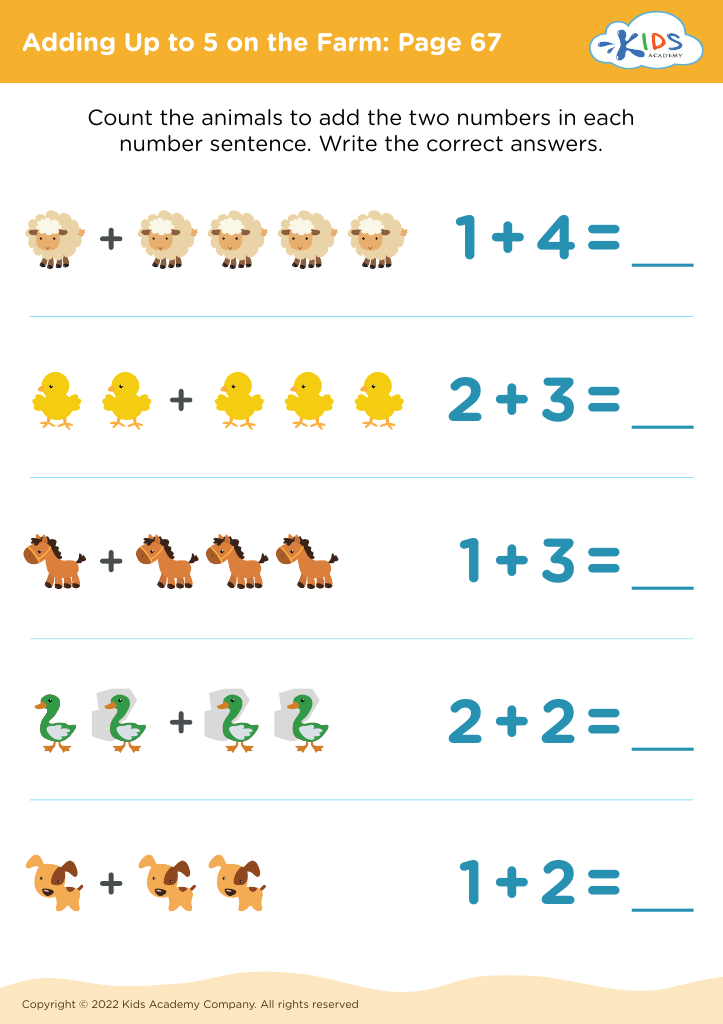
    Adding Up to 5 on the Farm: Page 67
    Adding Up to 5 on the Farm: Page 67
    Adding Up to 5 on the Farm: Page 67
    Worksheet


    Fine motor skills are crucial for children aged 5-9 as they underpin a wide range of daily activities and educational tasks. These skills involve the coordination of small muscles in the hands and fingers, enabling tasks such as writing, cutting, buttoning, and even manipulating small objects like beads or screws.

    Developing fine motor skills is essential for children’s independence and confidence. Mastery of these skills allows them to perform everyday tasks more effectively, fostering a sense of accomplishment and boosting self-esteem. Additionally, fine motor skills play a significant role in academic performance, as they are closely linked to writing abilities. Students need these skills to hold a pencil properly, form letters, and complete art projects, all of which contribute to their overall learning experience.

    Moreover, fine motor skills enhance hand-eye coordination and cognitive development, vital for various learning activities. Parents and teachers can support this growth through engaging activities such as crafting, playing with building blocks, or even simple games that involve gripping, pinching, and manipulating objects. Investing time in fine motor skill development now paves the way for better academic outcomes and lifelong abilities, making it a critical focus for both educators and caregivers.