Filters

509 filtered results

Clear all filters
Favorites
With answer key
Interactive

509 filtered results

Difficulty Level

Grade


Subject

    Check out this FREE Trial Lesson on Addition for age 5-9!

    Match Exactly the Same

    Favorites
    With answer key
    Interactive
    • 5-9
    • Number Recognition
    • Addition
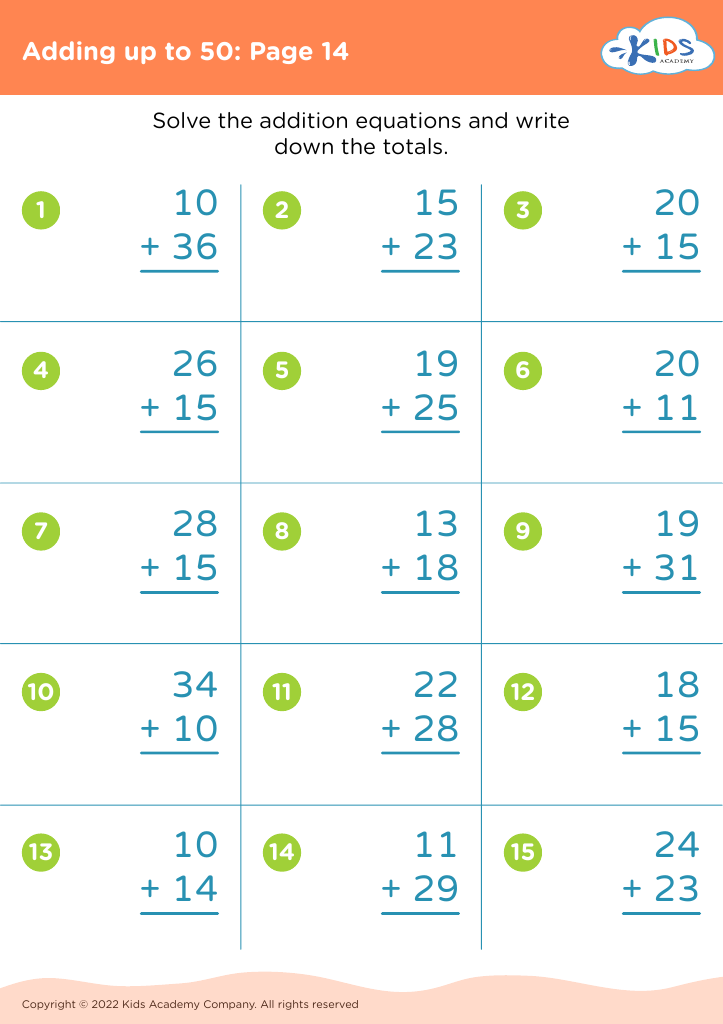
    Adding up to 50: Page 14
    Adding up to 50: Page 14

    Adding up to 50: Page 14

    Adding up to 50: Page 14
    Worksheet
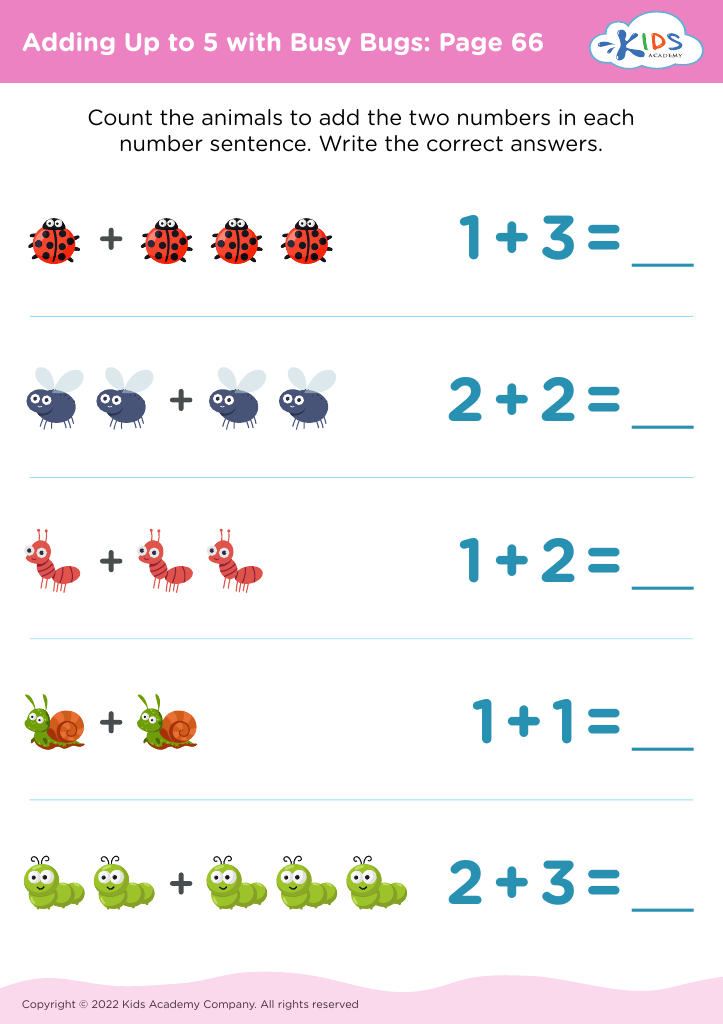
    Adding Up to 5 with Busy Bugs: Page 66
    Adding Up to 5 with Busy Bugs: Page 66
    Adding Up to 5 with Busy Bugs: Page 66
    Worksheet
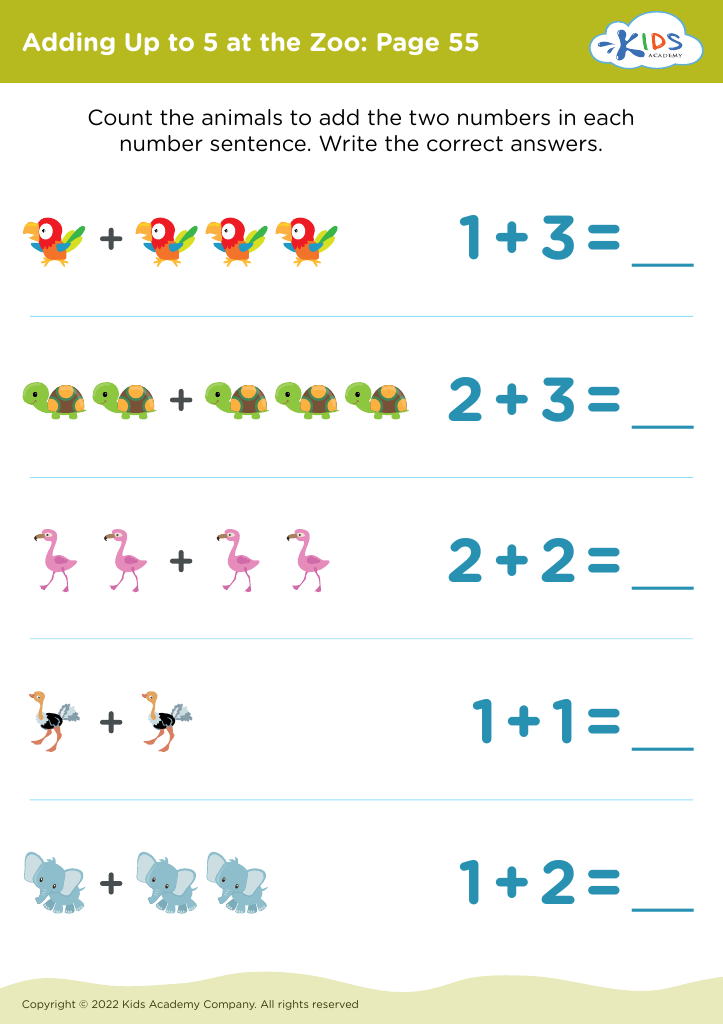
    Adding Up to 5 at the Zoo: Page 55
    Adding Up to 5 at the Zoo: Page 55
    Adding Up to 5 at the Zoo: Page 55
    Worksheet
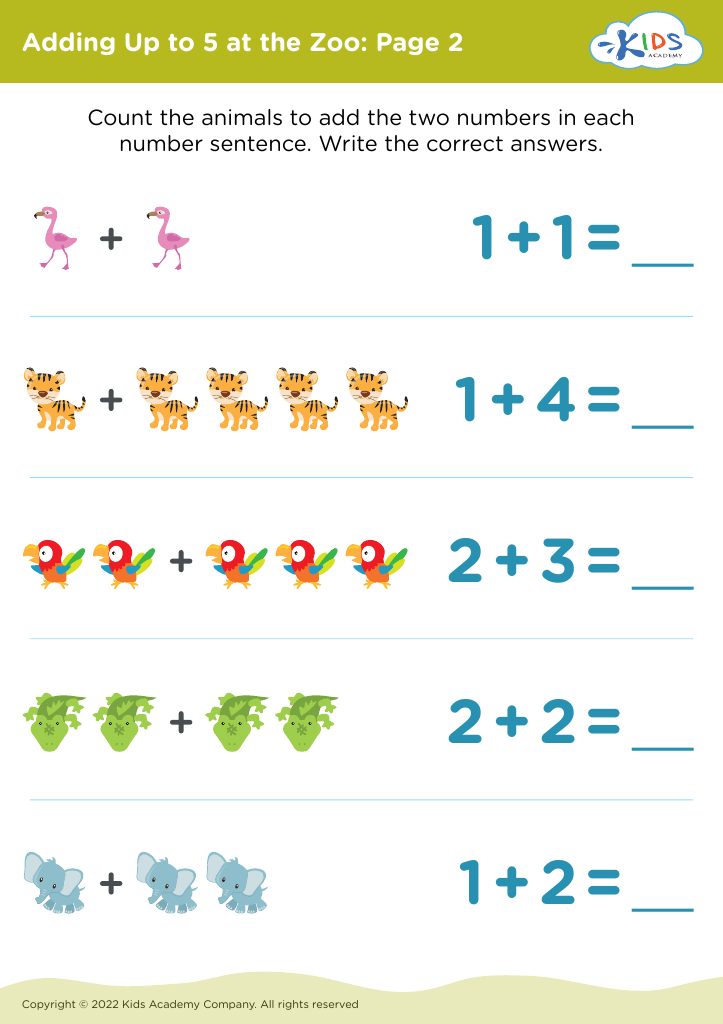
    Adding Up to 5 at the Zoo: Page 2
    Adding Up to 5 at the Zoo: Page 2

    Adding Up to 5 at the Zoo: Page 2

    Adding Up to 5 at the Zoo: Page 2
    Worksheet
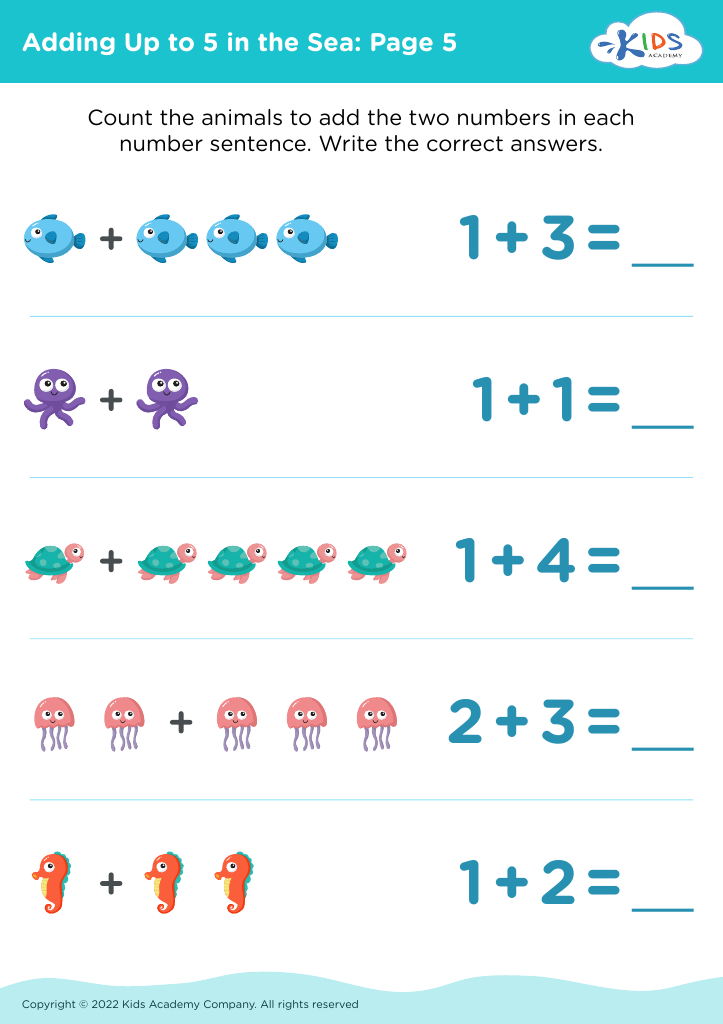
    Adding Up to 5 in the Sea: Page 5
    Adding Up to 5 in the Sea: Page 5

    Adding Up to 5 in the Sea: Page 5

    Adding Up to 5 in the Sea: Page 5
    Worksheet
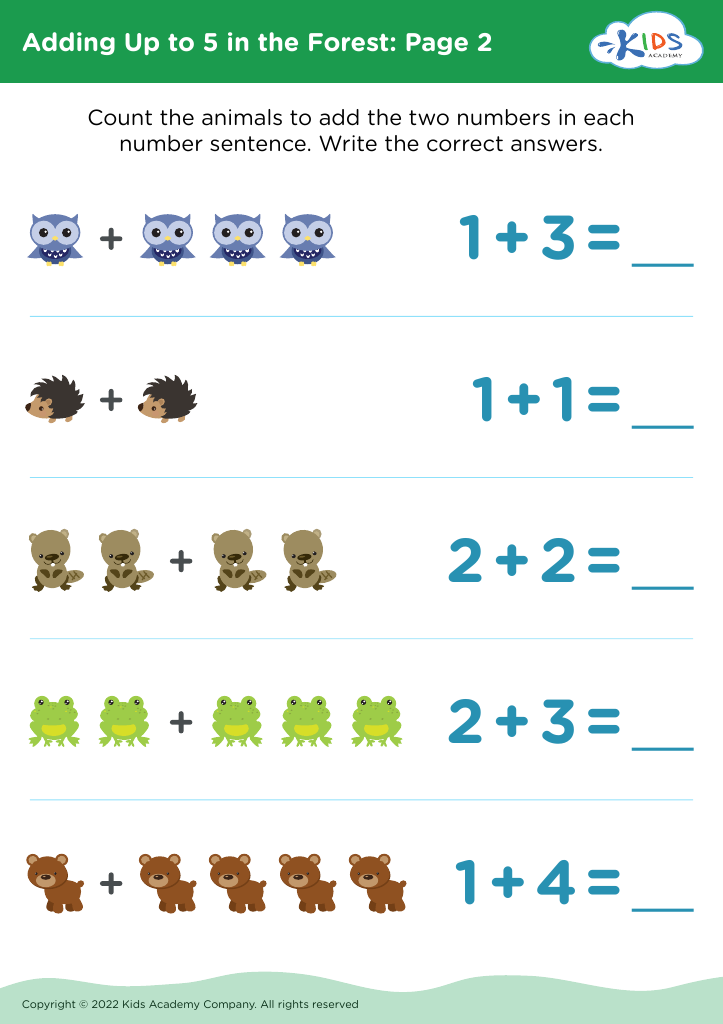
    Adding Up to 5 in the Forest: Page 2
    Adding Up to 5 in the Forest: Page 2
    Adding Up to 5 in the Forest: Page 2
    Worksheet
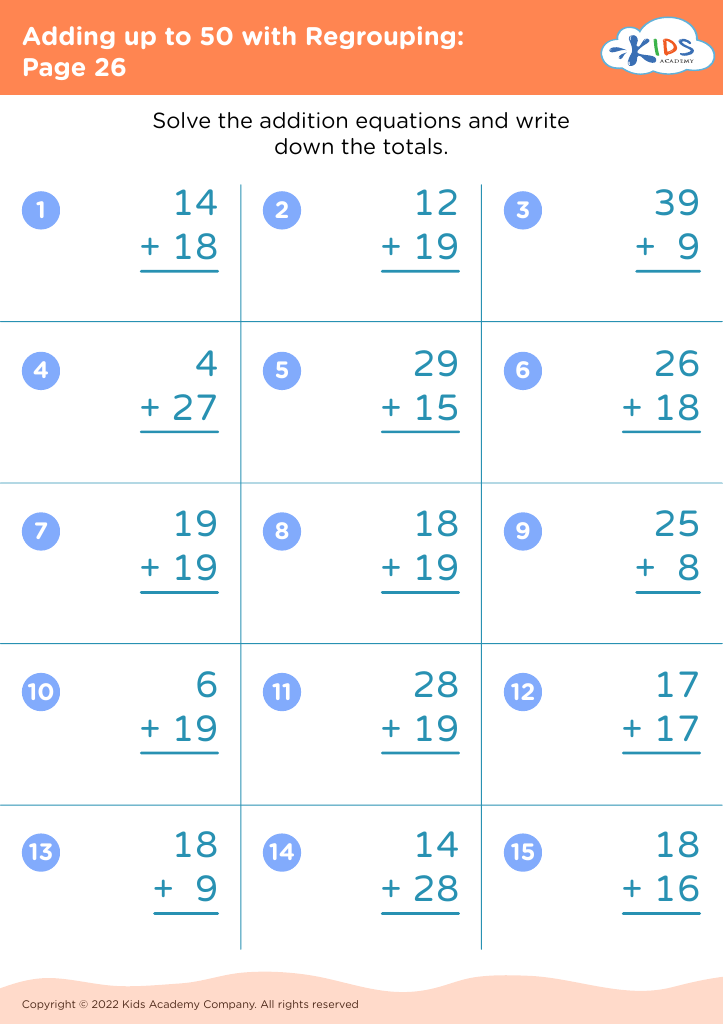
    Adding up to 50 with Regrouping: Page 26
    Adding up to 50 with Regrouping: Page 26
    Adding up to 50 with Regrouping: Page 26
    Worksheet
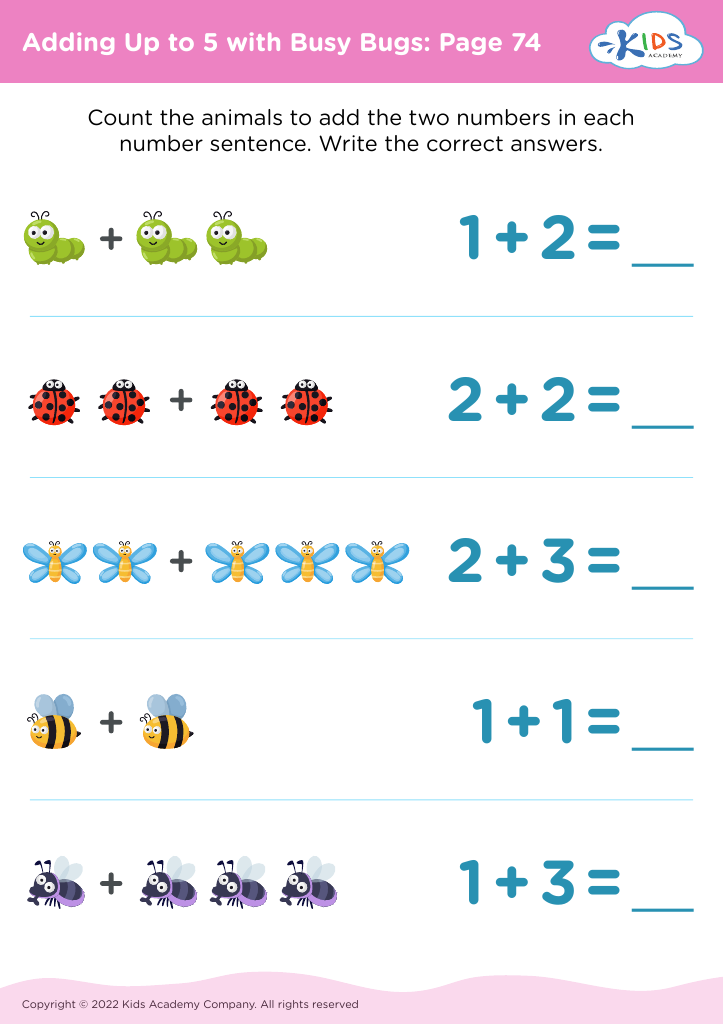
    Adding Up to 5 with Busy Bugs: Page 74
    Adding Up to 5 with Busy Bugs: Page 74
    Adding Up to 5 with Busy Bugs: Page 74
    Worksheet
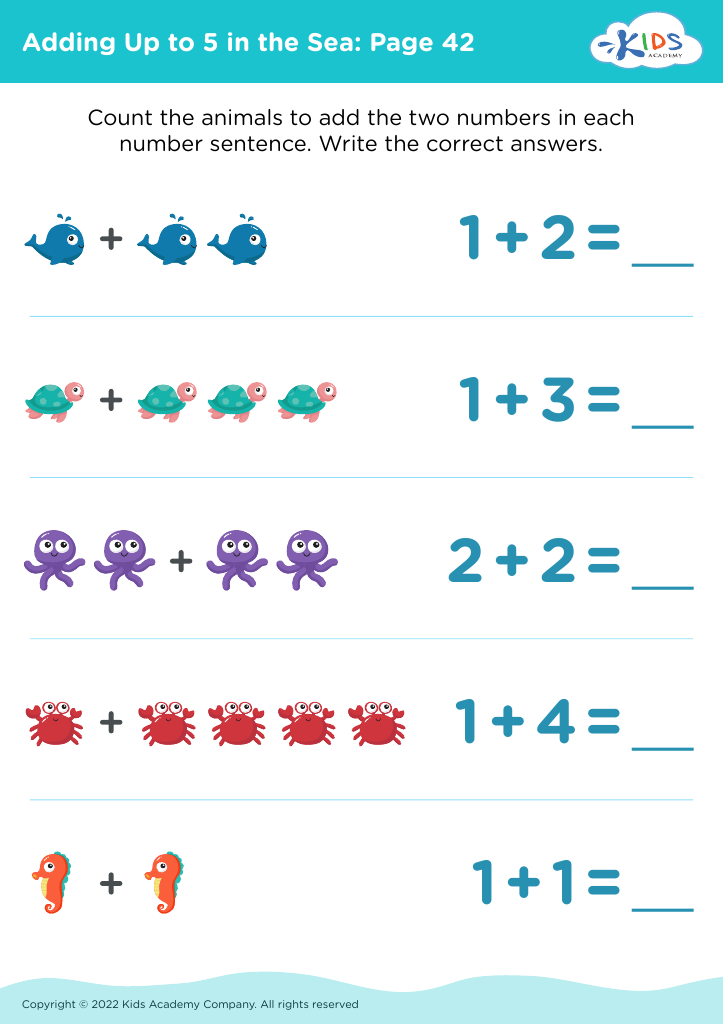
    Adding Up to 5 in the Sea: Page 42
    Adding Up to 5 in the Sea: Page 42
    Adding Up to 5 in the Sea: Page 42
    Worksheet
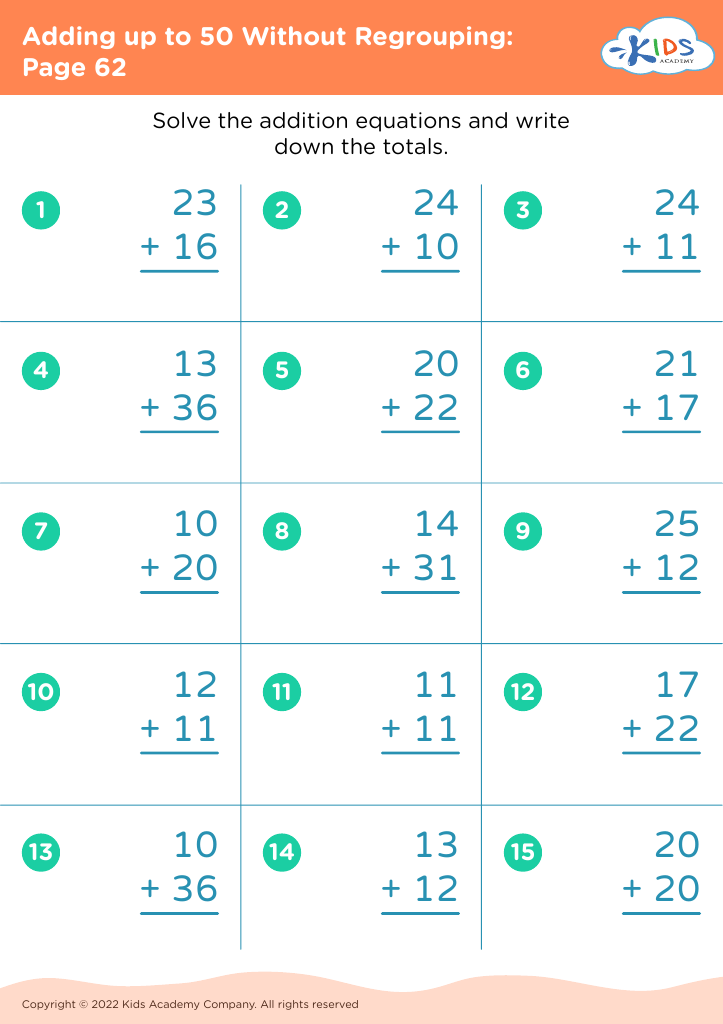
    Adding up to 50 Without Regrouping: Page 62
    Adding up to 50 Without Regrouping: Page 62
    Adding up to 50 Without Regrouping: Page 62
    Worksheet
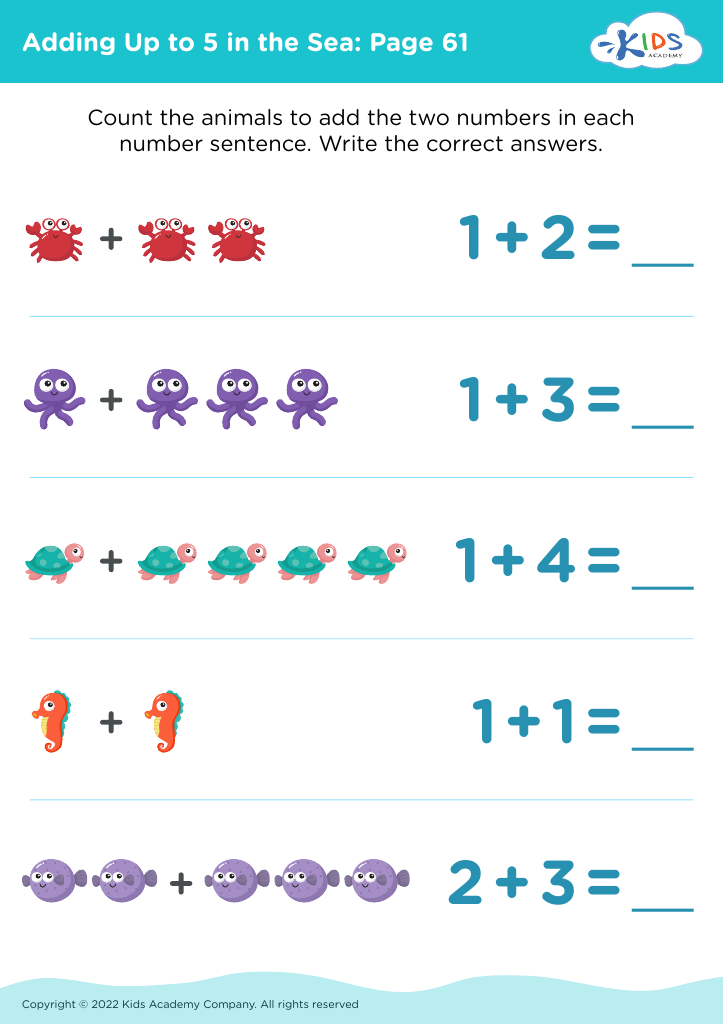
    Adding Up to 5 in the Sea: Page 61
    Adding Up to 5 in the Sea: Page 61
    Adding Up to 5 in the Sea: Page 61
    Worksheet
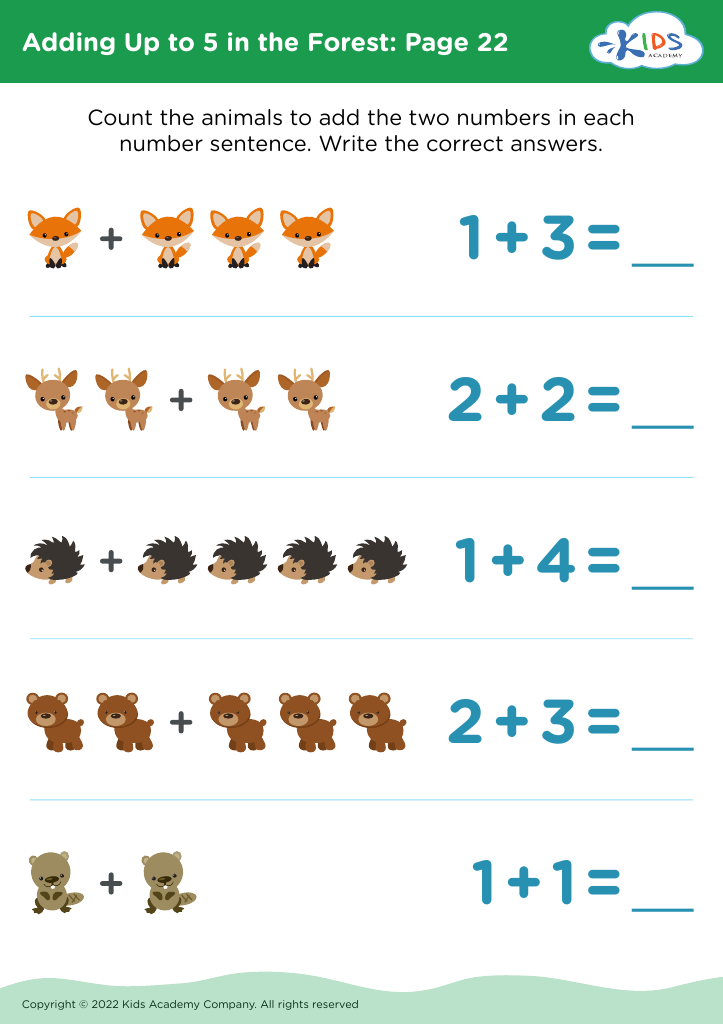
    Adding Up to 5 in the Forest: Page 22
    Adding Up to 5 in the Forest: Page 22
    Adding Up to 5 in the Forest: Page 22
    Worksheet
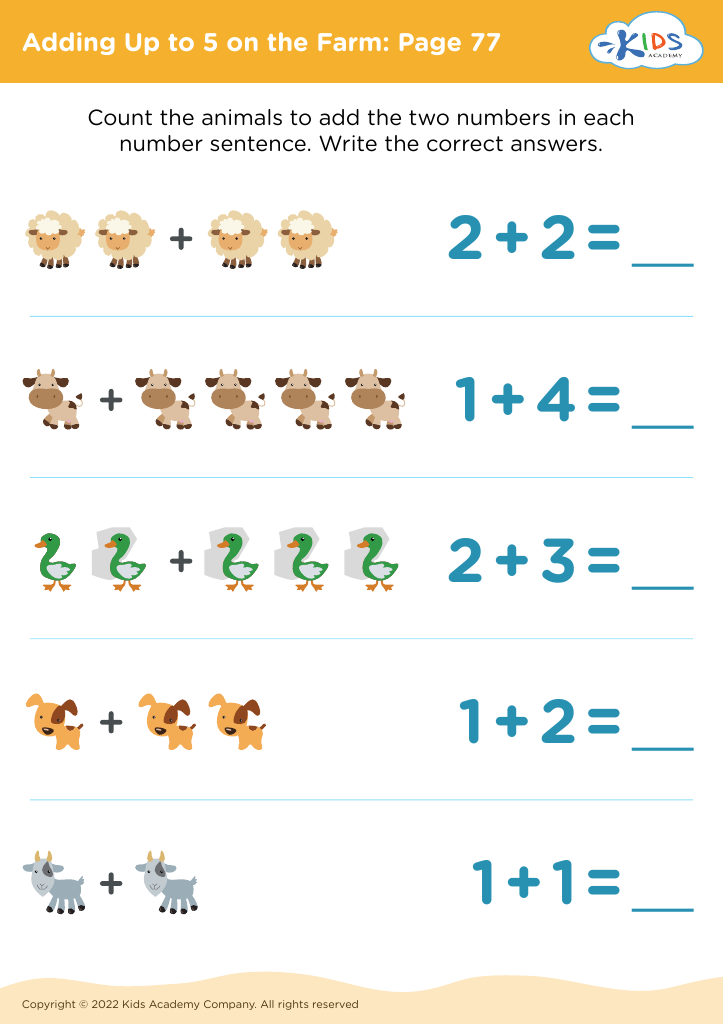
    Adding Up to 5 on the Farm: Page 77
    Adding Up to 5 on the Farm: Page 77
    Adding Up to 5 on the Farm: Page 77
    Worksheet
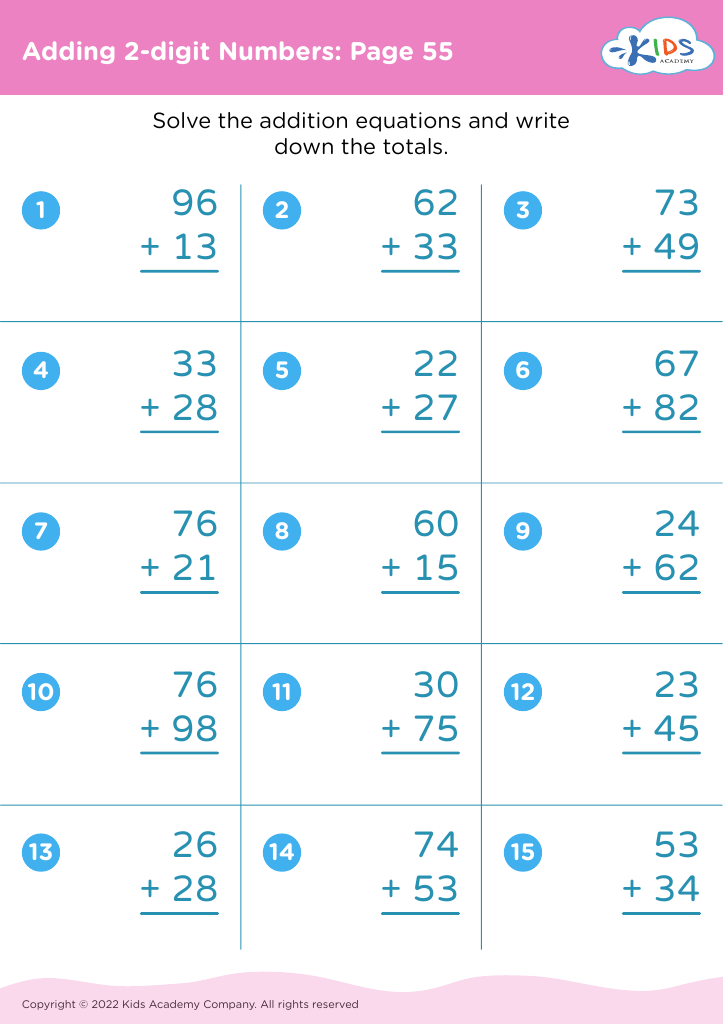
    Adding 2-digit Numbers: Page 55
    Adding 2-digit Numbers: Page 55

    Adding 2-digit Numbers: Page 55

    Adding 2-digit Numbers: Page 55
    Worksheet
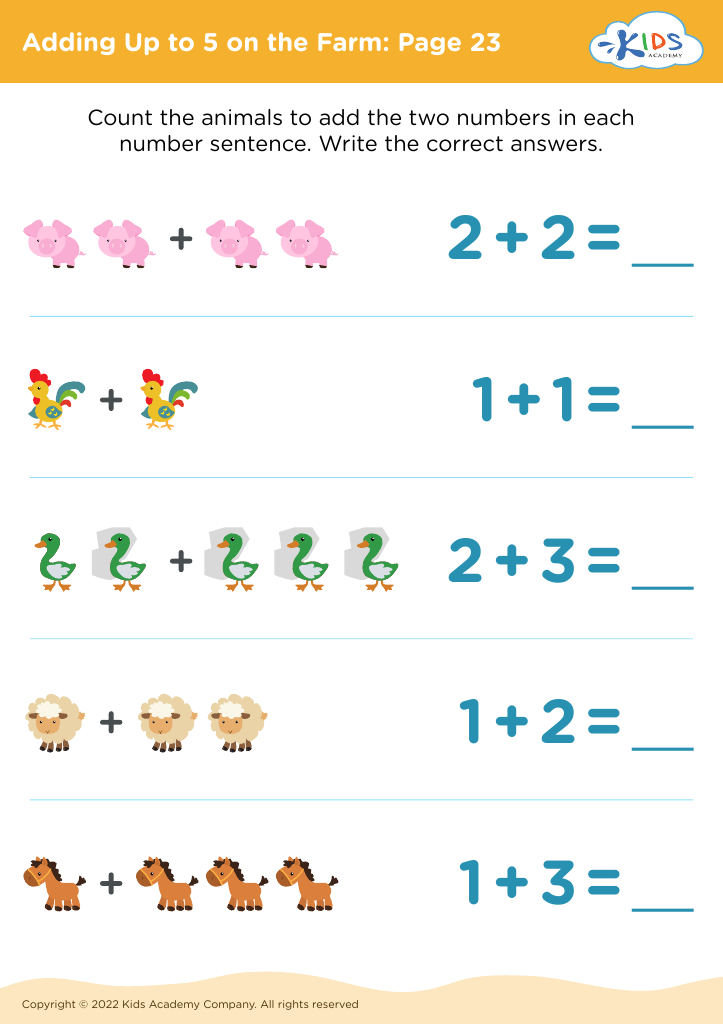
    Adding Up to 5 on the Farm: Page 23
    Adding Up to 5 on the Farm: Page 23
    Adding Up to 5 on the Farm: Page 23
    Worksheet
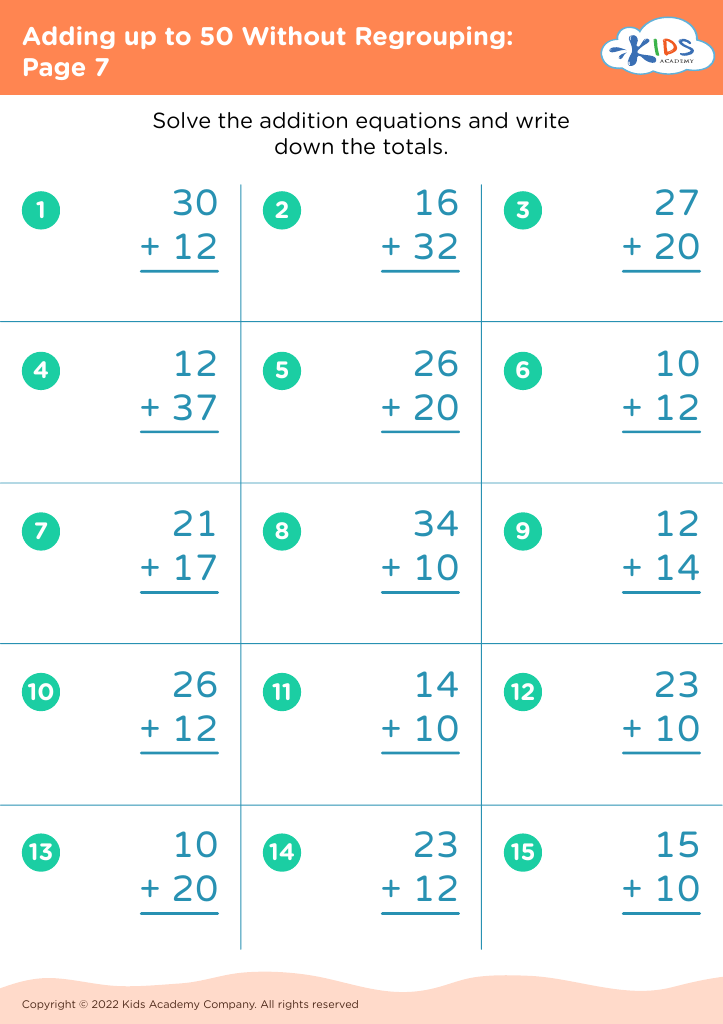
    Adding up to 50 Without Regrouping: Page 7
    Adding up to 50 Without Regrouping: Page 7
    Adding up to 50 Without Regrouping: Page 7
    Worksheet
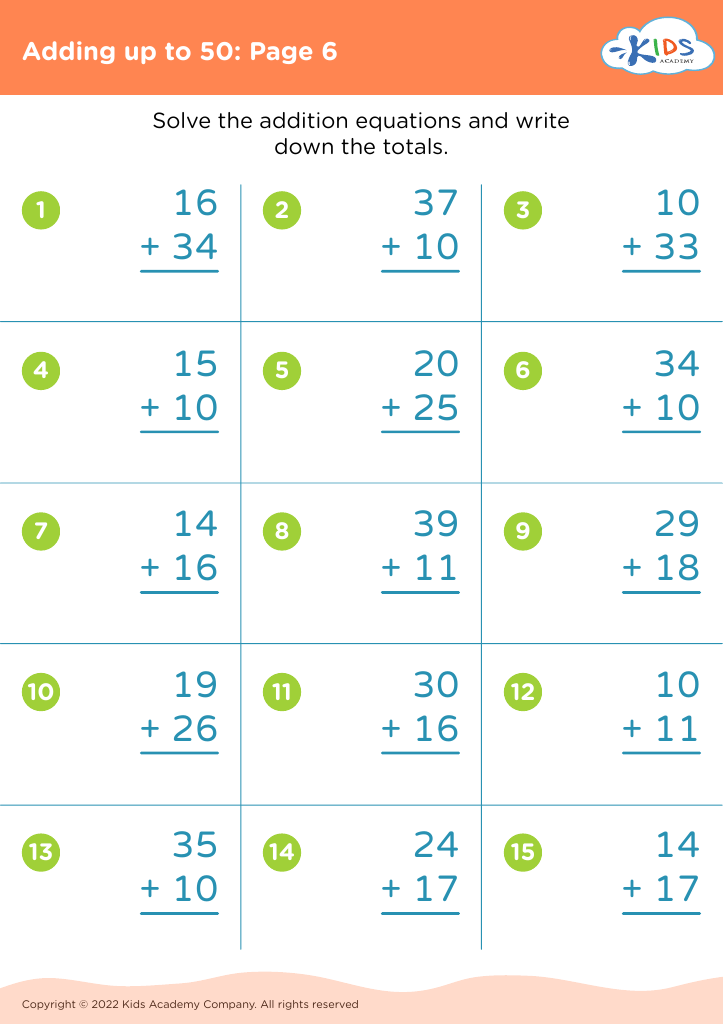
    Adding up to 50: Page 6
    Adding up to 50: Page 6

    Adding up to 50: Page 6

    Adding up to 50: Page 6
    Worksheet
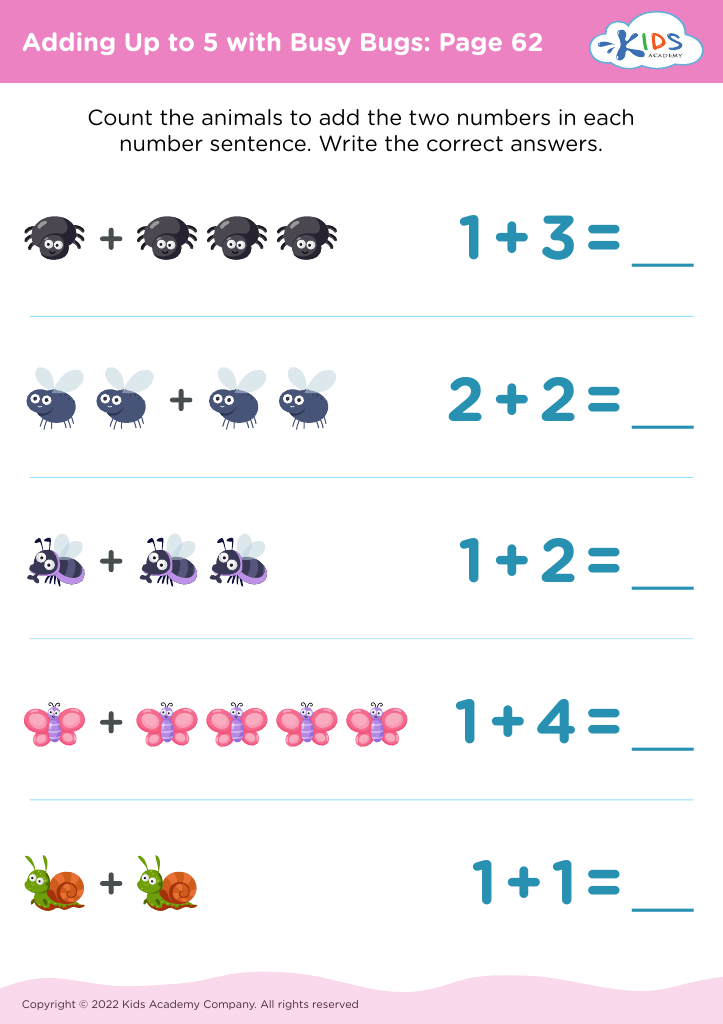
    Adding Up to 5 with Busy Bugs: Page 62
    Adding Up to 5 with Busy Bugs: Page 62
    Adding Up to 5 with Busy Bugs: Page 62
    Worksheet
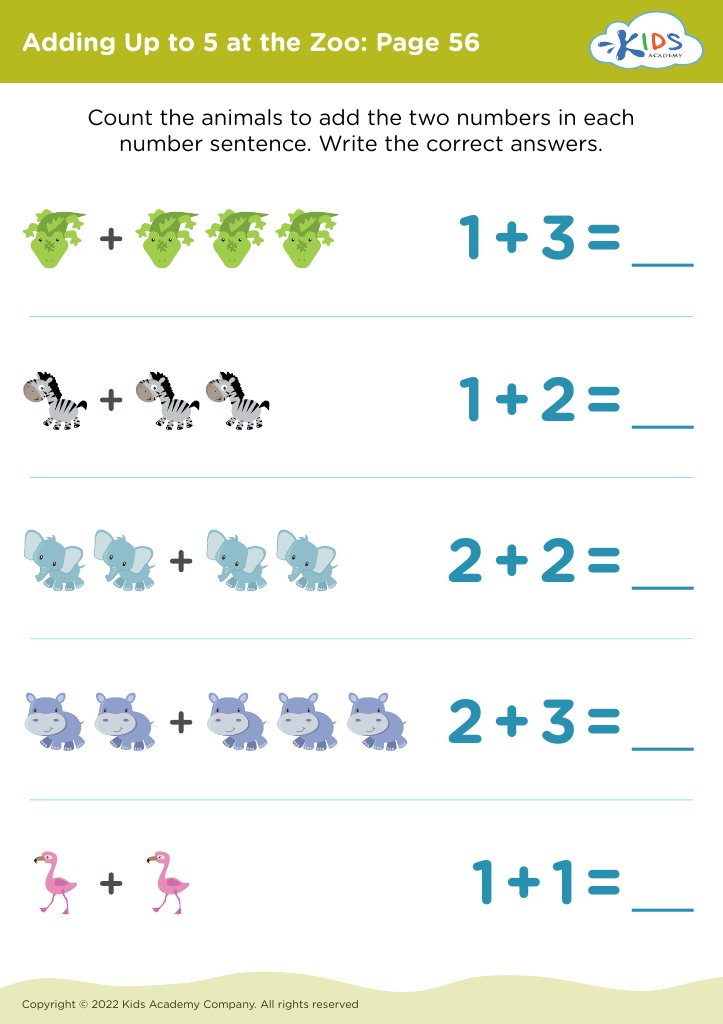
    Adding Up to 5 at the Zoo: Page 56
    Adding Up to 5 at the Zoo: Page 56
    Adding Up to 5 at the Zoo: Page 56
    Worksheet
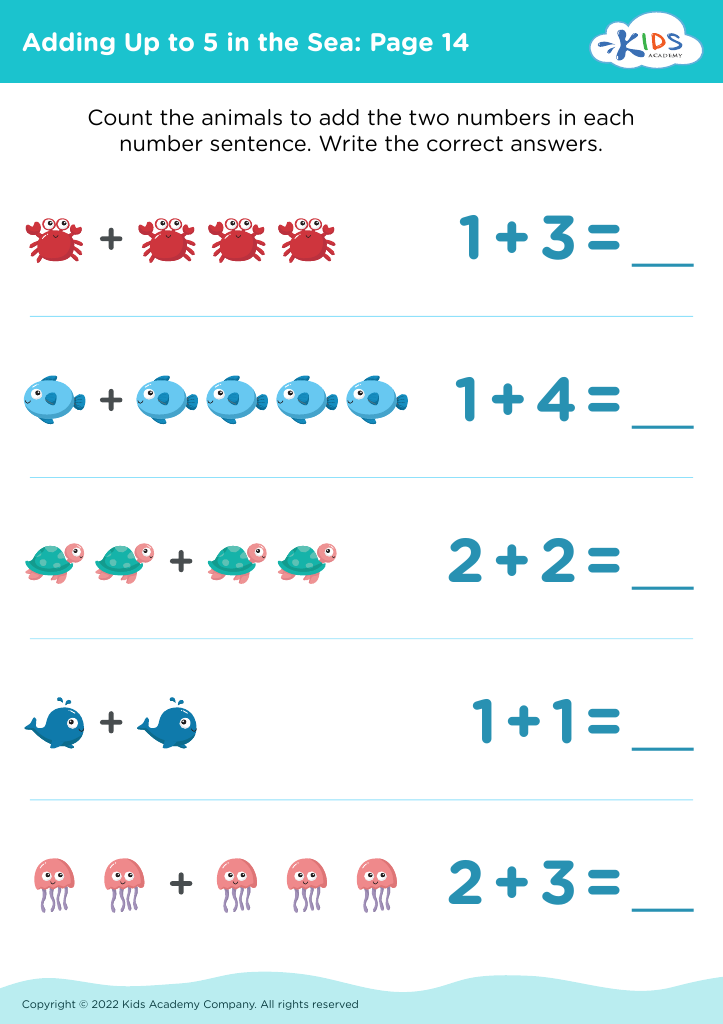
    Adding Up to 5 in the Sea: Page 14
    Adding Up to 5 in the Sea: Page 14
    Adding Up to 5 in the Sea: Page 14
    Worksheet
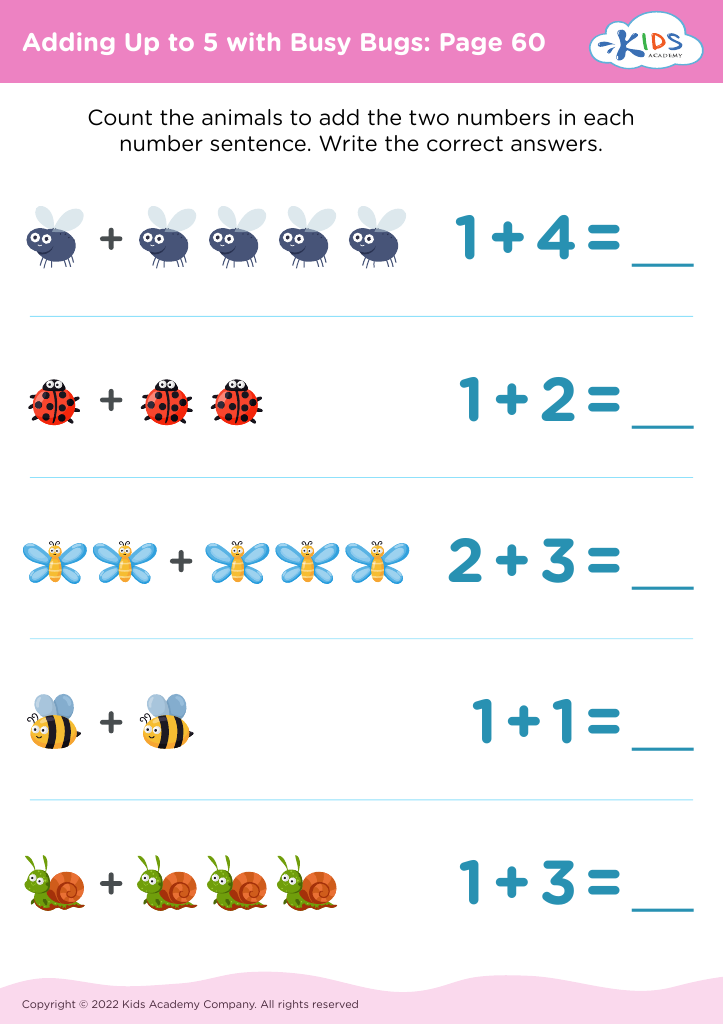
    Adding Up to 5 with Busy Bugs: Page 60
    Adding Up to 5 with Busy Bugs: Page 60
    Adding Up to 5 with Busy Bugs: Page 60
    Worksheet
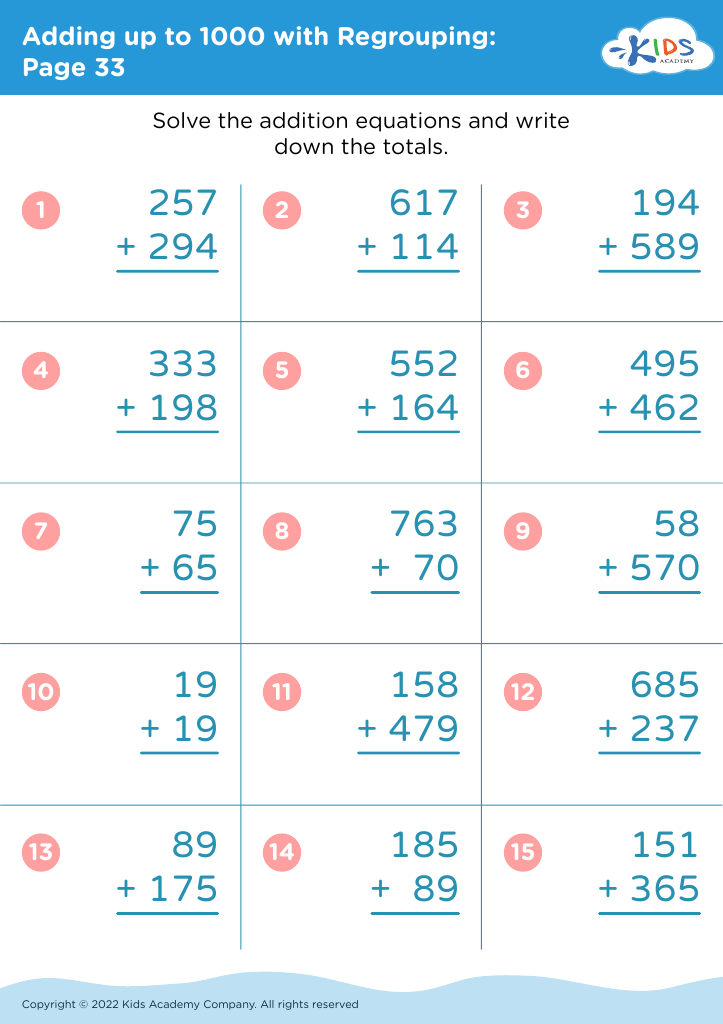
    Adding up to 1000 with Regrouping: Page 33
    Adding up to 1000 with Regrouping: Page 33
    Adding up to 1000 with Regrouping: Page 33
    Worksheet
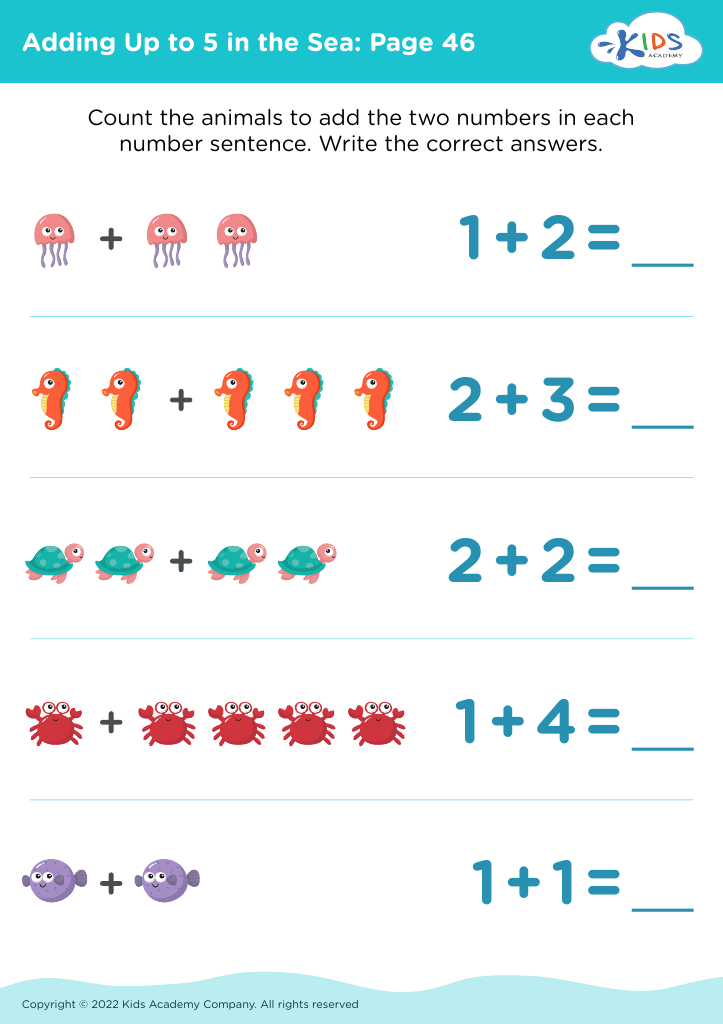
    Adding Up to 5 in the Sea: Page 46
    Adding Up to 5 in the Sea: Page 46
    Adding Up to 5 in the Sea: Page 46
    Worksheet
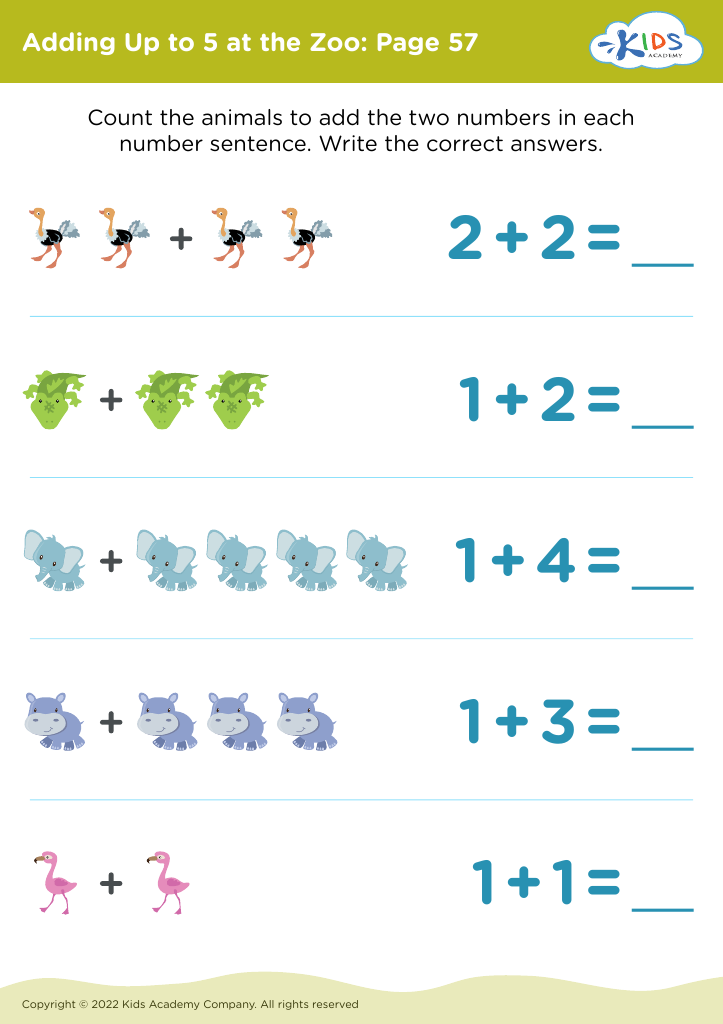
    Adding Up to 5 at the Zoo: Page 57
    Adding Up to 5 at the Zoo: Page 57
    Adding Up to 5 at the Zoo: Page 57
    Worksheet


    Number recognition and addition are foundational skills crucial for children's cognitive development and future academic success. For ages 5-9, mastering these concepts fosters numeracy, an essential life skill. When children recognize numbers, they can identify and understand the relationships between different quantities, enabling them to grasp more complex mathematical ideas.

    Teaching number recognition sharpens a child's ability to follow instructions, enhances their memory, and improves their attention to detail. These skills are not only vital in mathematics but also enhance comprehension in subjects like science and reading.

    Addition, on the other hand, is one of the first steps in understanding mathematics. It forms the basis for subtraction, multiplication, and division. Children who develop strong addition skills can solve more complex problems with confidence, laying the groundwork for advanced mathematical concepts.

    Furthermore, early proficiency in number recognition and addition contributes to higher self-esteem and academic performance. Children who excel in math from a young age often view themselves more favorably in educational settings, growing more motivated and enthusiastic about learning.

    In summary, parents and teachers should prioritize number recognition and addition for children ages 5-9, as these are critical for building a robust mathematical foundation, thereby supporting overall academic achievement and long-term cognitive development.