Reading analog clocks Addition Worksheets for Ages 5-9
4 filtered results
-
From - To
Enhance your child's time-telling and addition skills with our engaging "Reading Analog Clocks Addition Worksheets" tailored for ages 5-9. These printable worksheets are designed to make learning fun and effective by combining the essential practice of telling time on analog clocks with basic addition exercises. Children will enjoy solving problems that boost their math and cognitive abilities while growing more comfortable interpreting clock faces. Perfect for at-home practice or classroom use, these worksheets provide an excellent resource to support your child’s educational journey. Help young learners master these critical skills effortlessly with our expertly crafted activities.
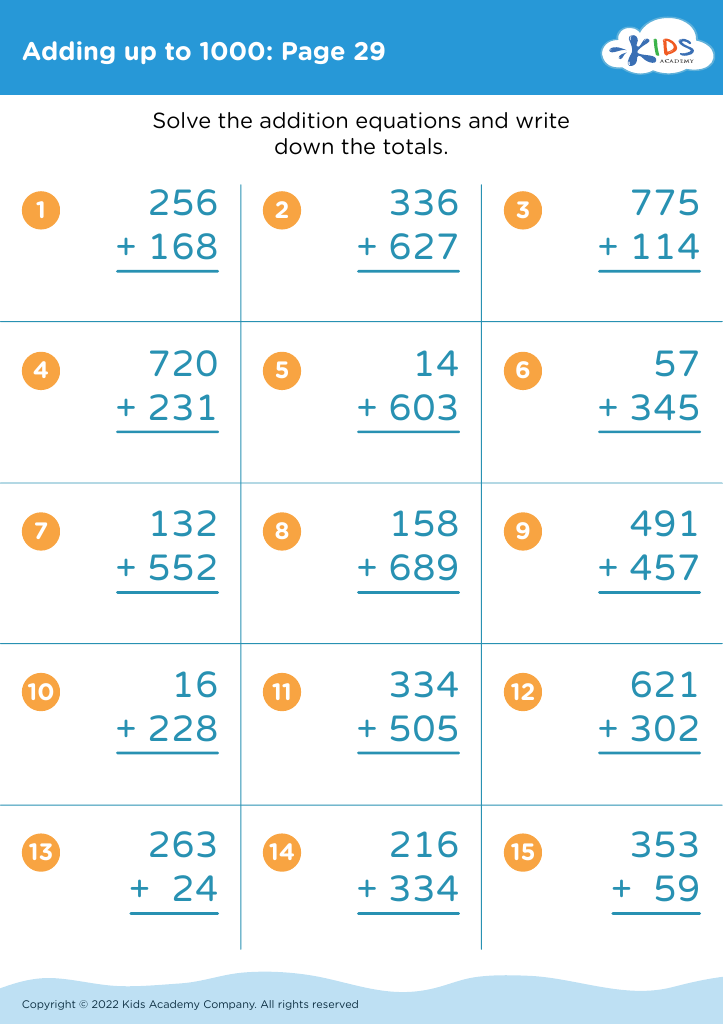
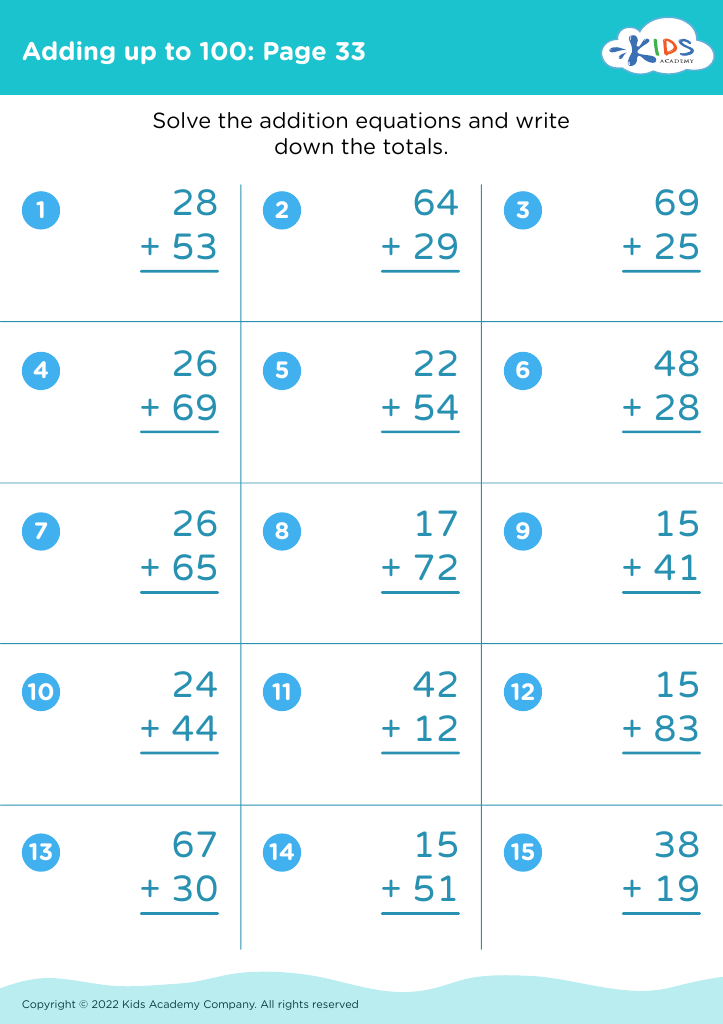
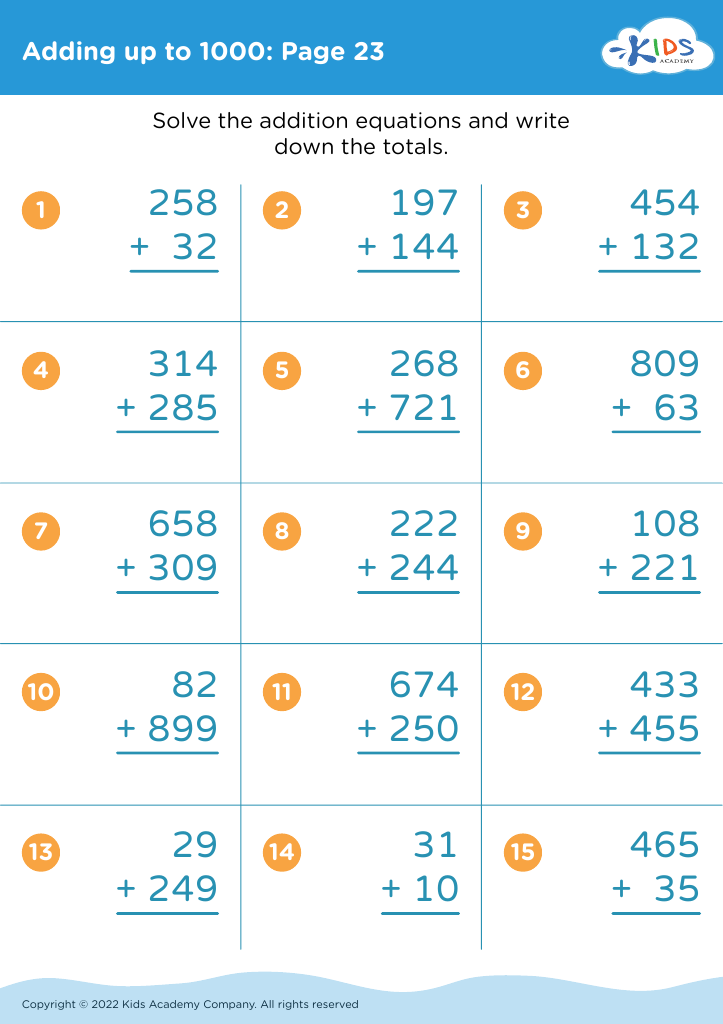
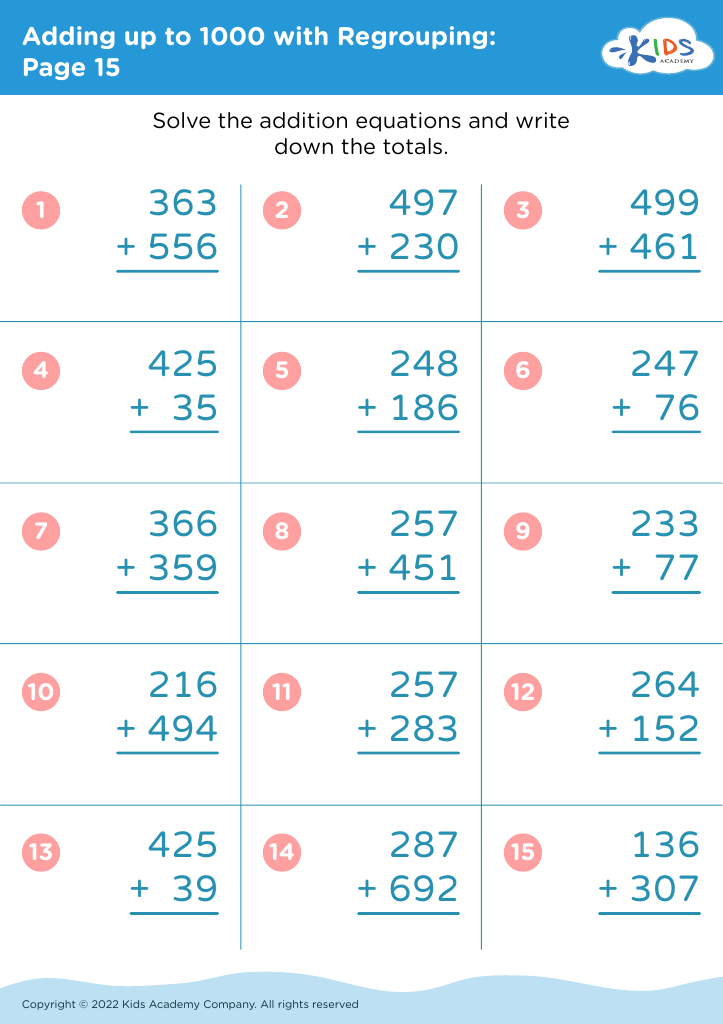








Reading analog clocks and basic addition are vital skills for children ages 5-9, and their importance cannot be overstated for several reasons. Firstly, learning to read an analog clock enhances a child's understanding of time, which is crucial for developing time management skills. It helps them grasp the concept of hours, minutes, and the passage of time throughout the day, which is foundational for their routine and daily schedule.
Incorporating addition into this learning process further enriches their mathematical skills. Understanding that “20 minutes past 3” can translate into numerical addition (3:00 + 20 minutes) helps to bridge the gap between abstract concepts and practical applications. It strengthens their number sense and builds a foundation for more complex math skills.
Improving these skills at an early age sets children up for success in the classroom and beyond. It cultivates a sense of responsibility and independence, as children can actively participate in managing their time, following schedules, and completing timed tasks. Moreover, mastering these essential skills can boost a child's confidence and foster a love for learning.
Hence, parents and teachers should prioritize teaching reading analog clocks and basic addition, as these skills are stepping stones for academic achievement and everyday life competence.








