Shape identification Addition Worksheets for Ages 5-9
13 filtered results
-
From - To
Unlock your child's potential with our "Shape Identification Addition Worksheets for Ages 5-9". Tailored for young learners, these engaging worksheets seamlessly integrate shape recognition with fundamental addition skills. Through fun, colorful exercises, children will enhance their understanding of geometric shapes while practicing their arithmetic, reinforcing both concepts simultaneously. Ideal for kids ages 5 to 9, these printable resources foster hands-on learning, critical thinking, and a joy for math. Perfect for classroom use or homeschooling, our worksheets make learning enjoyable and effective, setting a strong foundation for future mathematical success. Start exploring today and inspire a lifelong love for learning!
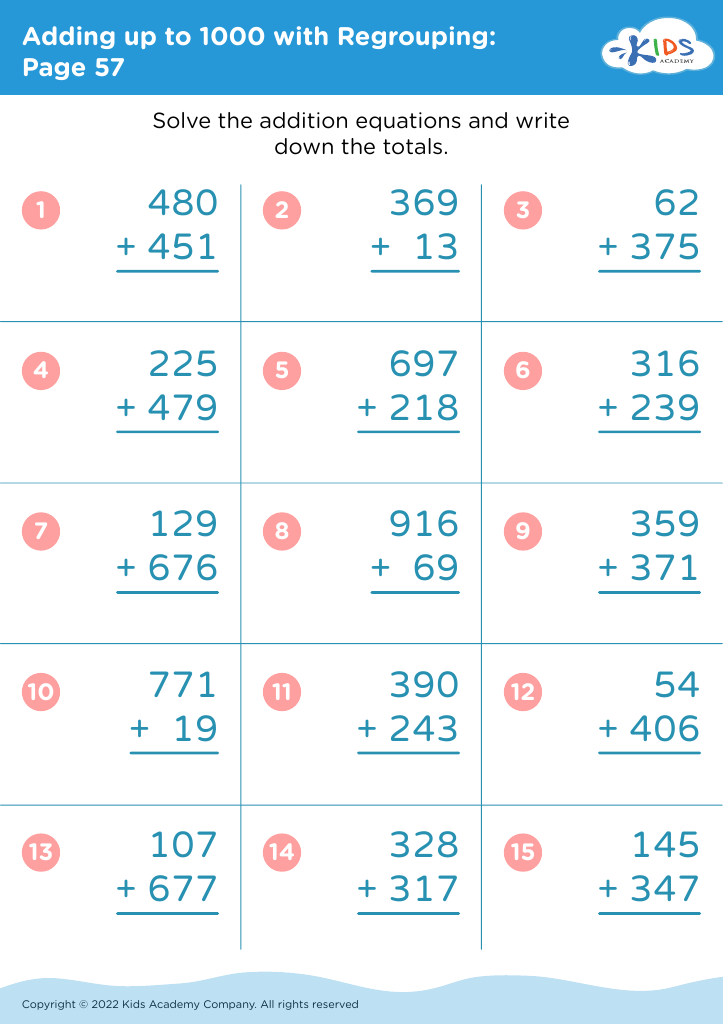
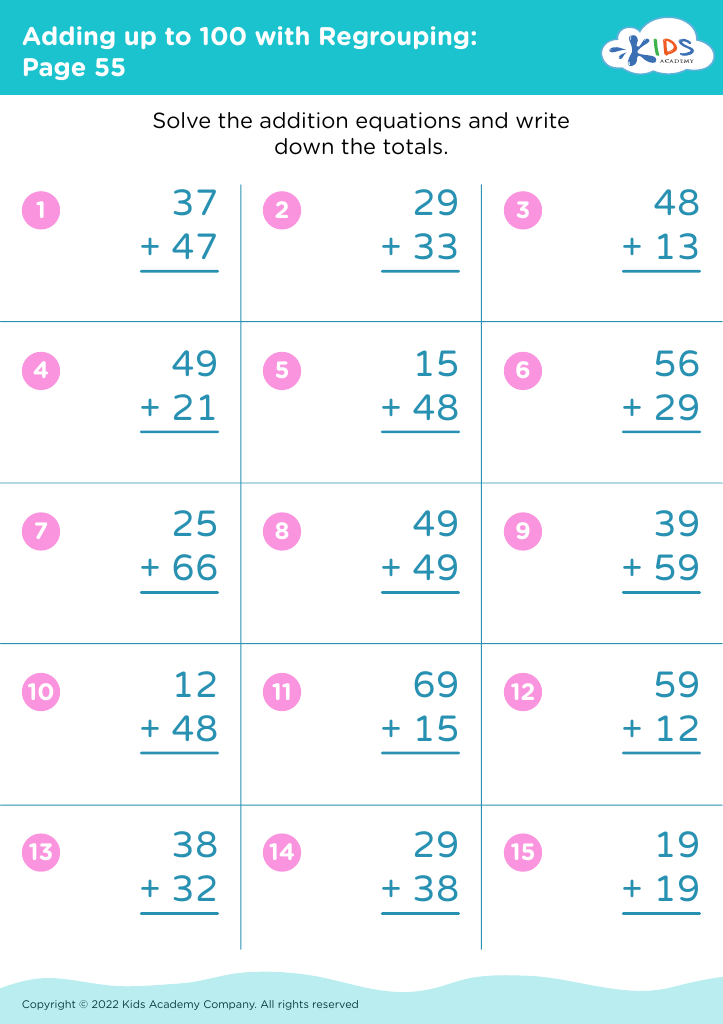
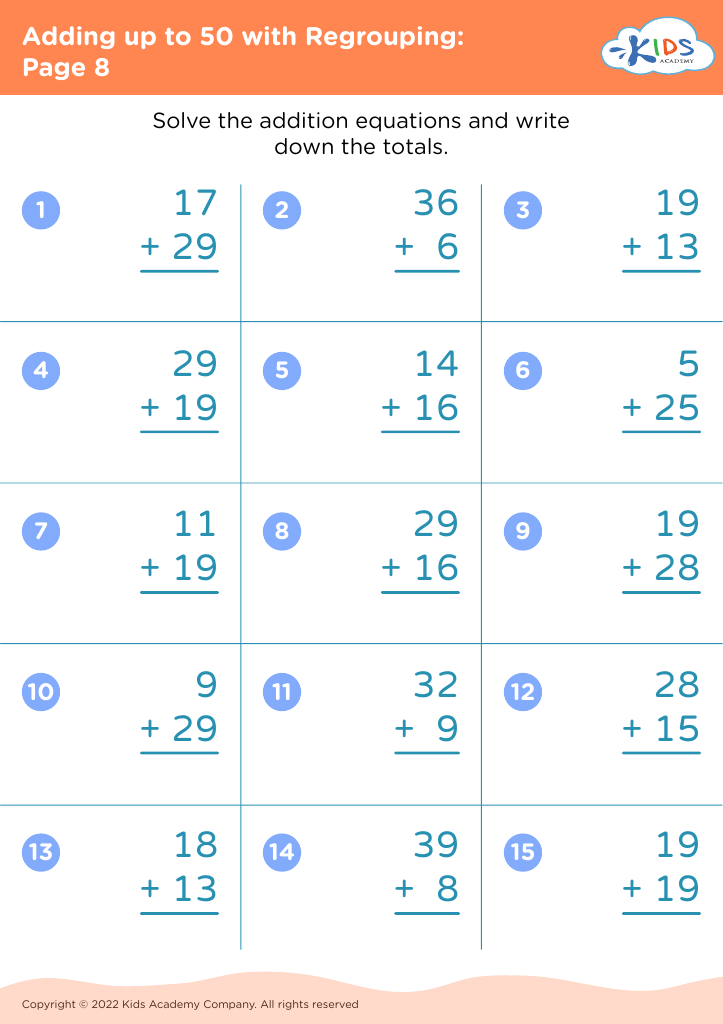
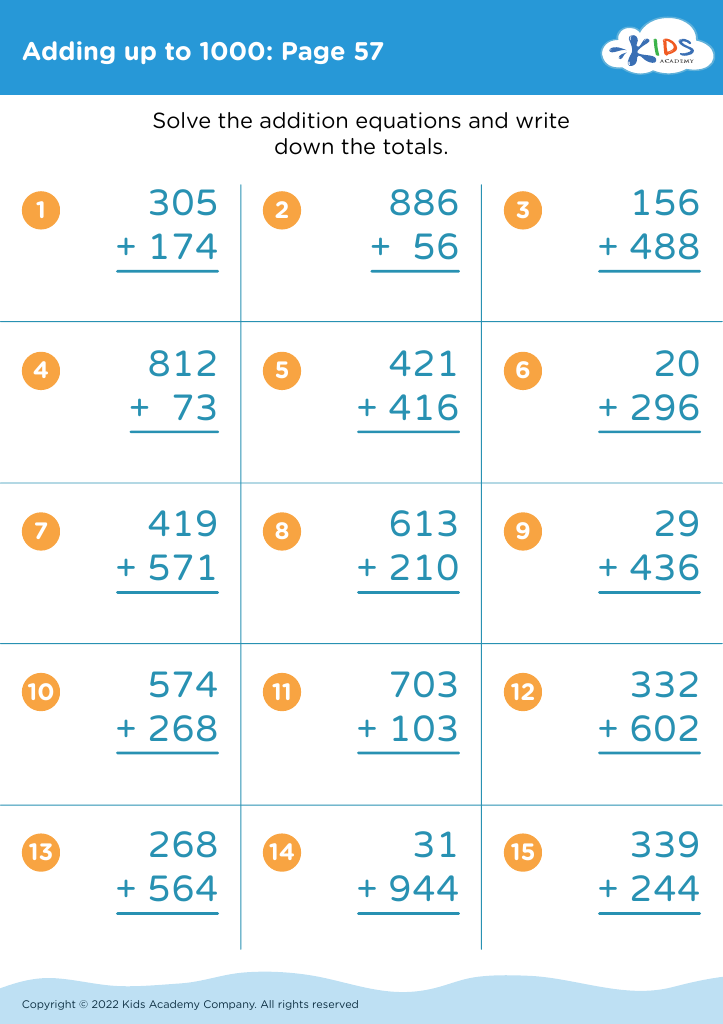
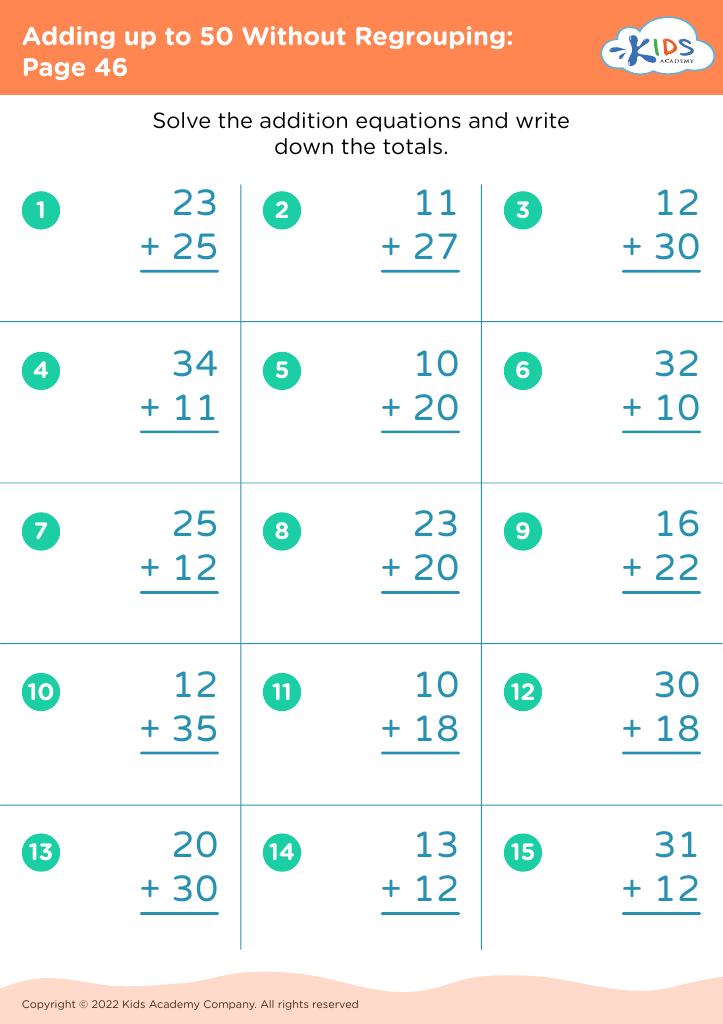
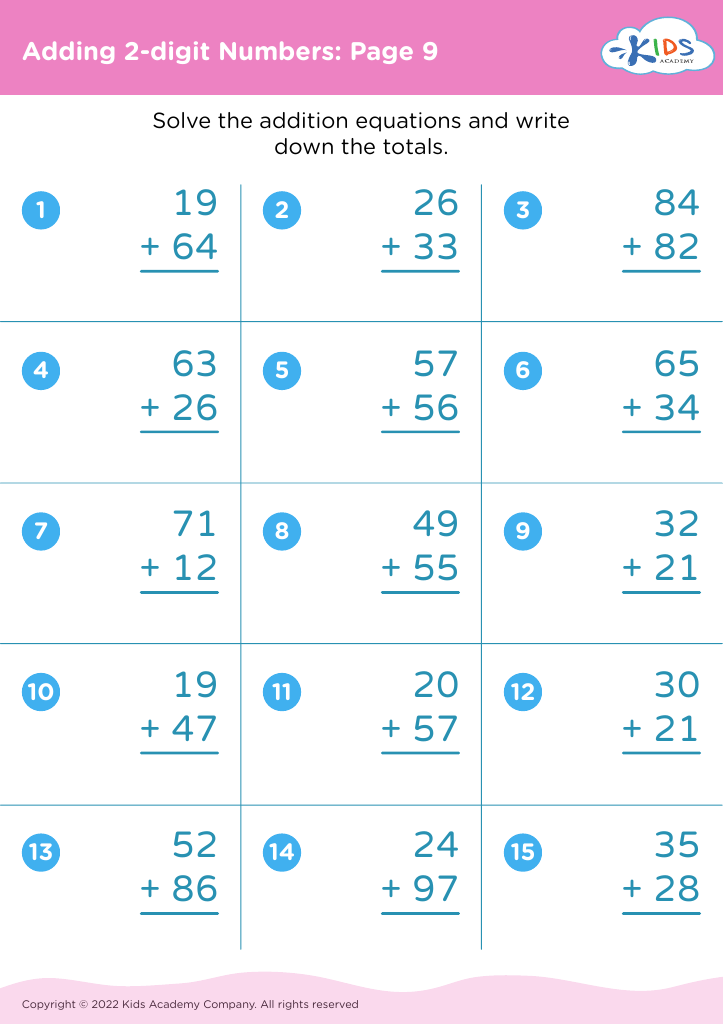
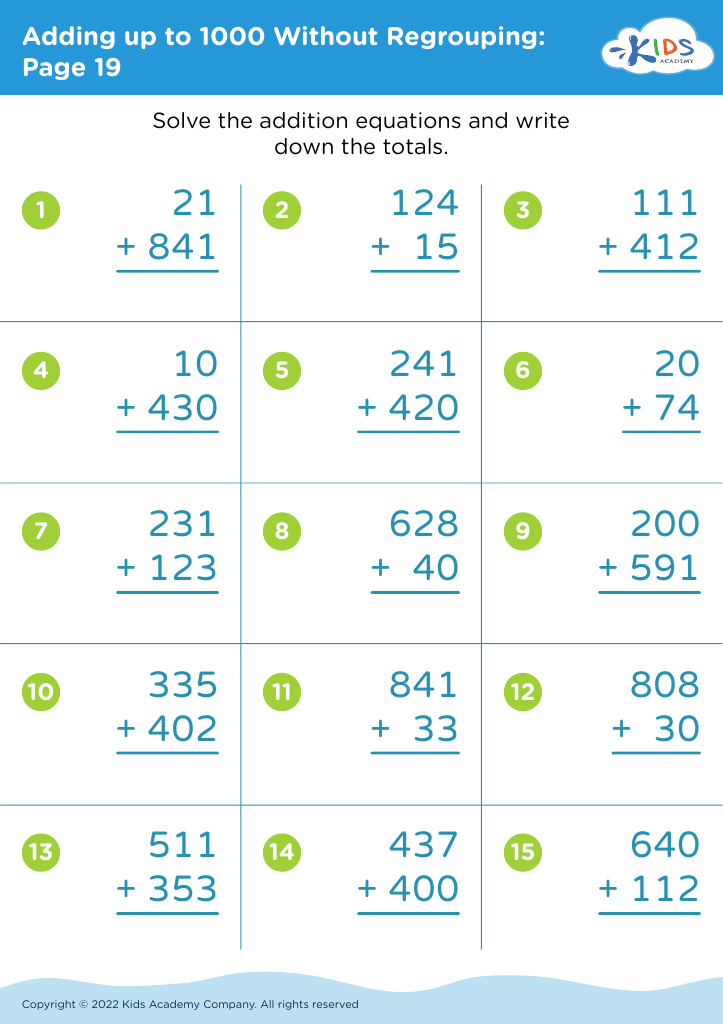
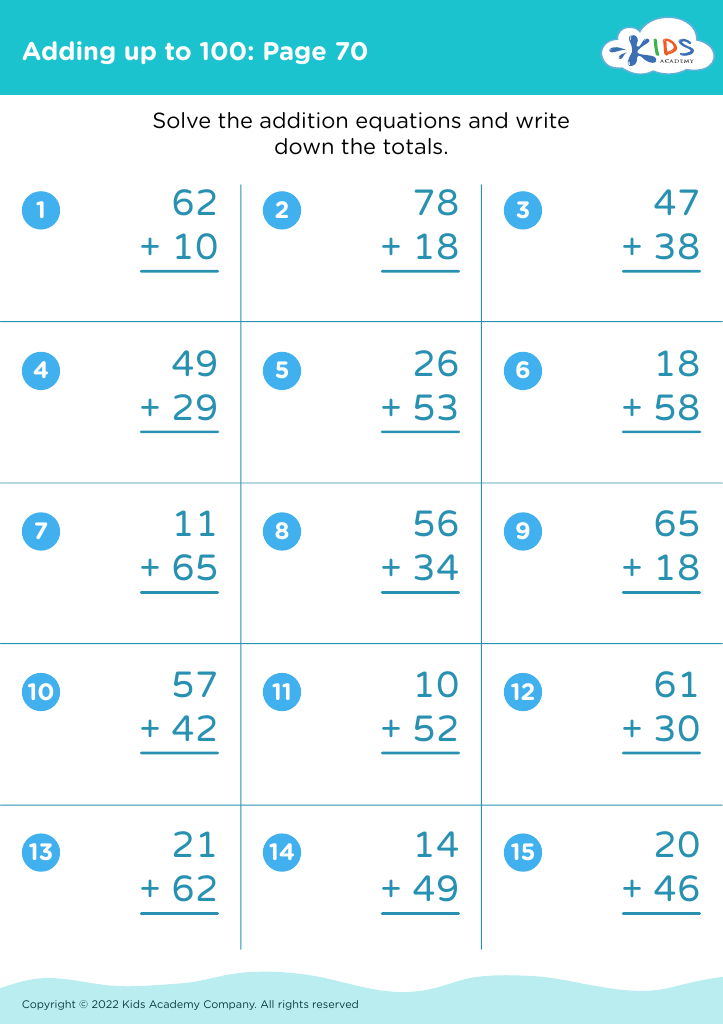
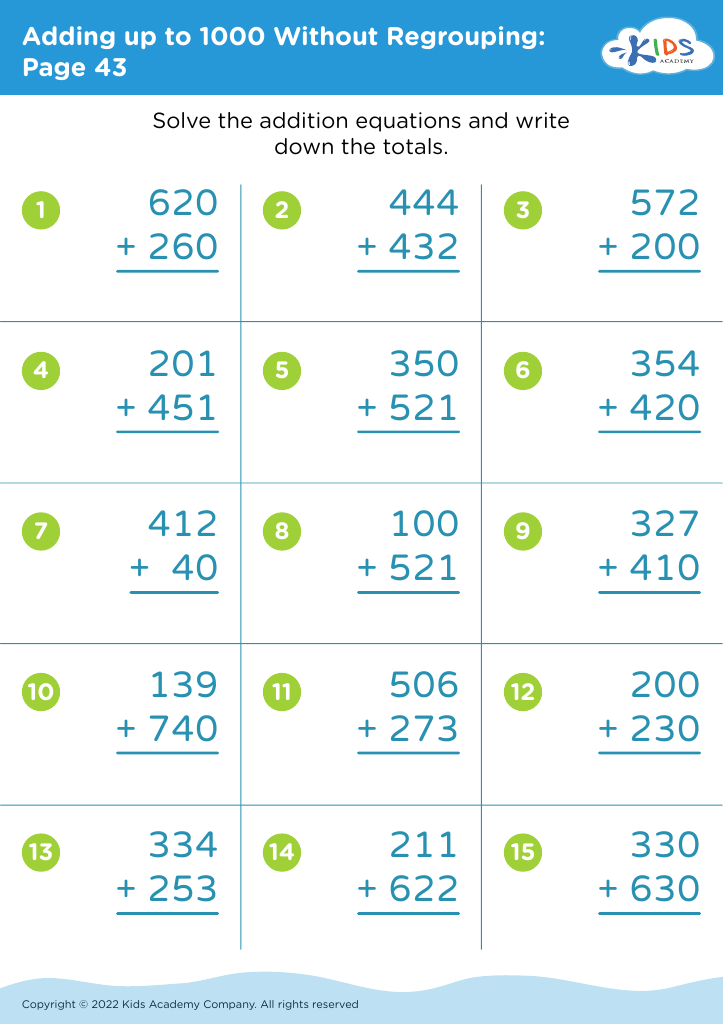








Parents and teachers should care about shape identification and addition for children ages 5-9 because these foundational skills are essential components of early childhood education that contribute to holistic cognitive development. Recognizing shapes not only aids in spatial awareness but also enhances a child’s ability to differentiate and categorize objects in their environment. This skill is crucial as it sets the stage for more complex math concepts and other academic disciplines.
Moreover, proficiency in basic addition develops numerical literacy and fosters critical thinking skills. Being able to add numbers forms the bedrock for more advanced arithmetic and problem-solving abilities, which are vital across various aspects of learning and everyday life. Engaging children in activities that combine shape recognition with addition can make learning interactive and enjoyable, thereby increasing their enthusiasm and curiosity for mathematics.
Additionally, early success in these areas builds confidence in young learners, helping them approach future challenges with a positive mindset. Parents and teachers who emphasize these skills are not only preparing children for academic success but are also equipping them with essential life skills. Activities that build shape recognition and addition skills therefore represent an integral part of a balanced educational curriculum, laying the groundwork for a brighter academic and developmental future.








