Filters

158 filtered results

Clear all filters
Favorites
With answer key
Interactive

158 filtered results

Difficulty Level

Grade


Check out this FREE Trial Lesson on Addition for age 5-9!

Match Objects that Fit Together

Favorites
With answer key
Interactive
  • 5-9
  • Understanding fractions
  • Addition
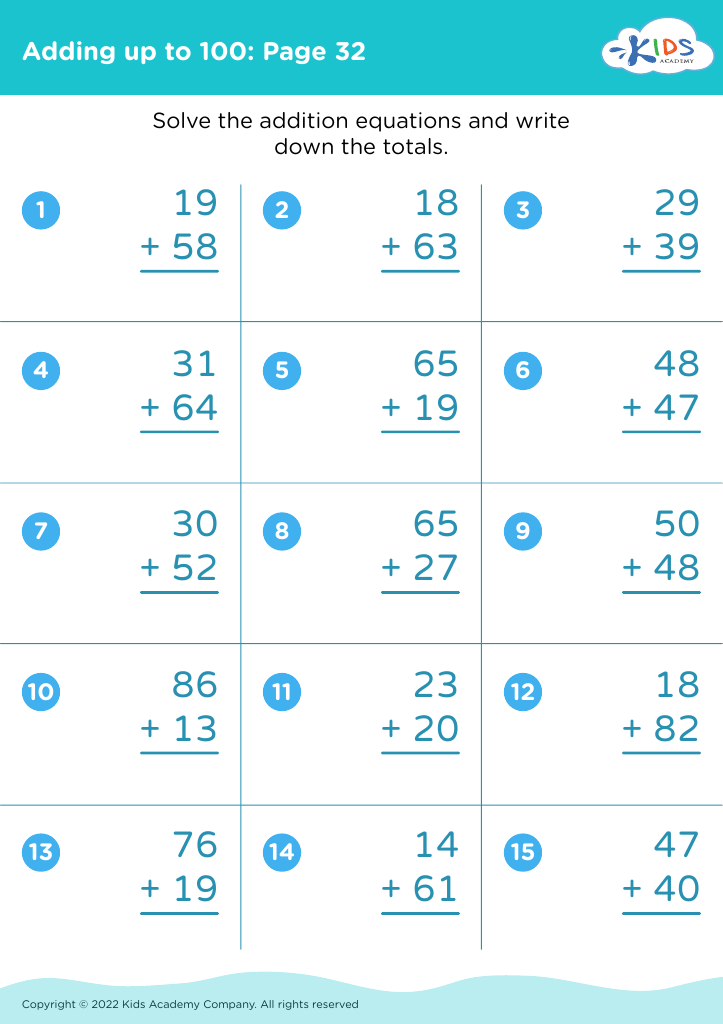
Adding up to 100: Page 32

Adding up to 100: Page 32

Adding up to 100: Page 32
Worksheet
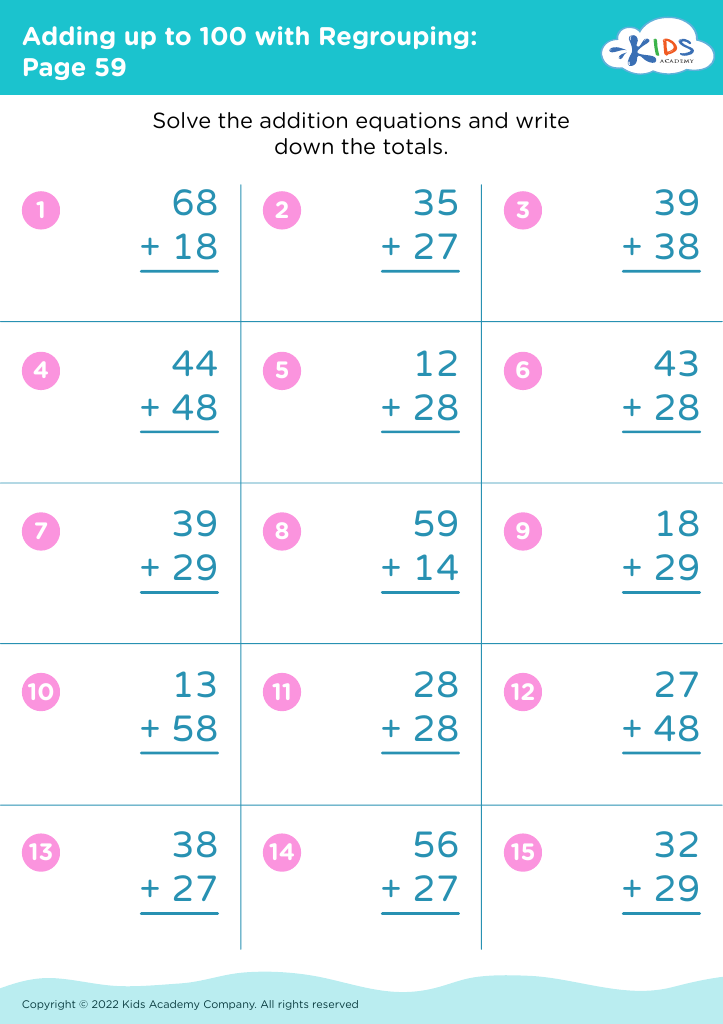
Adding up to 100 with Regrouping: Page 59
Worksheet
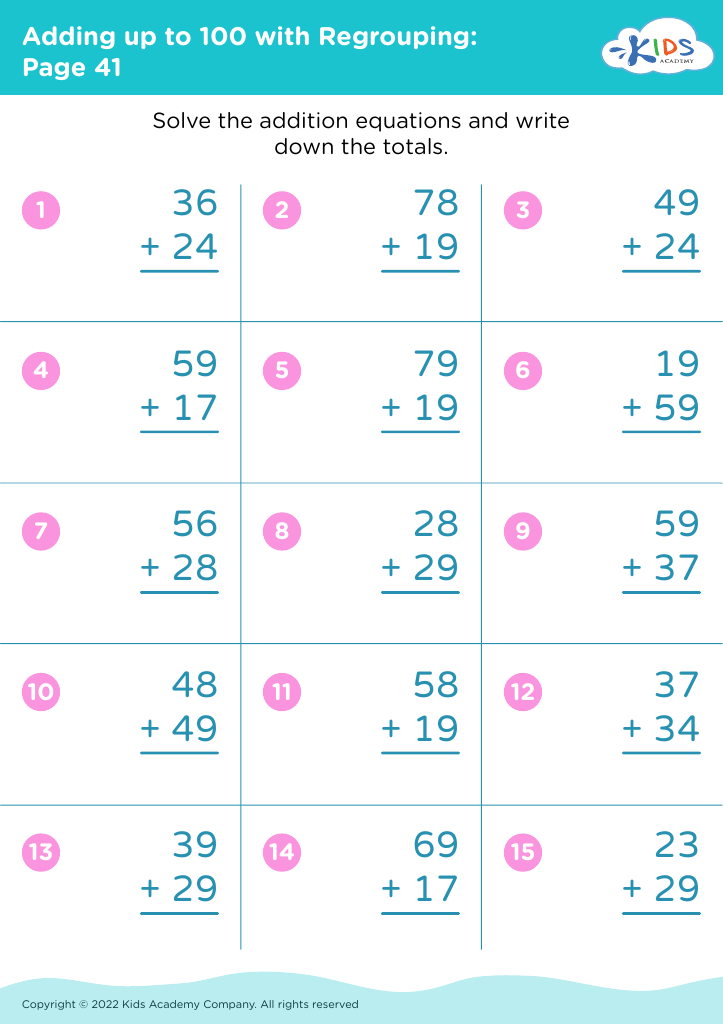
Adding up to 100 with Regrouping: Page 41
Worksheet
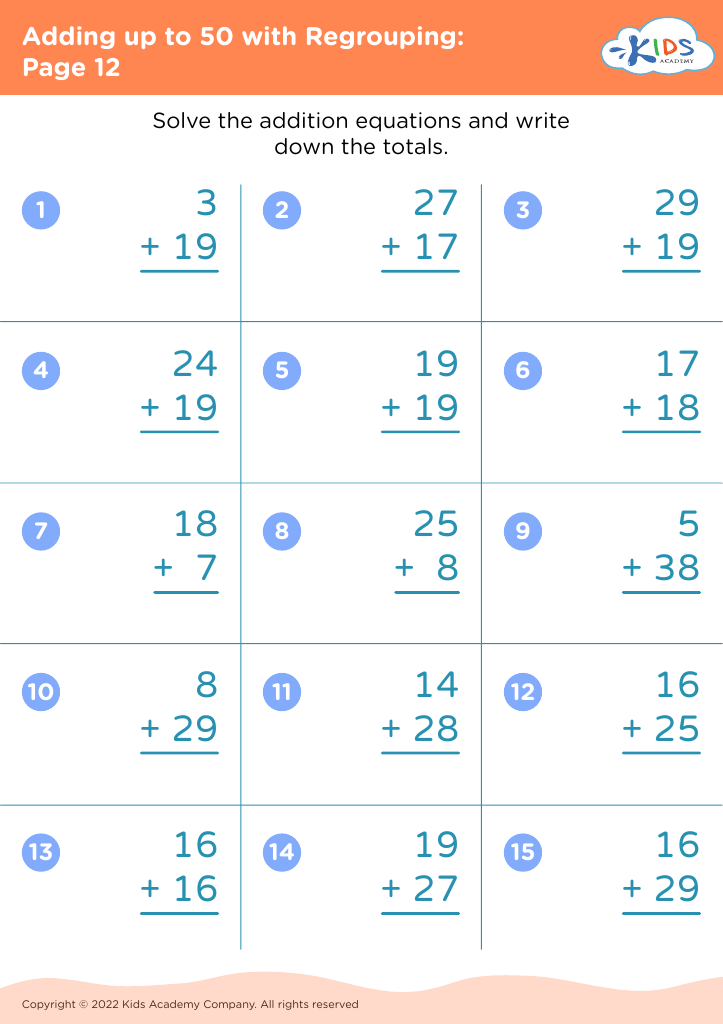
Adding up to 50 with Regrouping: Page 12
Worksheet
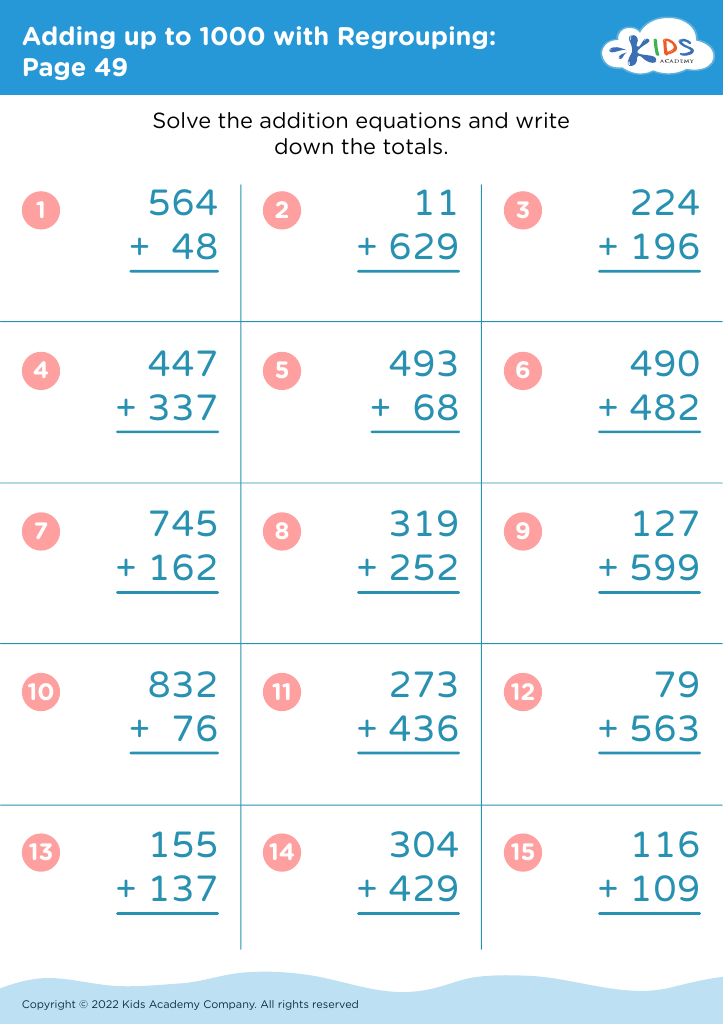
Adding up to 1000 with Regrouping: Page 49
Worksheet
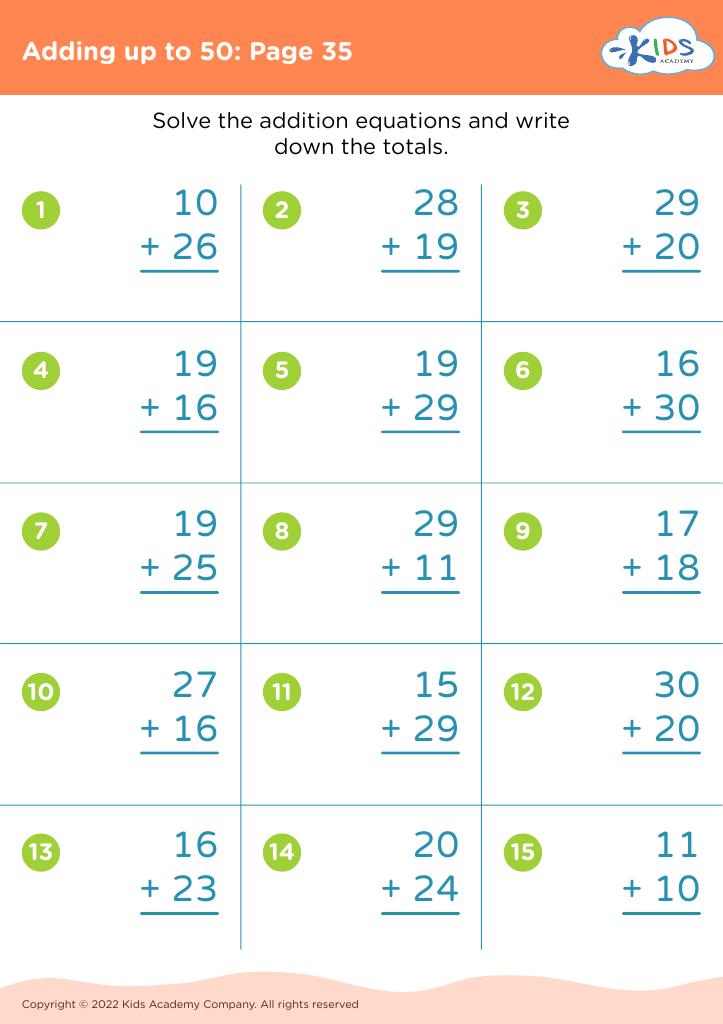
Adding up to 50: Page 35

Adding up to 50: Page 35

Adding up to 50: Page 35
Worksheet
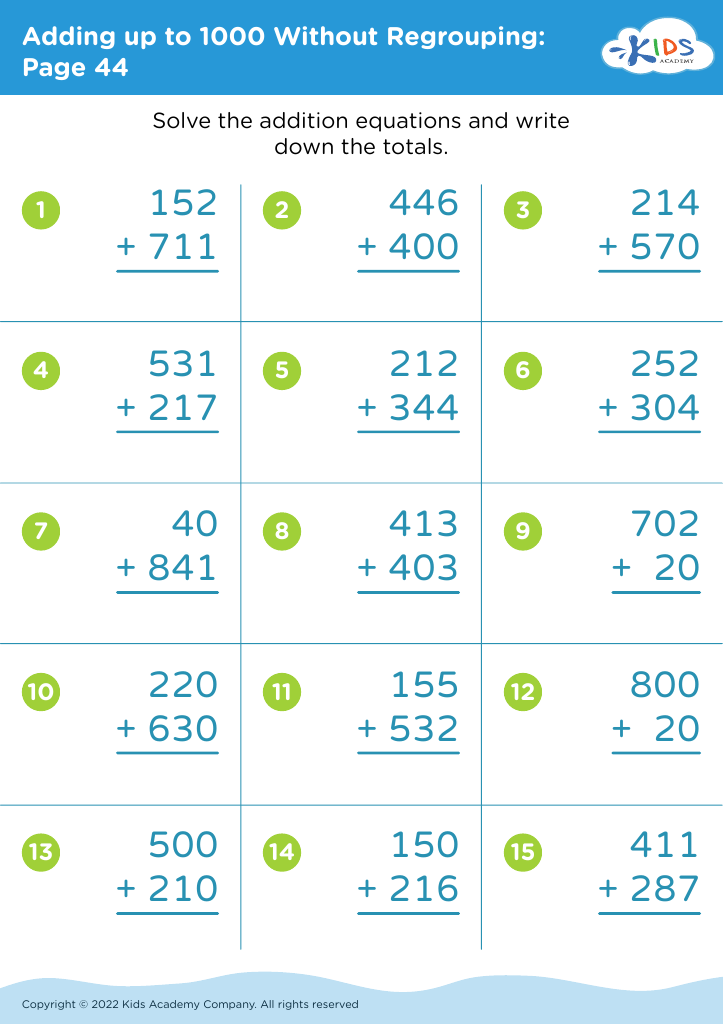
Adding up to 1000 Without Regrouping: Page 44
Worksheet
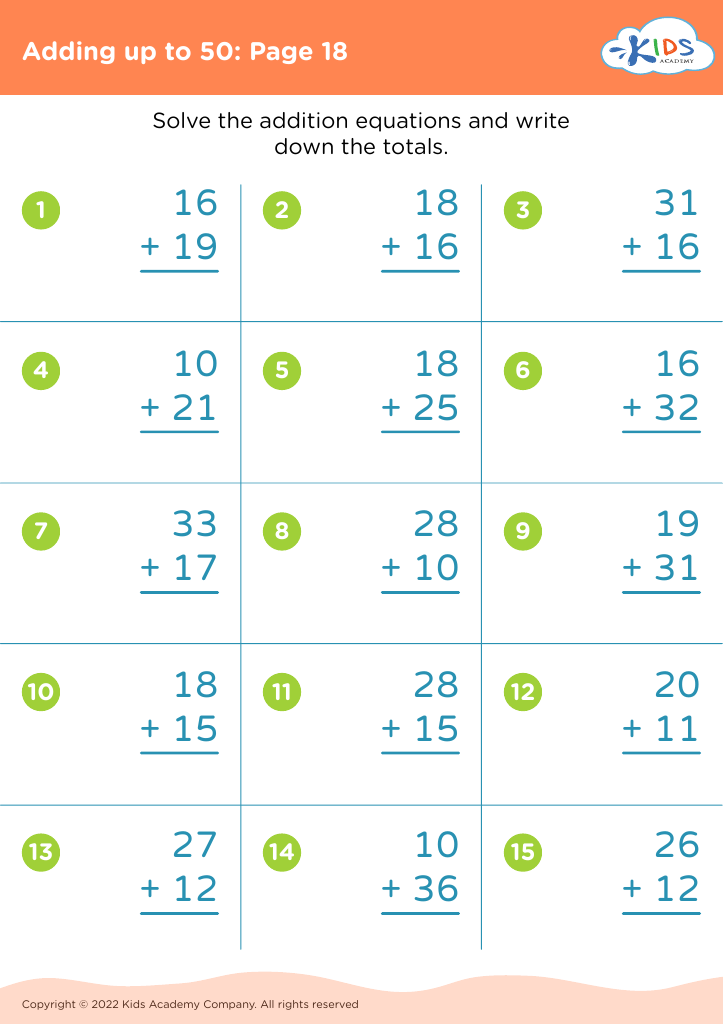
Adding up to 50: Page 18

Adding up to 50: Page 18

Adding up to 50: Page 18
Worksheet
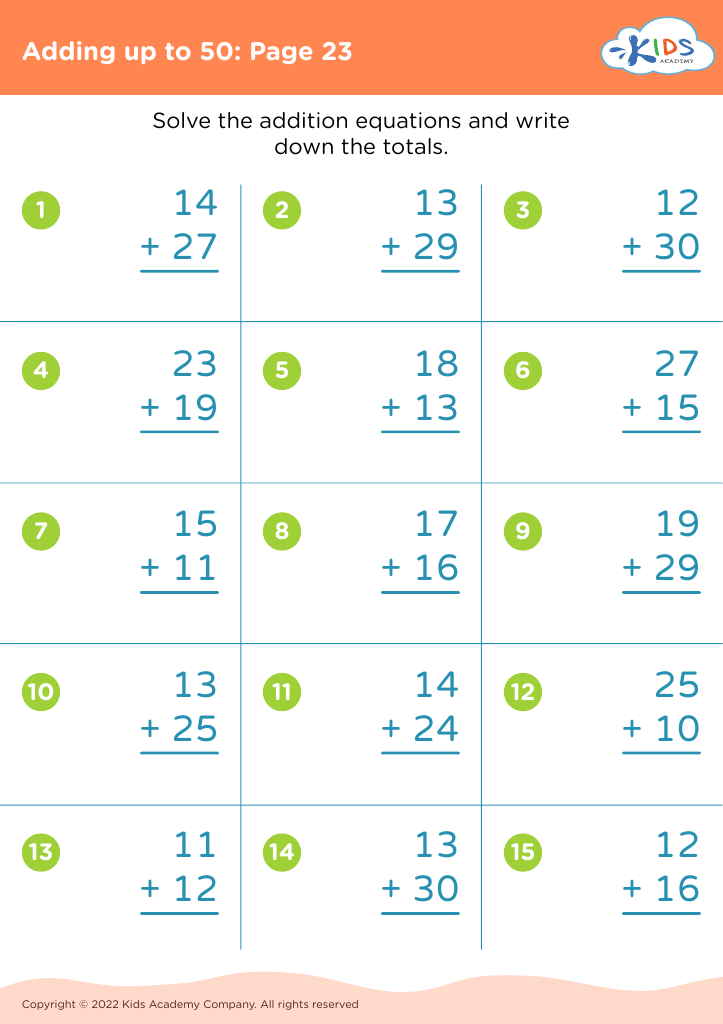
Adding up to 50: Page 23

Adding up to 50: Page 23

Adding up to 50: Page 23
Worksheet
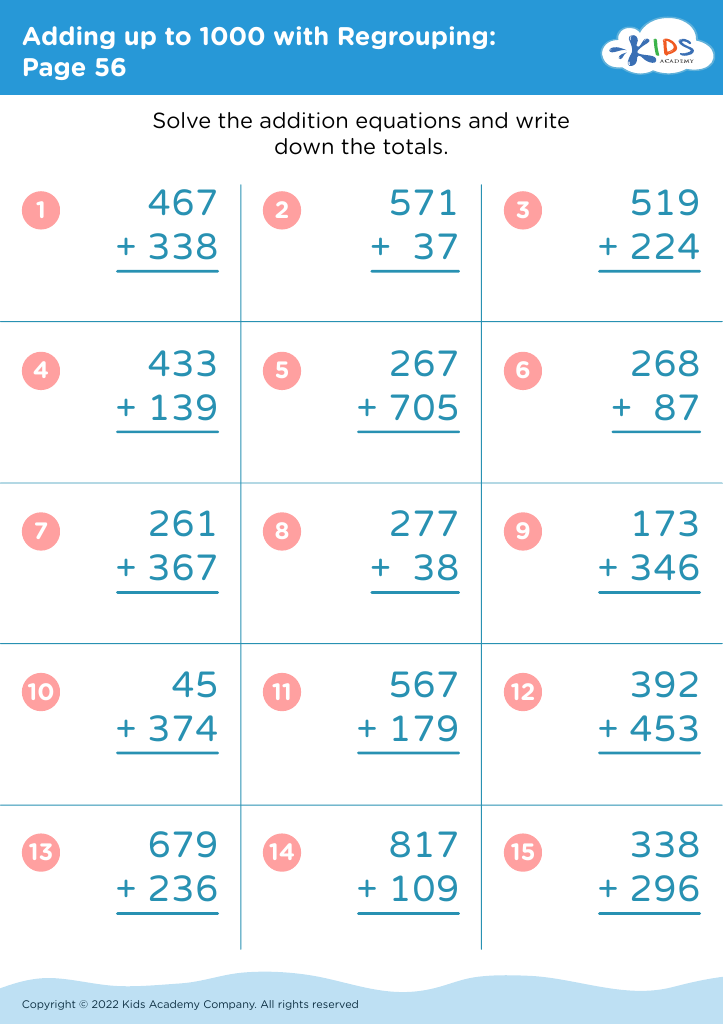
Adding up to 1000 with Regrouping: Page 56
Worksheet
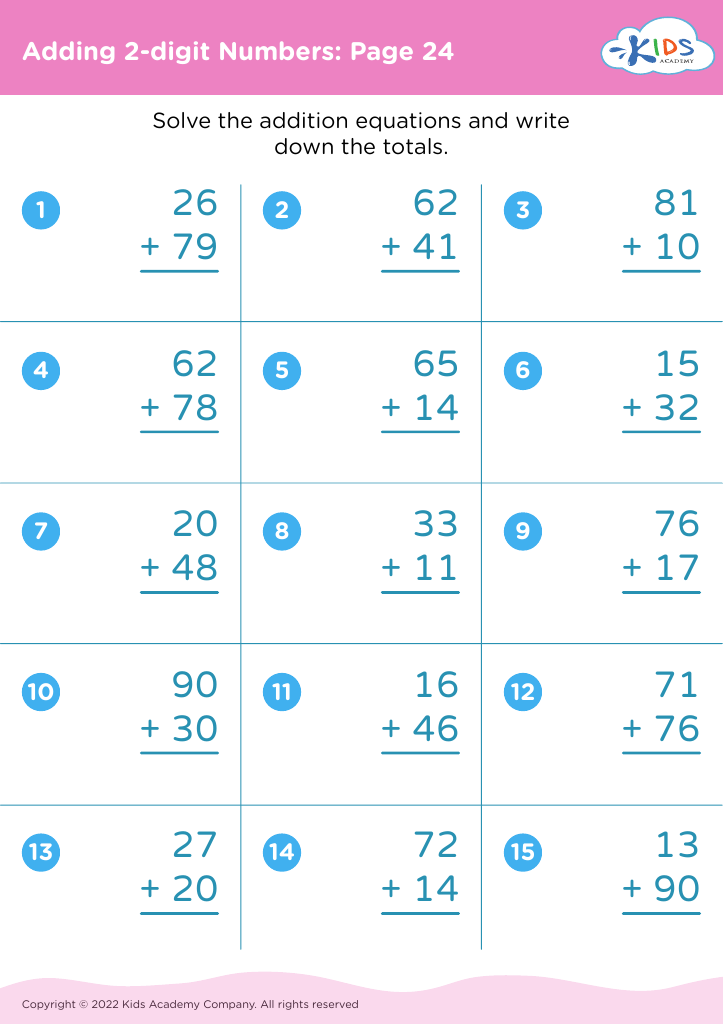
Adding 2-digit Numbers: Page 24

Adding 2-digit Numbers: Page 24

Adding 2-digit Numbers: Page 24
Worksheet
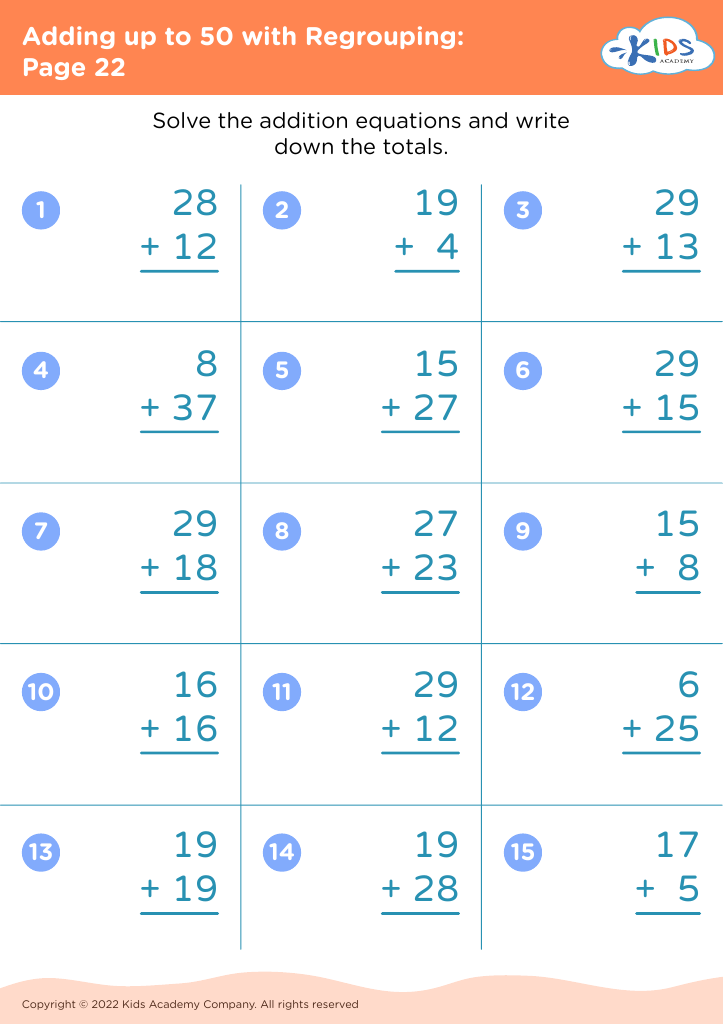
Adding up to 50 with Regrouping: Page 22
Worksheet
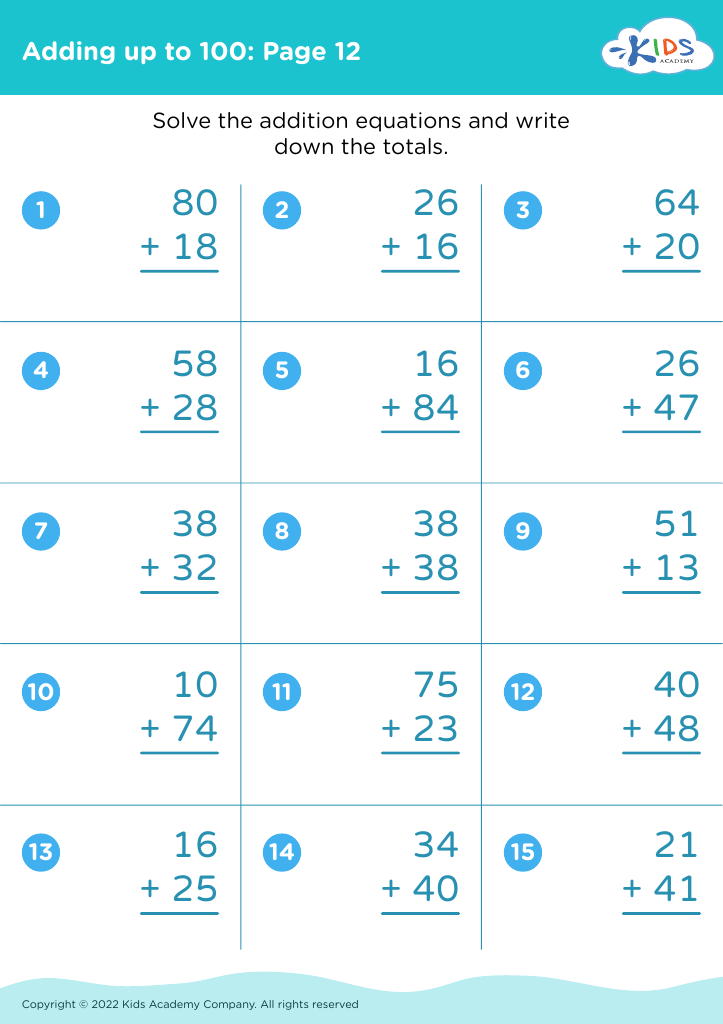
Adding up to 100: Page 12

Adding up to 100: Page 12

Adding up to 100: Page 12
Worksheet
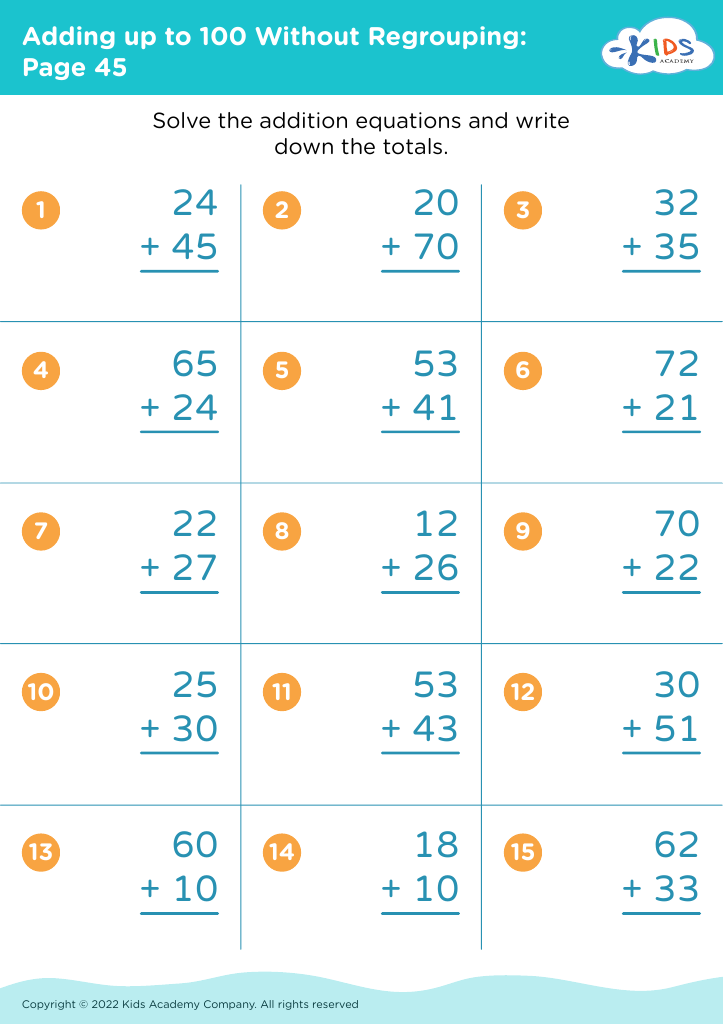
Adding up to 100 Without Regrouping: Page 45
Worksheet
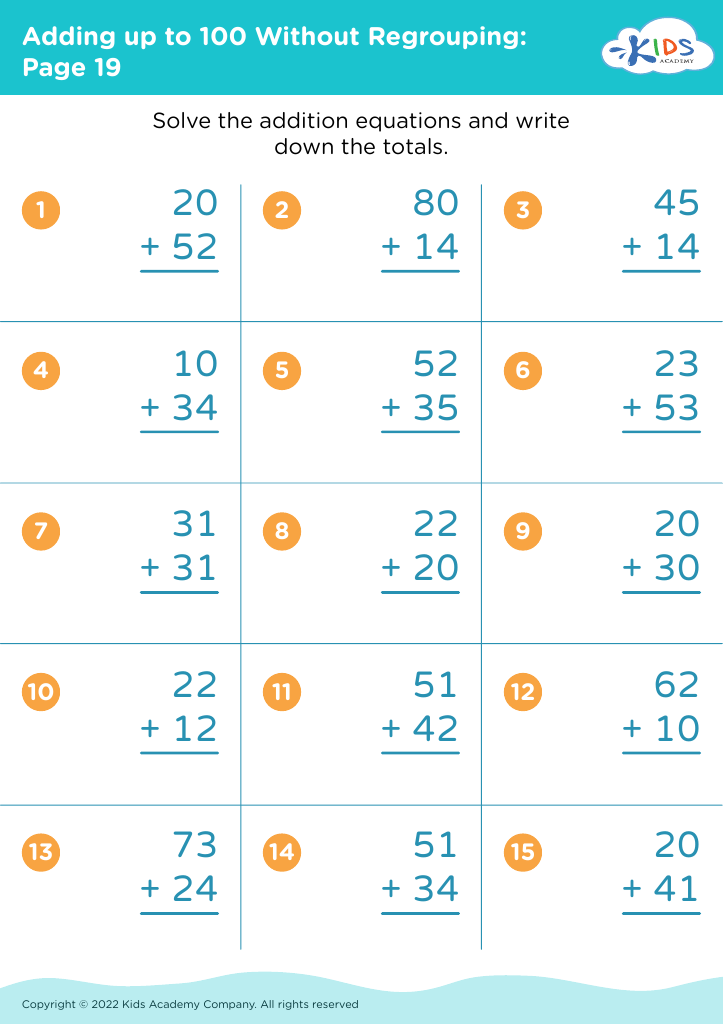
Adding up to 100 Without Regrouping: Page 19
Worksheet
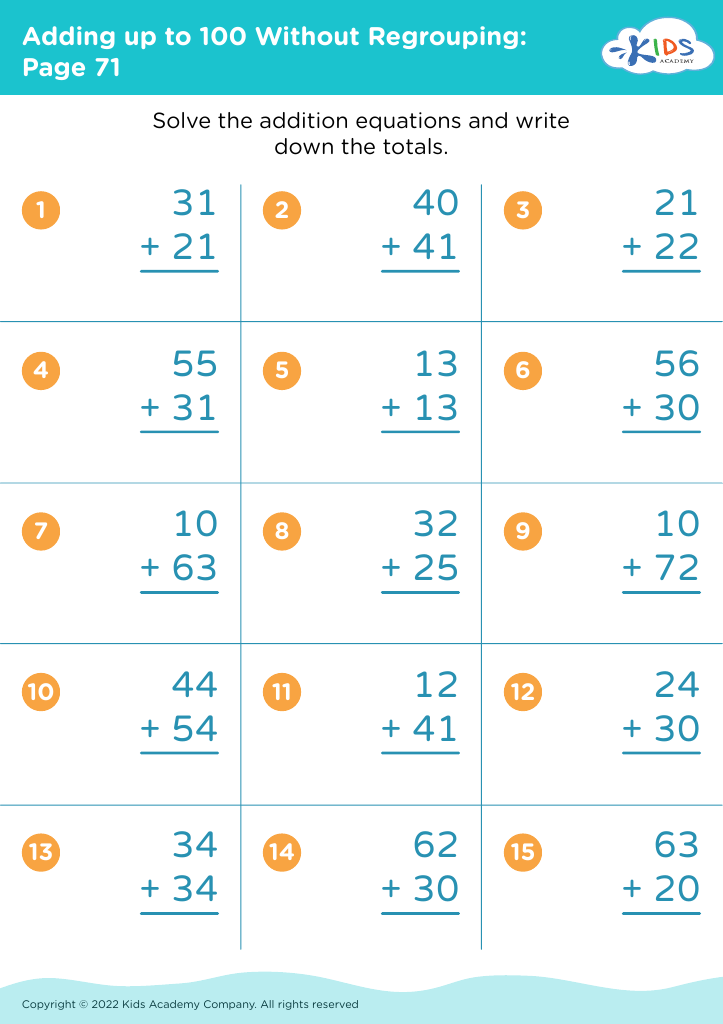
Adding up to 100 Without Regrouping: Page 71
Worksheet
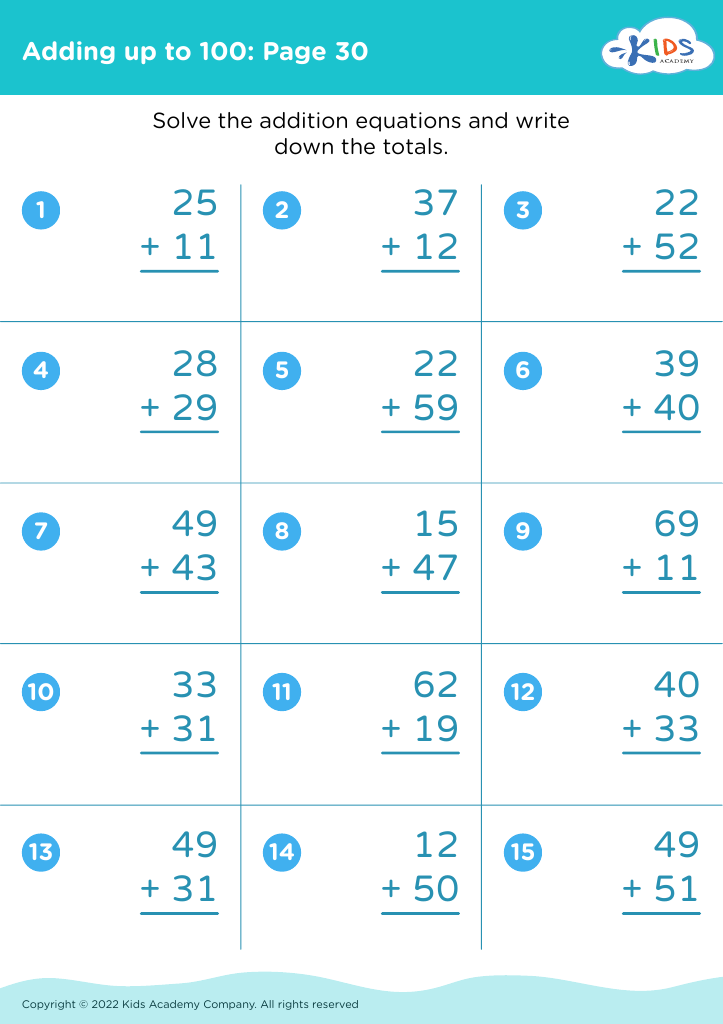
Adding up to 100: Page 30

Adding up to 100: Page 30

Adding up to 100: Page 30
Worksheet
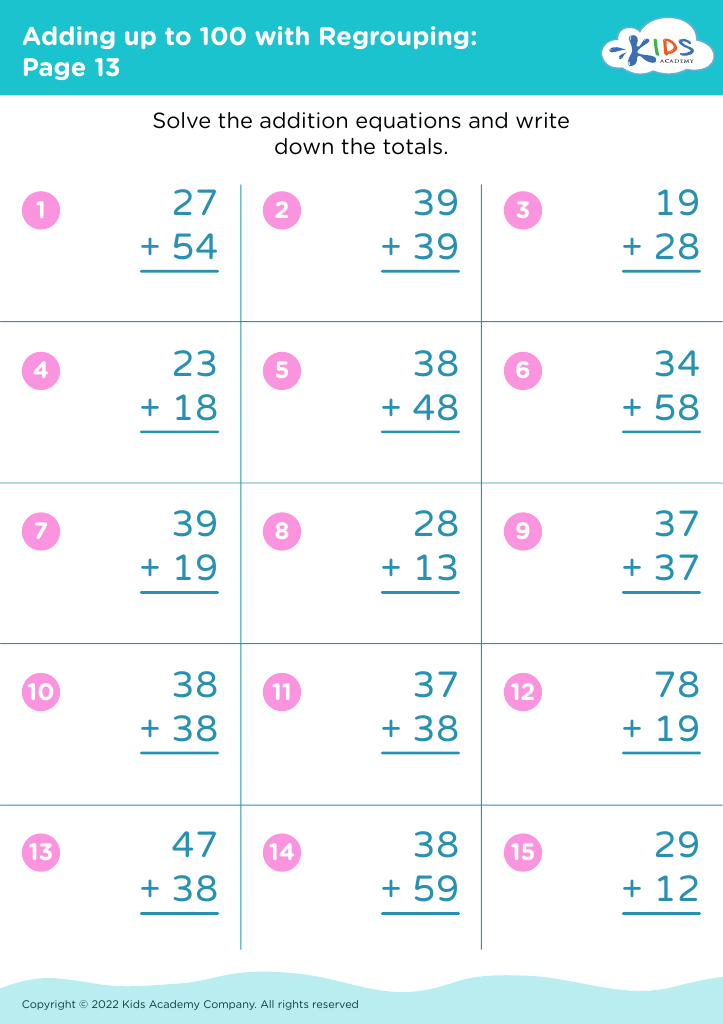
Adding up to 100 with Regrouping: Page 13
Worksheet
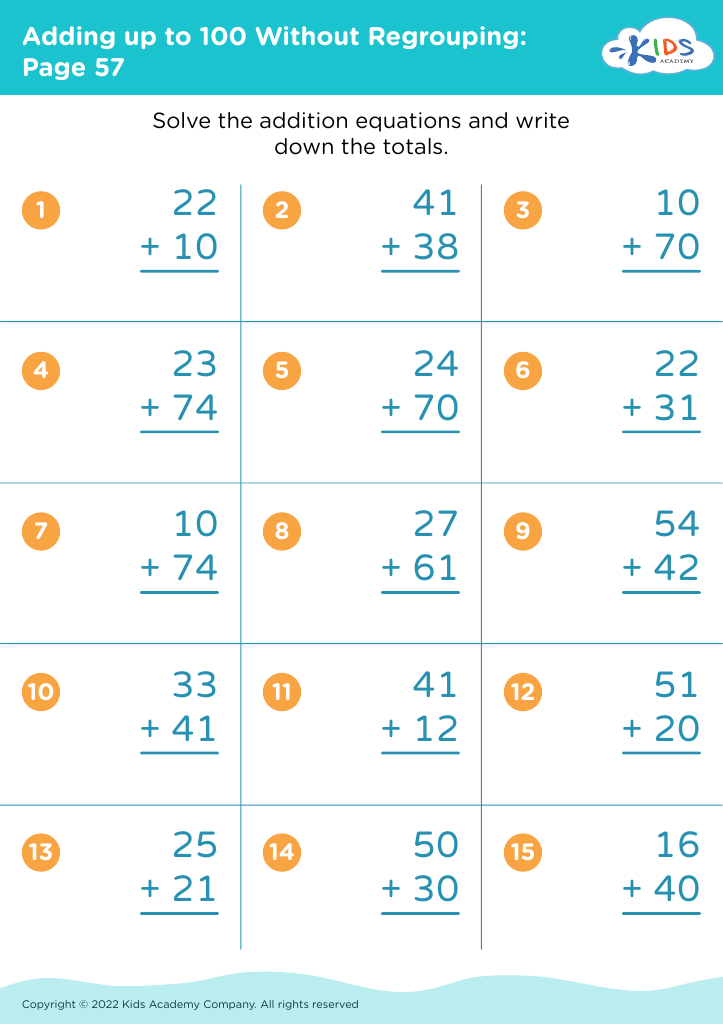
Adding up to 100 Without Regrouping: Page 57
Worksheet
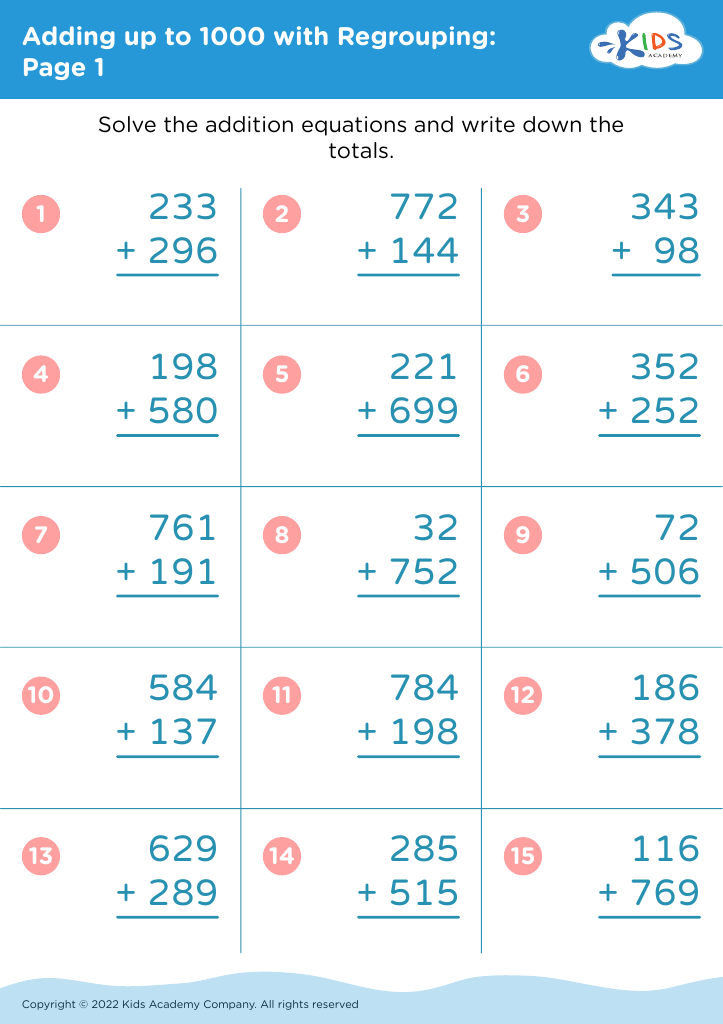
Adding up to 1000 with Regrouping: Page 1
Worksheet
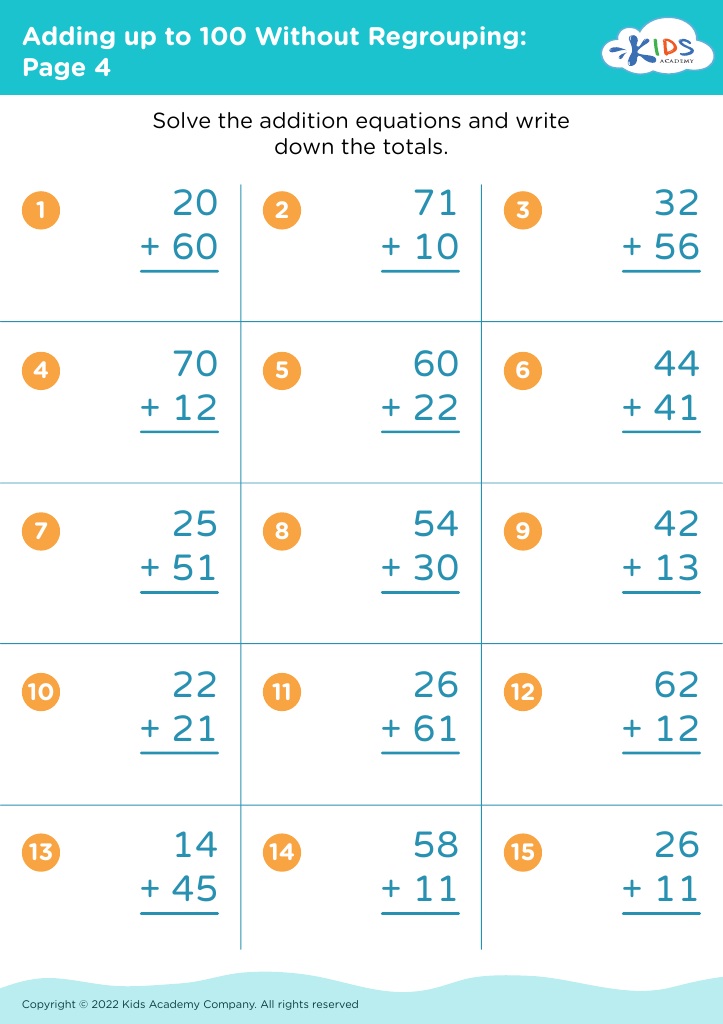
Adding up to 100 Without Regrouping: Page 4
Worksheet
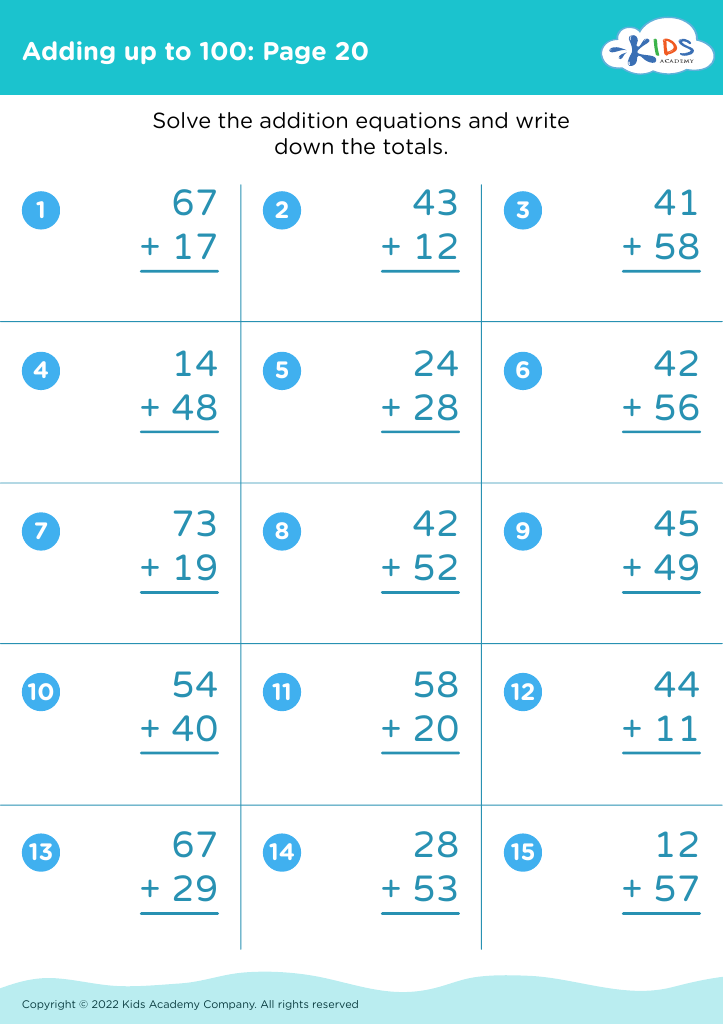
Adding up to 100: Page 20

Adding up to 100: Page 20

Adding up to 100: Page 20
Worksheet
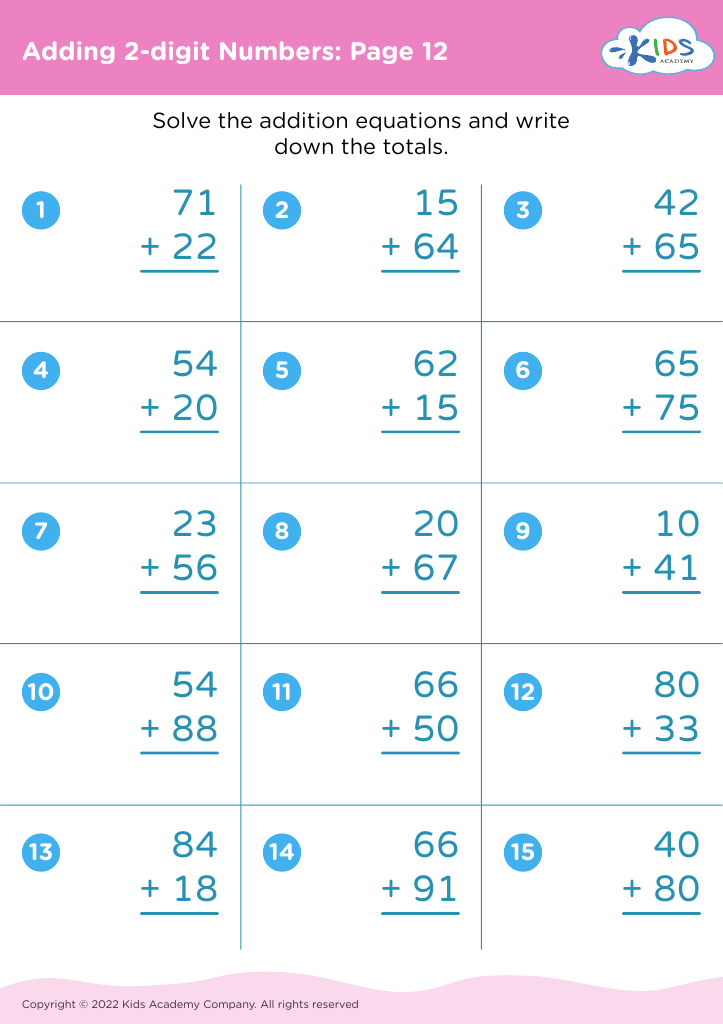
Adding 2-digit Numbers: Page 12

Adding 2-digit Numbers: Page 12

Adding 2-digit Numbers: Page 12
Worksheet
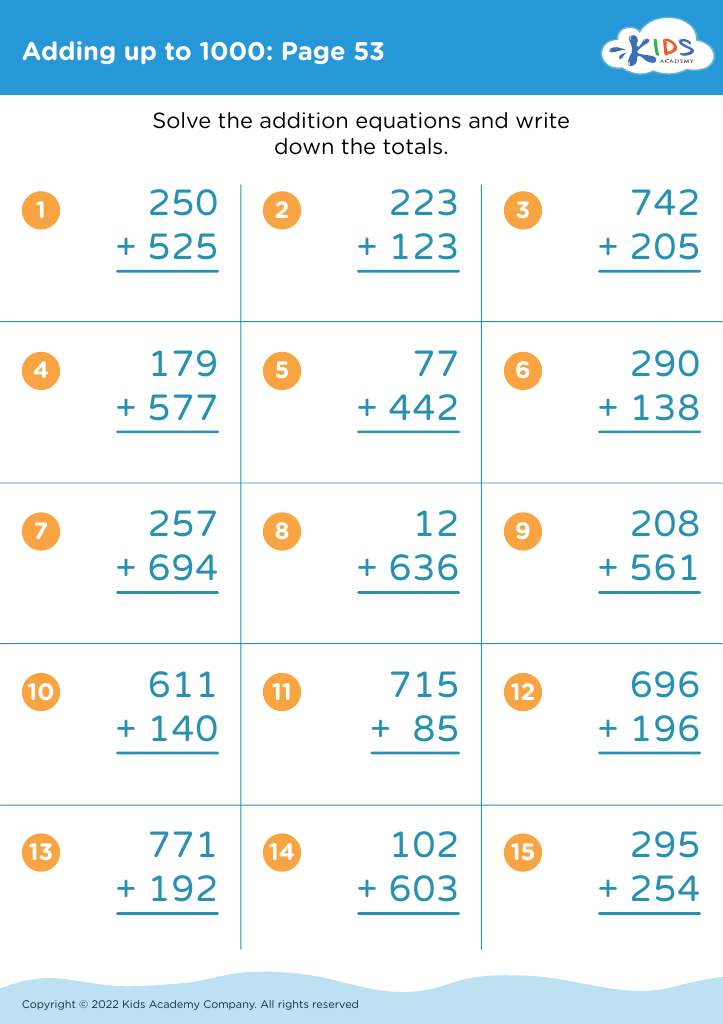
Adding up to 1000: Page 53

Adding up to 1000: Page 53

Adding up to 1000: Page 53
Worksheet


Understanding fractions is a crucial mathematical skill for children aged 5-9, and both parents and teachers should care deeply about nurturing this knowledge. At this age, children are developing foundational concepts that will support their future learning and problem-solving abilities. Fractions introduce the idea of parts and wholes, enabling children to grasp essential concepts of division and proportional thinking.

By mastering fraction addition, children enhance their ability to work with real-world scenarios, such as sharing food or measuring ingredients, making math relevant and engaging. This understanding encourages positive attitudes toward math and helps eliminate the fear or anxiety often associated with the subject in later years.

Moreover, a strong grasp of fraction addition lays the groundwork for more advanced mathematical concepts like decimals, ratios, and percentages. Engaging parents in this process reinforces learning at home through practical activities, enhancing their relationship with their child's education.

Ultimately, when teachers and parents prioritize understanding fractions and additions, they empower students with vital skills that will set the stage for success in mathematics and beyond. The benefits of fostering a solid matemática foundation expand beyond academics, promoting critical thinking and problem-solving skills that are applicable throughout life.