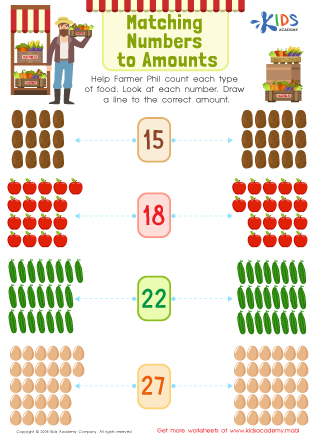
Fine Motor Skills Comparing Numbers Worksheets for Ages 5-9
3 filtered results
Difficulty Level
Grade
Age
-
From - To
Subject
Activity
Standards
Enhance your child's fine motor skills while learning to compare numbers with our engaging worksheets designed for ages 5-9. These carefully crafted activities not only teach essential math concepts but also promote hand-eye coordination and pencil control. Each worksheet features colorful illustrations and interactive exercises that make learning fun and effective. As your child identifies and compares numbers, they simultaneously develop the dexterity needed for writing and other everyday tasks. Perfect for home or classroom use, these printable worksheets provide a hands-on approach to building confidence in math and fine motor proficiency. Empower your young learners today!
Favorites
With answer key
Interactive
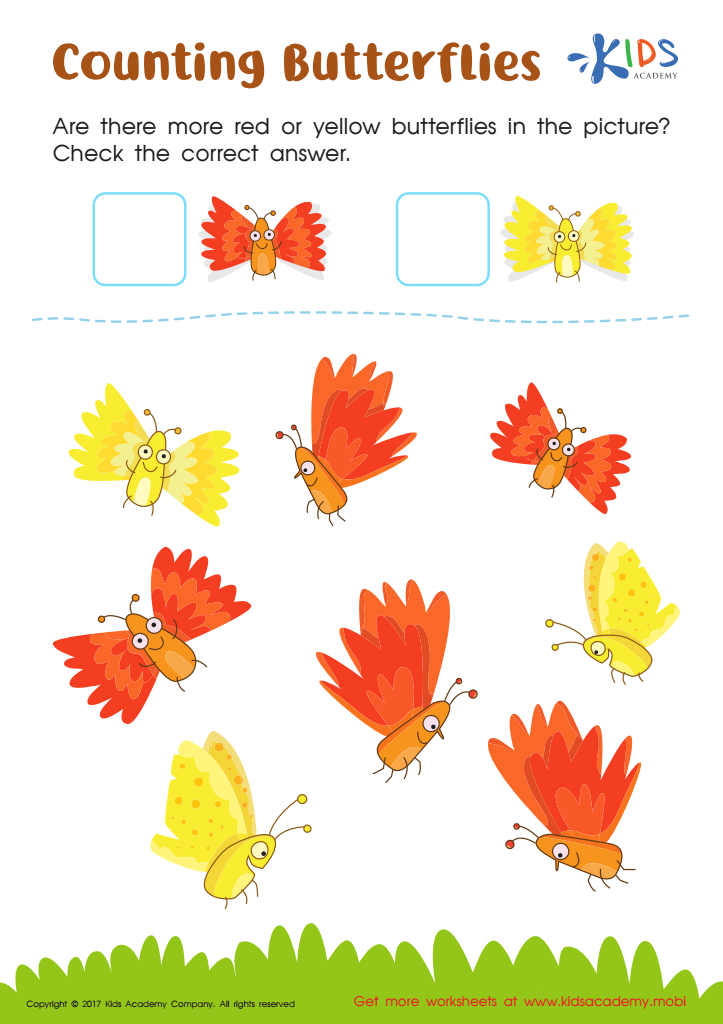
Counting Butterflies Worksheet
Count and compare the butterflies in the picture with your child. How many are red, and how many are yellow? Stimulate thinking and counting skills while having fun. Check the answers when you're done.
 Assign to My Students
Counting Butterflies Worksheet
Worksheet

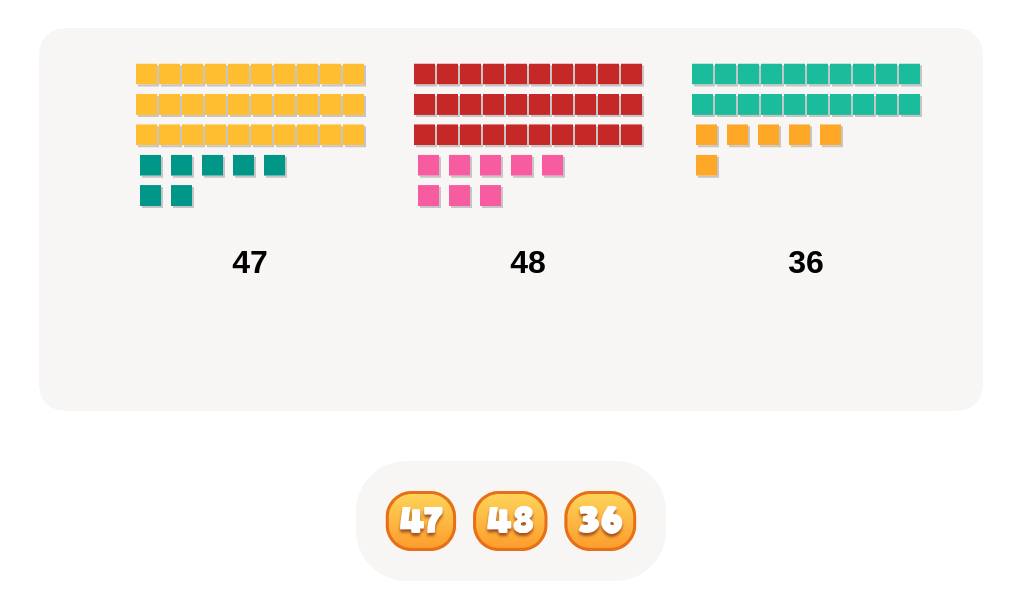
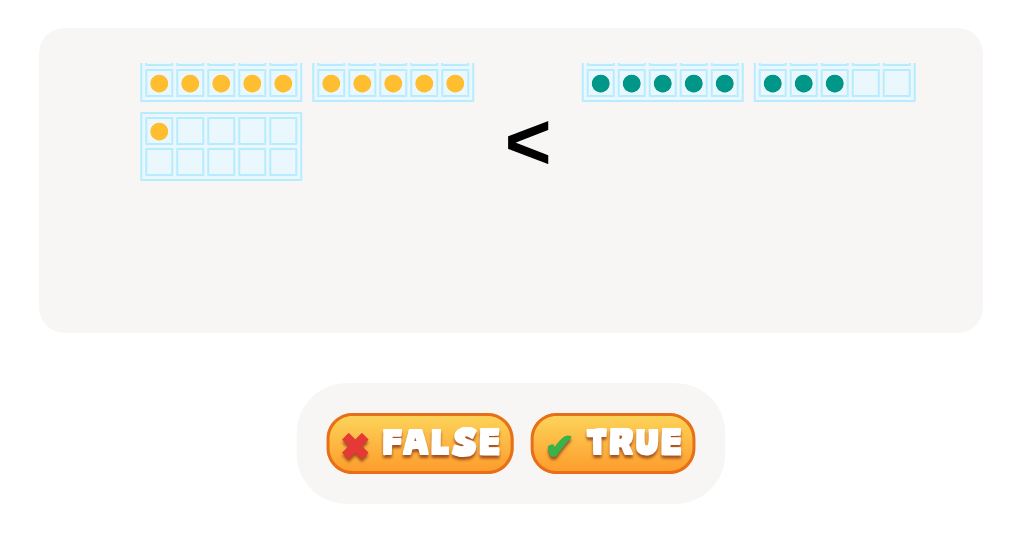
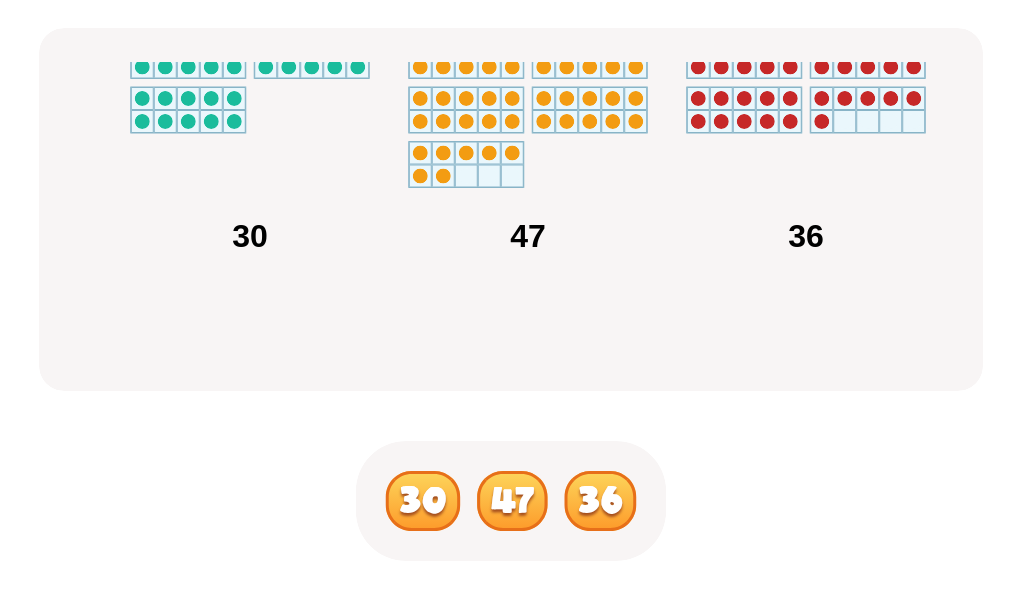
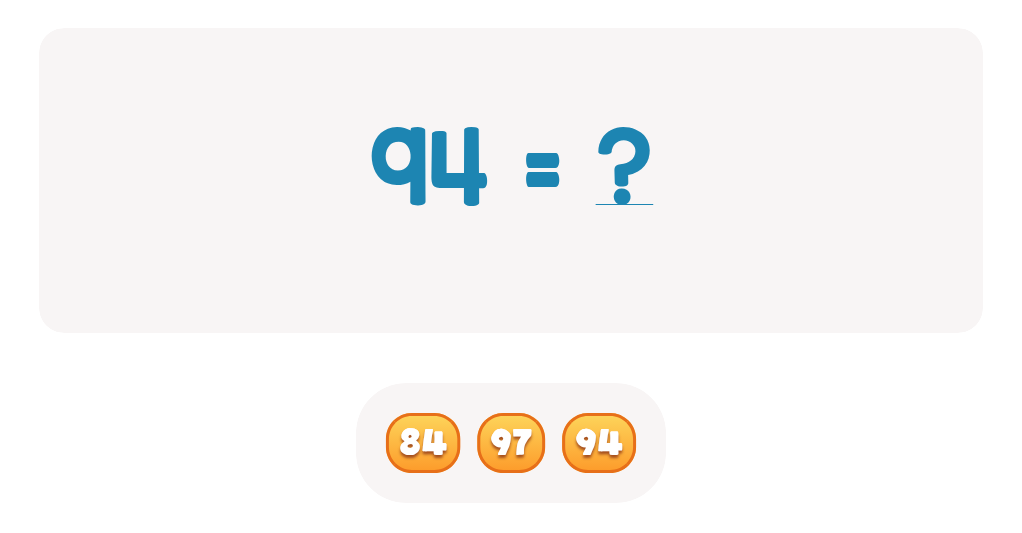
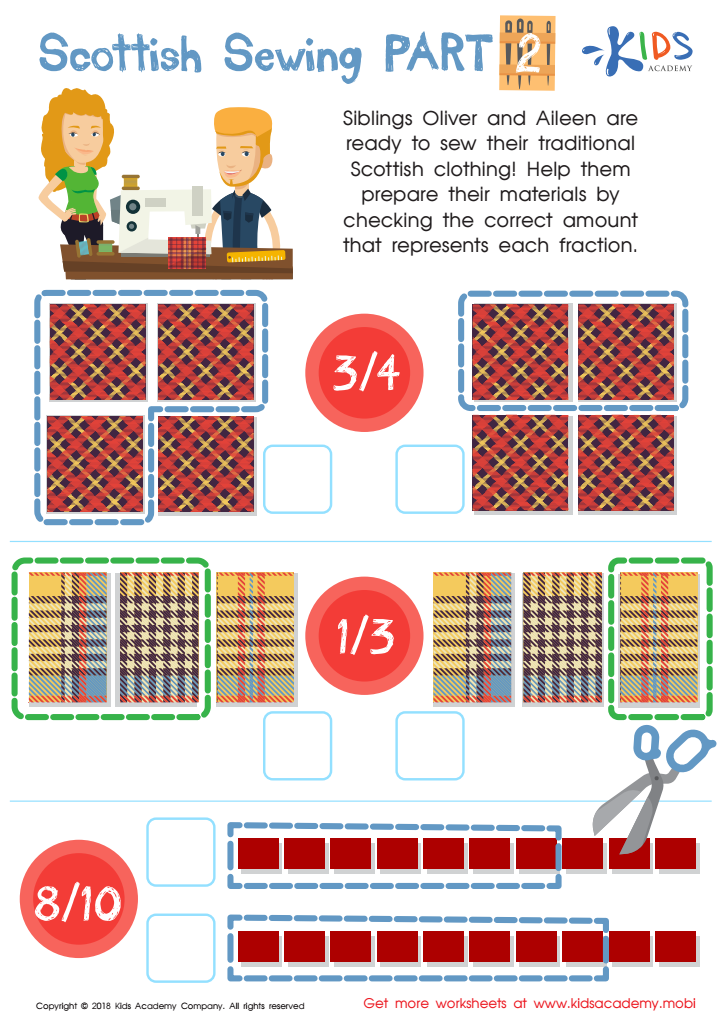
Scottish Sewing Part 2 Worksheet
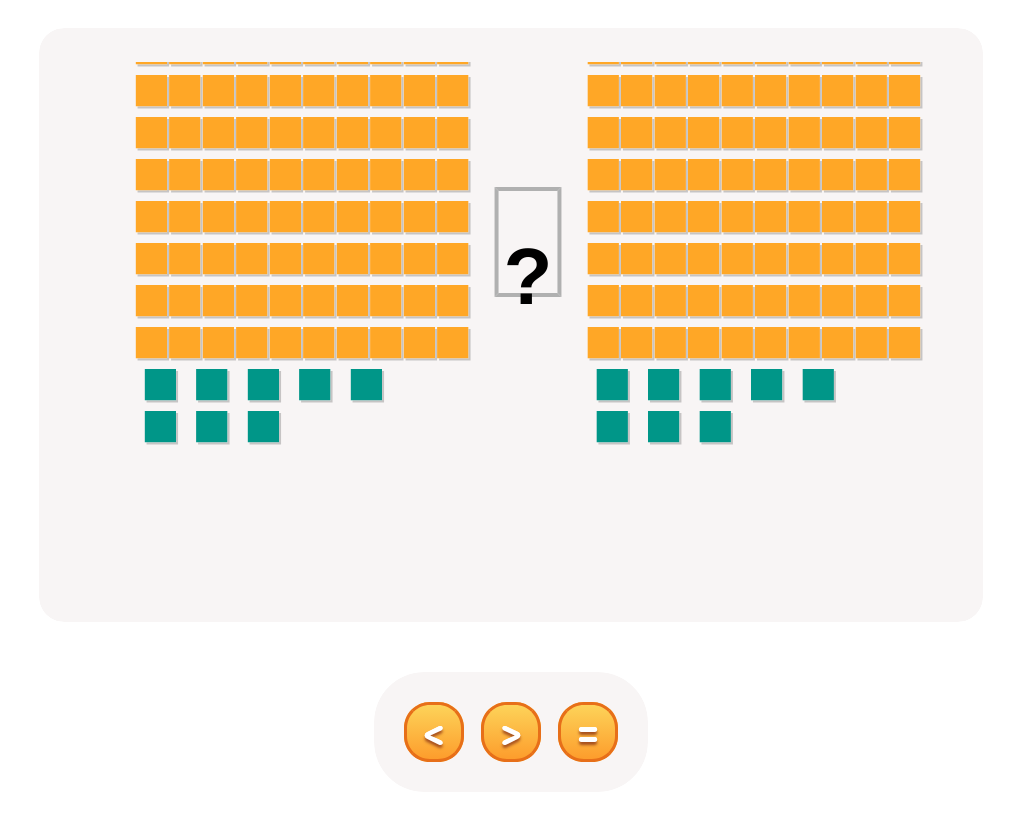
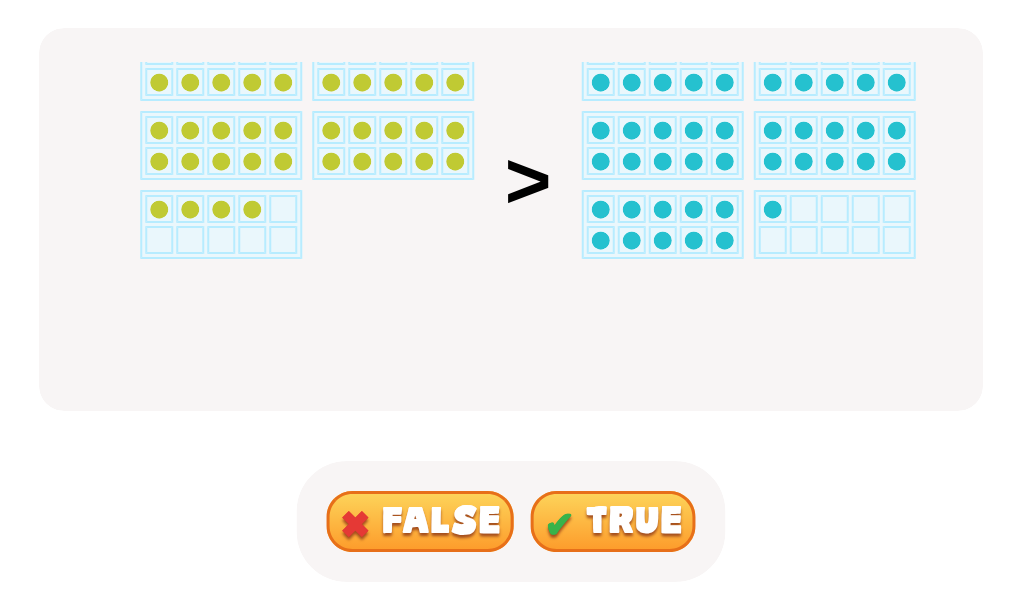
Oliver and Alleen are sewing traditional Scottish attire. Help your kids count the cloth and check the correct fraction to support them. Have your kids check the correct amount that represents each fraction to help the brother-sister duo prepare their material.
Scottish Sewing Part 2 Worksheet
Worksheet
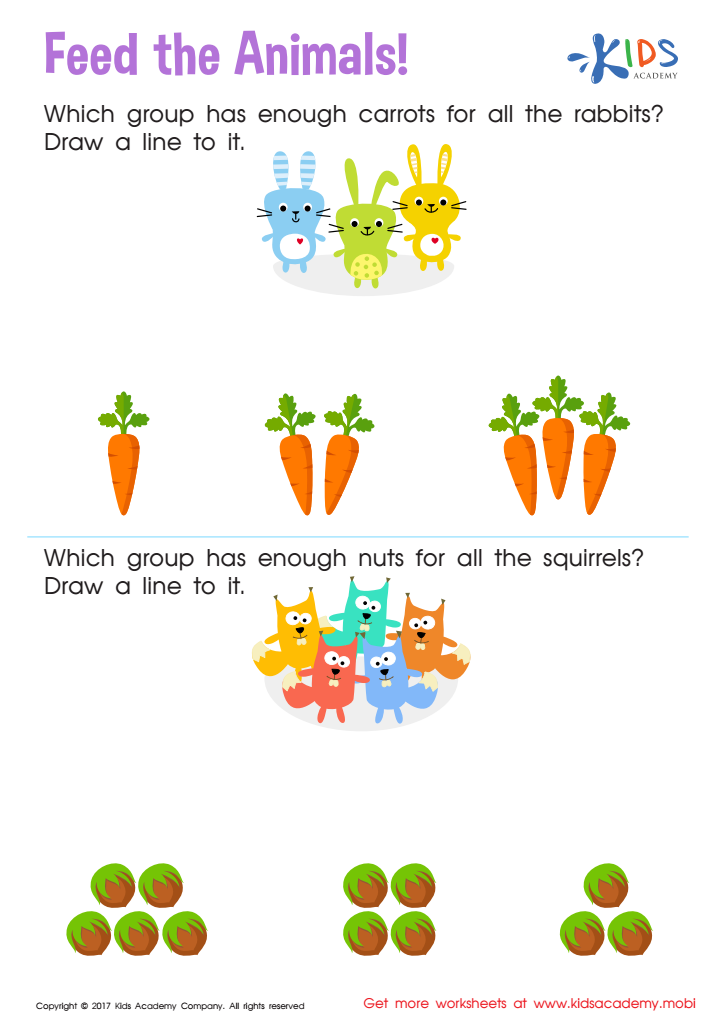
Count and Match: Feed the Animals Worksheet
Learning and growing involves more than just numbers, phonics and comparison. This Feed the Animals worksheet helps kids to exercise their reasoning skills. They must work out how many rabbits and carrots there are, and then repeat the process for the squirrels. This encourages problem solving and counting skills.
Count and Match: Feed the Animals Worksheet
Worksheet
Join Kids Academy for Free
Who is primarily going to use this learning content?








Fine motor skills play a crucial role in a child's development, particularly in the context of activities such as comparing numbers for ages 5-9. These skills involve the coordination of small muscle movements, typically in the hands and fingers, which are essential for tasks requiring precision, like writing, drawing, and using tools. When children perform activities that strengthen fine motor skills, such as manipulating objects, arranging number cards, or engaging in hands-on math games, they not only enhance their dexterity but also their ability to process and understand numerical concepts.
Furthermore, fine motor skills contribute to cognitive development. This is especially relevant when comparing numbers, as children must visually and physically manipulate the digits or objects they’re using. By developing these skills, children gain confidence in their ability to perform academic tasks, which fosters a positive attitude towards learning. Parents and teachers who focus on fine motor skill development create a strong foundation for not just math proficiency but for overall academic success.
Engaging with fine motor activities creates enjoyable learning experiences, encouraging perseverance and problem-solving. Ultimately, by supporting these skills during ages 5-9, parents and teachers contribute to children's readiness for more complex tasks in math and everyday life.