Basic arithmetic practice Numbers Worksheets for Ages 5-9
5 filtered results
-
From - To
Our "Basic Arithmetic Practice Numbers Worksheets for Ages 5-9" provide engaging and educational resources perfect for young learners. Curated to enhance fundamental math skills, these worksheets focus on essential arithmetic operations like addition, subtraction, multiplication, and division. They are expertly designed to make learning fun and interactive, while gradually increasing in complexity to challenge your child's growing abilities. Bright, colorful visuals and relatable scenarios aid in maintaining kids' interest and motivation. Ideal for both classroom and home use, these worksheets help children build a solid arithmetic foundation, boosting their confidence and preparing them for future math success.
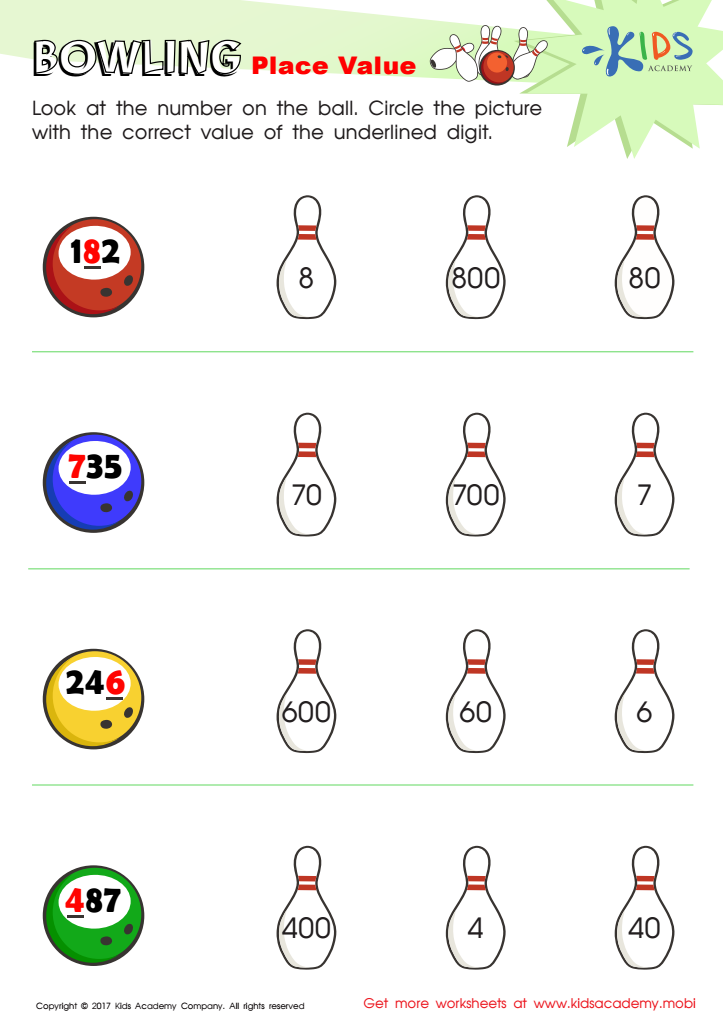
Place Value Worksheet
 Assign to My Students
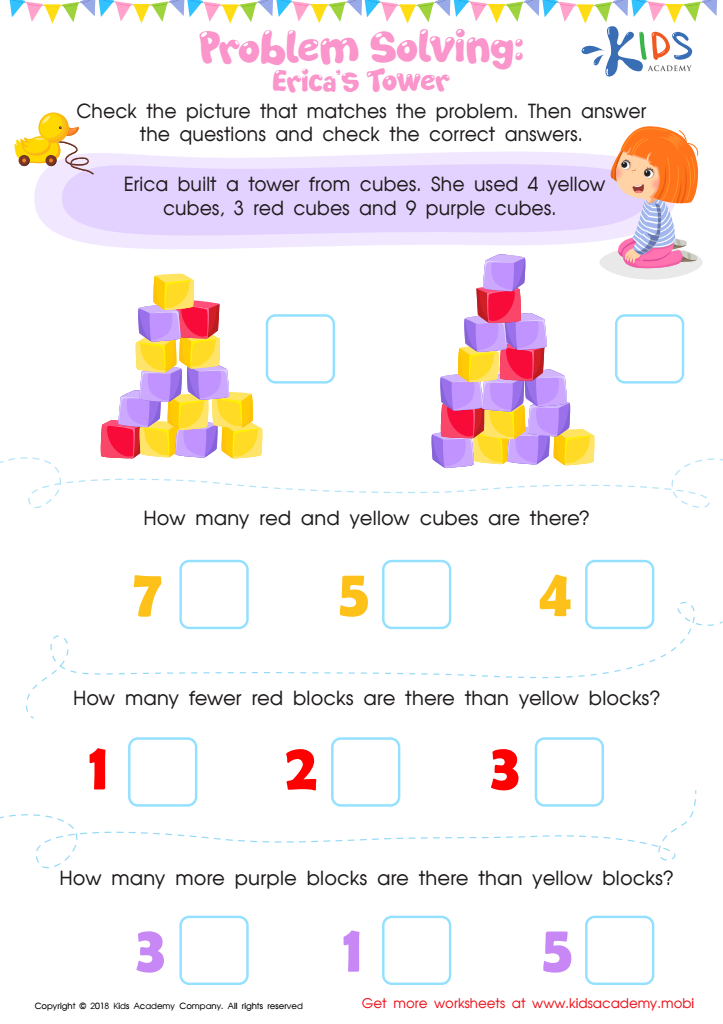
Problem Solving: Erica's Tower Worksheet
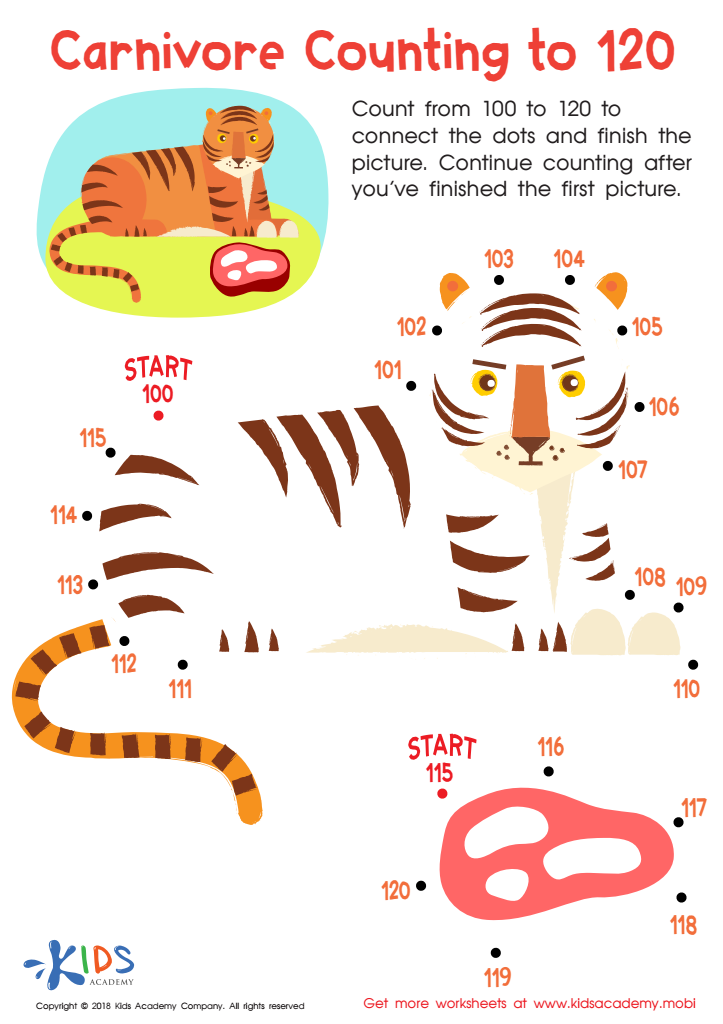
Carnivore Counting to 120 Worksheet
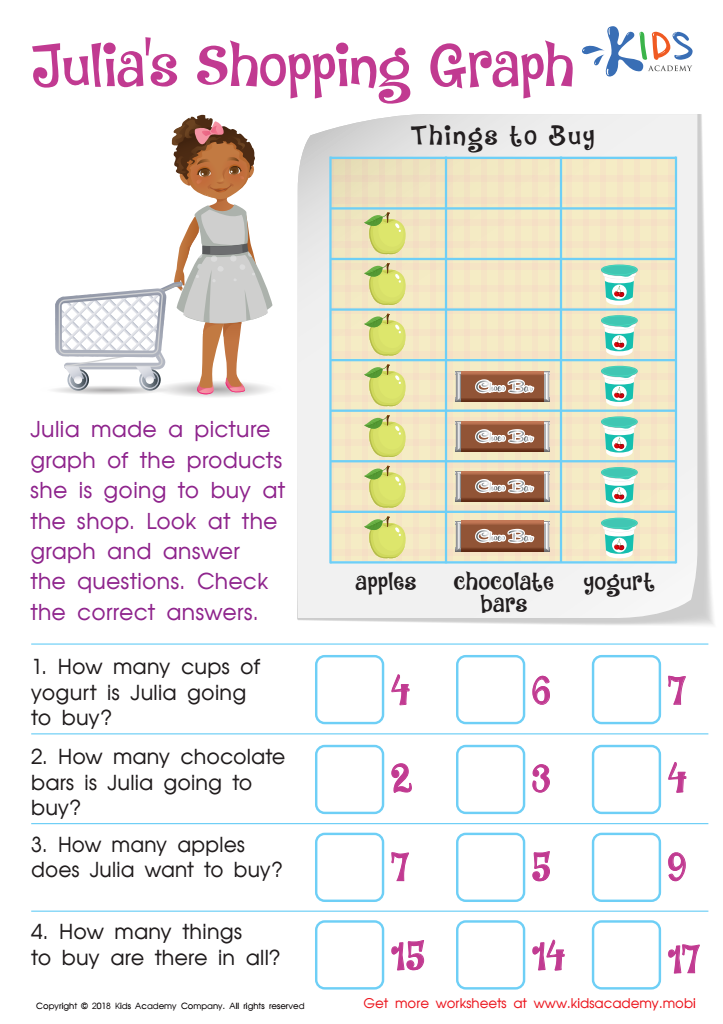
Julia's Shopping Graph Worksheet
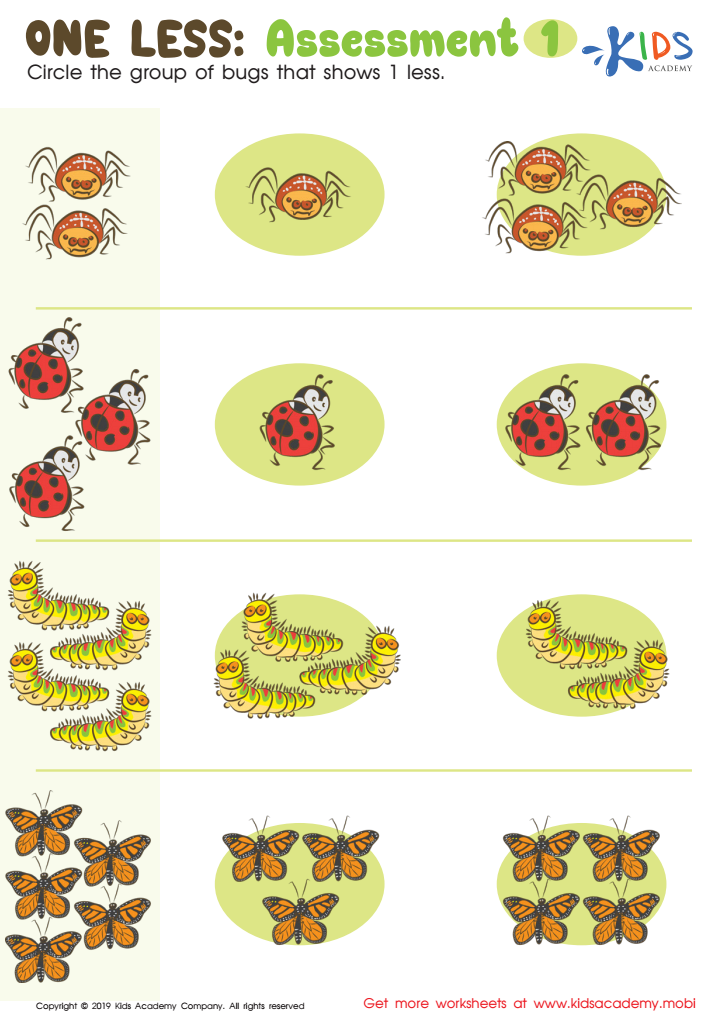
One Less: Assessment 1 Worksheet



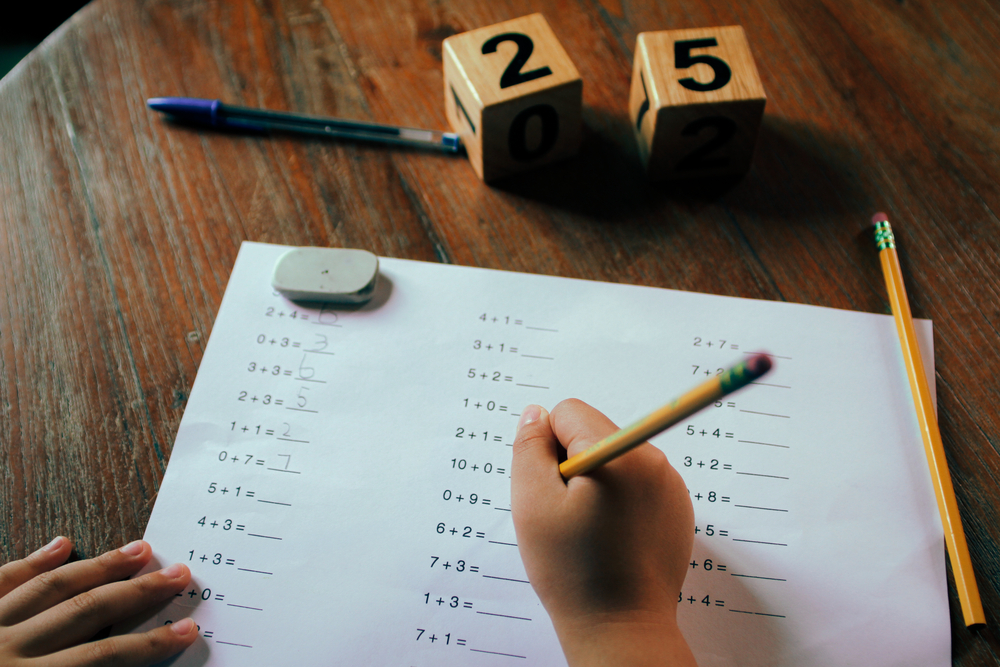




Basic arithmetic practice is foundational for children aged 5-9, playing a crucial role in their overall cognitive and academic development. Parents and teachers should care deeply about this practice, as it lays the groundwork for more complex mathematical concepts and problem-solving skills.
Firstly, arithmetic enhances logical thinking. Young children begin to understand that numbers are not just symbols but represent quantities affecting real-world objects and scenarios. This comprehension fosters critical thinking, allowing them to make sense of patterns and relationships in various contexts, both in math and everyday life.
Moreover, arithmetic boosts confidence. Early mastery of basic math builds a child’s self-esteem, as they experience success and satisfaction from solving problems correctly. This positive attitude towards math can diminish anxiety, making them more likely to engage with and excel in the subject later.
Additionally, arithmetic skills are essential for daily life. From understanding time and money to measuring and handling transactions, math is integrated into routine activities. Proficiency in these areas ensures that children grow up to be competent, independent adults.
Finally, early arithmetic practice promotes future academic achievement. Research consistently shows that early numeracy skills are strong predictors of later academic performance, not only in mathematics but across the curriculum. Investing time in arithmetic practice sets children on a path of continued educational success.








