Hand-eye Coordination Numbers Worksheets for Ages 5-9 - Page 2
27 filtered results
-
From - To
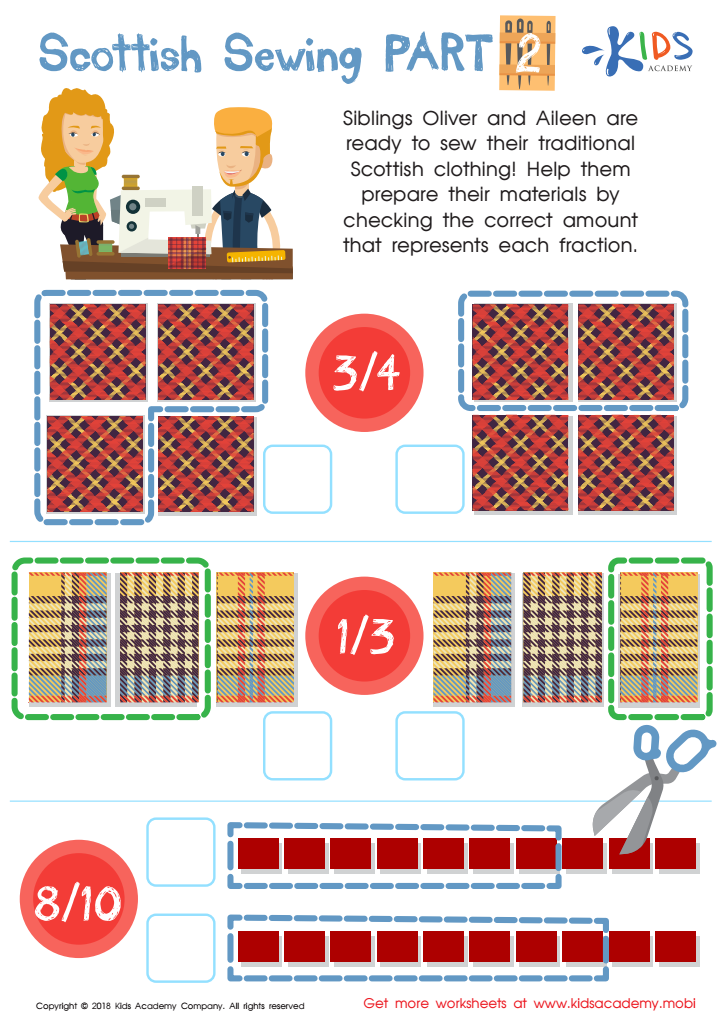
Scottish Sewing Part 2 Worksheet
 Assign to My Students
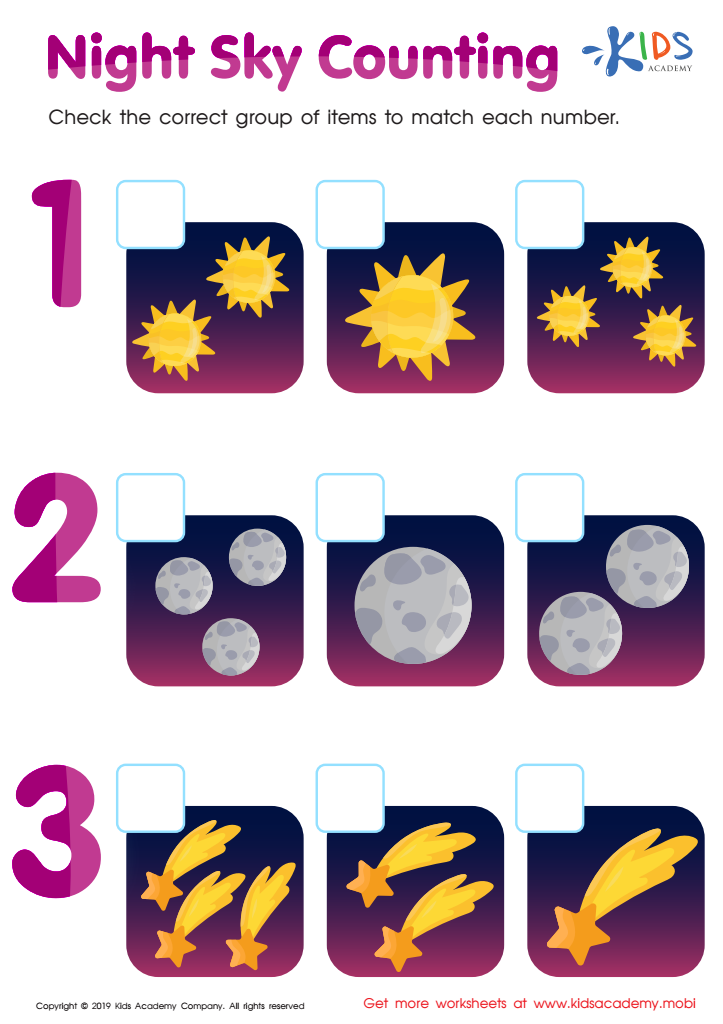
Night Sky Counting Worksheet
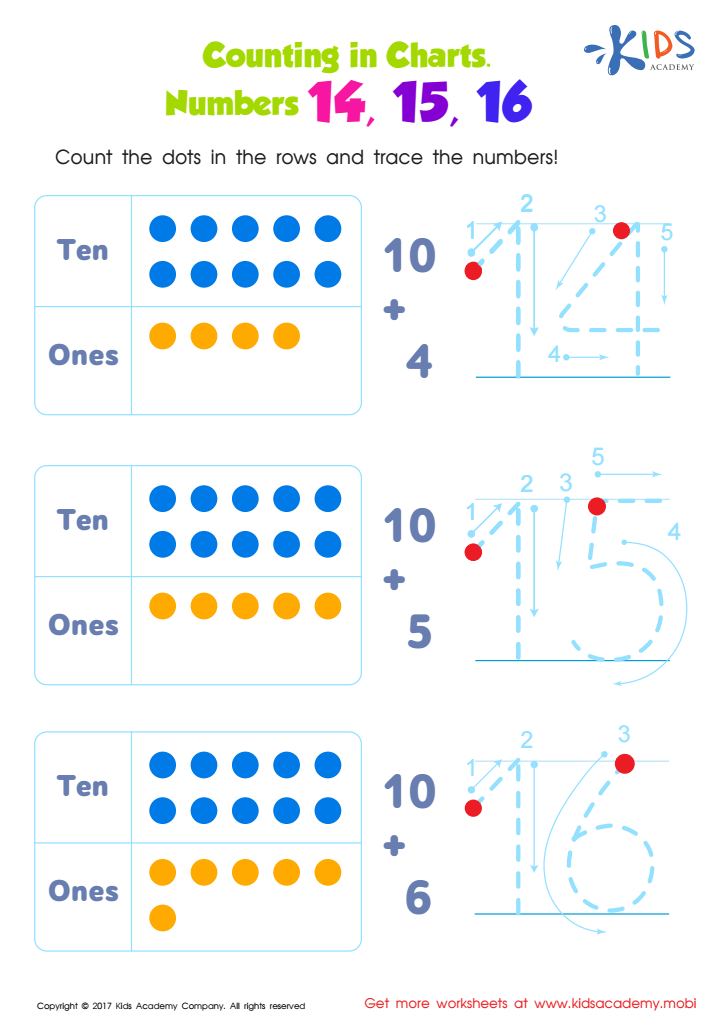
Number Tracing Worksheet








Hand-eye coordination is a critical skill for children aged 5-9 because it underpins many essential activities in their daily life and development. This skill involves the ability of the eyes to guide the hands in tasks that require both visual perception and physical movement, making it fundamental for learning and playing effectively.
For parents and teachers, placing emphasis on hand-eye coordination is vital because it significantly impacts a child's ability to perform basic tasks. For instance, children need it to write legibly, draw, and engage in sports – activities that are fundamental not just academically but also socially. In school, good hand-eye coordination can enhance a child's ability to follow along in class and participate in meaningful ways such as completing puzzles, working with building blocks, or using scissors, which in turn strengthens their cognitive and motor skills.
Furthermore, enhanced hand-eye coordination fosters independence and confidence. As children become proficient in tasks, they develop greater self-reliance and self-esteem. This motor skill development is also linked to positive neural growth, which can improve overall cognitive abilities like problem-solving and comprehension.
Therefore, investing time in activities like playing catch, drawing, or even video games that necessitate coordinated movements can set a solid foundation for more complex skills, making it an essential focus for those guiding children aged 5-9.








