Addition Practice Math Worksheets for Ages 5-9 - Page 8
182 filtered results
-
From - To
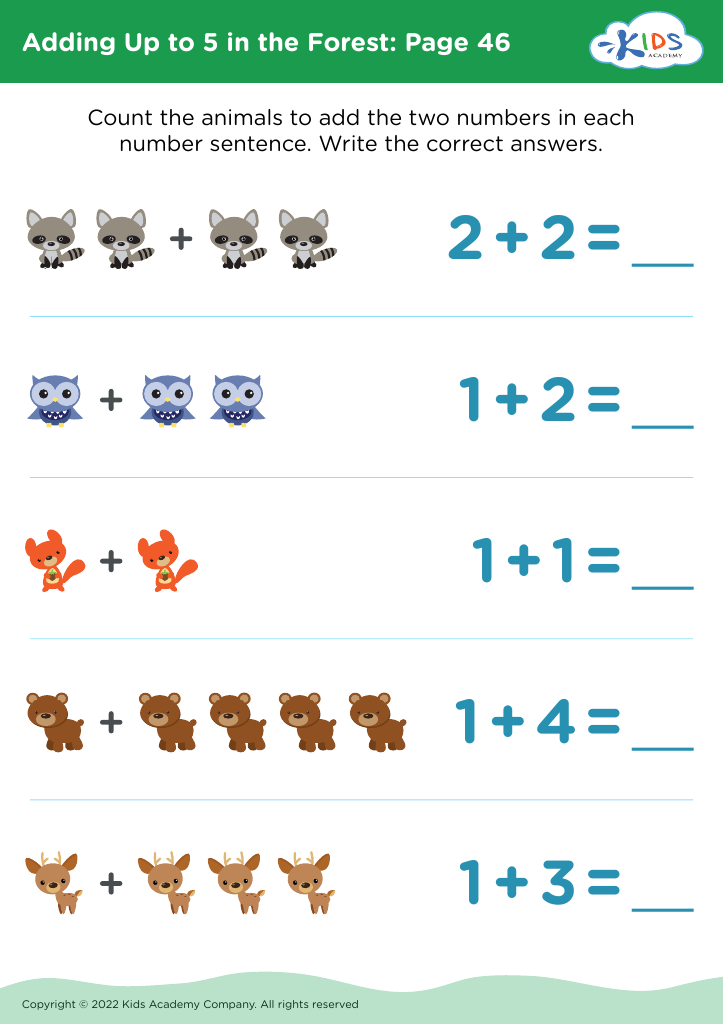
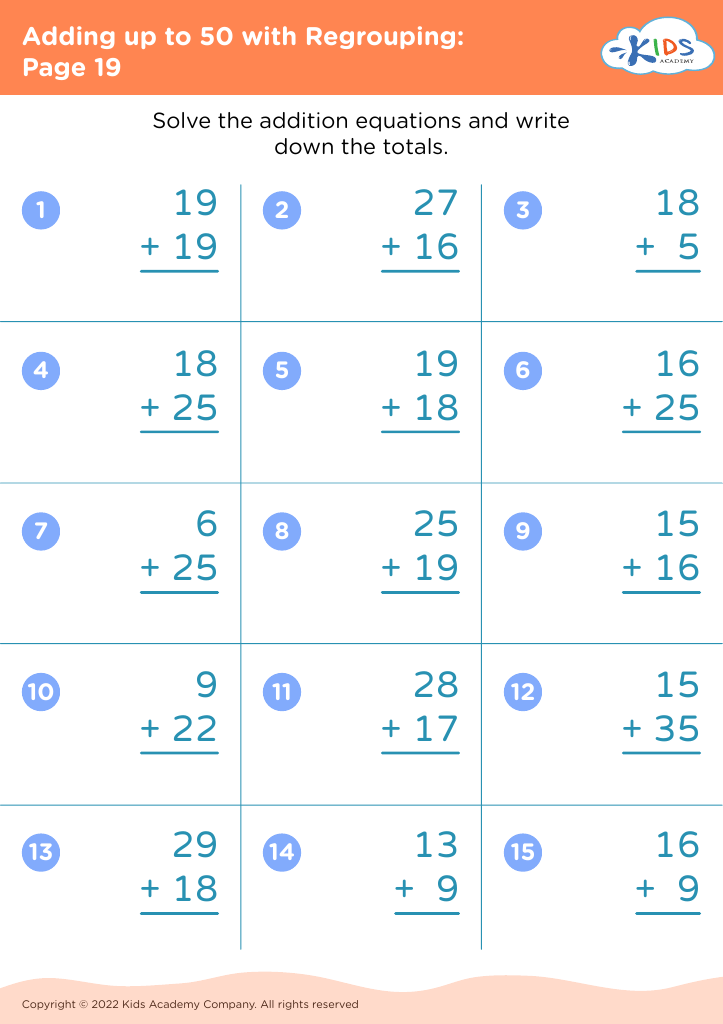
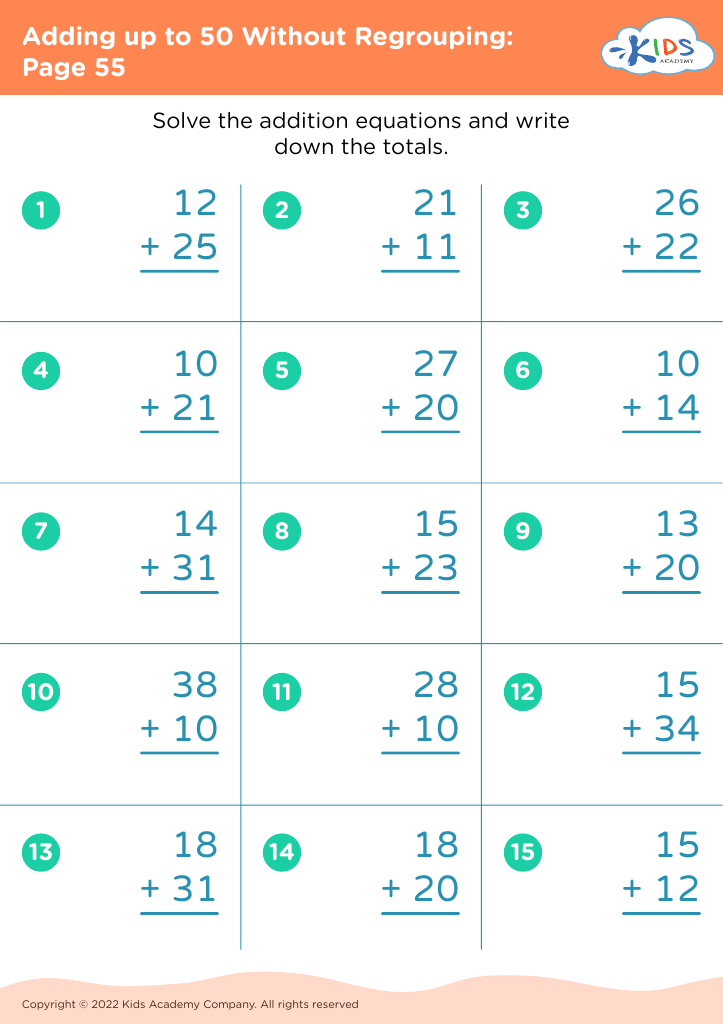
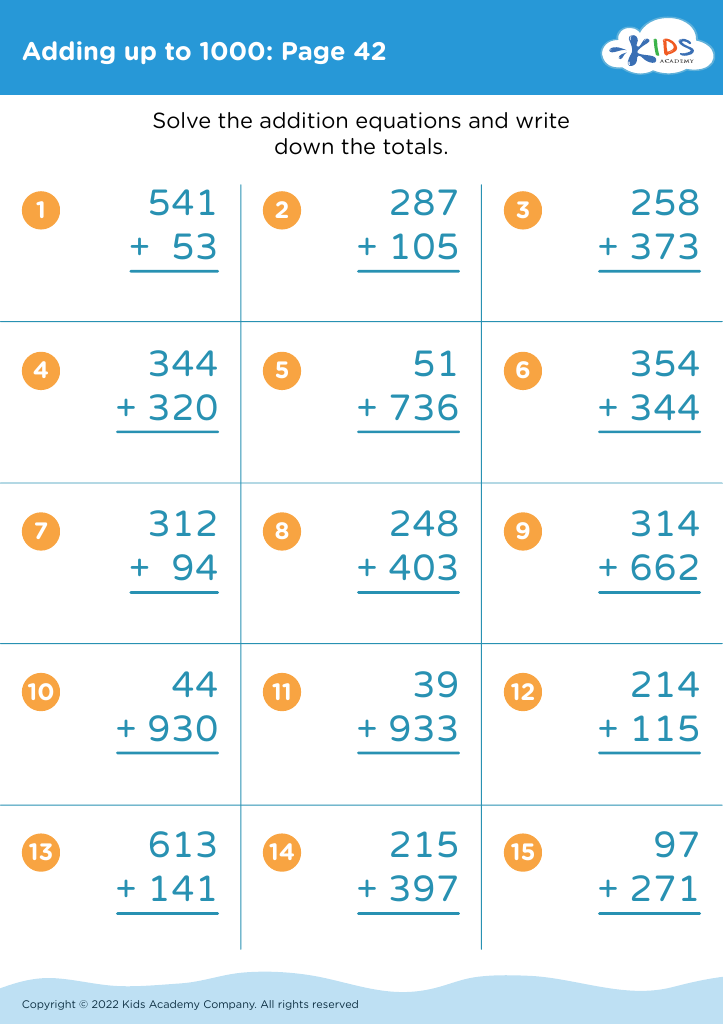
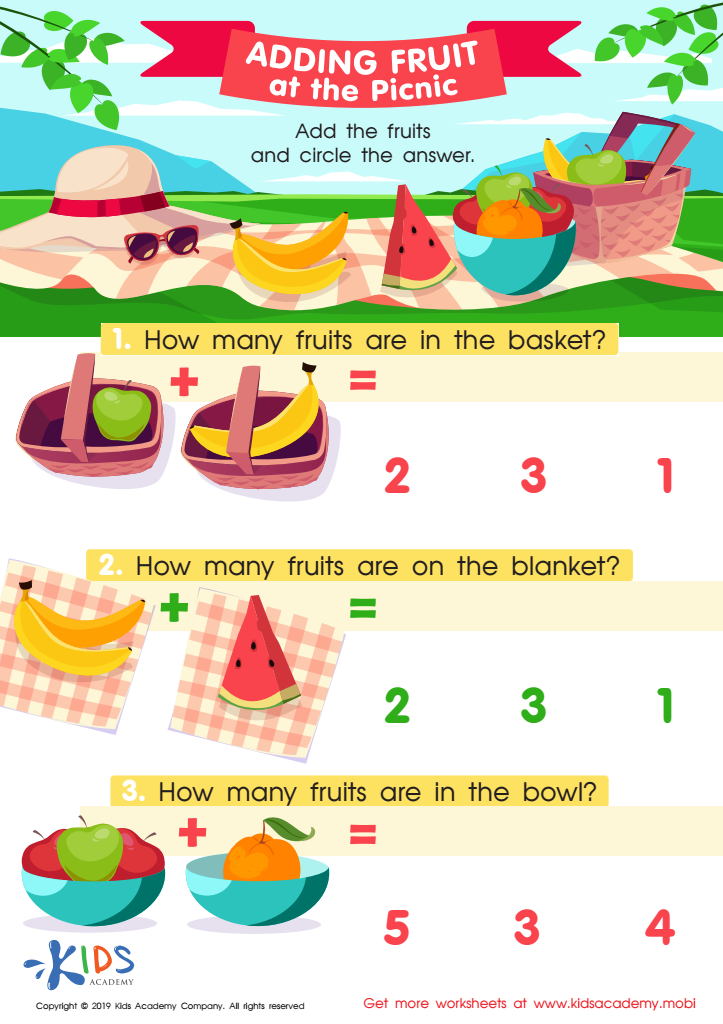
Adding Fruit at the Picnic Worksheet
 Assign to My Students
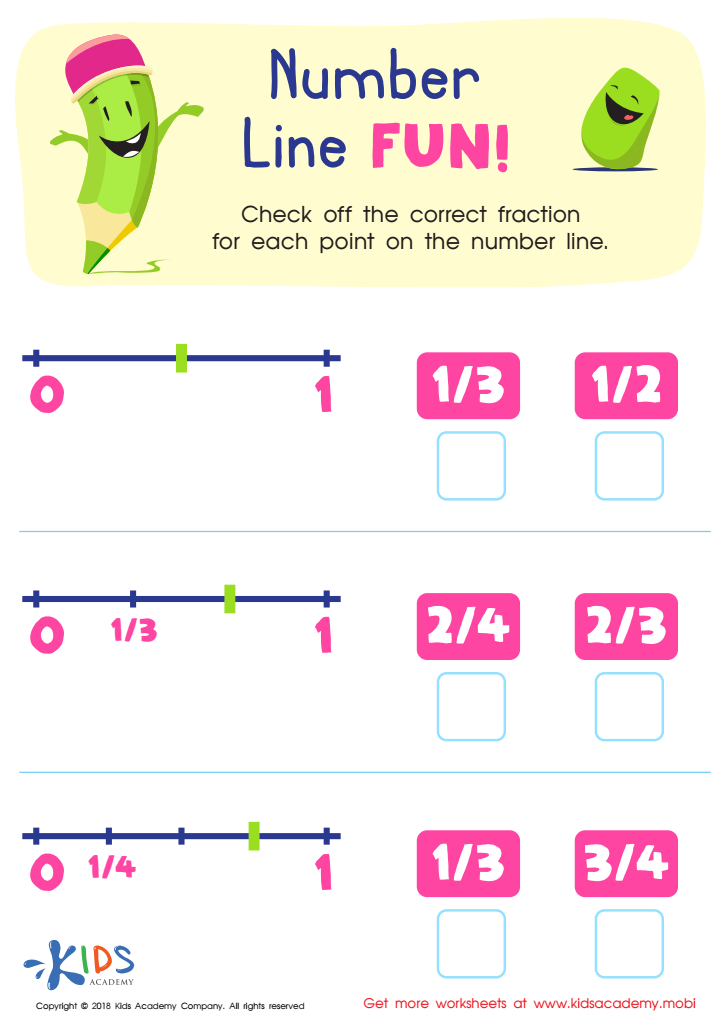
Number Line Fun Worksheet
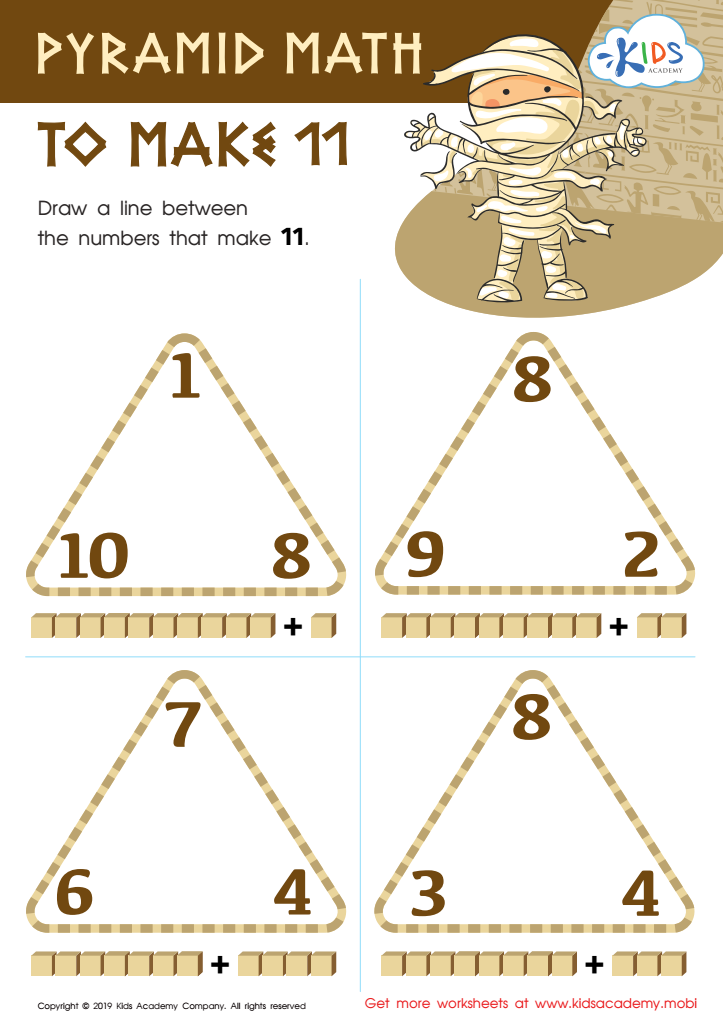
Pyramid Math to Make 11 Worksheet
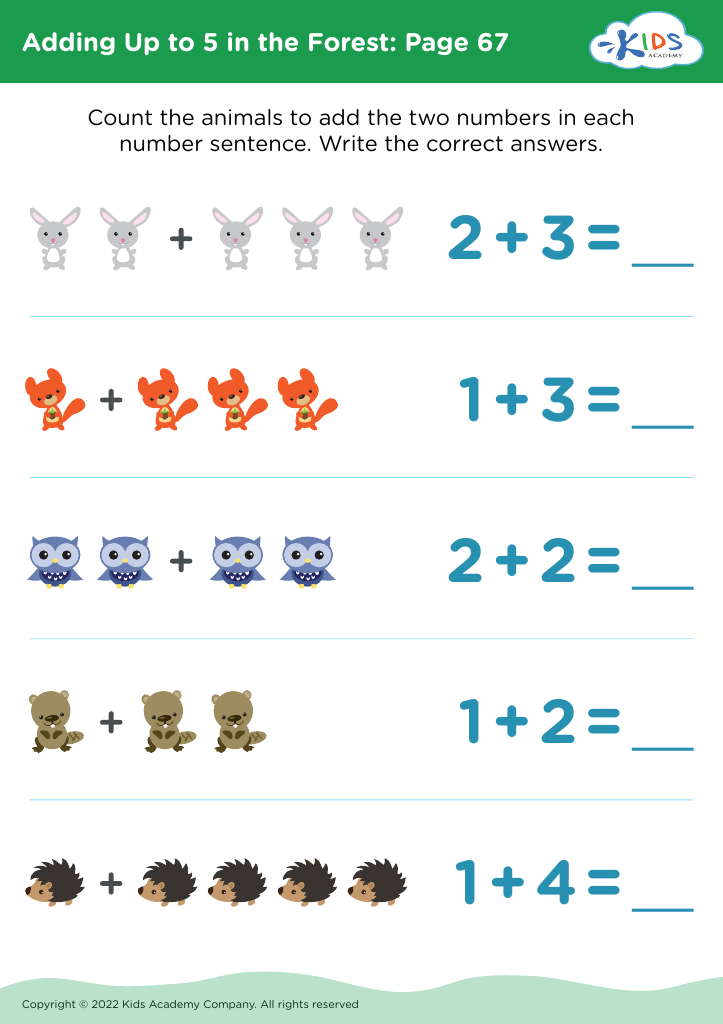
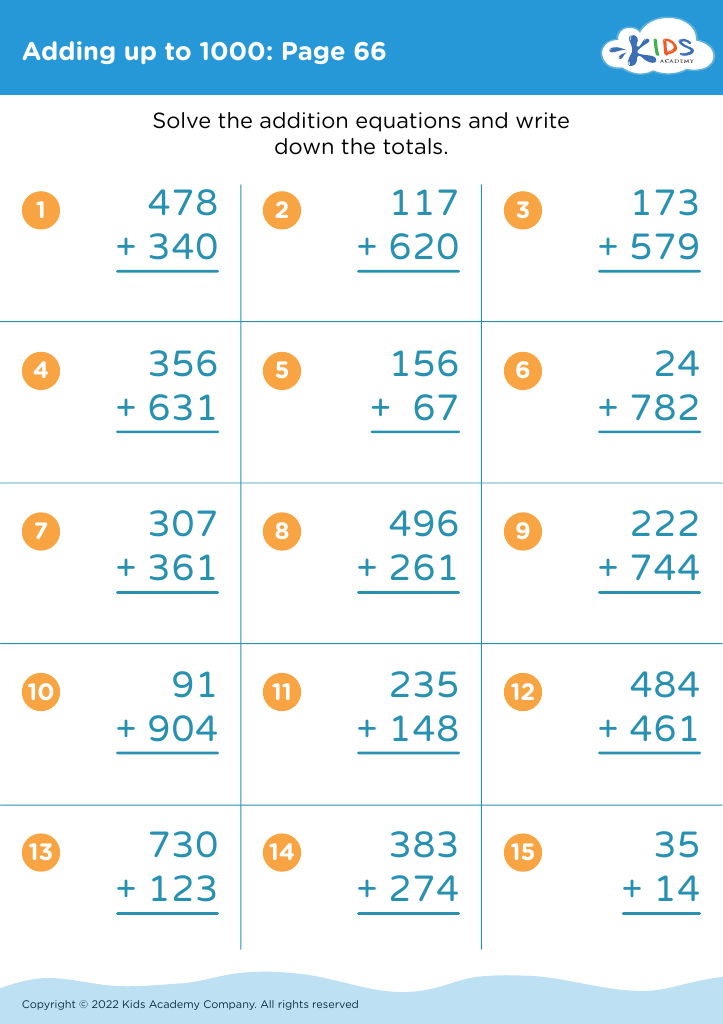
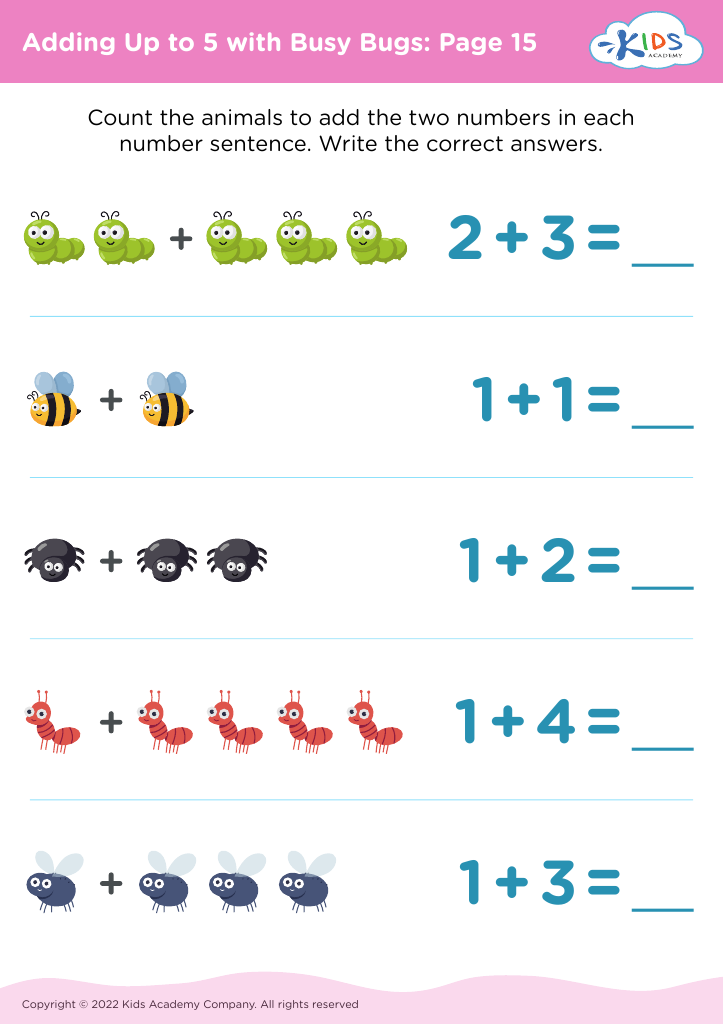
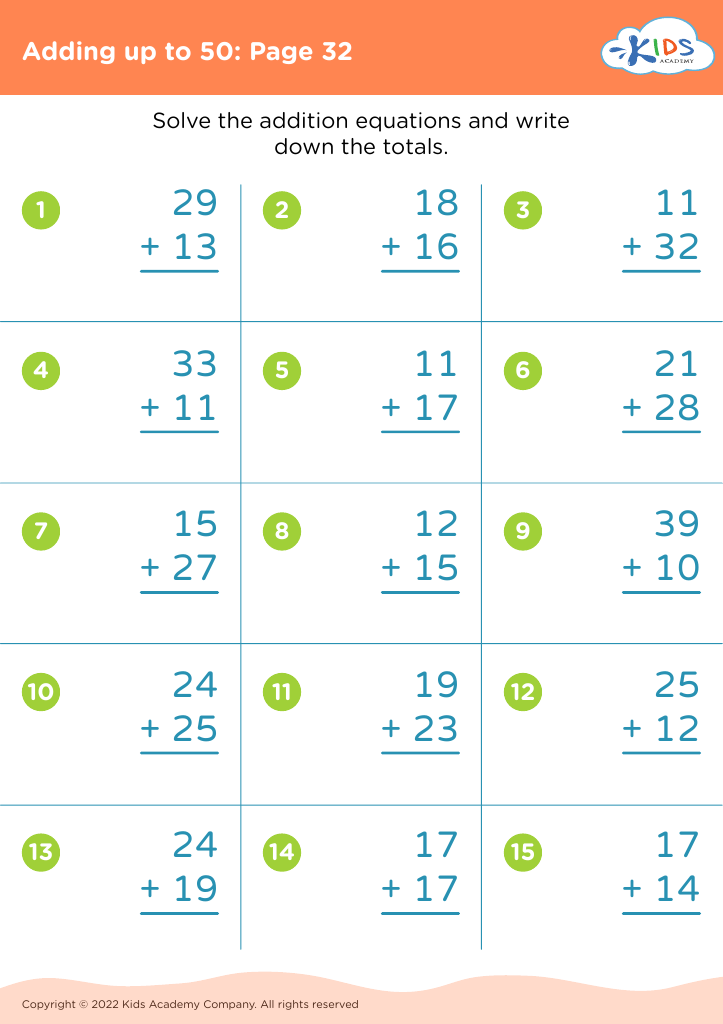








Parents and teachers should prioritize addition practice for children aged 5-9 because foundational math skills are critical for later academic success. At this age, children are in a crucial developmental stage where they begin to grasp the concepts of numeracy and problem-solving. Regularly practicing addition helps solidify these basic skills and boosts confidence.
Moreover, addition is often the first introduction to mathematics, and mastering it sets the tone for more complex skills in later grades, such as subtraction, multiplication, and division. Engaging in addition practice also enhances cognitive development, promoting critical thinking and logical reasoning skills.
Additionally, when parents and teachers involve themselves in these activities, it fosters a supportive learning environment that encourages children to explore math more freely. Fun and engaging addition exercises can alleviate math anxiety, making math an enjoyable subject rather than a source of stress.
Lastly, strong addition skills contribute to real-life applications, from handling money to measuring ingredients in cooking, further reinforcing the value of math in everyday situations. In essence, caring about addition practice is investing in a child's future learning abilities.








