Associative learning Math Worksheets for Ages 5-9
5 filtered results
-
From - To
Experience fun and effective math practice with our Associative Learning Math Worksheets for ages 5-9. Designed to boost children's understanding through hands-on activities, these worksheets cover essential math skills such as addition, subtraction, multiplication, and division. By encouraging students to explore relationships between numbers, our resources help foster critical thinking and problem-solving skills. Perfect for classroom use or at-home learning, these printable worksheets feature engaging exercises that captivate young minds and make math enjoyable. Help your child build a strong mathematical foundation with interactive, age-appropriate materials from Kids Academy. Transform math learning into an exciting adventure today!
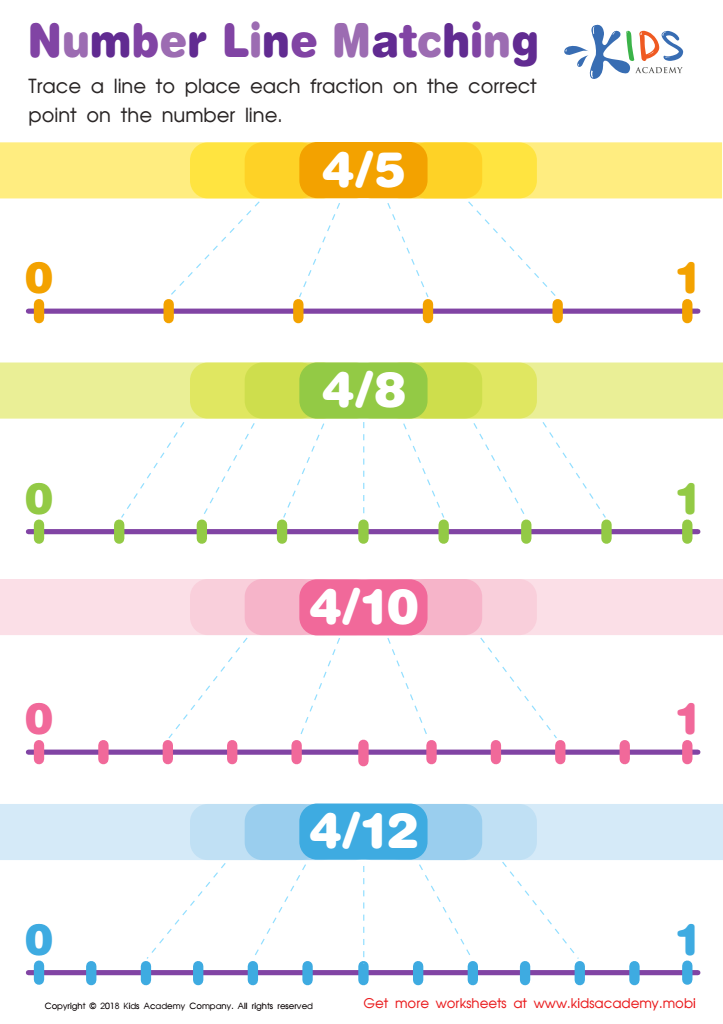
Number Line Matching Worksheet
 Assign to My Students
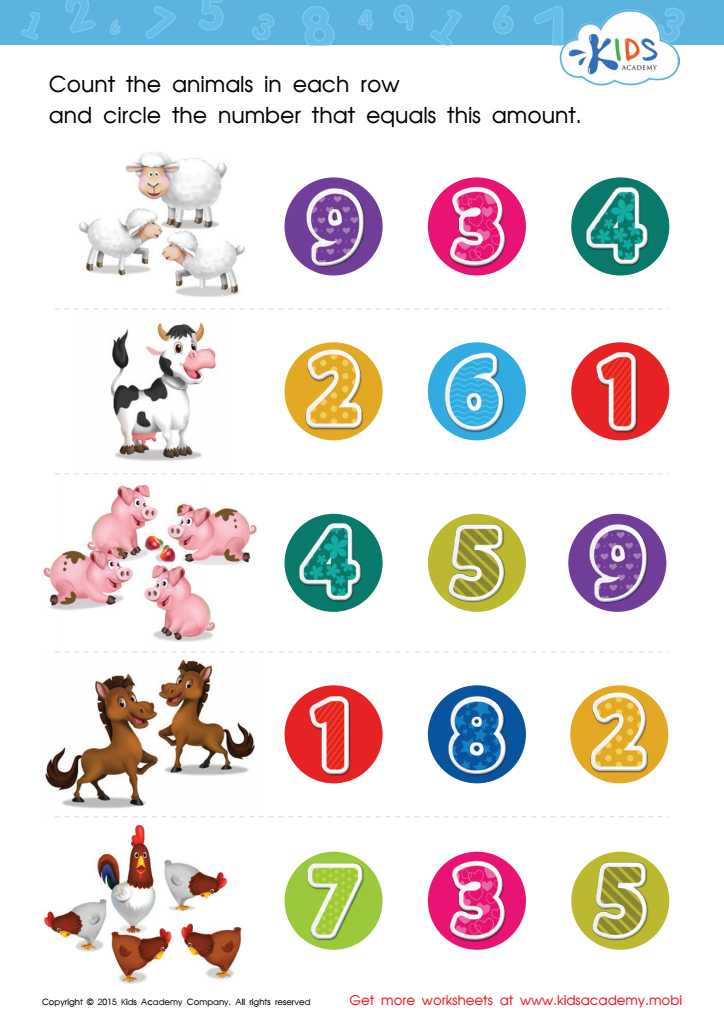
Count and Match 1 – 5 Math Worksheet
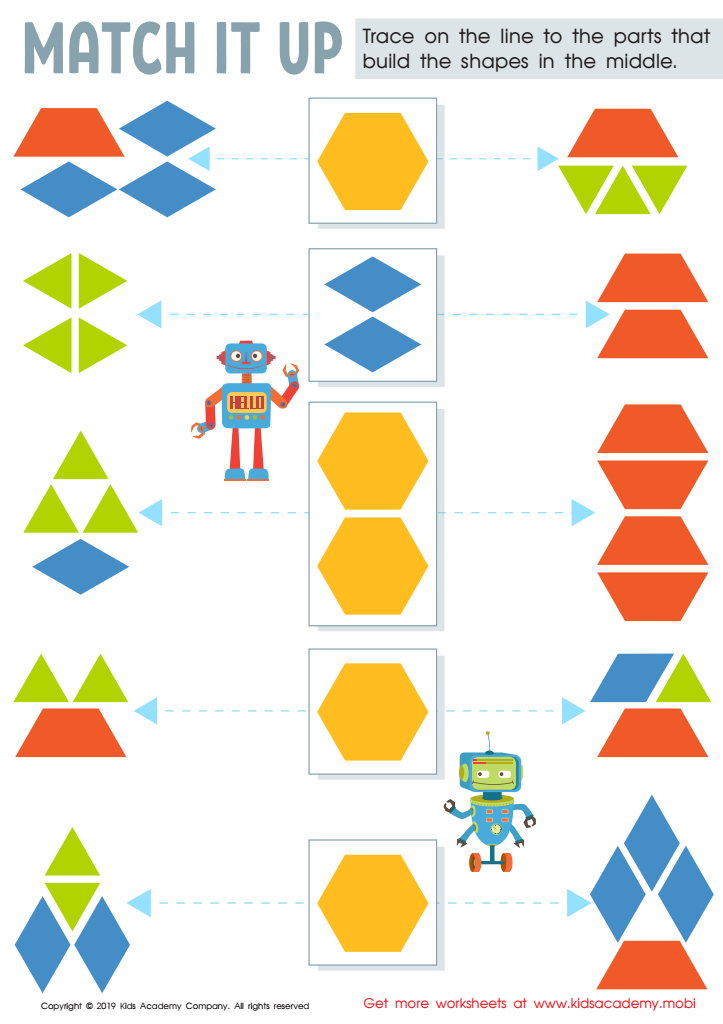
Match It up Worksheet
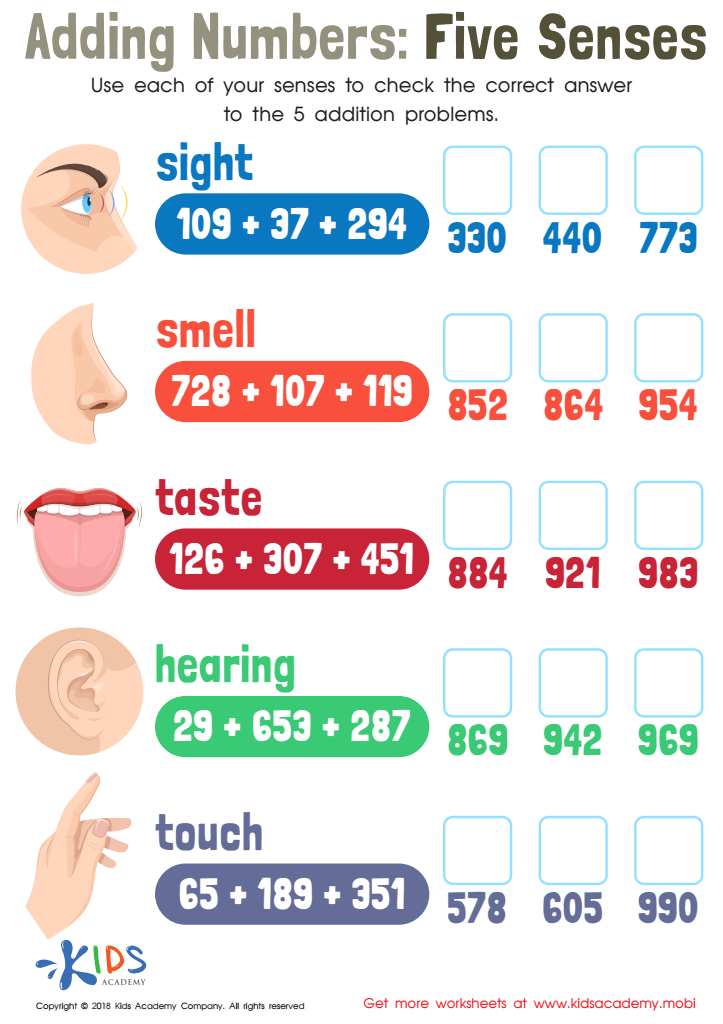
Adding Numbers: Five Senses Worksheet
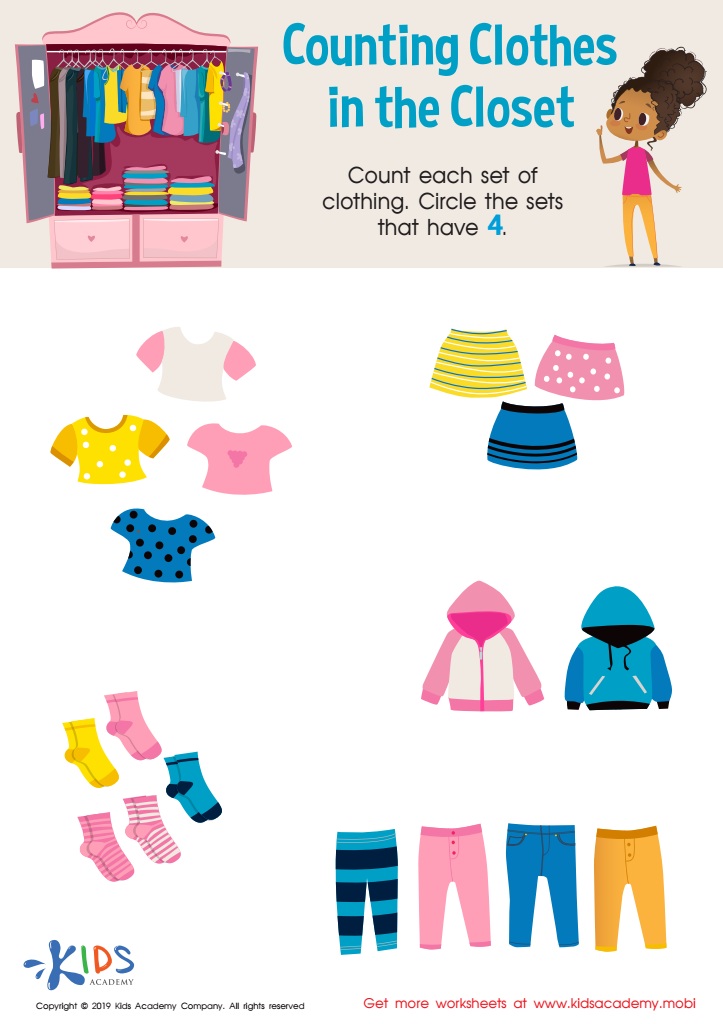
Counting Clothes Worksheet








Associative learning in math for children aged 5-9 plays a crucial role in fostering their cognitive and academic development. Associative learning involves recognizing patterns and connections between different mathematical concepts, which enhances a child's ability to solve problems more efficiently. This foundational skill not only makes math enjoyable and engaging but also builds a child's confidence and interest in the subject.
Children at this age are naturally curious and able to absorb new information readily. By integrating associative learning, parents and teachers can help them make meaningful connections between numbers, patterns, shapes, and basic operations like addition and subtraction. These skills are vital as they serve as building blocks for more complex mathematical concepts that will be introduced in later grades.
Moreover, associative learning has broader cognitive benefits. It improves memory retention, critical thinking, and logical reasoning, all of which are essential skills both in and out of the classroom. It encourages a more flexible and adaptive mindset that can grasp and apply new information quickly.
When parents and teachers actively support associative learning, they are not just teaching math; they are investing in a child’s overall cognitive development and preparing them for future academic success in various subjects. Therefore, embracing associative learning in early math education is a wise and impactful approach for fostering well-rounded intellectual growth.








