Basic math learning Math Worksheets for Ages 5-9
3 filtered results
-
From - To
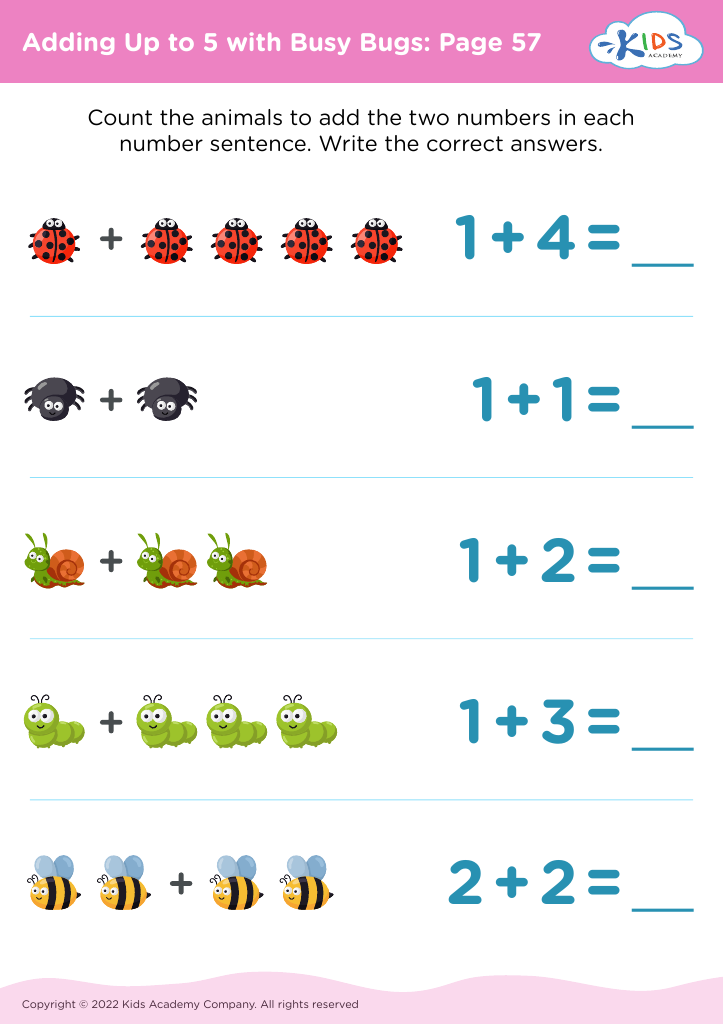
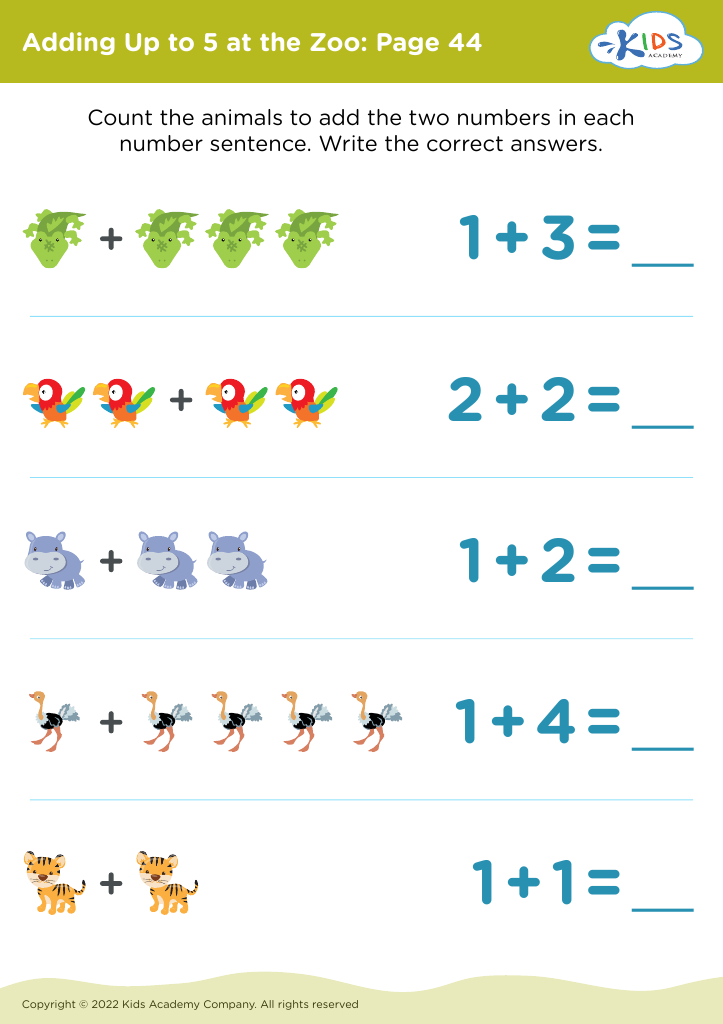
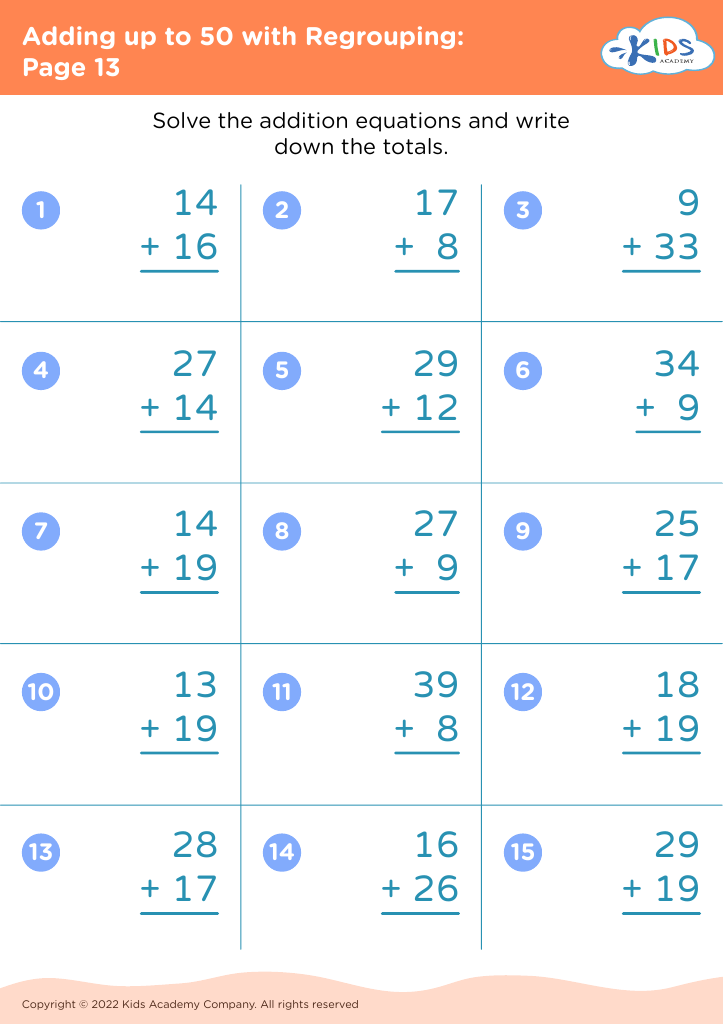
Discover a wide array of basic math worksheets designed specifically for children aged 5-9 at Kids Academy. Our engaging and interactive worksheets cover essential math skills, including addition, subtraction, counting, and number recognition. Create a solid foundation in math with fun activities that reinforce learning through colorful visuals and relatable examples. Perfect for both classroom and home use, these worksheets are tailored to meet the developmental needs of young learners. Guiding children through core math concepts, our resources encourage practice and build confidence. Dive into our easy-to-use worksheets and watch your child's math skills flourish!




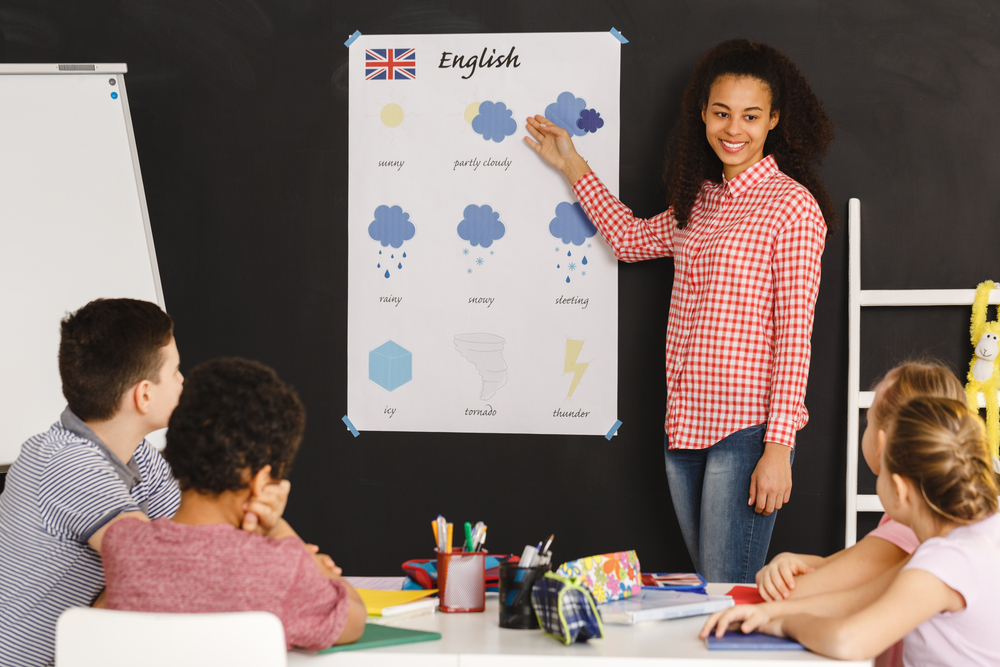


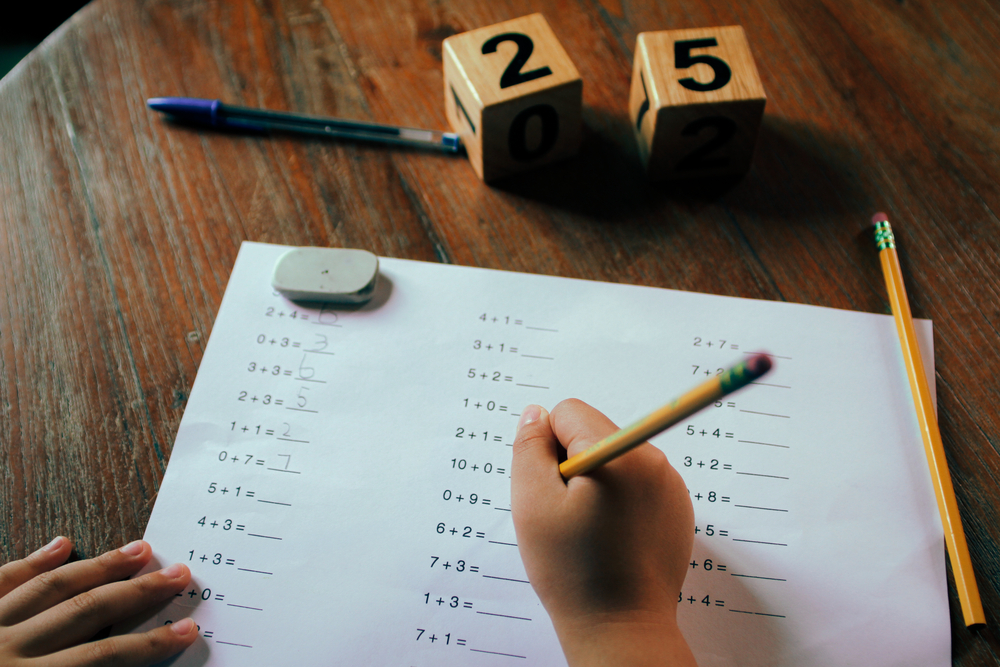
Basic math learning for children aged 5-9 is crucial for several reasons, making it a priority for both parents and teachers. First, this stage is a foundational period where children develop essential cognitive skills. Understanding basic math concepts such as addition, subtraction, and number recognition sets the groundwork for more complex mathematical ideas in later years.
Moreover, math helps enhance problem-solving skills and logical thinking, which are important not just in school, but throughout life. Engaging with math at an early age encourages children to think critically and develop persistence when facing challenges.
Another key aspect is the role of math in fostering confidence. Mastery of basic math can boost self-esteem and make children more willing to engage in advanced subjects. Additionally, strong early math skills are linked to better performances in later academic achievements, influencing future educational and career prospects.
Finally, math literacy contributes to daily life skills, such as budgeting or understanding time management. By emphasizing math education in this age group, parents and teachers help cultivate a generation equipped with powerful analytical skills that will serve them throughout their lives.








