Basic math practice Math Worksheets for Ages 5-9
8 filtered results
-
From - To
Discover a collection of engaging basic math practice worksheets specially designed for children ages 5-9. Our worksheets focus on foundational math skills such as addition, subtraction, and number recognition, ensuring that young learners build confidence and competence in essential math concepts. With colorful illustrations and age-appropriate exercises, kids will enjoy hours of fun while reinforcing their understanding of numbers. These printable resources are perfect for teachers, parents, and homeschoolers looking to support their child’s learning. Explore our easy-to-use platform and help your child develop the critical math skills they need to succeed both in and out of the classroom!
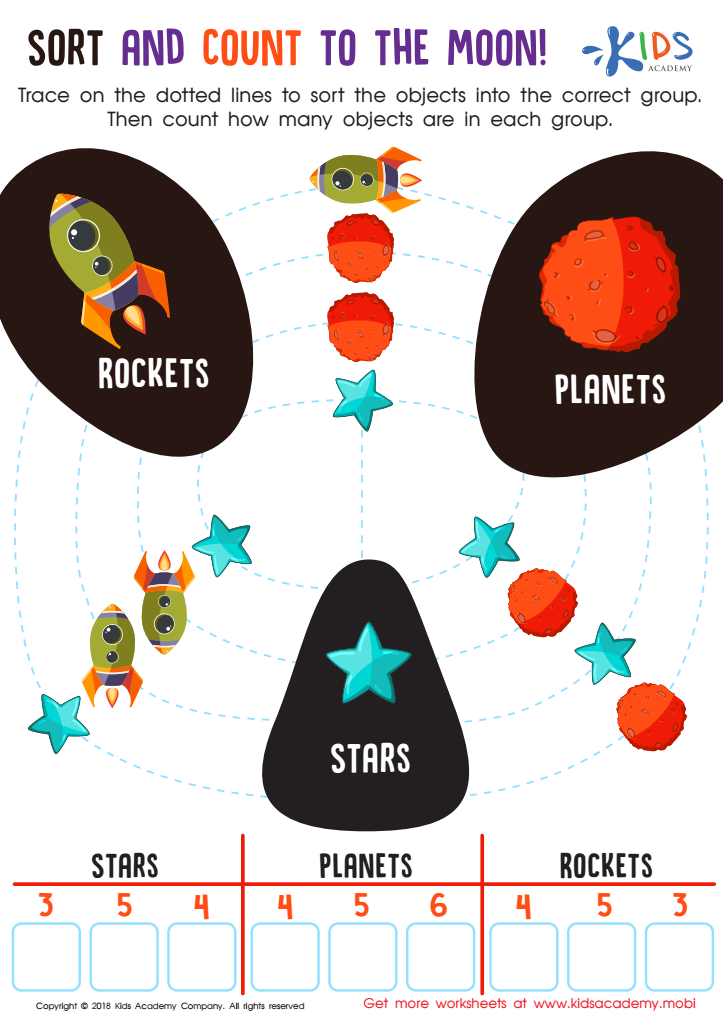
Sort and Count to the Moon Worksheet
 Assign to My Students
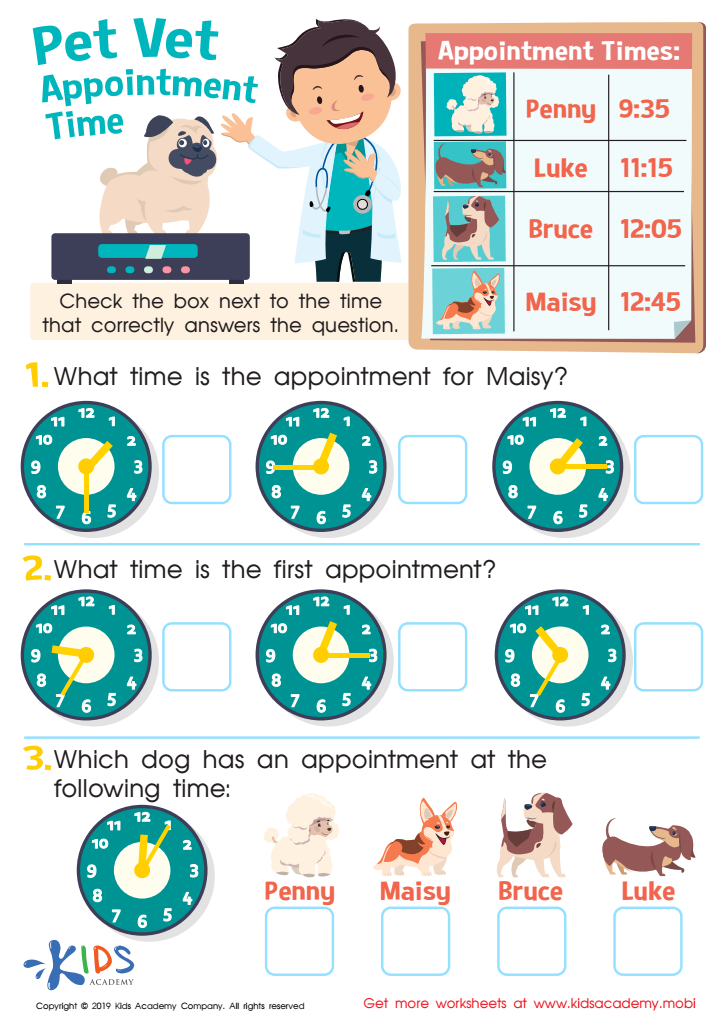
Pet Vet Appointment Time Worksheet
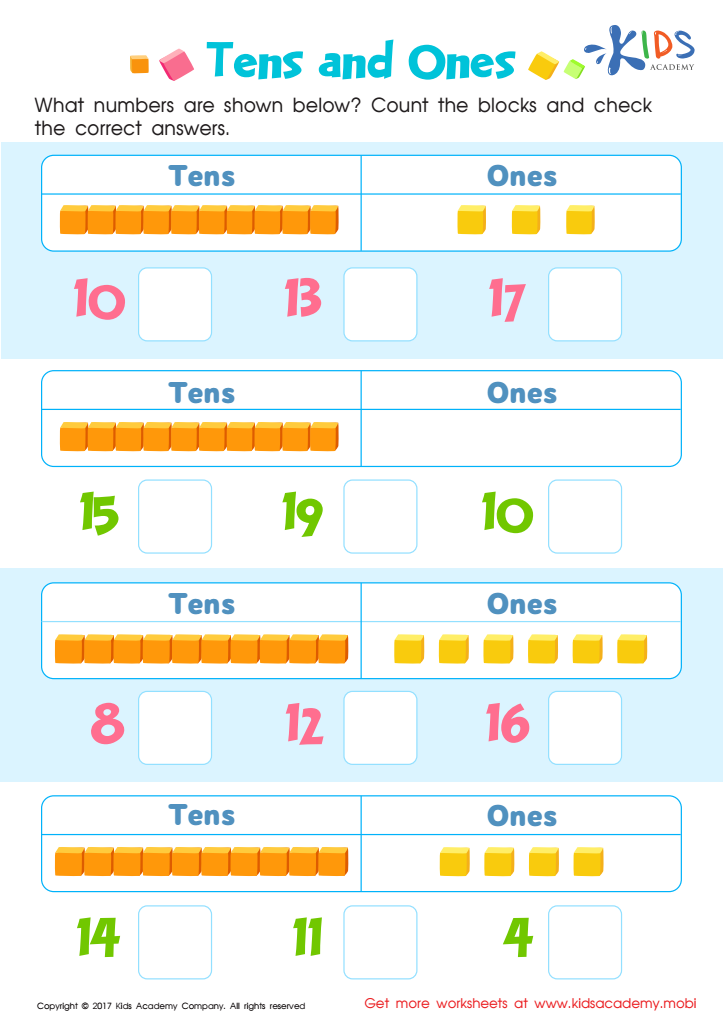
Tens and Ones Worksheet
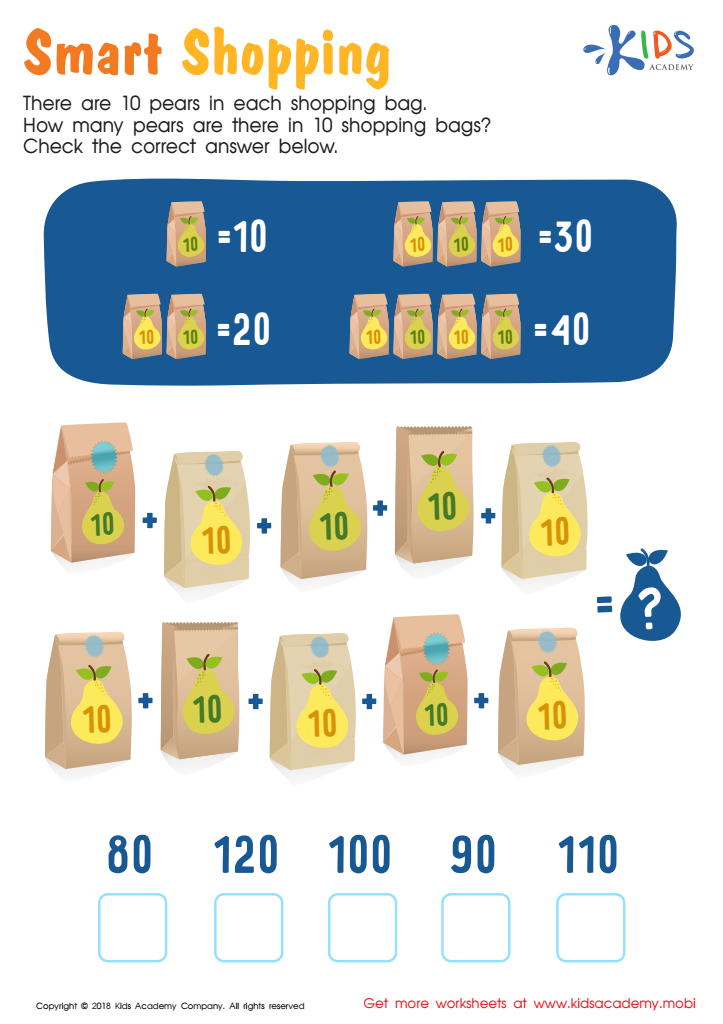
Smart Shopping: Trade Tens for a Hundred Worksheet
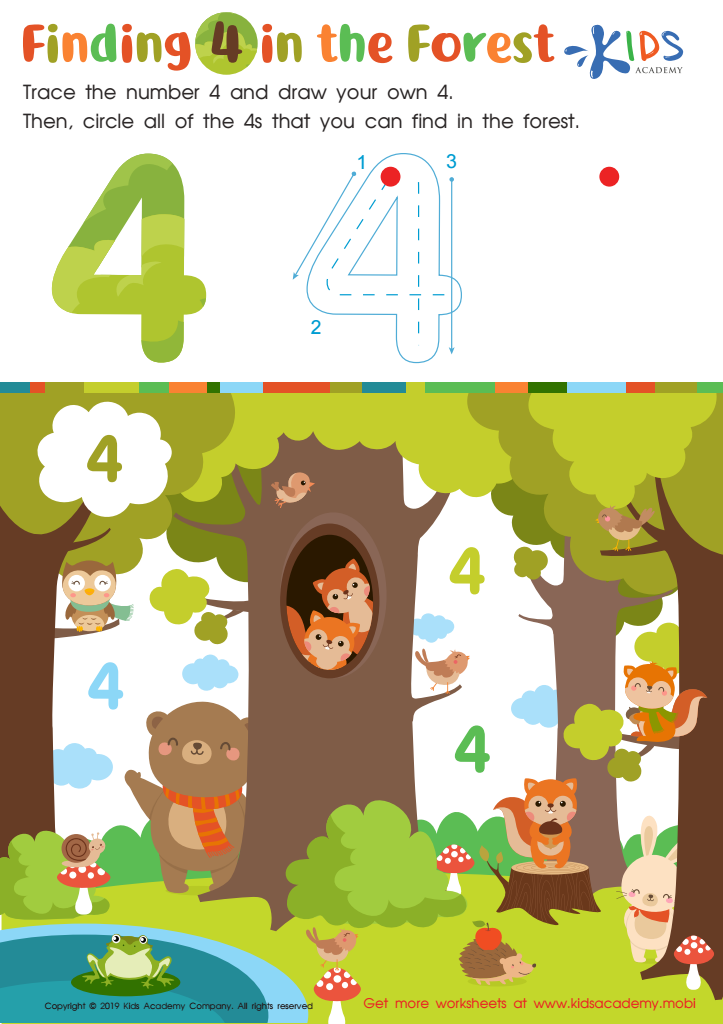
Finding 4 in the Forest Worksheet
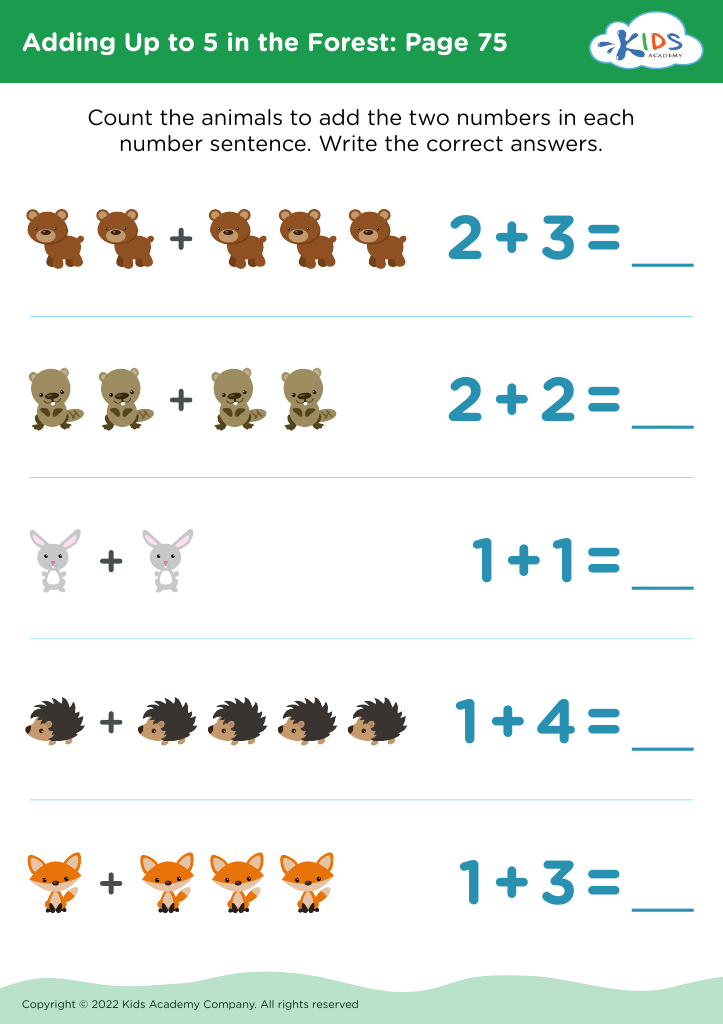
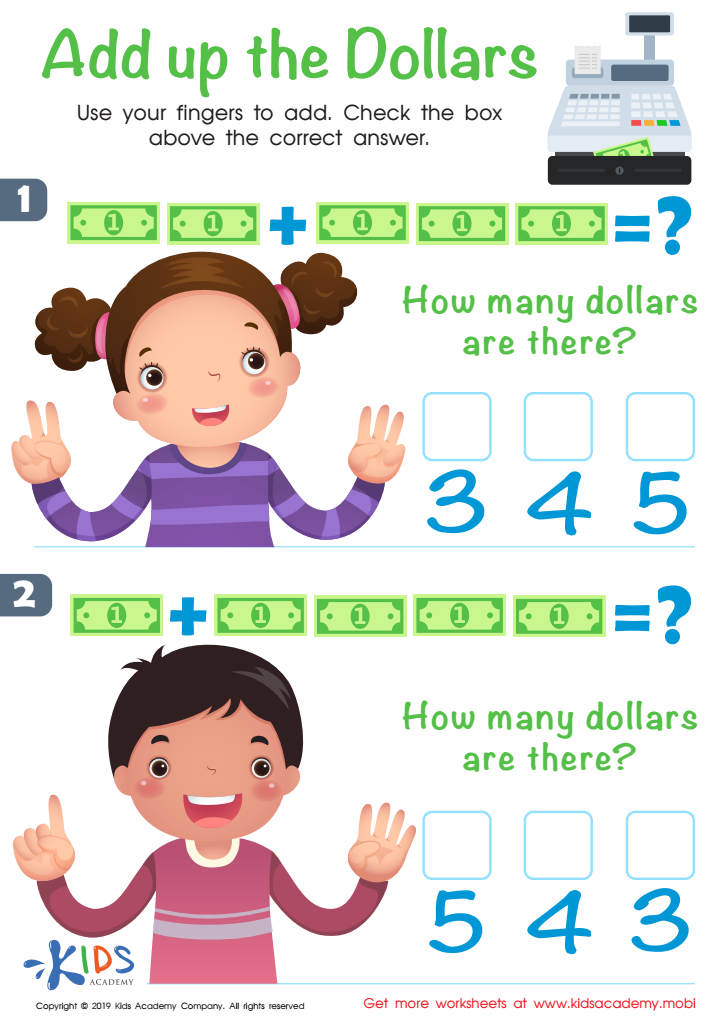
Add up the Dollars Worksheet








Basic math practice for ages 5-9 is critical for developing foundational skills that children will rely on throughout their education and daily lives. During these formative years, children are introduced to essential concepts such as addition, subtraction, basic geometry, and number sense, which are building blocks for more complex mathematics in later grades. Engaging in regular math practice helps to reinforce these concepts, making them more familiar and intuitive.
Furthermore, early math skills contribute significantly to a child's overall cognitive development. Mastery of basic math nurtures critical thinking, enhances problem-solving abilities, and encourages logical reasoning—all vital skills that go beyond the classroom. A strong foundation in math also fosters confidence, as children who practice regularly tend to feel more secure in their abilities and are more likely to participate actively in lessons.
Finally, basic math literacy is essential for real-world application. Understanding mathematical concepts is crucial for everyday situations, from budgeting allowance to telling time. Parents and teachers play a pivotal role in encouraging perseverance and positive attitudes towards math, ensuring that children develop a lifelong appreciation for this essential subject and view mathematical challenges not as obstacles, but as opportunities for growth.








