Basic Math Skills Math Worksheets for Ages 5-9 - Page 8
171 filtered results
-
From - To
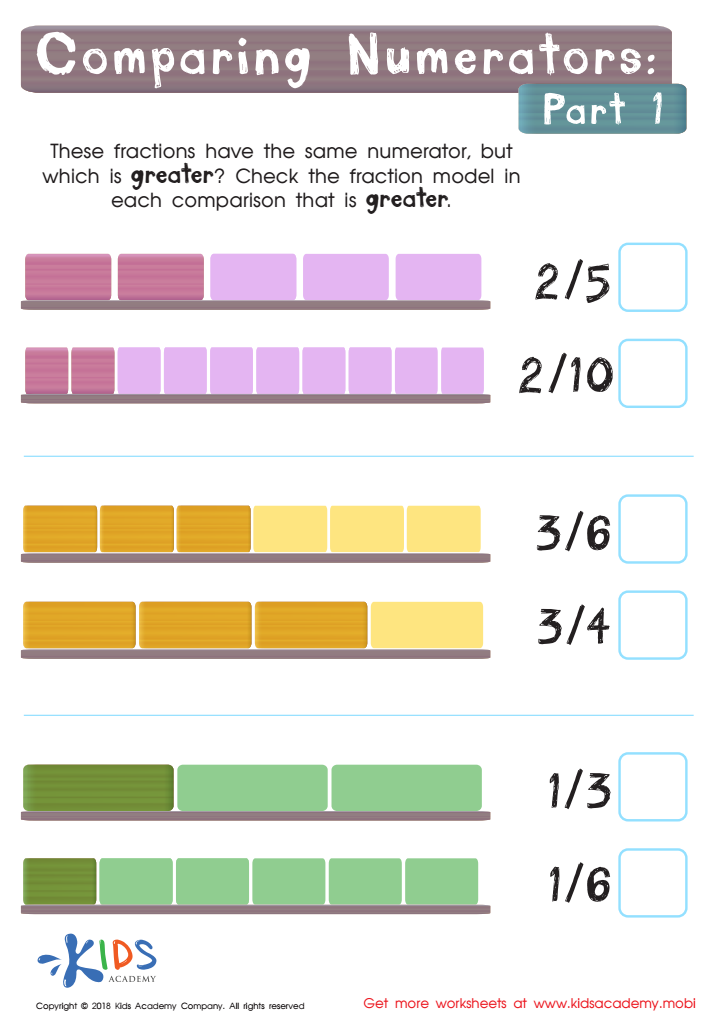
Comparing Numerators Part 1 Worksheet
 Assign to My Students
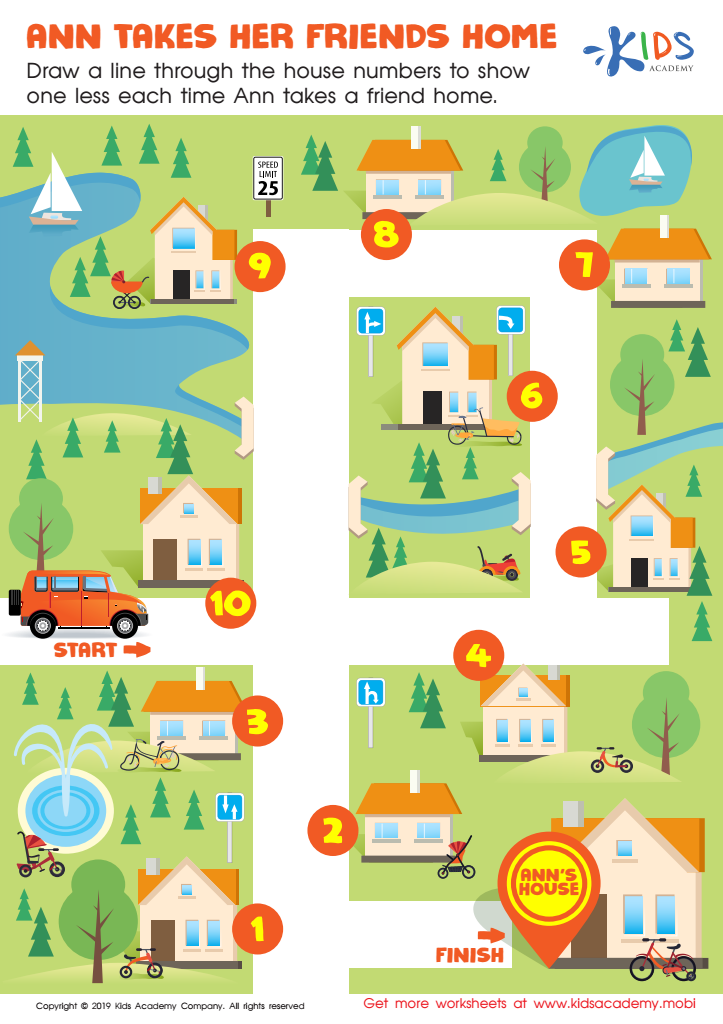
Ann Takes her Friends Home Worksheet
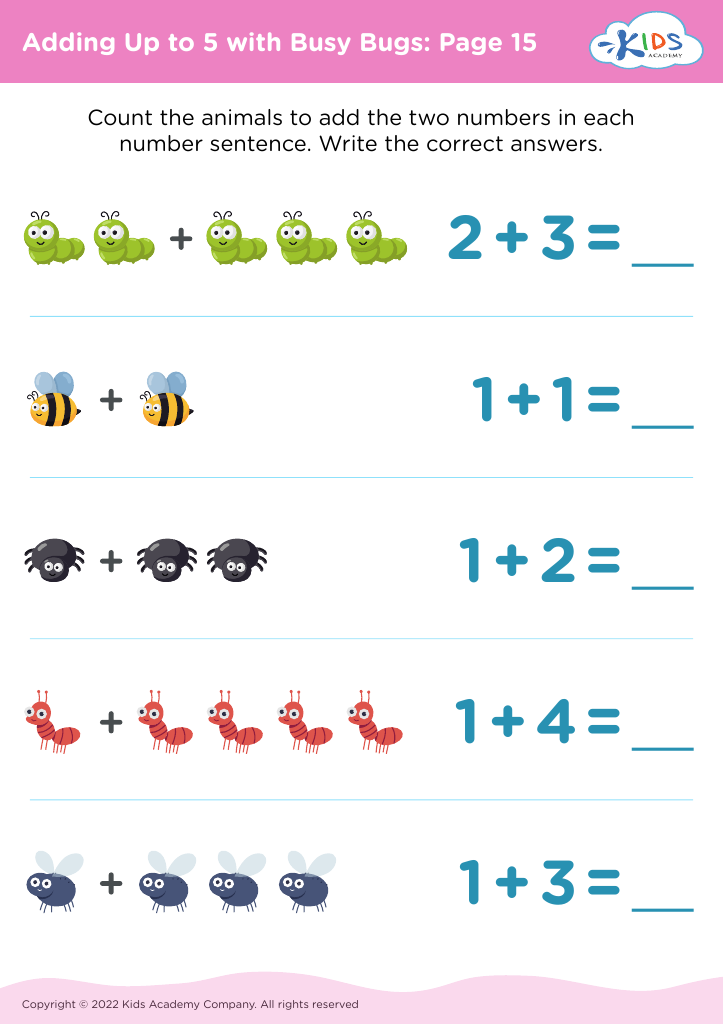




.jpg)



Basic math skills are crucial for children aged 5-9 as they lay the foundation for future academic success and everyday problem-solving. During these early years, children develop cognitive skills that directly impact their numeracy. A strong grasp of basic math concepts such as counting, addition, subtraction, and simple shapes prepares them for more complex math tasks later on.
Understanding these fundamental skills not only aids in their mathematical journey but also enhances critical life skills like logical thinking, decision-making, and pattern recognition. Parents and teachers play a key role in fostering a positive attitude toward math; engaging children through hands-on activities, games, and real-world applications makes learning enjoyable and relevant.
Moreover, early math proficiency is linked to better performance in school and higher confidence levels. Children who struggle with basic math may face challenges in higher grades, leading to frustration and a lack of motivation. Support from parents and teachers can help identify and address these issues early, ensuring children develop the necessary skills for academic readiness and success. In a rapidly changing world, being numerically literate is imperative, helping children navigate everyday situations like budgeting, cooking, or telling time. Thus, investing in early math skills is essential for a child's overall development.








