Comparison Skills Math Worksheets for Ages 5-9
10 filtered results
-
From - To
Enhance your child's math abilities with our Comparison Skills Math Worksheets designed for ages 5-9! These thoughtfully crafted worksheets focus on developing essential comparative reasoning skills. Through engaging activities, young learners will confidently compare numbers, quantities, lengths, and weights. Our vibrant, interactive worksheets ensure learning is fun and effective, helping children grasp critical concepts with ease. Ideal for both classroom and home use, they offer a strong foundation for future math success. Help your child excel in math by building their comparison skills today! Download and print our worksheets to make learning an enjoyable and rewarding experience.
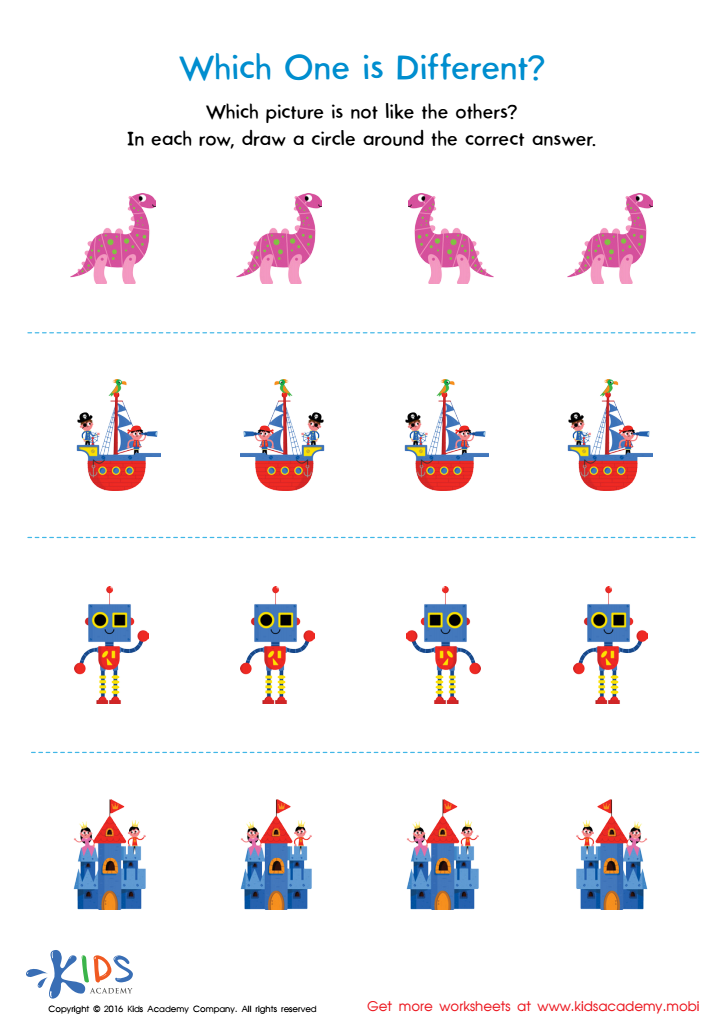
Which One Is Different Worksheet
 Assign to My Students
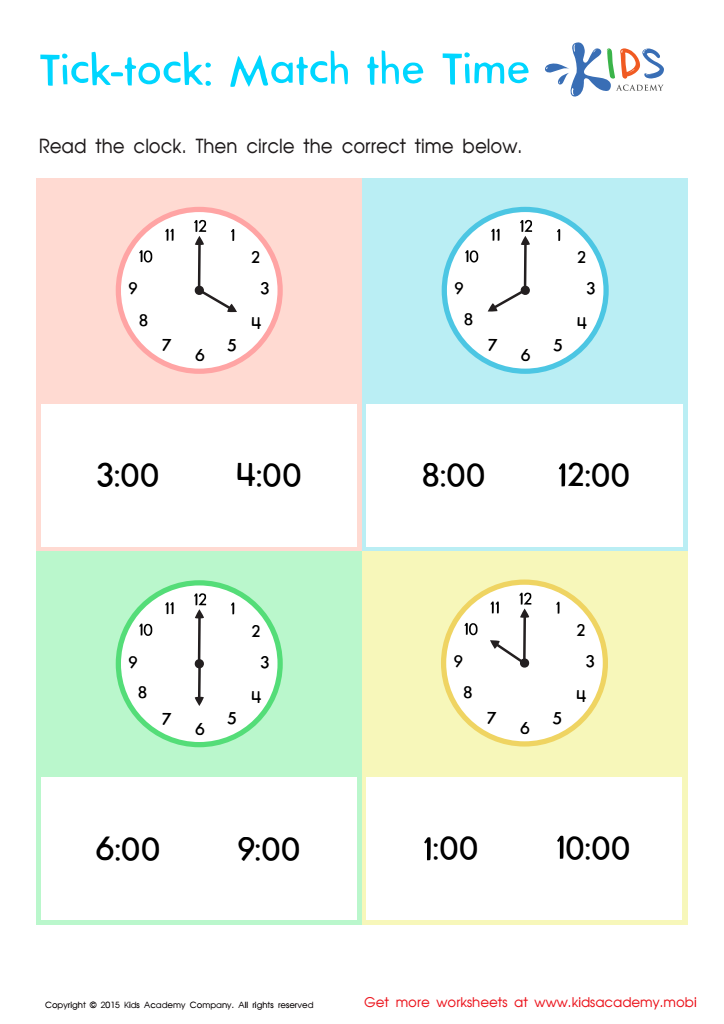
Telling The Time Worksheet: Part 4
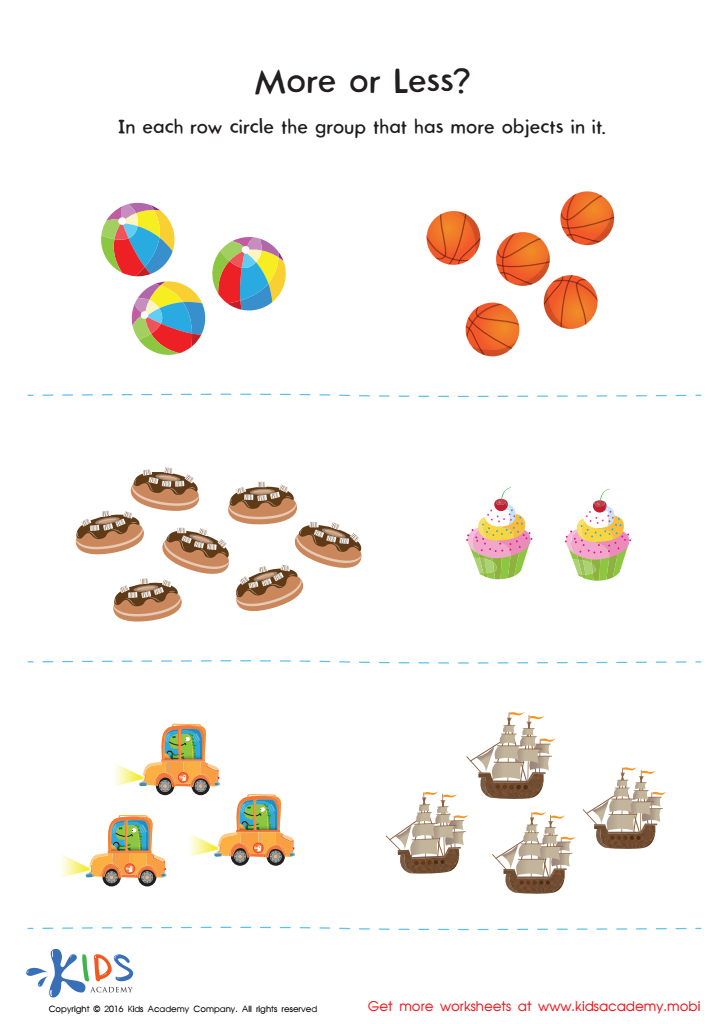
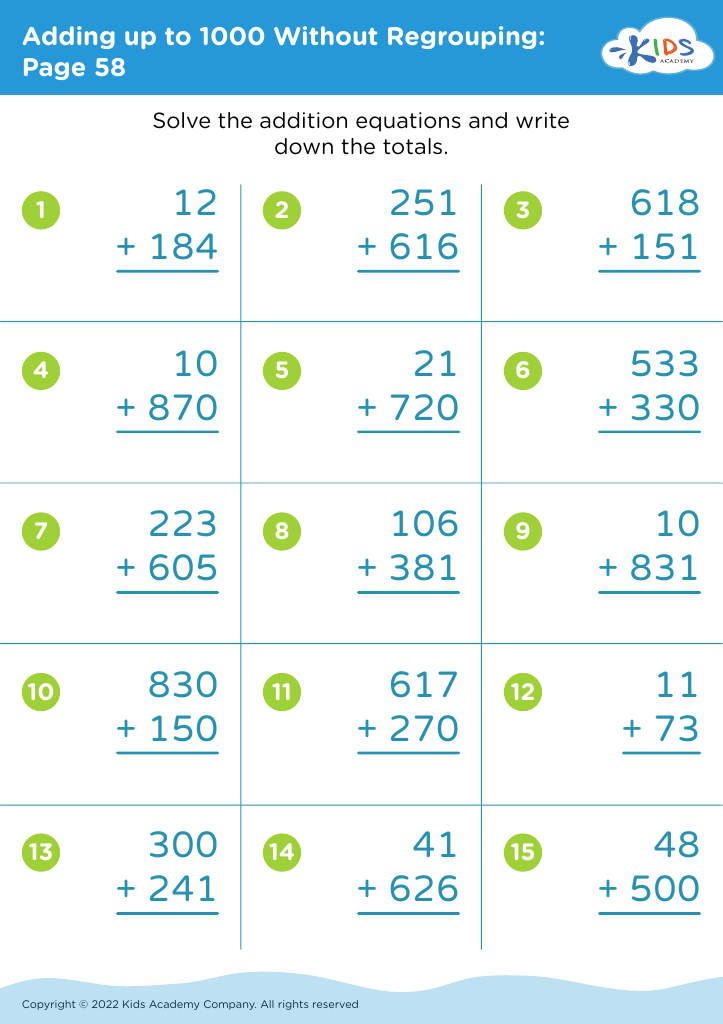
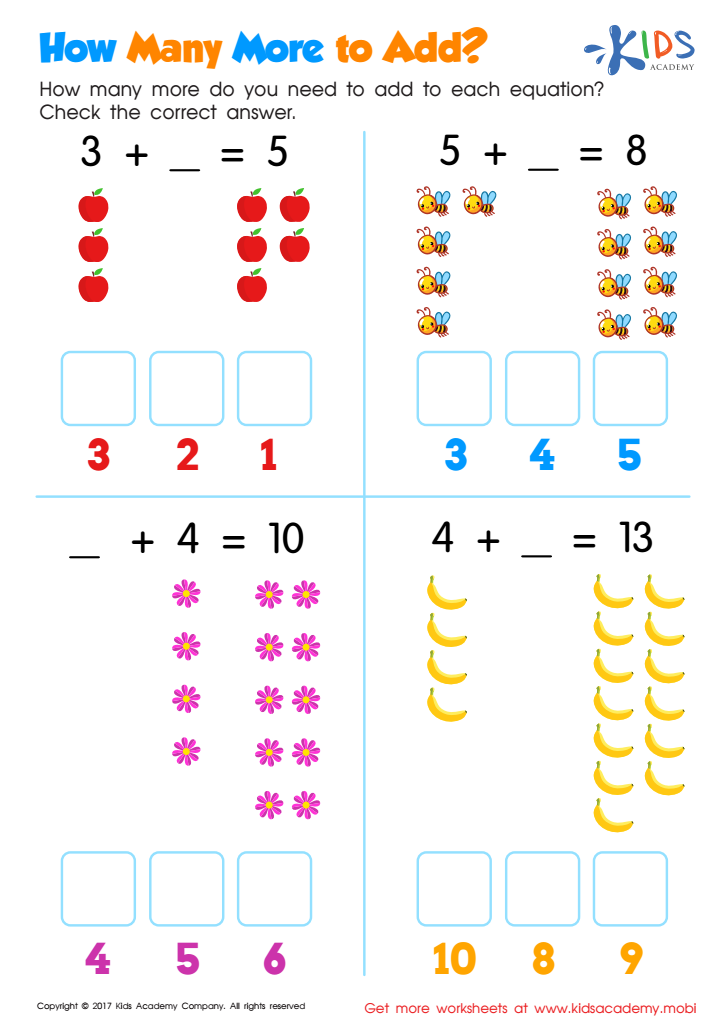
How Many More to Add Worksheet
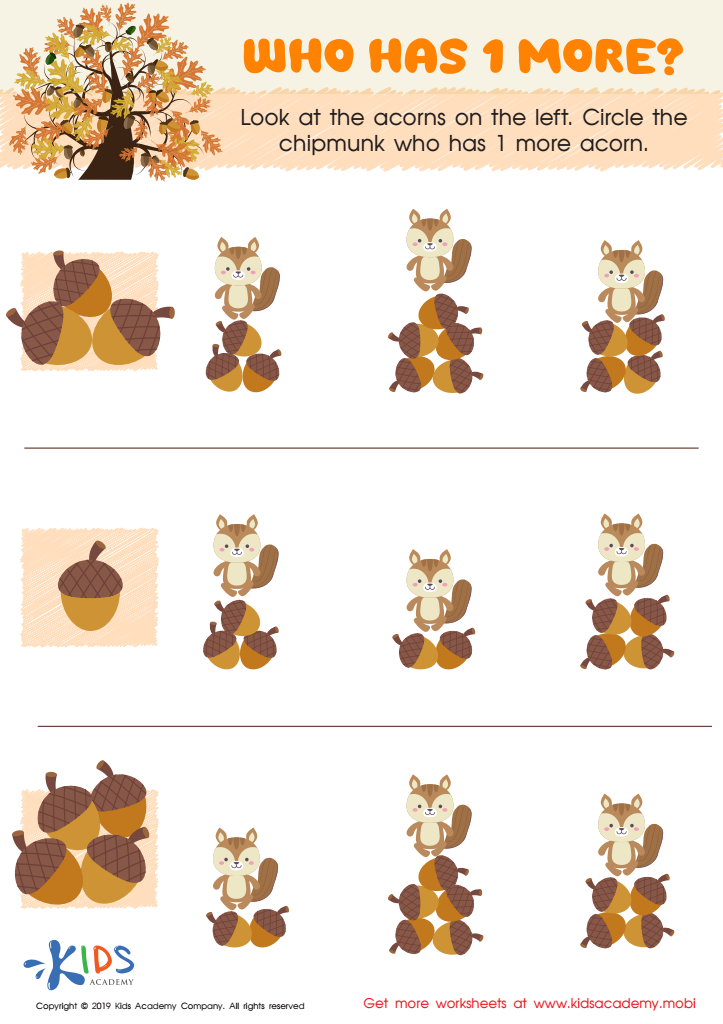
Who Has 1 More? Worksheet
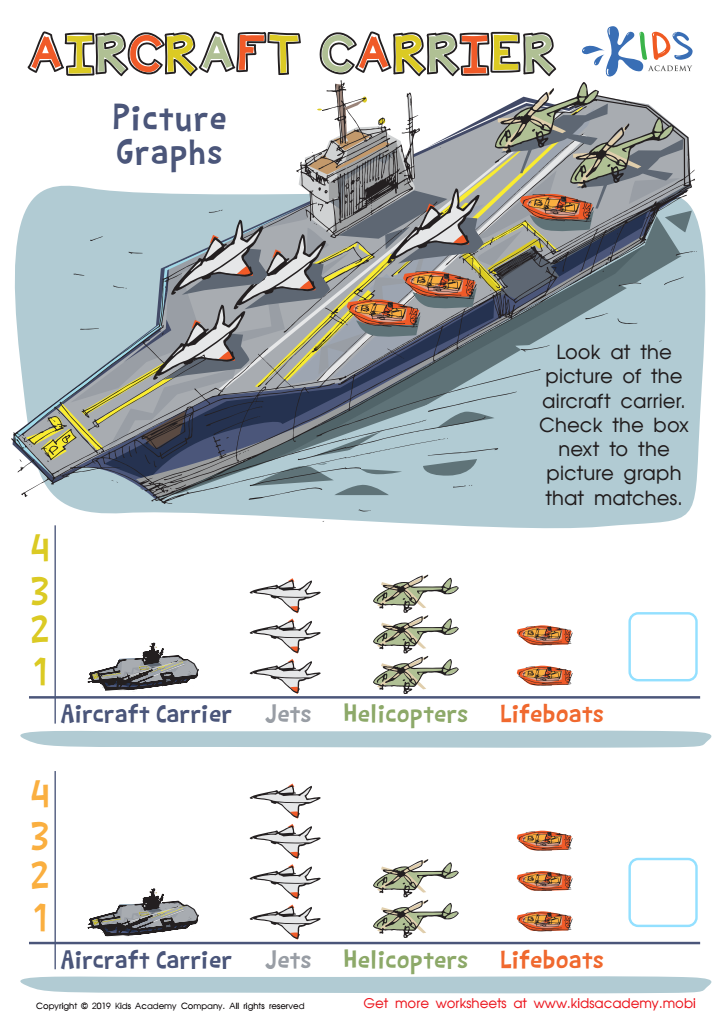
Aircraft Carrier Picture Graphs Worksheet
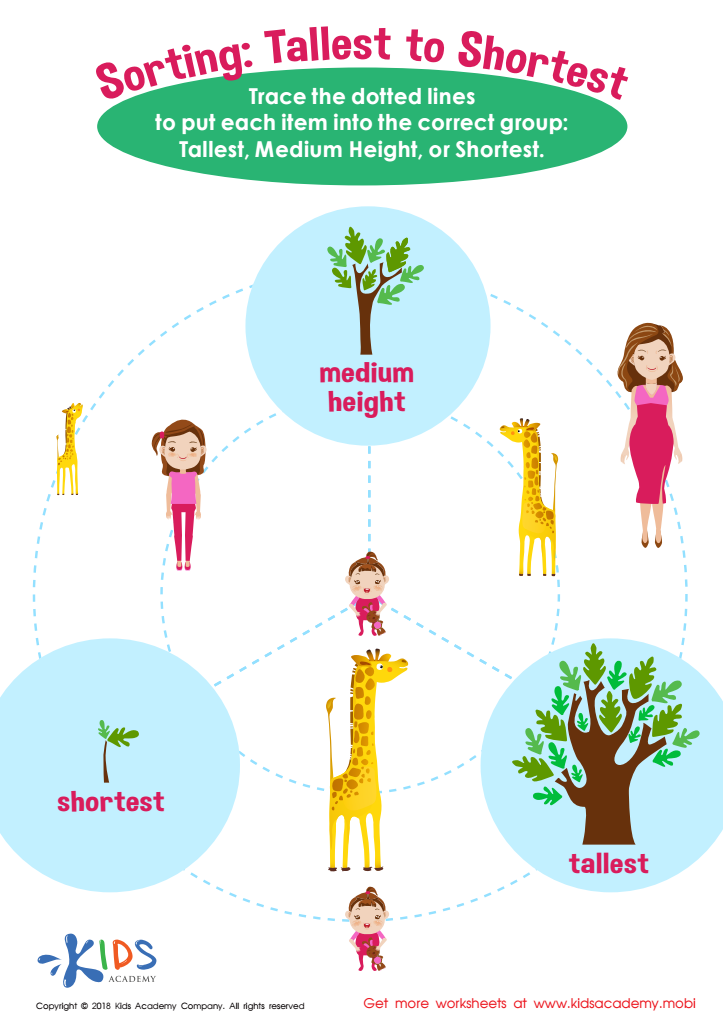
Sorting: Tallest to Shortest Worksheet







Comparison skills in math are fundamental for children aged 5-9 as they form the basis for understanding more complex mathematical concepts later. Parents and teachers should focus on these skills because they help children develop critical thinking and problem-solving abilities. At this age, kids are learning to identify relationships between different quantities through activities like comparing lengths, weights, and numerical values.
Learning to compare helps children understand concepts such as greater than, less than, equal to, and the difference between quantities. This foundation aids in grasping arithmetic operations like addition, subtraction, multiplication, and division in later grades. When children practice comparison skills, they are also learning sequencing and ordinal numbers, which are crucial for tackling problems in a logical and efficient manner.
Moreover, comparing numbers and objects can enhance a child's ability to make decisions and reason logically. Skills like these are not just essential academically but are life skills that enable better decision-making and resource management in everyday situations.
Engaging kids in games and activities that stimulate comparison skills makes math enjoyable and also builds a growth mindset. Early emphasis on comparison skills fosters a strong mathematical foundation, ensuring a smoother transition into more advanced topics in mathematics and other disciplines. So, these skills are not just about numbers; they are about fostering well-rounded, critical-thinking individuals.








