Counting accuracy Math Worksheets for Ages 5-9
3 filtered results
-
From - To
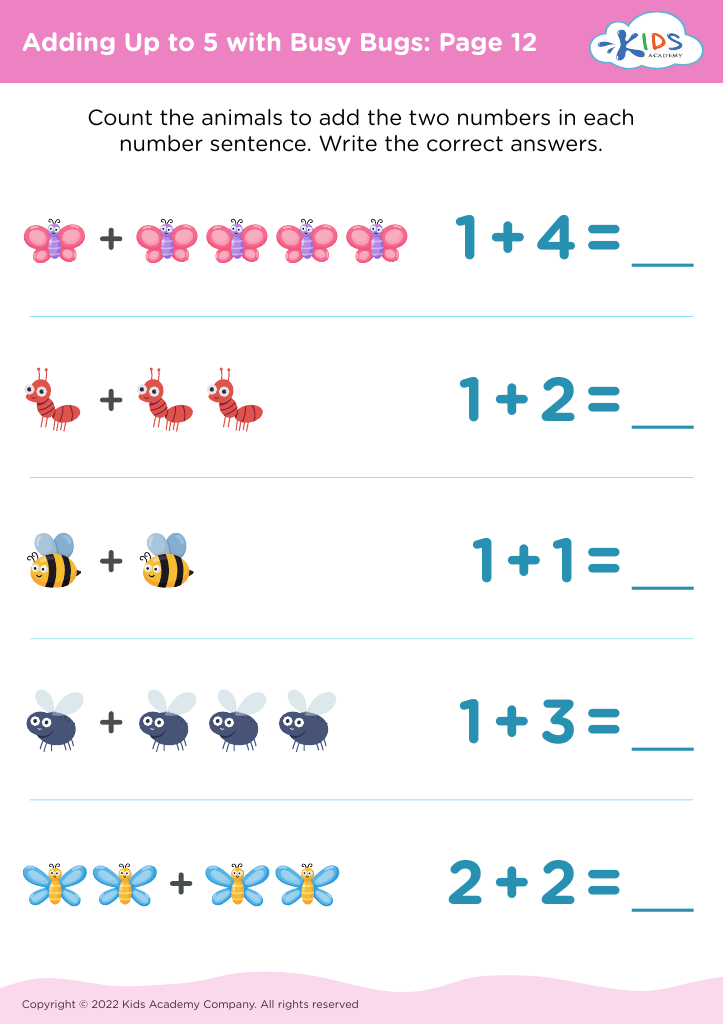
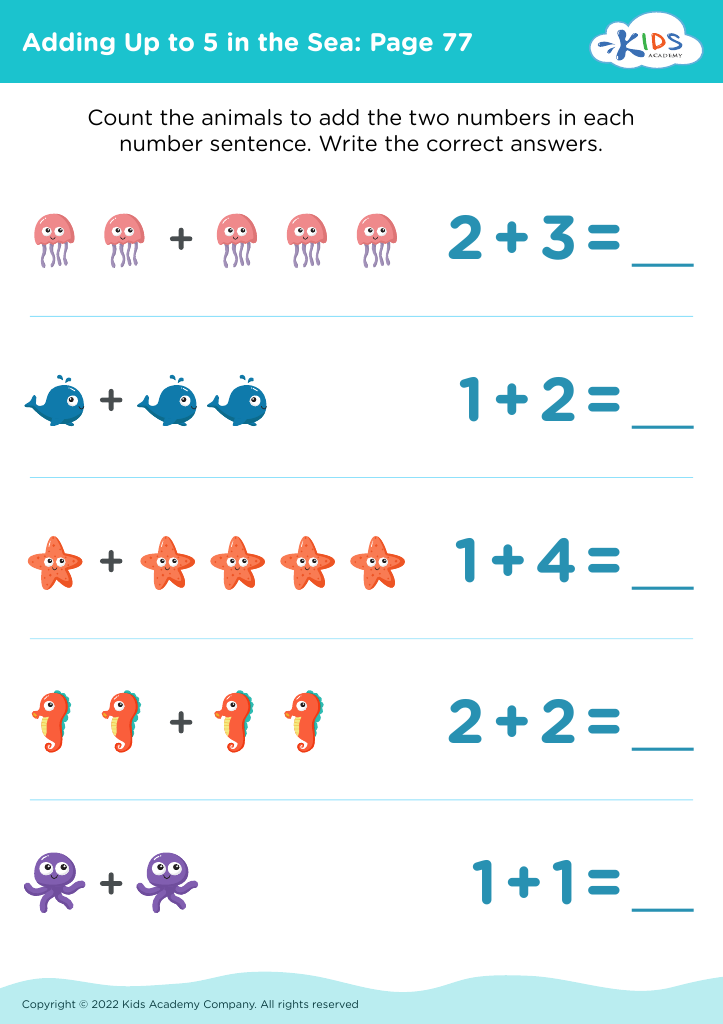
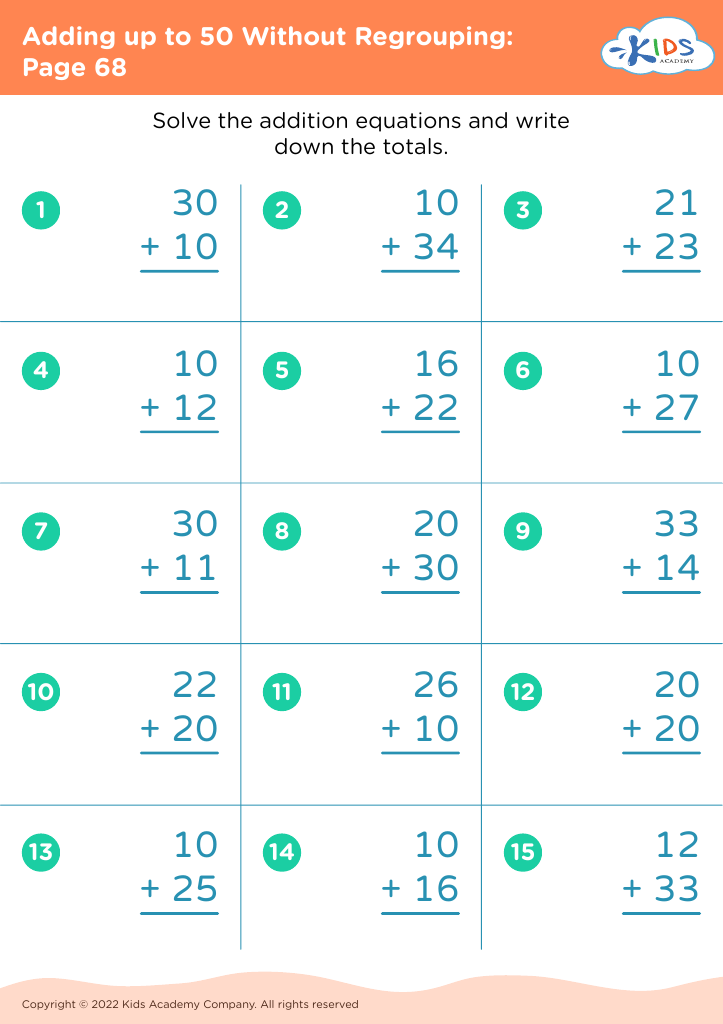
Enhance your child's mathematical skills with our Counting Accuracy Math Worksheets designed for ages 5-9! These engaging worksheets focus on improving number recognition, counting precision, and overall confidence in math. Each activity combines fun illustrations and interactive exercises, making learning enjoyable while encouraging critical thinking. Tailored for young learners, our resources help reinforce the fundamental concept of counting accurately in various contexts. Whether in the classroom or at home, these worksheets offer the perfect way to practice essential math skills in a cheerful and stimulating environment. Get started today and watch your child excel in their counting abilities!



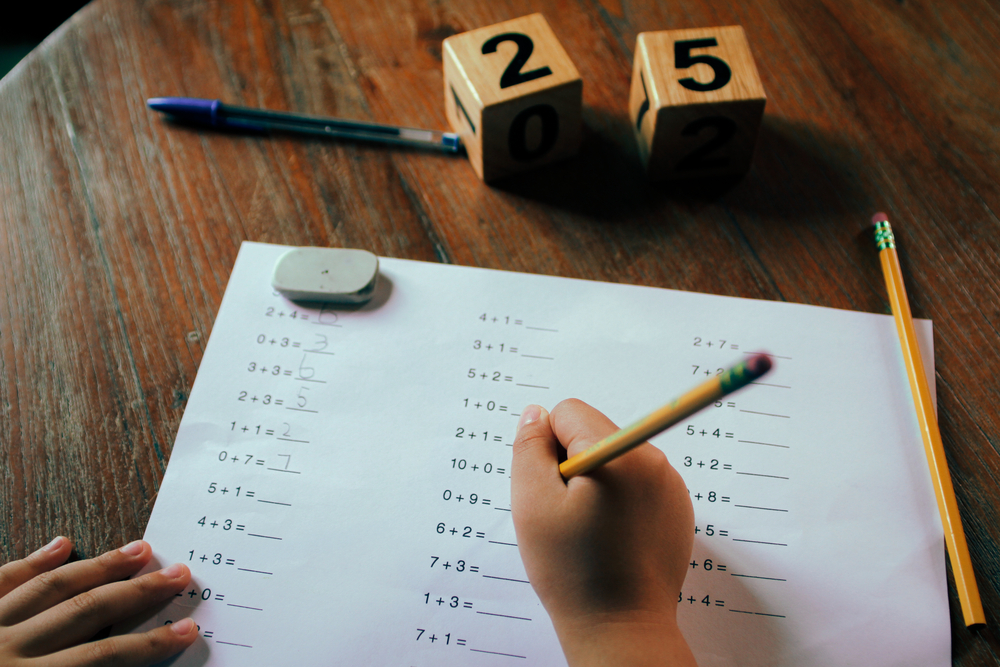




Counting accuracy in young children is critical for several reasons. Firstly, mastering counting lays the foundation for all future mathematical skills. For children ages 5-9, accurate counting helps them grasp basic arithmetic concepts, like addition and subtraction, which are essential for more complex mathematics later on.
Secondly, counting is linked to cognitive development. Engaging in counting activities enhances children's memory and their ability to problem-solve, fostering critical thinking skills. These abilities extend beyond math, benefiting their overall academic performance.
Additionally, counting accuracy promotes confidence and self-esteem. When children feel successful in their ability to count, they are more likely to engage in math-related activities and challenges without fear of failure. This positive mindset encourages a love for learning and helps develop resilience that they will need throughout their education.
Moreover, as parents and teachers work on counting accuracy, they also develop essential communication and social skills by collaborating, discussing, and sharing strategies—an integral part of early childhood education.
In summary, prioritizing counting accuracy nurtures essential mathematical foundations, cognitive growth, self-confidence, and collaborative skills, making it a key focus for parents and teachers alike.








