Cultural awareness Math Worksheets for Ages 5-9
5 filtered results
-
From - To
Introduce your young learners to the diversity of the world through our engaging Cultural Awareness Math Worksheets tailored for ages 5-9. These dynamic and educational resources seamlessly blend math skills with multicultural themes, fostering a global mindset while reinforcing essential arithmetic competencies. Each worksheet features culturally relevant scenarios that enhance both mathematical understanding and cultural appreciation, making math practice meaningful and fun. From counting activities inspired by international festivals to geometry exercises showcasing traditional patterns, our worksheets inspire curiosity and open-mindedness. Embark on a journey of learning and discovery with our expertly designed, culturally rich math worksheets!
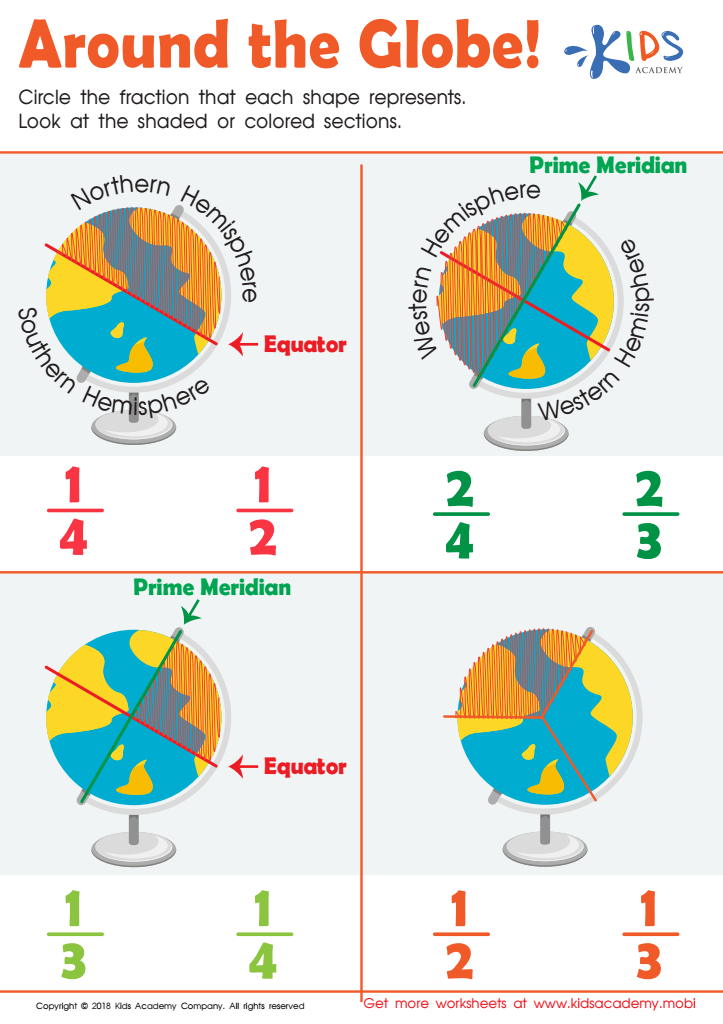
Around the Globe Worksheet
 Assign to My Students
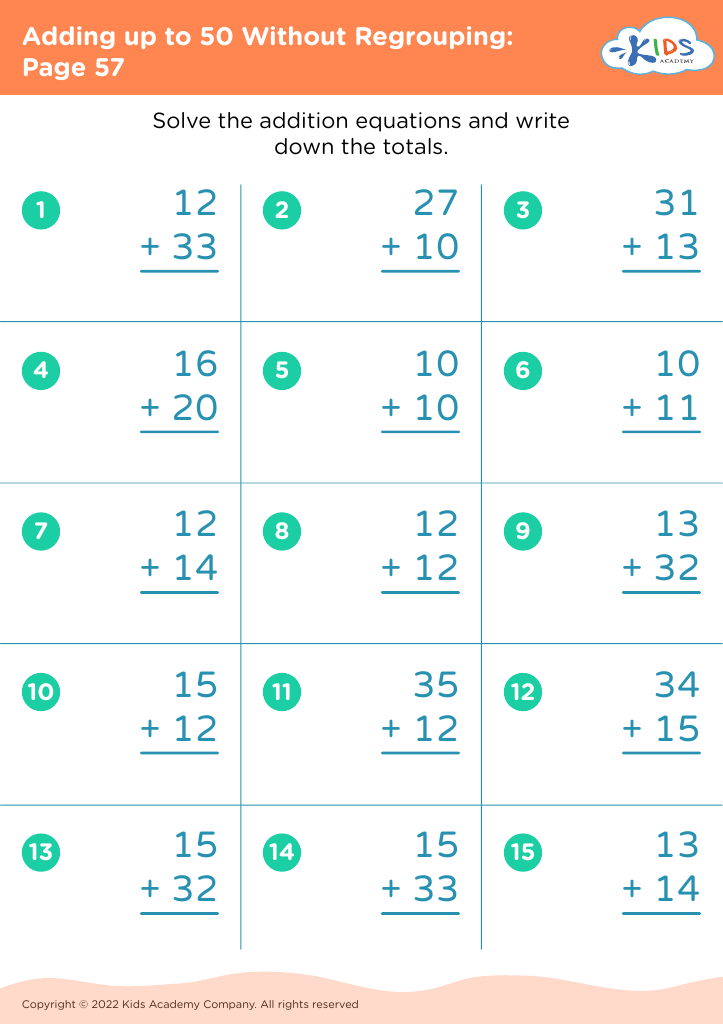
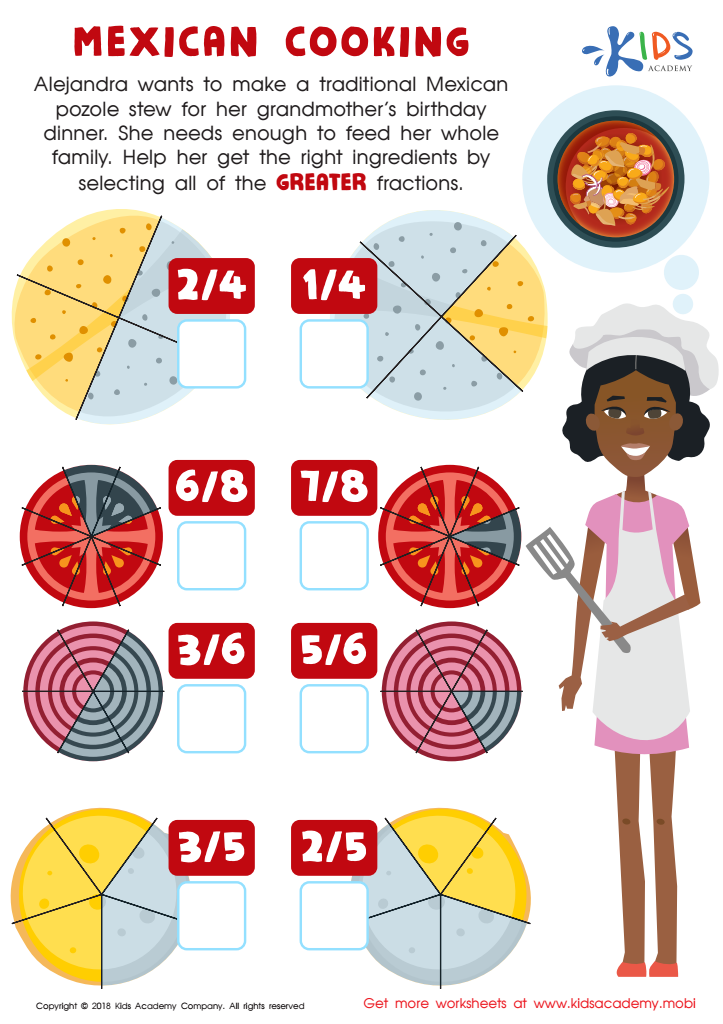
Mexican Cooking Worksheet
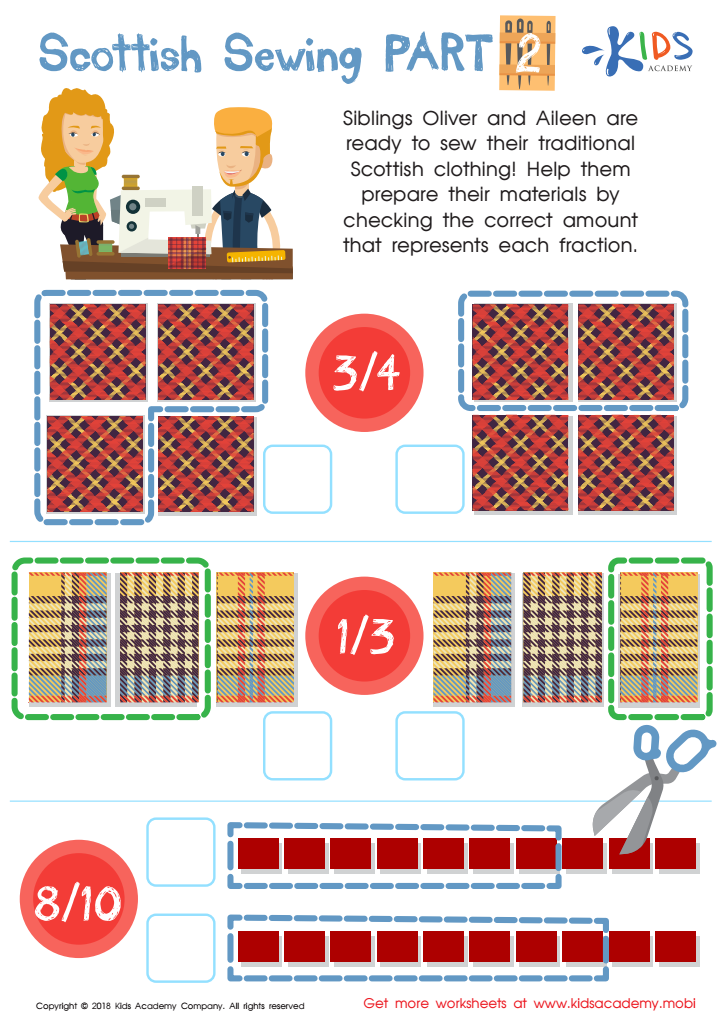
Scottish Sewing Part 2 Worksheet
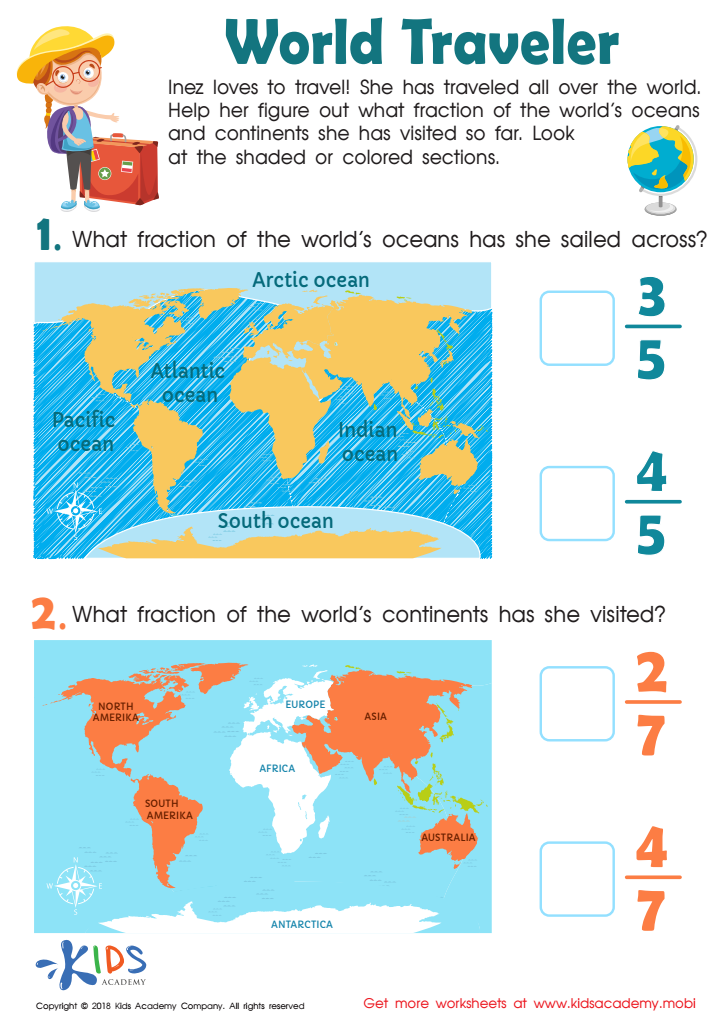
World Traveler Worksheet


.jpg)



Cultural awareness in math for ages 5-9 plays a pivotal role in cultivating an inclusive and open-minded classroom environment. Introducing young children to diverse mathematical concepts and methods from different cultures fosters respect and appreciation for global contributions. For instance, children can learn about the Maya civilization's use of zero or the Chinese invention of the abacus. This multicultural approach not only makes learning more engaging and relatable but also helps young minds understand that genius and innovation are universal.
Additionally, cultural awareness in math bridges gaps and promotes social equity. Students from different backgrounds feel valued and recognized, enhancing their self-esteem and academic motivation. This inclusion helps mitigate social biases and promotes harmonious relationships among classmates. A culturally rich curriculum enables children to see the interconnectedness of humanity and learn essential values such as empathy and cooperation.
Furthermore, introducing cultural diversity in math nurtures critical thinking and problem-solving skills. Different cultures often have unique ways of approaching mathematical problems, presenting children with alternative methods and perspectives. This broadens their understanding and adaptability in solving mathematical challenges, thereby laying a strong foundation for future learning. In essence, cultural awareness in math enriches educational experiences, instills respect for diversity, and prepares well-rounded global citizens.








