Fine motor skills (writing) Math Worksheets for Ages 5-9 - Page 2
43 filtered results
-
From - To
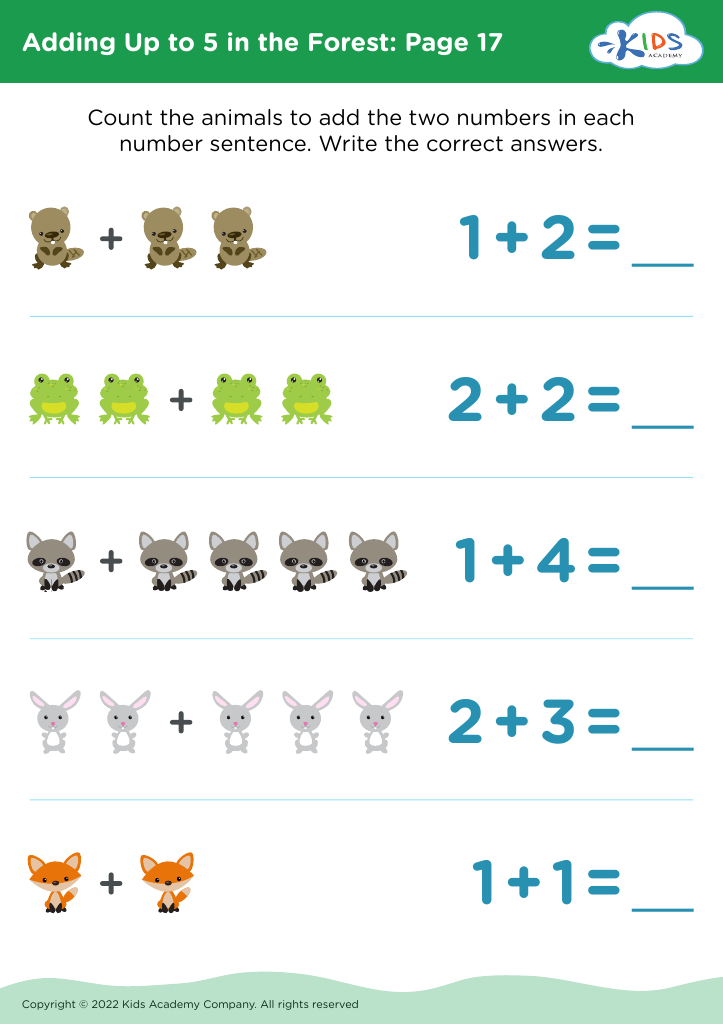
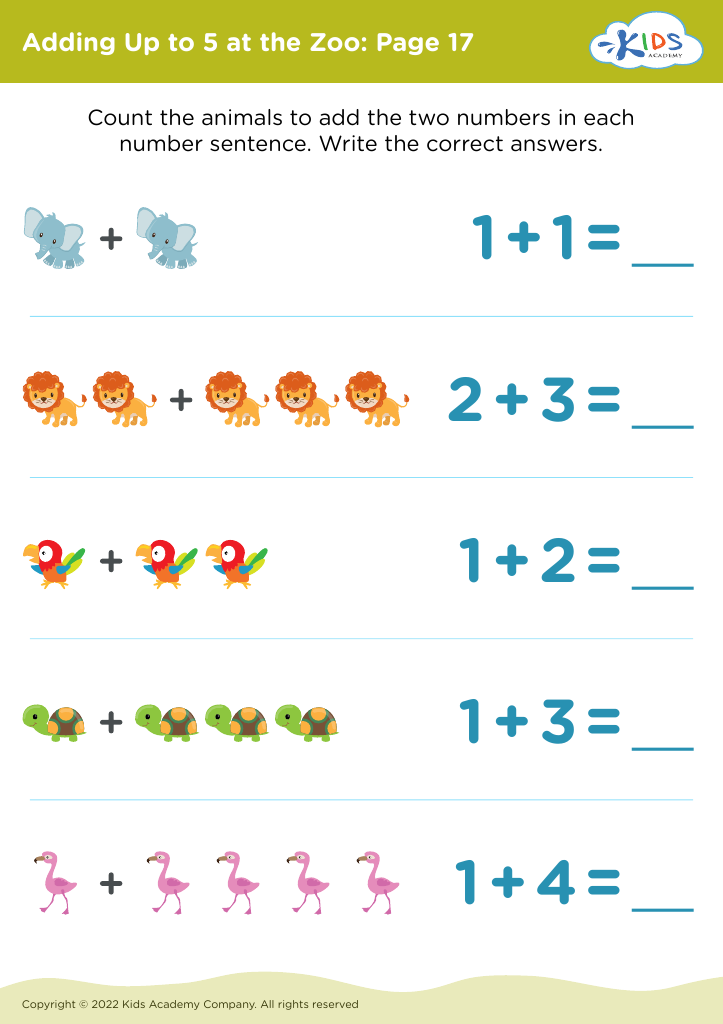
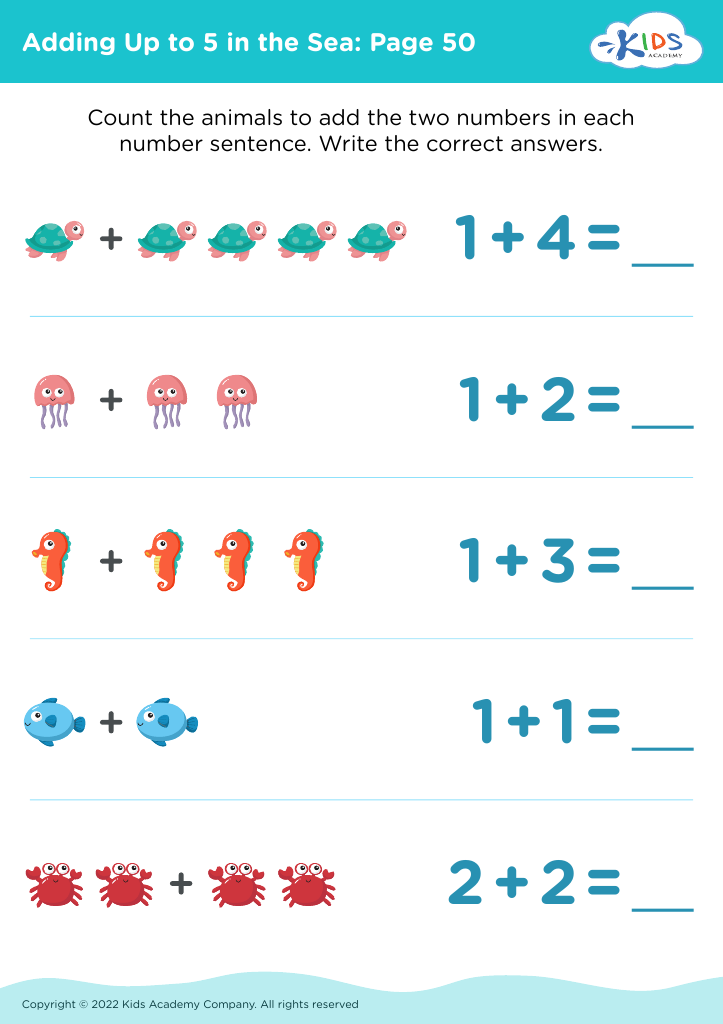
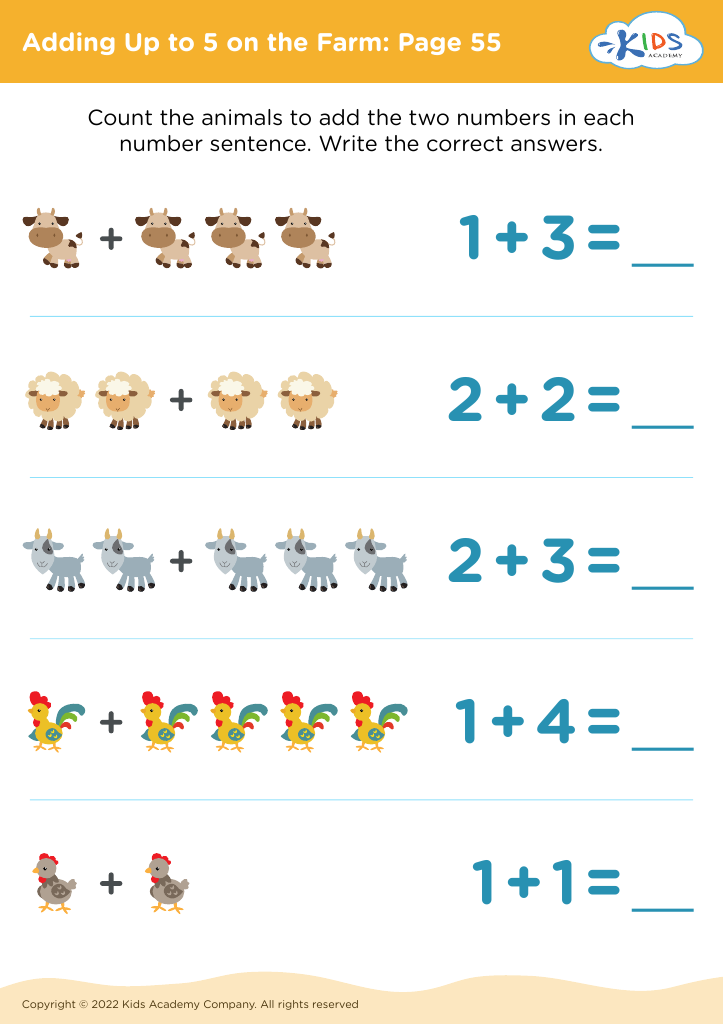
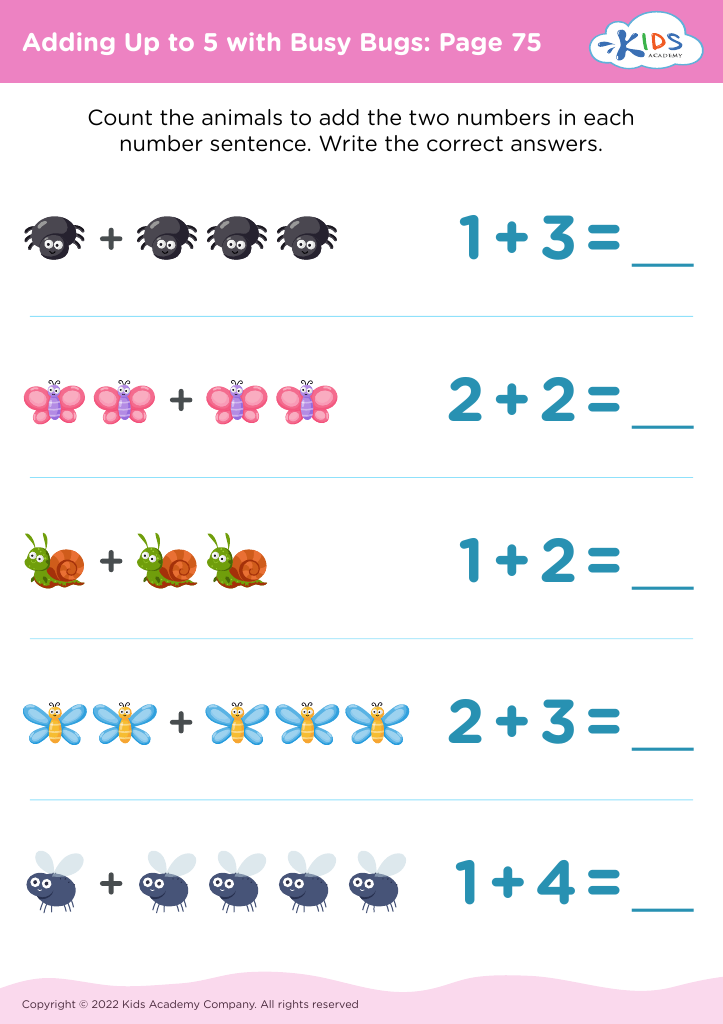
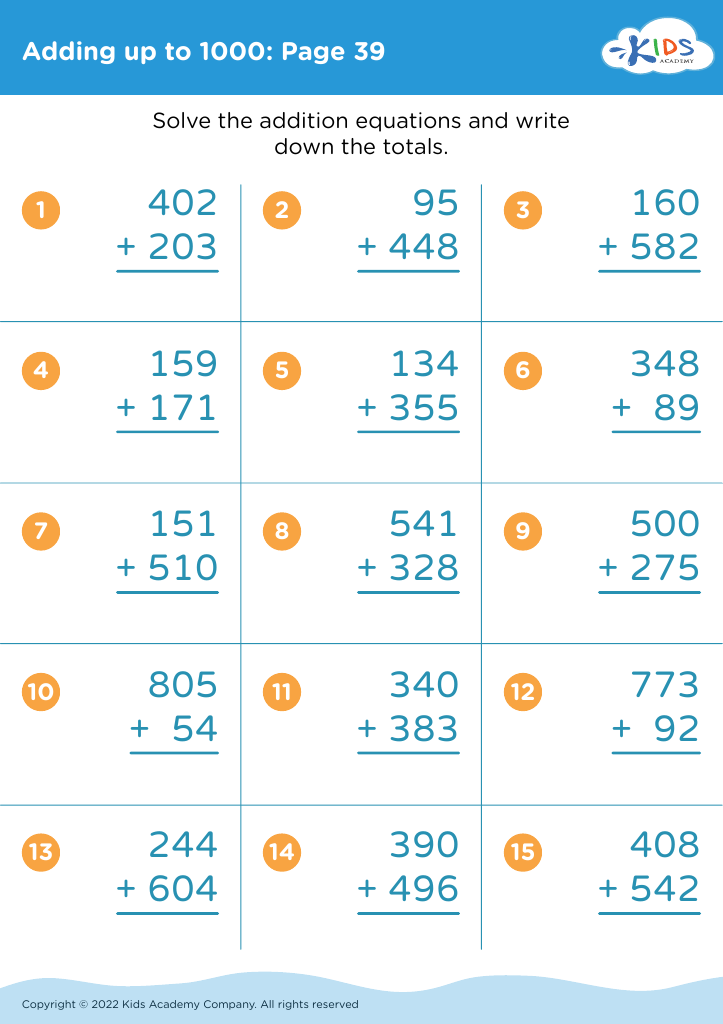
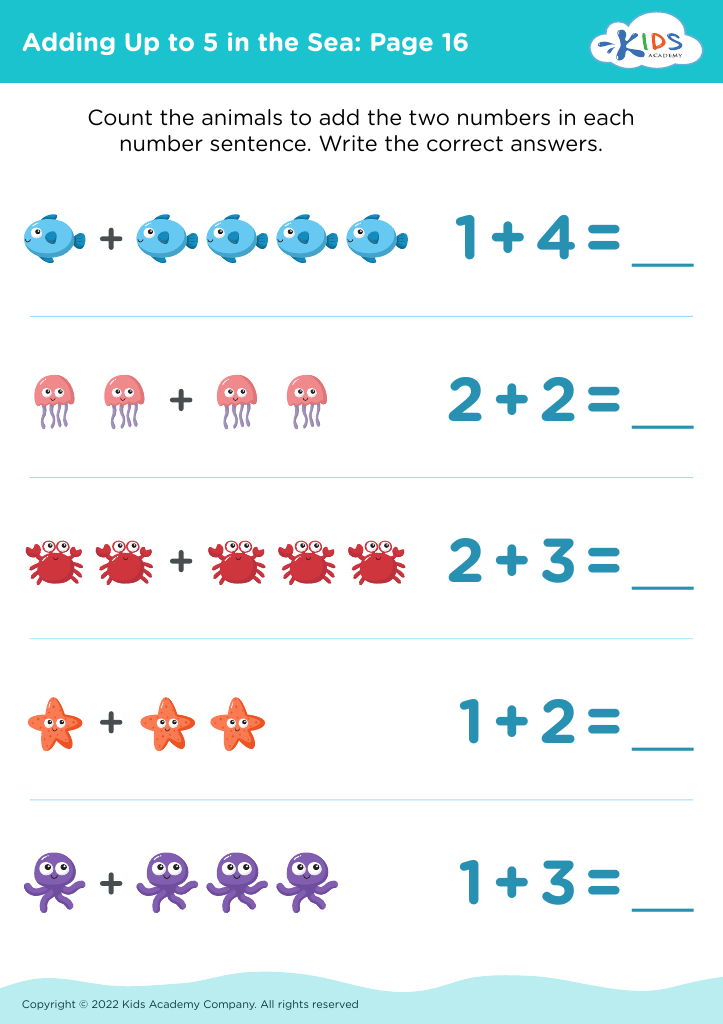
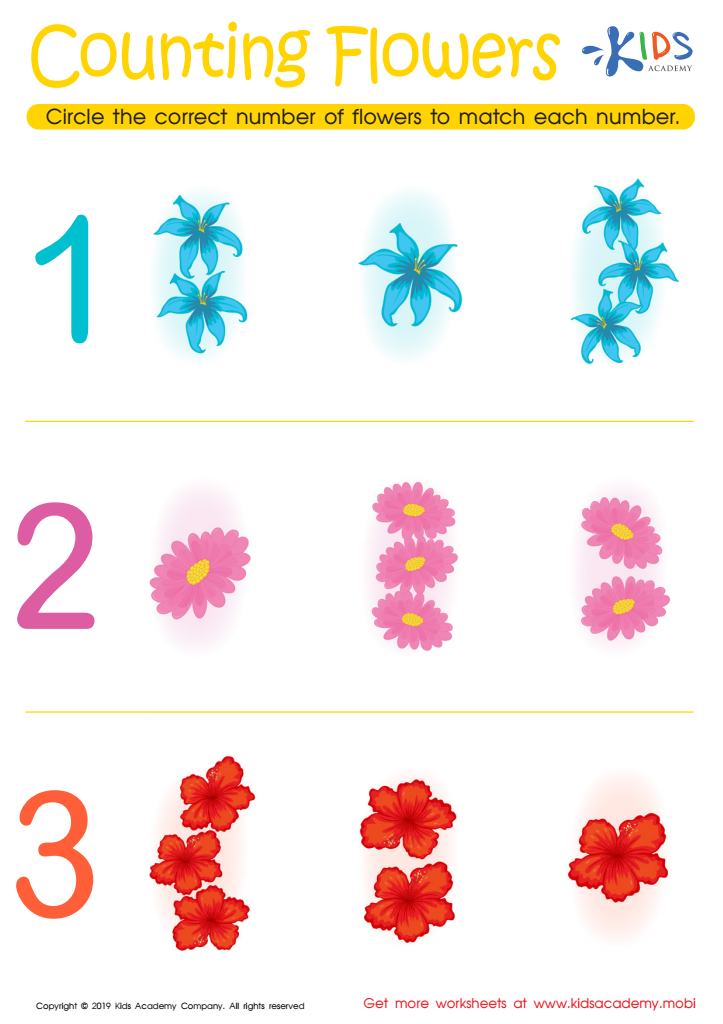
Counting Flowers Worksheet
 Assign to My Students
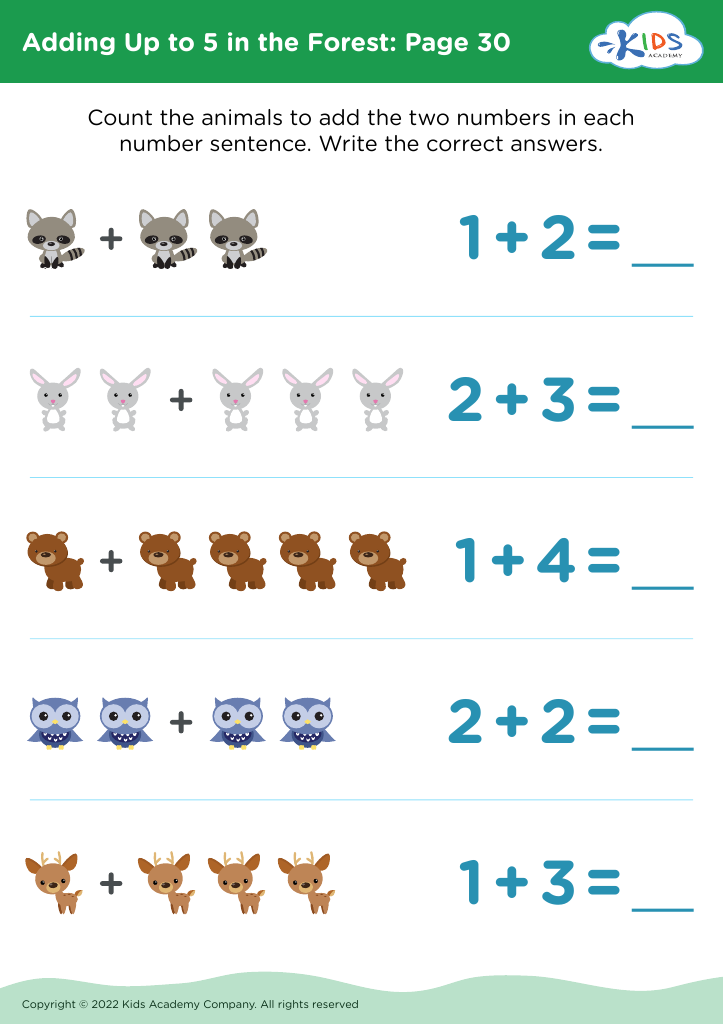
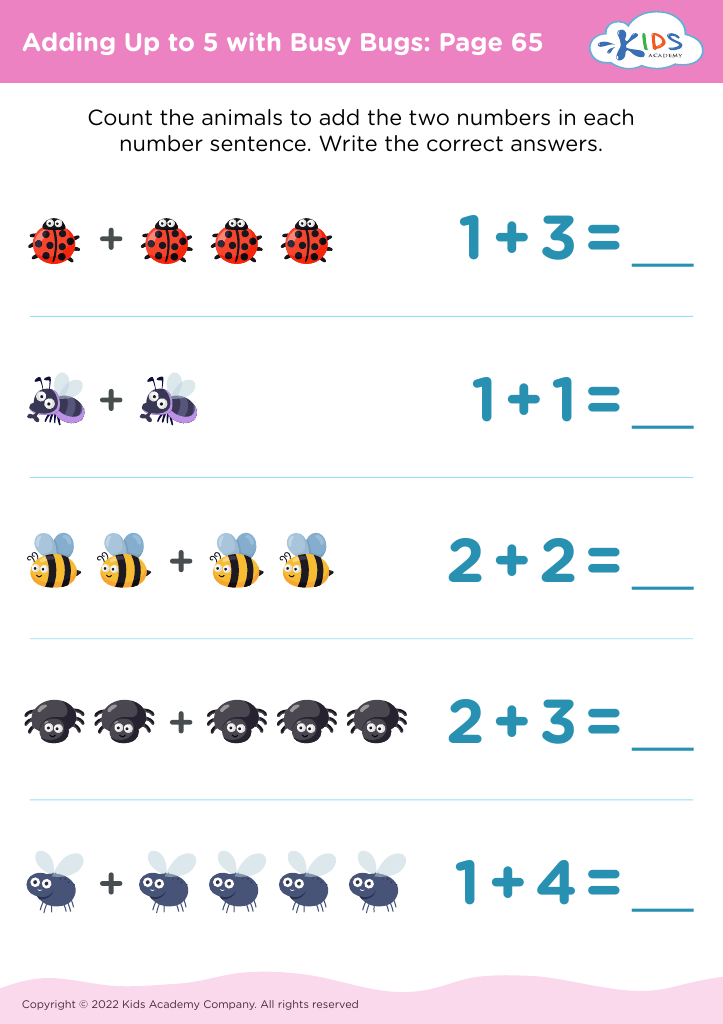
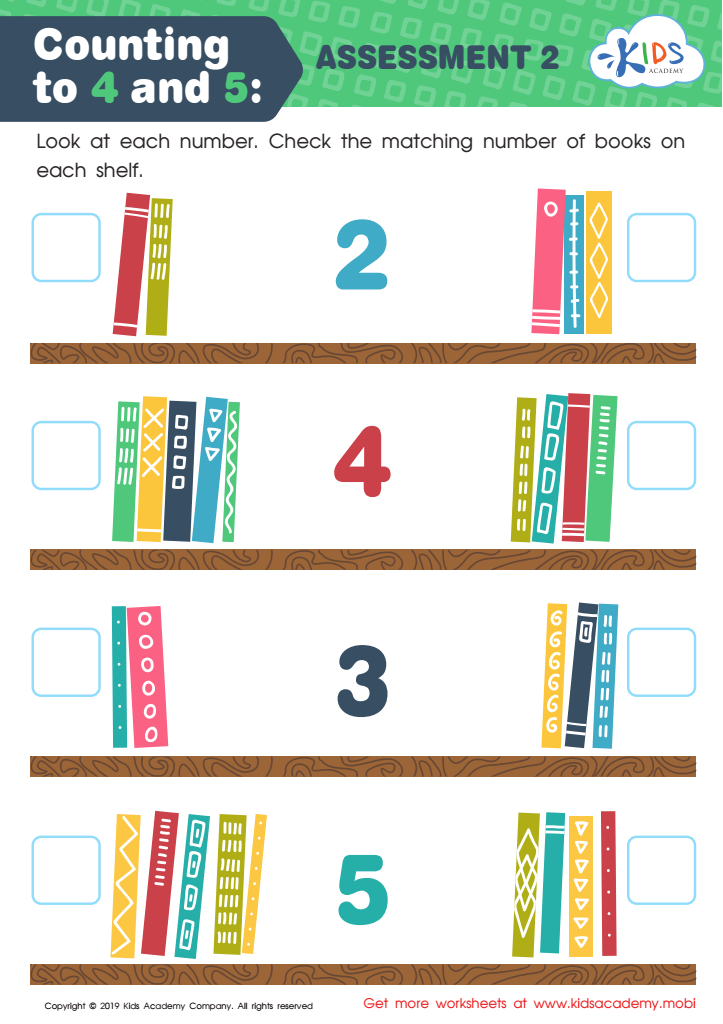
Counting to 4 and 5: Assessment 2 Worksheet








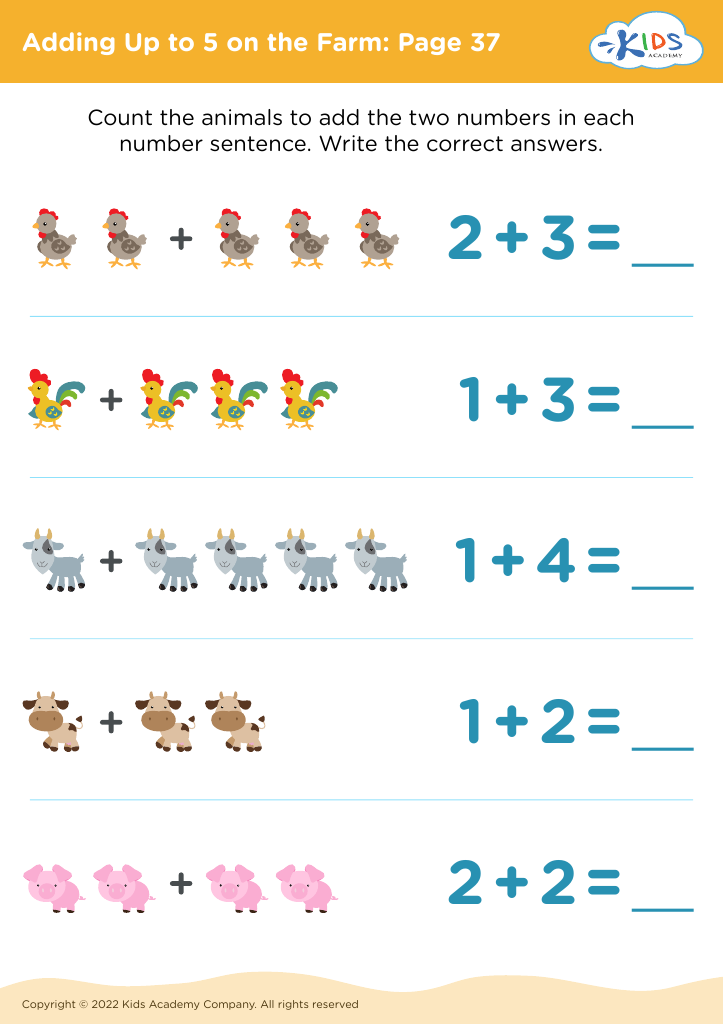
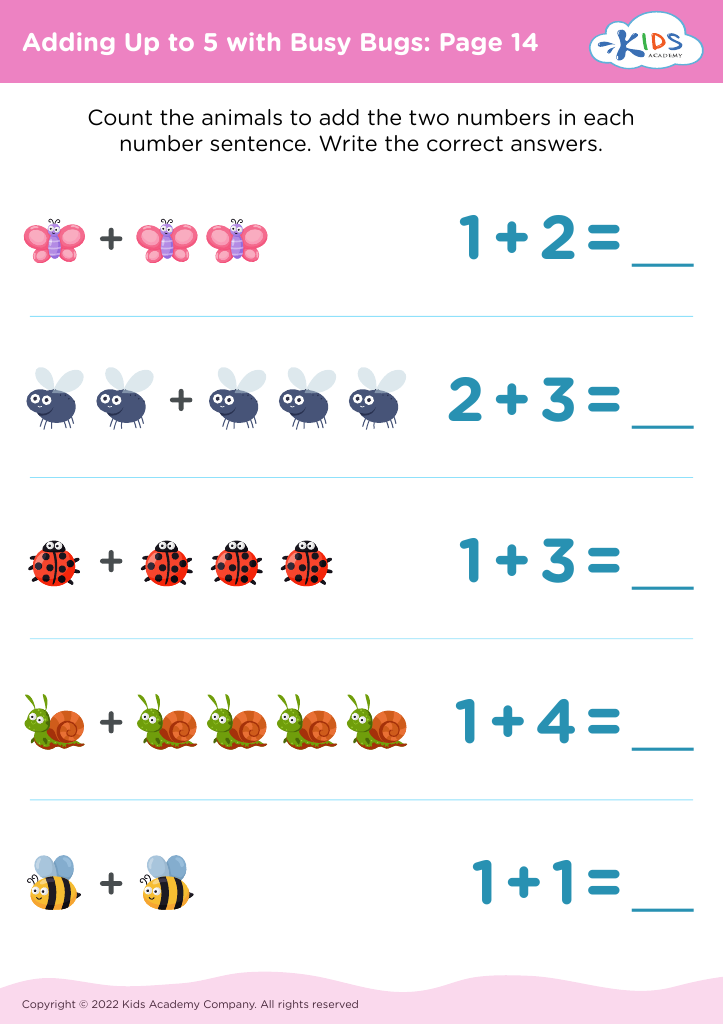
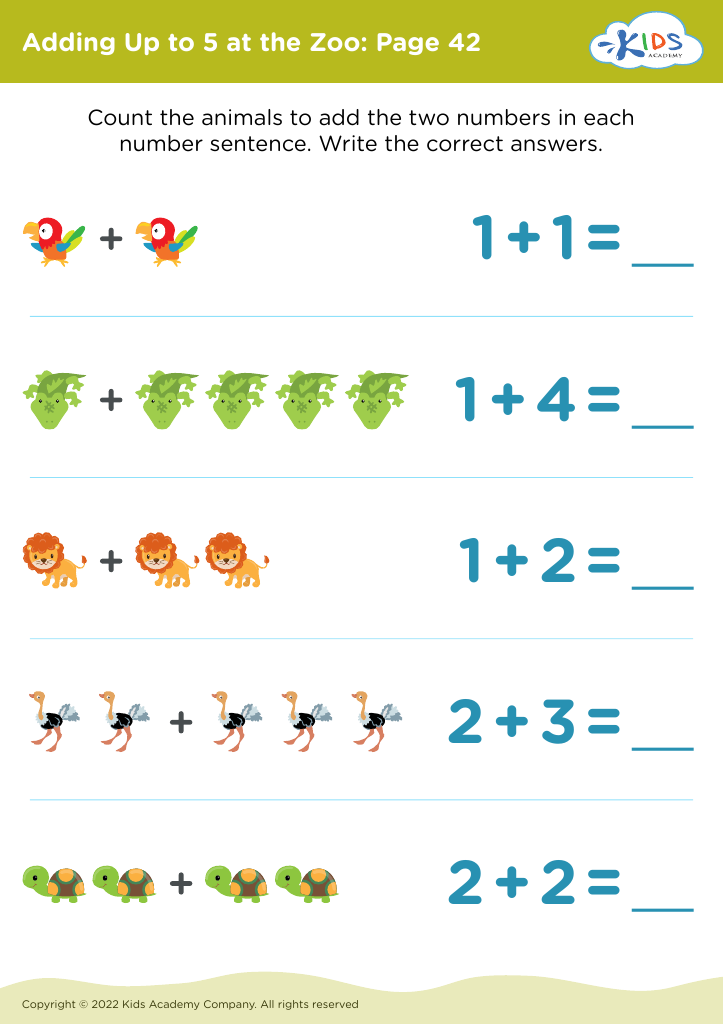
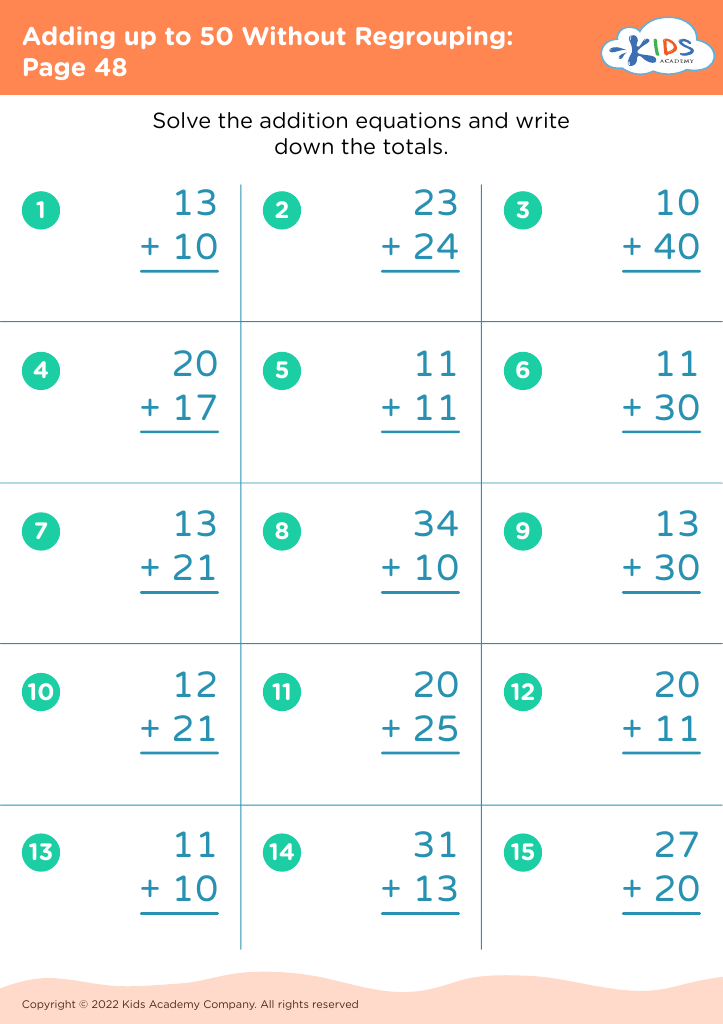
Fine motor skills are essential for young children, especially in the ages of 5 to 9, as they form the foundation for writing and engaging in various math activities. Development of these skills allows children to grasp and manipulate writing tools, which is crucial for forming letters and numbers accurately. Writing not only aids in literacy but also enhances cognitive development as children learn to express their thoughts and solve problems on paper.
Moreover, fine motor skills play a vital role in mathematical understanding. Tasks like counting, measuring, and creating shapes require dexterity and hand-eye coordination. When children can manage tools such as pencils, rulers, or manipulatives, they are more likely to engage actively in math activities, leading to better comprehension and retention.
Encouraging the development of fine motor skills through activities such as cutting, drawing, and playing with building blocks also enhances children's creativity and problem-solving abilities. Parents and teachers should care about this aspect of development because improving fine motor skills supports overall academic success and self-confidence. As children master these skills, they become more capable learners who can tackle writing and math challenges effectively, setting the stage for a positive attitude toward learning throughout their educational journey.








