Improving reading skills Math Worksheets for Ages 5-9
6 filtered results
-
From - To
Discover our "Improving Reading Skills Math Worksheets" designed for children aged 5-9! These engaging worksheets seamlessly blend math concepts with essential reading skills, helping young learners improve their comprehension and fluency while tackling fun math problems. Each worksheet encourages cognitive development through interactive activities that promote vocabulary growth and critical thinking. Tailored for early education, our resources support differentiated learning styles, making it easy for parents and teachers to incorporate reading into daily math practice. Foster a love for learning and ensure your child builds a strong foundation in both literacy and numeracy! Explore our collection today and watch your child's skills soar!
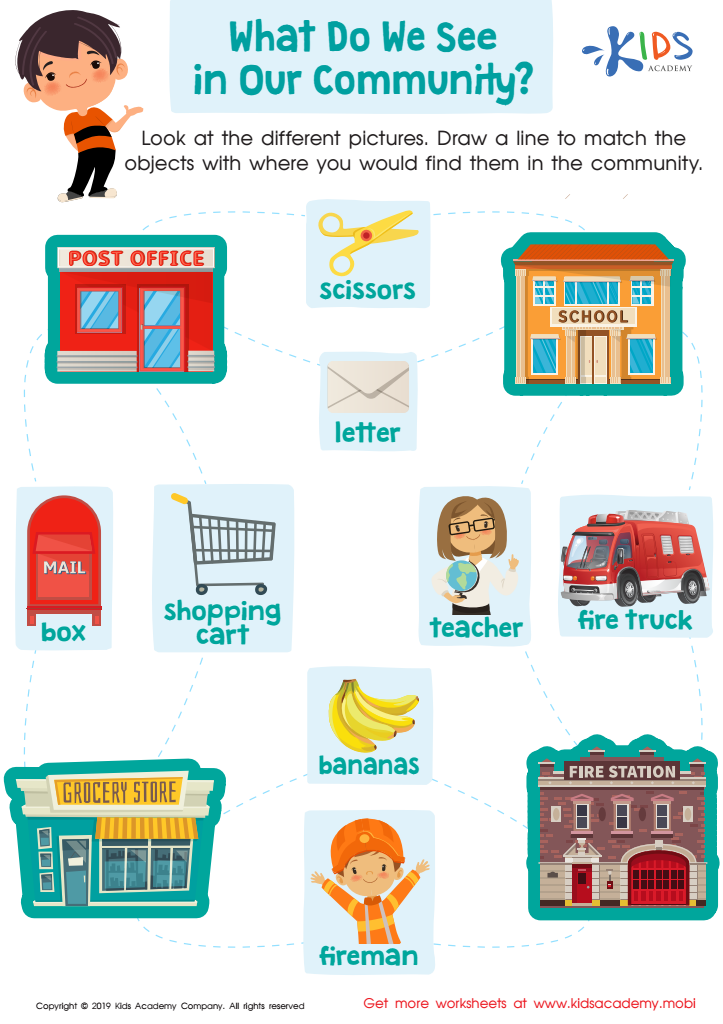
What Do We See in our Community? Worksheet
 Assign to My Students
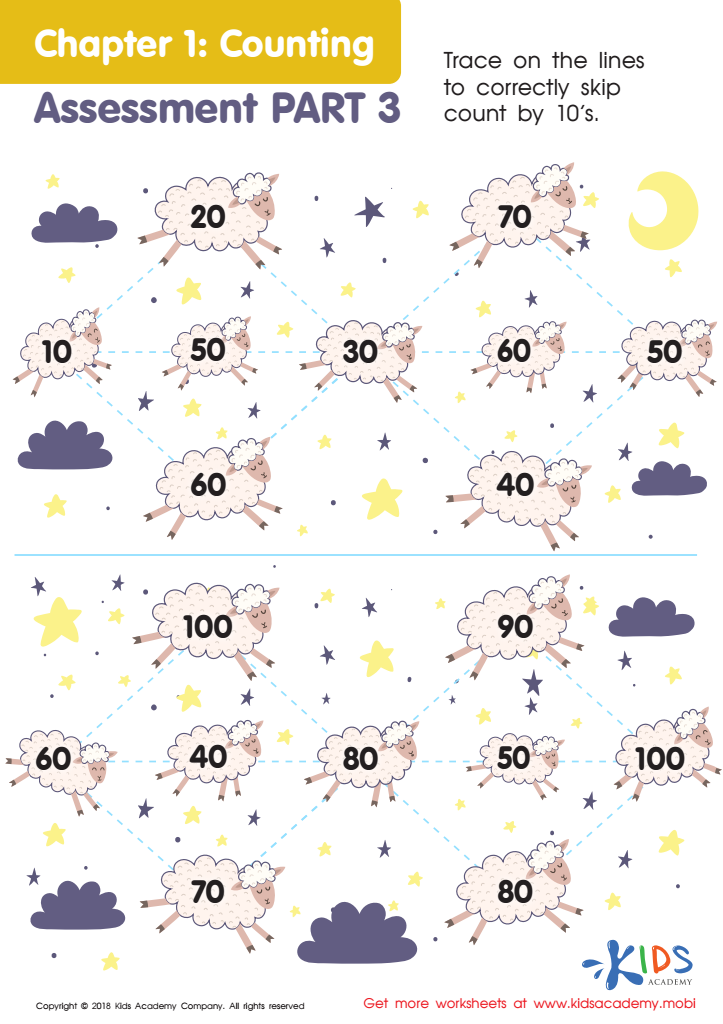
Counting: Assessment 3 Worksheet
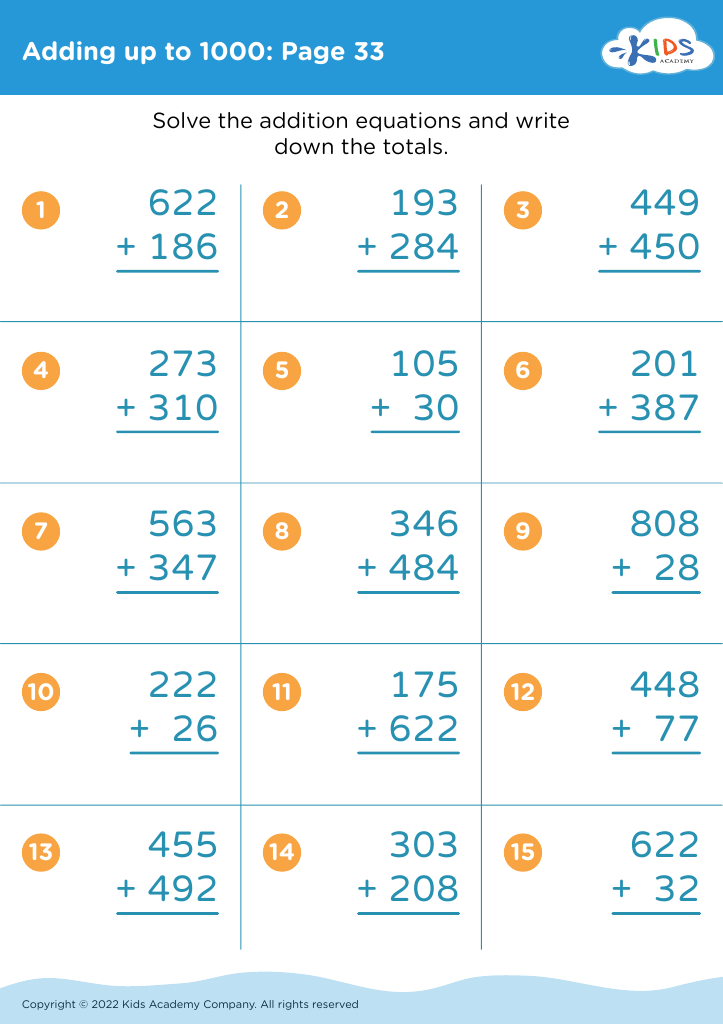








Improving reading and math skills in children ages 5-9 is crucial for their holistic development and future academic success. During these formative years, children are building foundational skills that set the stage for their lifelong learning. Proficiency in reading equips them to comprehend a wide range of subjects, engages their imagination, and fosters critical thinking. When children can read well, they are more likely to enjoy and succeed in school, enhancing their self-esteem and motivation.
Similarly, developing math skills at an early age helps children understand basic concepts such as counting, patterns, and problem-solving. Early mathematics education encourages logical thinking and lays the groundwork for more complex operations and calculations in later grades. When children grasp these concepts, they develop confidence in their abilities.
Both reading and math interconnect across subjects. For instance, comprehension skills enhance understanding of math word problems, while number sense supports real-life applications of reading through understanding measurements or time. Consequently, for parents and teachers, fostering these skills becomes essential—they not only build competence but also ignite a love for learning. Investing in reading and math abilities during these critical years can lead to improved academic outcomes, greater independence, and lifelong skills for children.








