Learn new vocabulary Math Worksheets for Ages 5-9
4 filtered results
-
From - To
Welcome to our "Learn New Vocabulary Math Worksheets" designed specifically for children ages 5-9! These engaging worksheets aim to enrich young minds with essential math vocabulary through fun and interactive activities. Each worksheet focuses on key concepts, ensuring kids grasp important terms while practicing their math skills. From counting to shapes and basic operations, our resources help reinforce learning in a playful manner. Perfect for home or classroom use, these worksheets are ideal for enhancing comprehension and oral communication. Encourage your child's learning journey today with our carefully crafted vocabulary worksheets—tools that make math both enjoyable and educational!
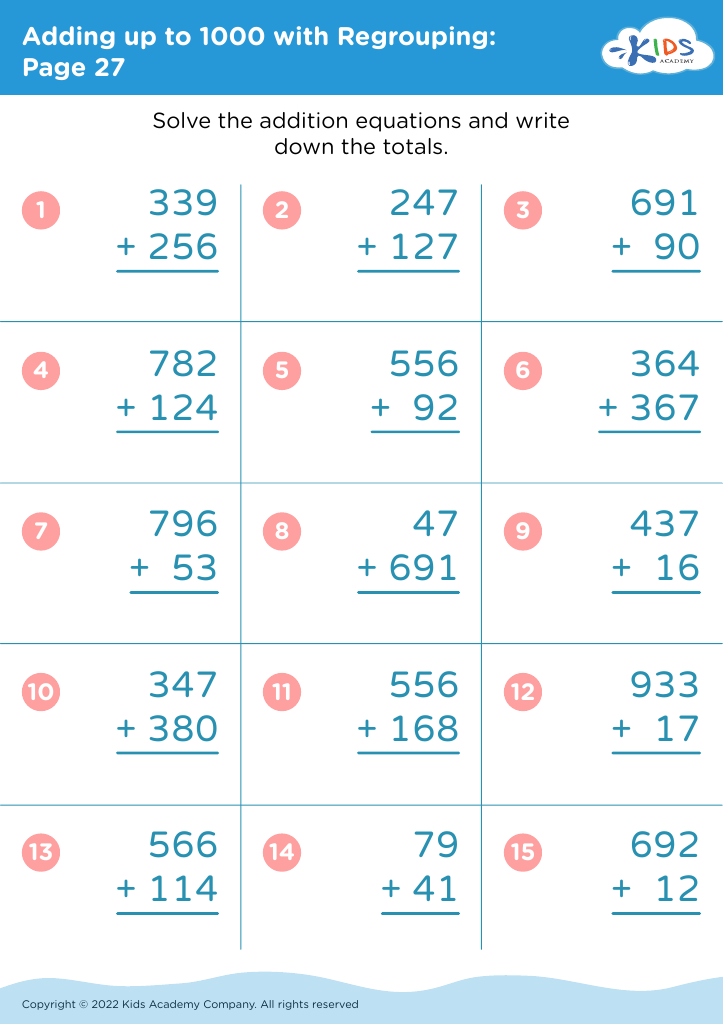
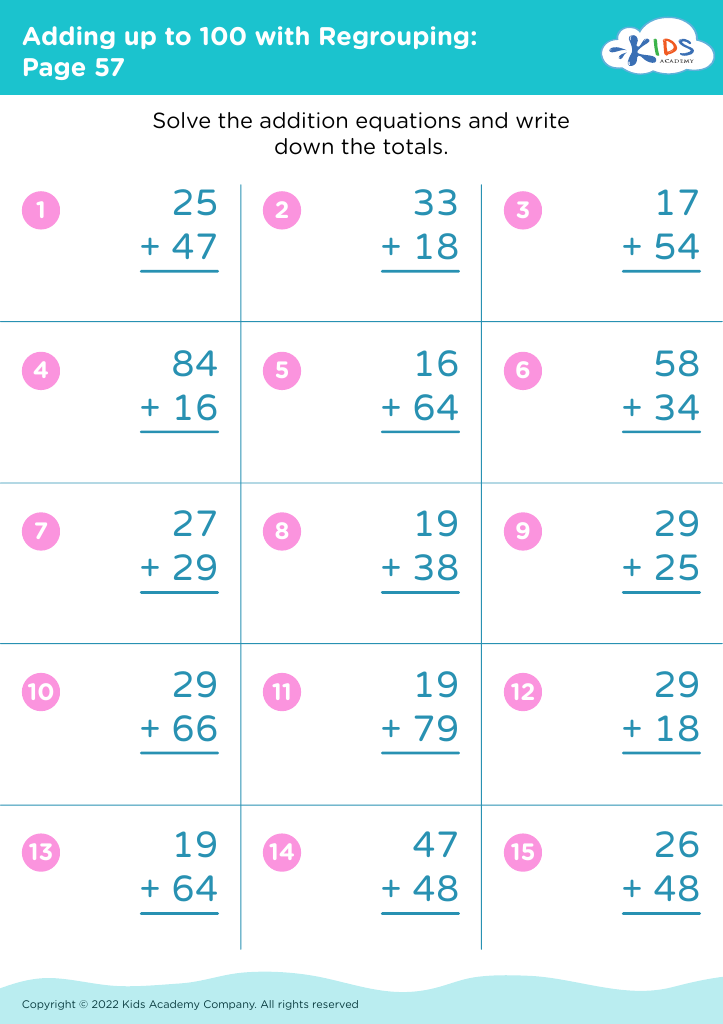
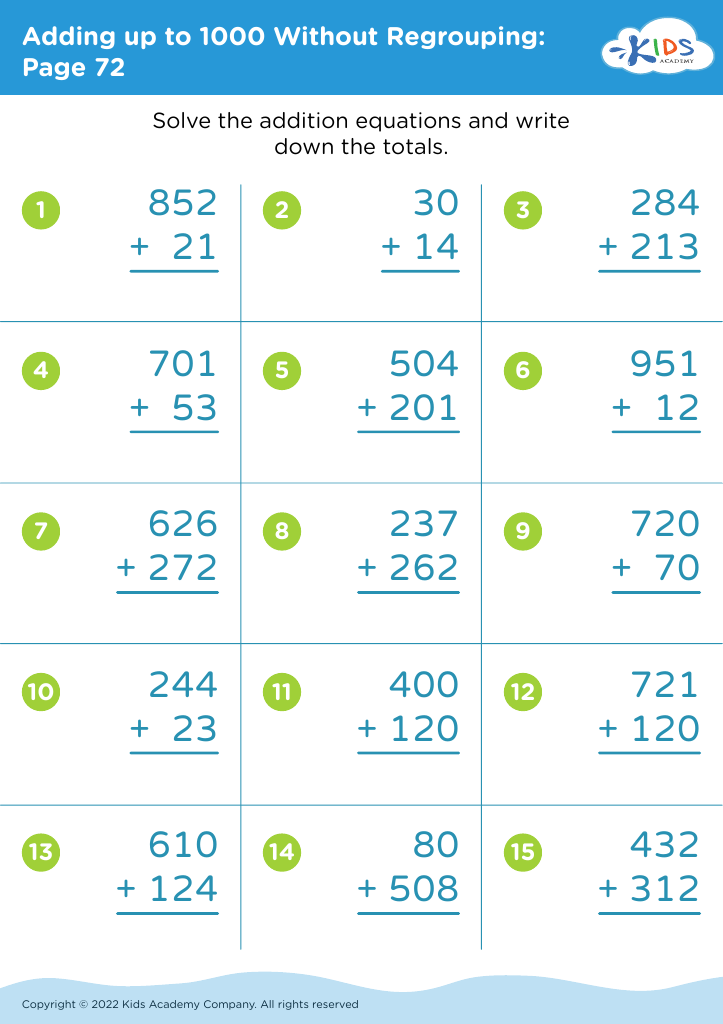
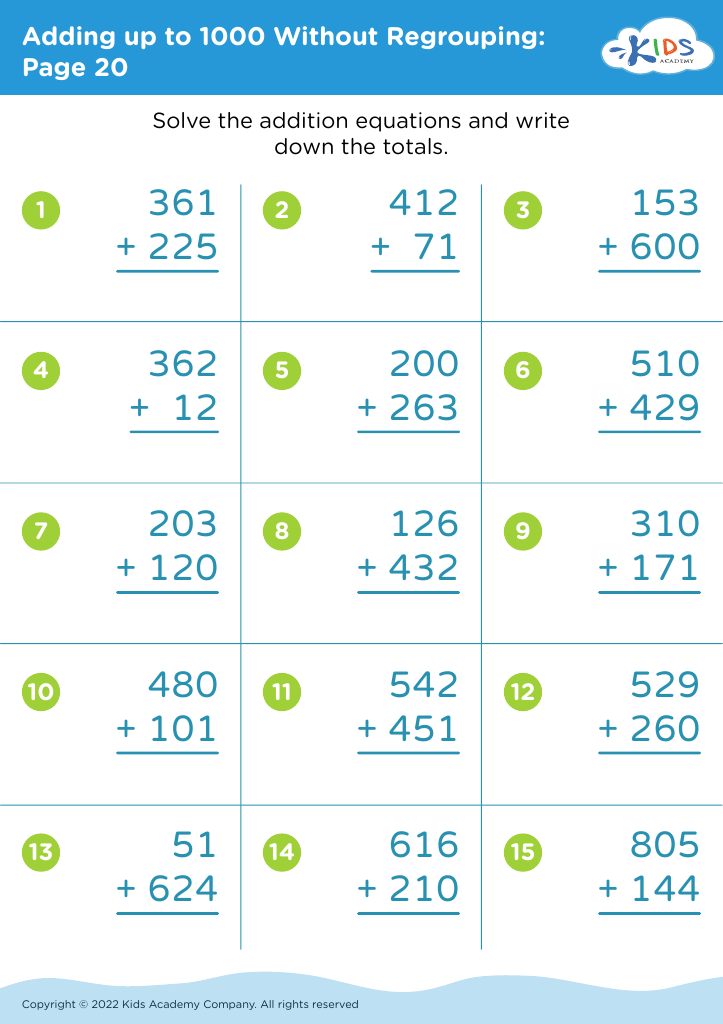







Parents and teachers should prioritize developing vocabulary in math for children aged 5-9 as it lays a crucial foundation for both academic success and practical life skills. At this age, children are not only learning basic mathematical concepts but are also beginning to comprehend the language that describes these concepts. By acquiring a robust math vocabulary, children can articulate their understanding, solve problems more effectively, and communicate their thought processes more clearly.
Understanding terms like "addition," "subtraction," "greater than," and "less than" enhances their ability to follow instructions and engage in discussions about math. This vocabulary expansion fosters critical thinking, as children can better connect ideas and concepts. Additionally, the skills learned extend beyond the classroom and into real-life situations, such as budgeting, cooking, or measuring, where math language plays a significant role.
Moreover, building a strong math vocabulary instills confidence in children, encouraging a positive attitude towards math. When children can express their thoughts and questions clearly, they are more likely to participate actively and seek help when needed. Ultimately, investing time in teaching math vocabulary is vital for nurturing competent, confident, and curious learners.








