Observation skills Math Worksheets for Ages 5-9
5 filtered results
-
From - To
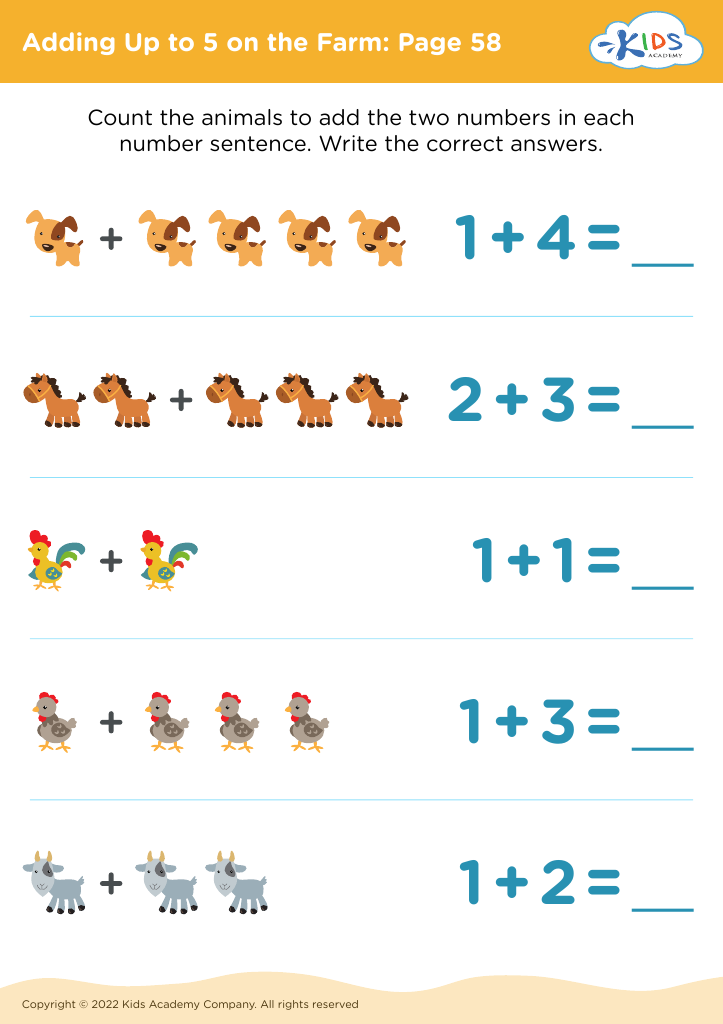
Enhance your child's math learning experience with our Observation Skills Math Worksheets for Ages 5-9! Designed to cultivate critical thinking and analytical abilities, these engaging worksheets help children develop essential observation skills through interactive activities. Kids will explore patterns, shapes, and quantities while honing their ability to notice details. Aligned with early math concepts, each worksheet encourages independent problem-solving and boosts confidence. Perfect for home or classroom use, our resources cater to various learning styles, making math both fun and educational. Discover the importance of observation in math and watch your child thrive in their learning journey!
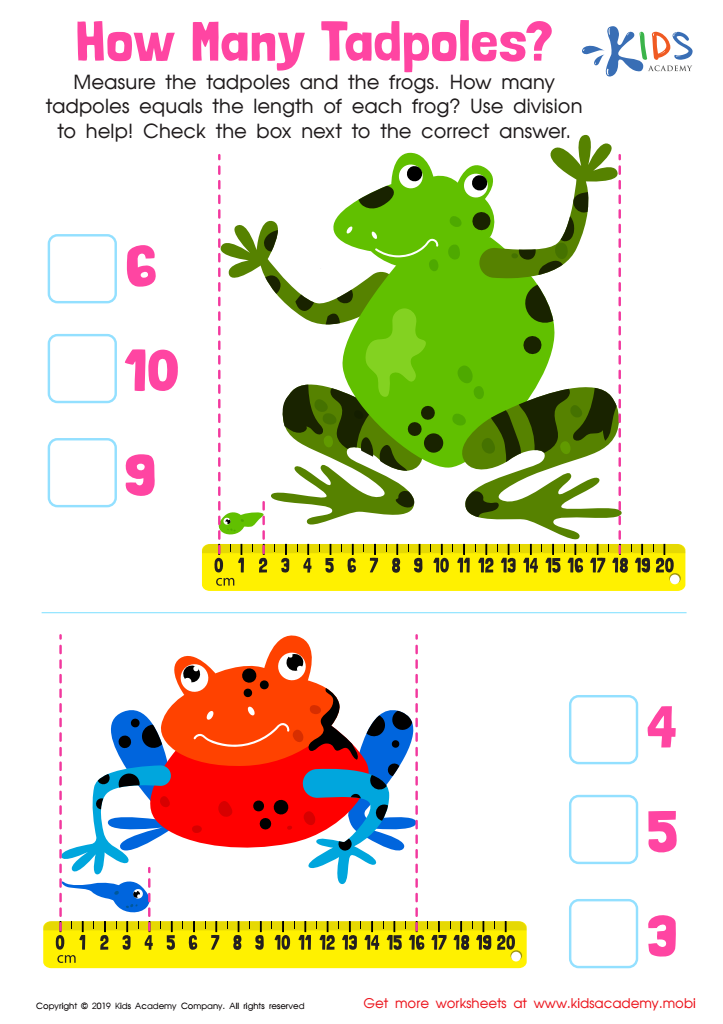
How Many Tadpoles Worksheet
 Assign to My Students
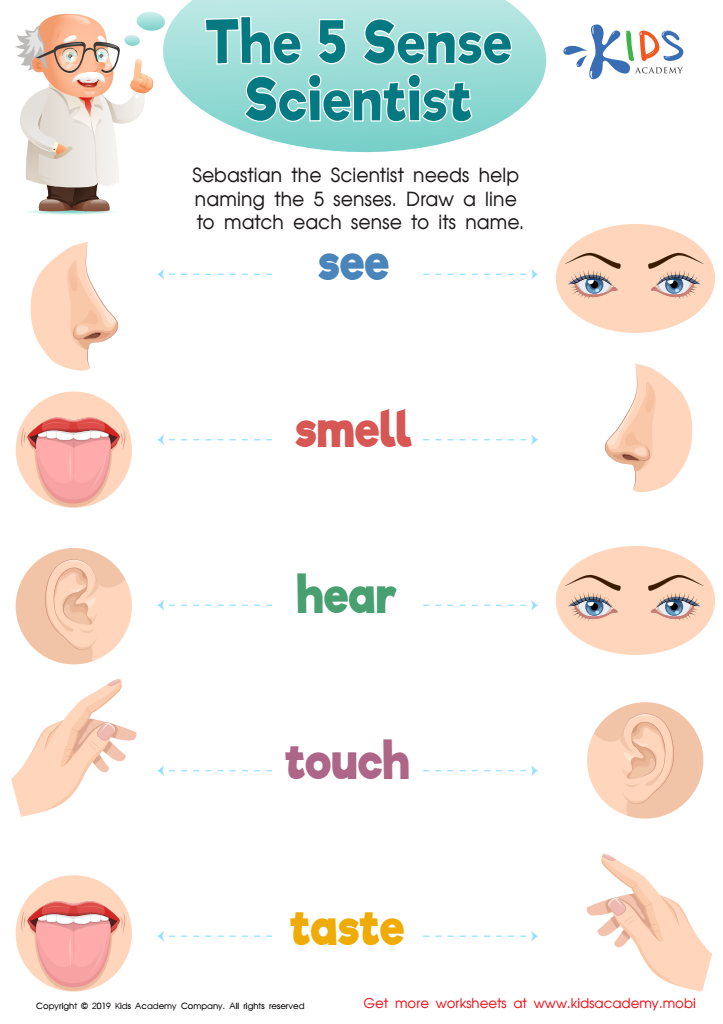
The 5 Sense Scientist Worksheet
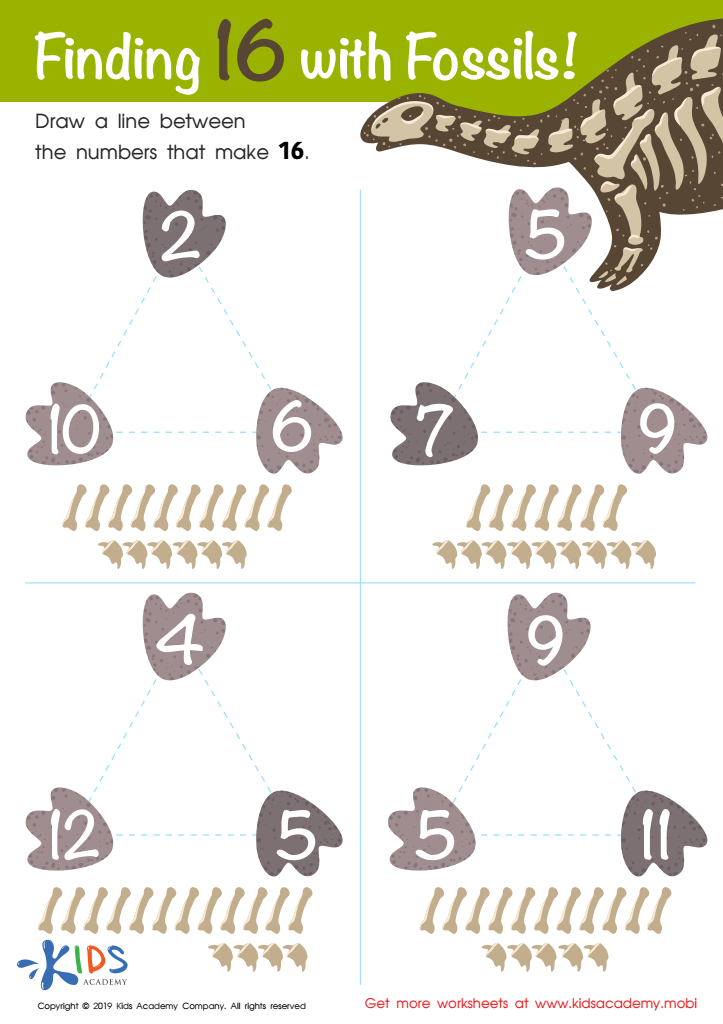
Finding 16 With Fossils Worksheet
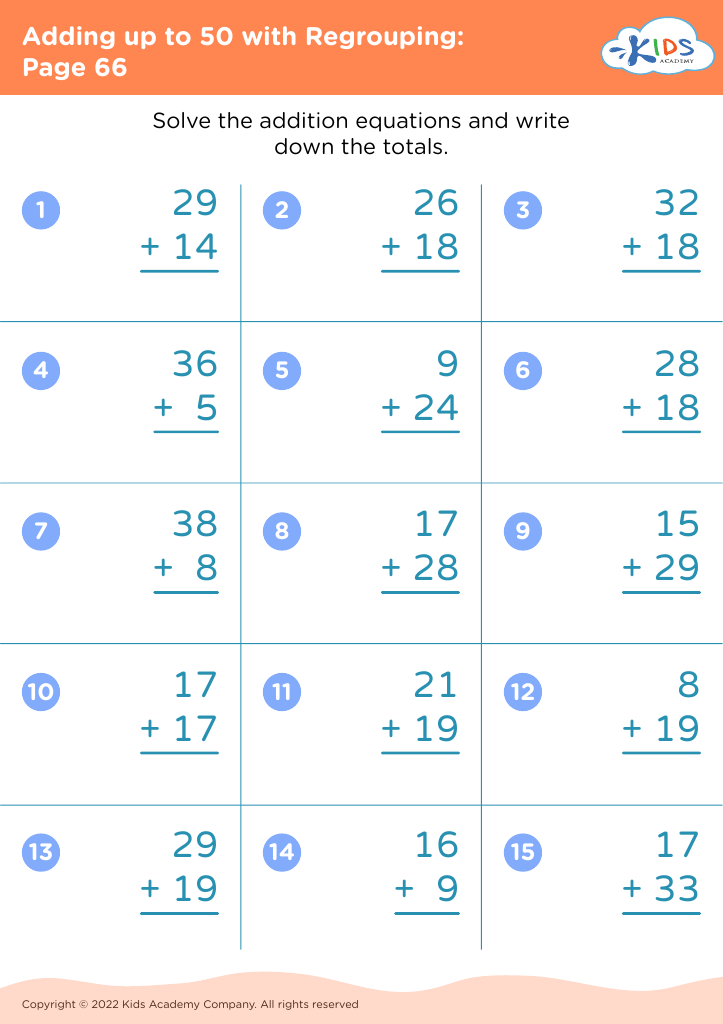






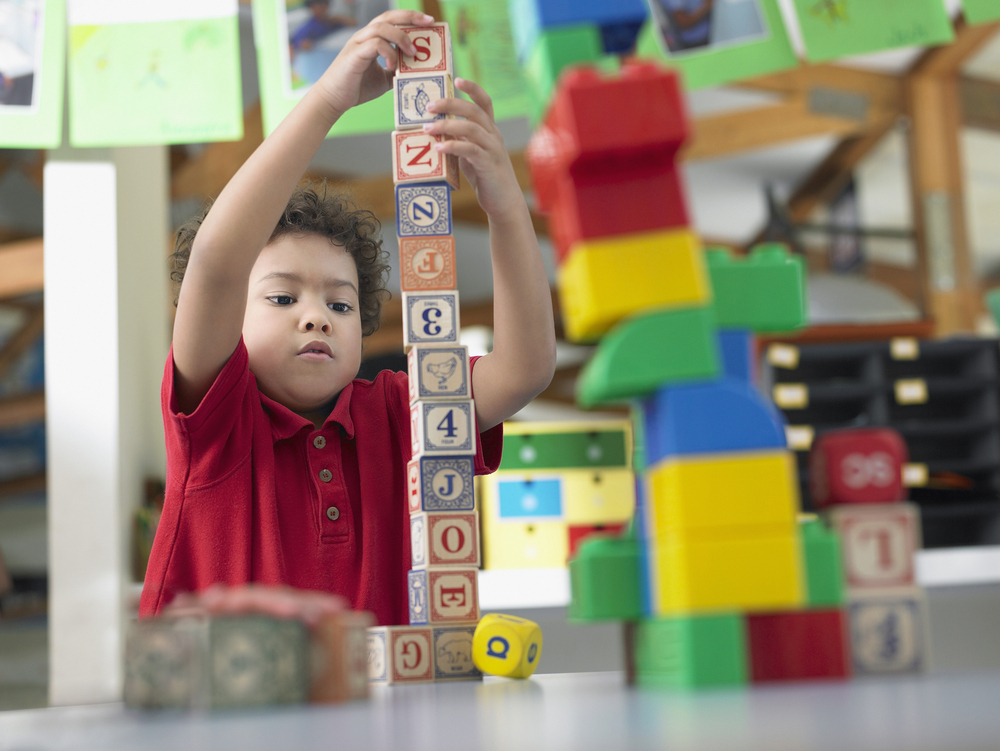

Observation skills in math are crucial for children ages 5-9 as they lay the foundation for critical thinking, problem-solving, and overall mathematical understanding. At this age, children are naturally curious and begin to make sense of their world through exploration. By honing their observation skills, they learn to identify patterns, recognize relationships, and discern numerical concepts in everyday life. Parents and teachers play a pivotal role in fostering these skills by encouraging active participation and exploration.
Effective observation aids in the development of spatial awareness, which is vital for geometry, measurement, and data interpretation. As children observe their surroundings, whether counting objects in the park or measuring ingredients in a recipe, they gain concrete experiences that solidify abstract mathematical concepts.
Moreover, strong observation skills empower children to ask better questions and approach problems from various angles, enhancing their adaptability and creativity in math. When parents and teachers prioritize these skills, they not only contribute to children's academic success but also nurture a genuine love for learning. Ultimately, cultivating observation skills in early math education lays the groundwork for lifelong mathematical competence and confidence, equipping children with tools essential for their educational journey.








